Maryland
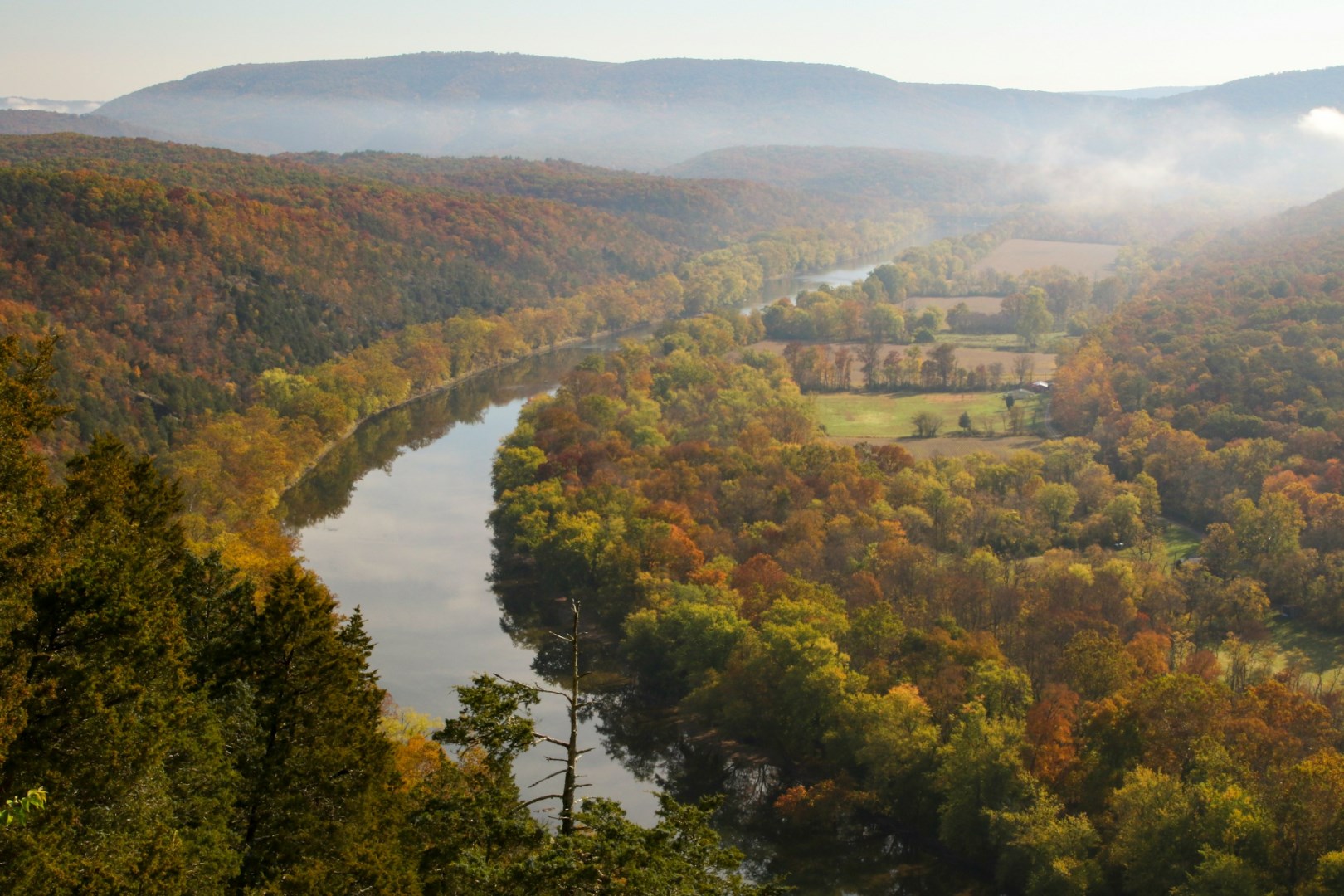
Maryland, a state rich in history and natural beauty, offers a diverse array of experiences for visitors. The city of Baltimore, with its vibrant Inner Harbor, serves as a cultural hub. The National Aquarium, featuring marine life from around the globe, is a highlight, while the nearby National Great Blacks in Wax Museum offers a profound look into African American history.
Samos
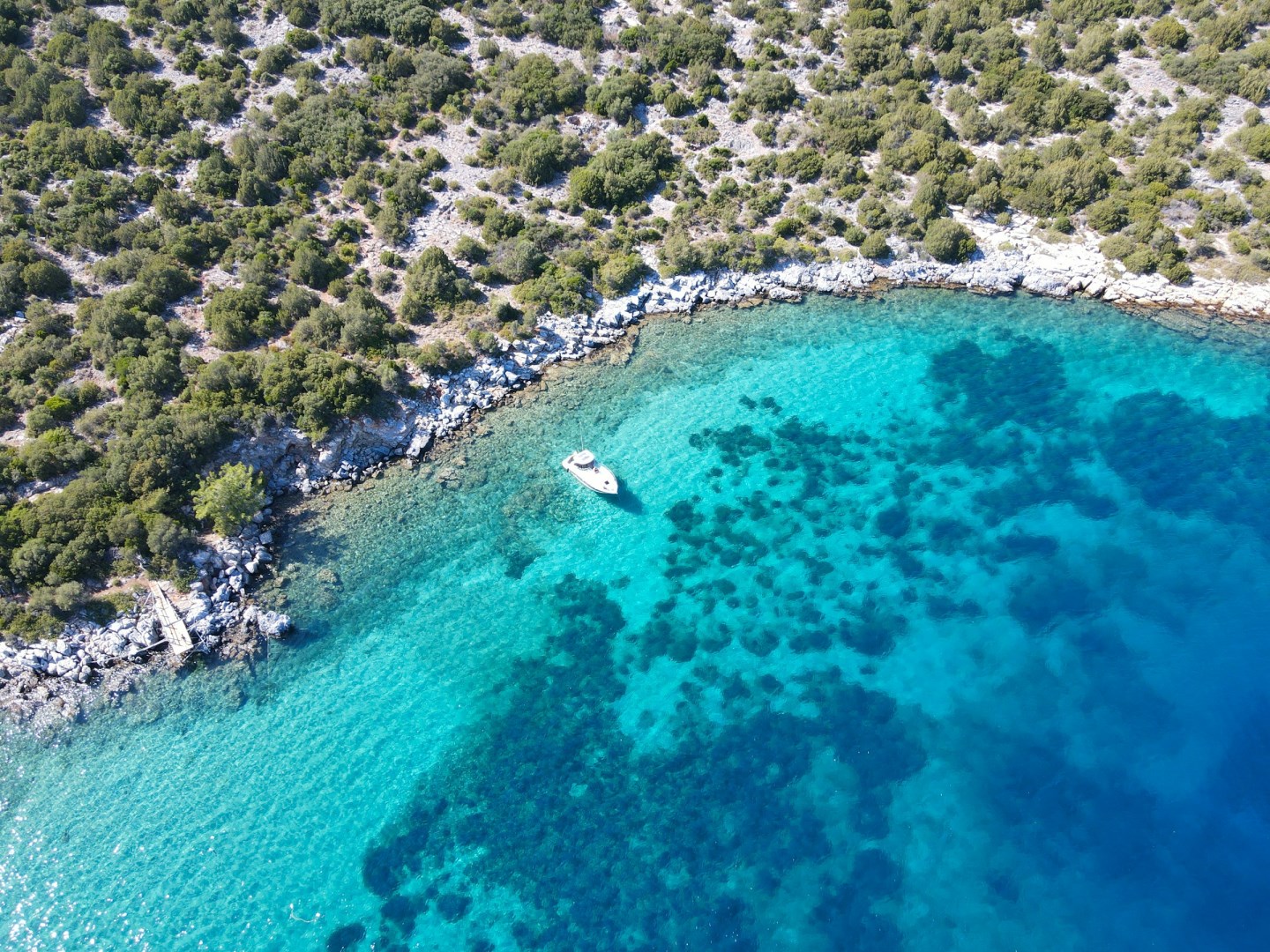
This hilly Aegean island, legendary birthplace of the goddess Hera, rests along a narrow strait across from the Turkish coast. Stroll through the streets of Old Town, lined with Turkish-style houses. Visit the Archarological Museum, housing artifacts from the Hearion, and be sure to view the lighted harbor at night. Also explore the 6th century AD Eupalina Tunnel, an enormous aqueduct built through the mountains to supply the city with water.
Albion
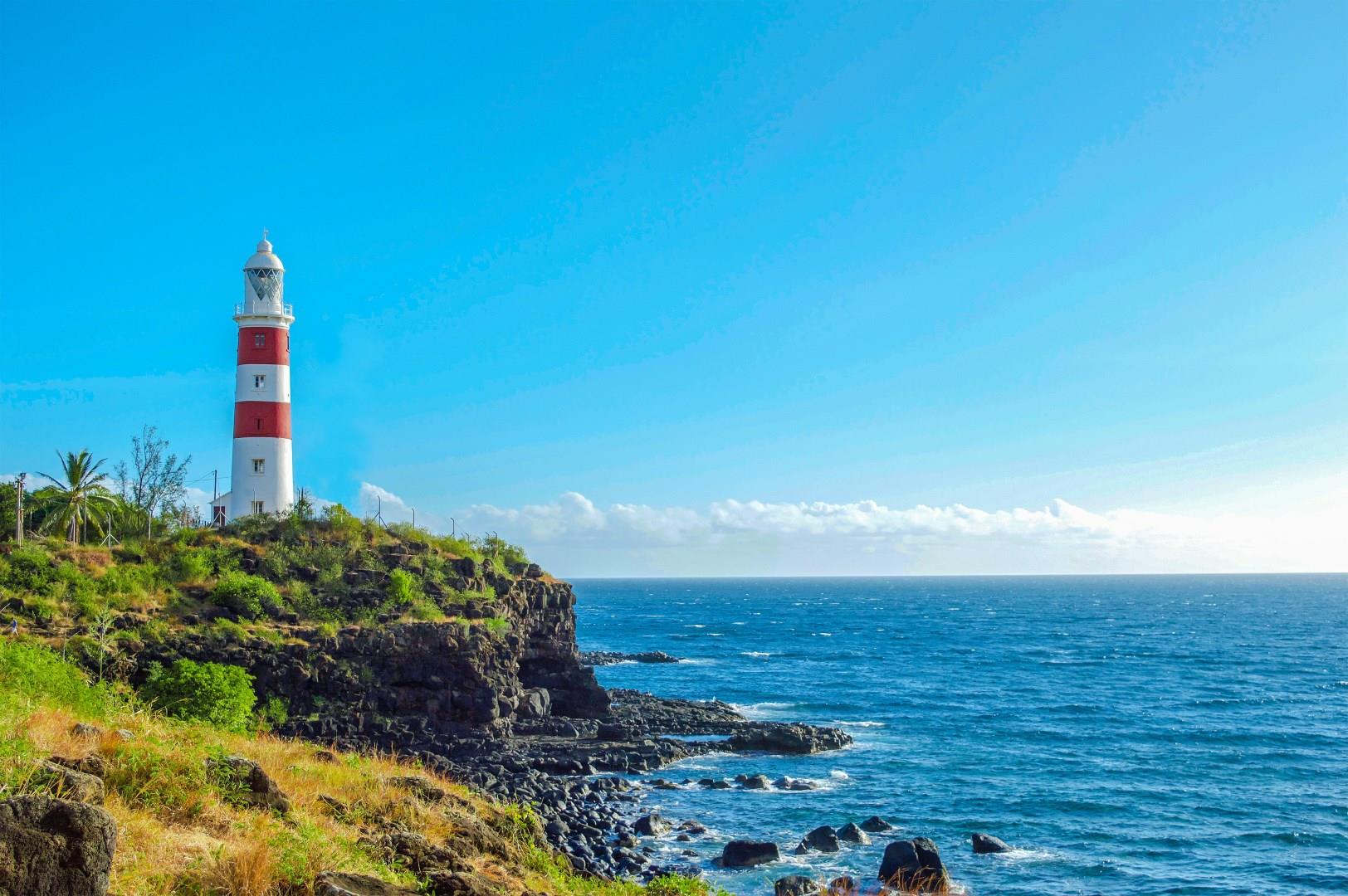
Albion, a small coastal town on the west coast of Mauritius, is known for its peaceful atmosphere and scenic setting by the Indian Ocean. Unlike some of the island’s more crowded resort areas, Albion offers a quieter escape while still showcasing the natural beauty that makes Mauritius a favorite destination.
Hyderabad
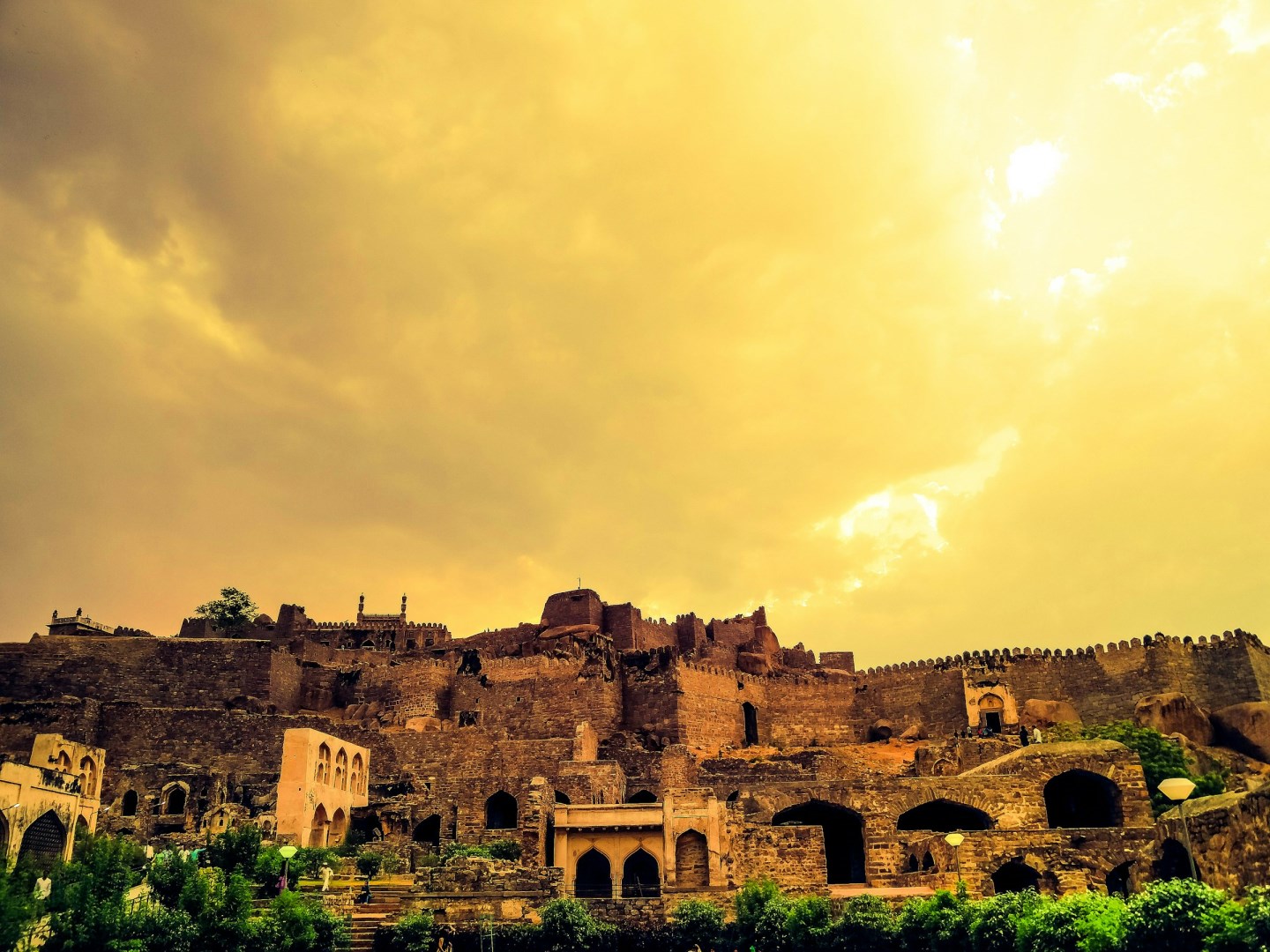
Hyderabad is the capital of Telangana in southern India, built around the Musi River and shaped by a long history of Deccan kingdoms, Islamic architecture, Hindu traditions, and modern technology. The city combines historic neighborhoods with expanding business districts, universities, markets, and residential areas. Its older quarters are centered around landmarks such as Charminar and the Mecca Masjid, while newer Hyderabad is known for its technology and pharmaceutical industries. Granite out

Saxon
Surrounded by dramatic Alpine scenery, Saxon has long been known for its orchards and vineyards, benefitting from the region’s sunny microclimate.