
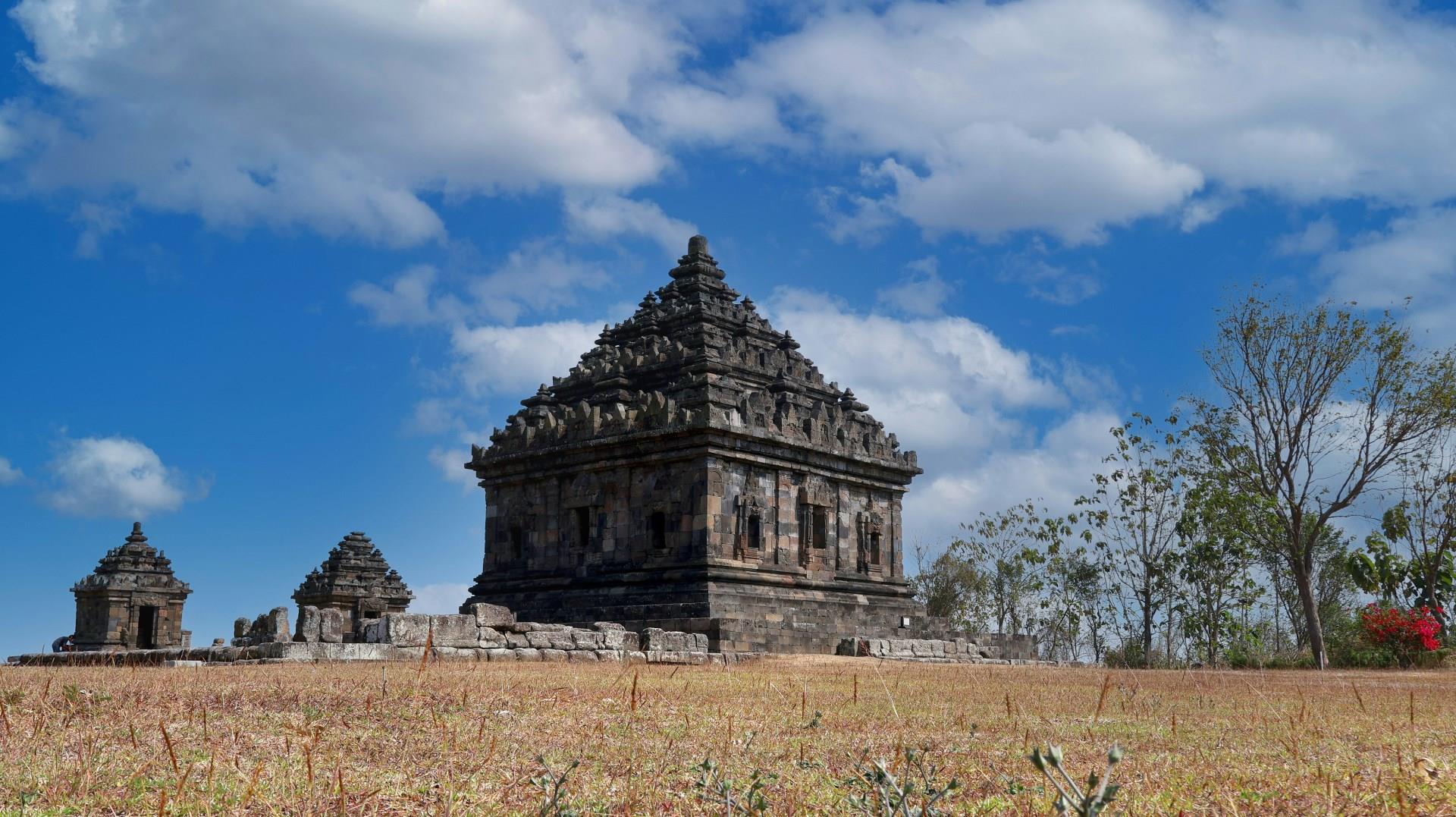
Yogyakarta Java
Yogyakarta, on the island of Java, is often described as Indonesia’s cultural capital, a reputation grounded in living tradition rather than nostalgia. It remains the seat of a functioning sultanate, and the royal palace, or kraton, anchors the city’s identity through ceremonies, crafts, and court arts that continue to shape everyday life. The city also played a key role in Indonesia’s struggle for independence, giving it a strong sense of civic pride and historical awareness.
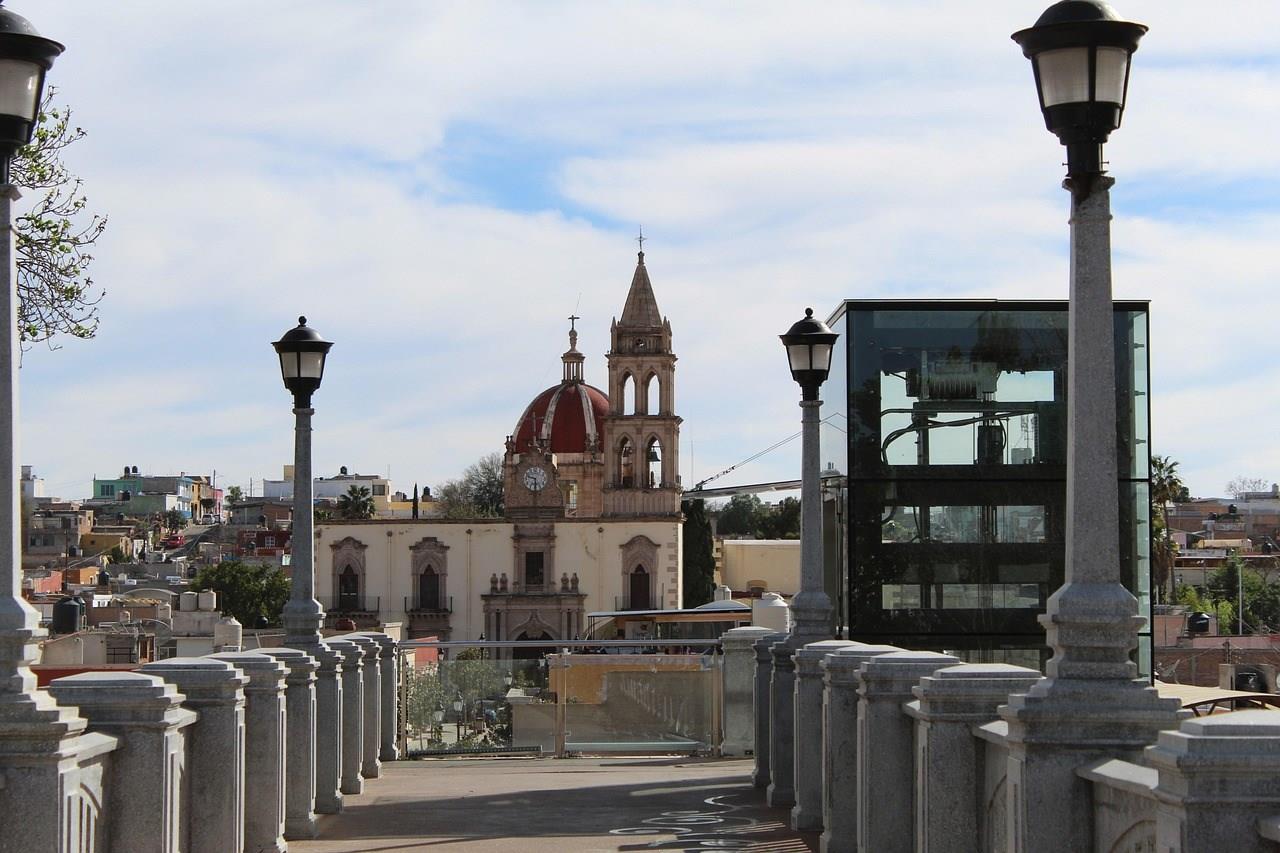
Durango
Victoria de Durango rises on a high plateau Mexico’s Sierra Madre Occidental, founded in 1563 by Francisco de Ibarra. Its streets trace layers of history: the historic center holds the most listed buildings in northern Mexico and remains a notable stop on the Camino Real de Tierra Adentro, now a UNESCO World Heritage route.
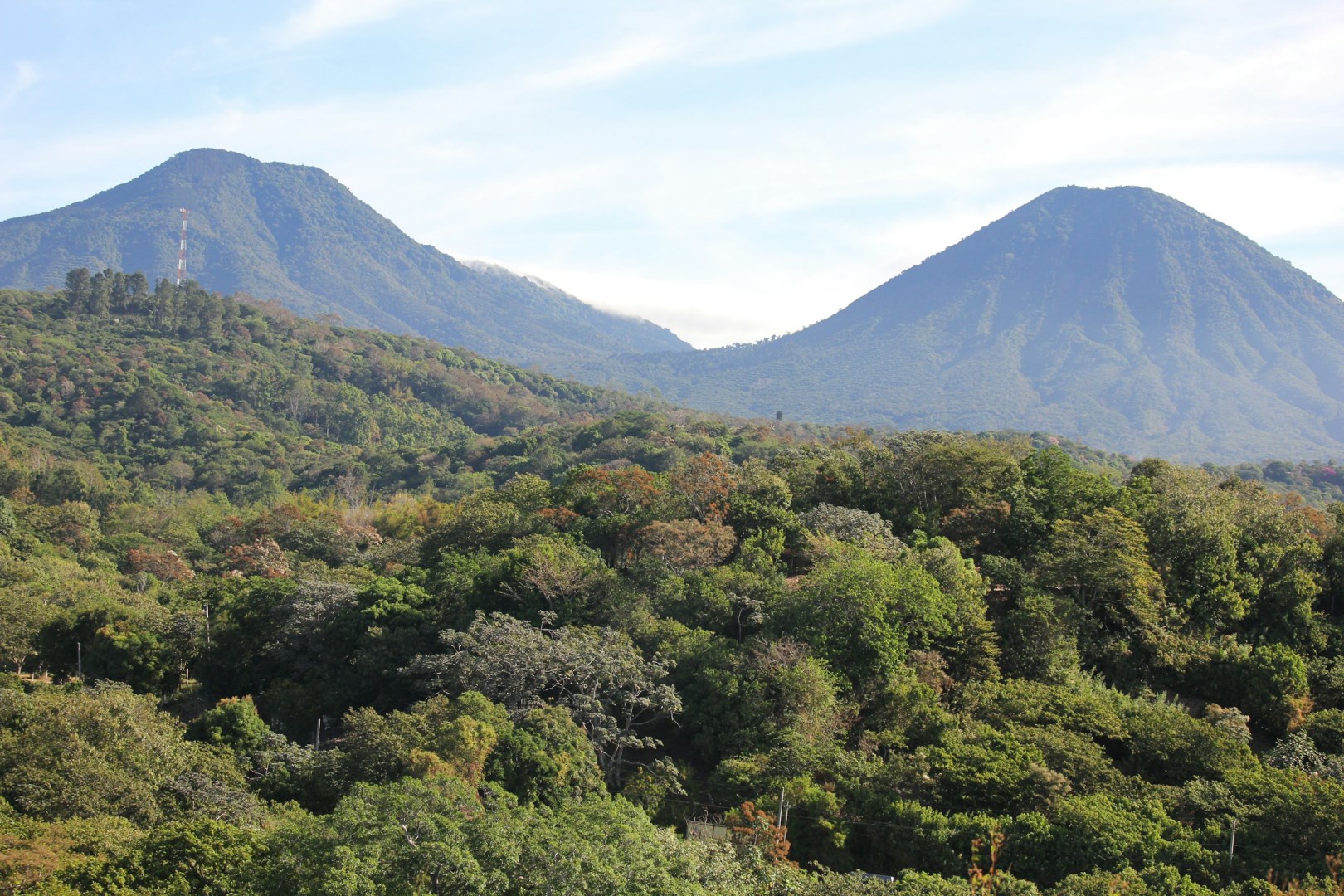
Concepción de Ataco
Concepción de Ataco is a mountain town in western El Salvador, located in the department of Ahuachapán along the Ruta de las Flores. At about 1,260 meters above sea level, it sits among forested hills and coffee plantations, giving the area a cooler climate than the country's lowlands. The town is known for cobblestone streets, colorful murals, traditional buildings, craft workshops, and small cafés.
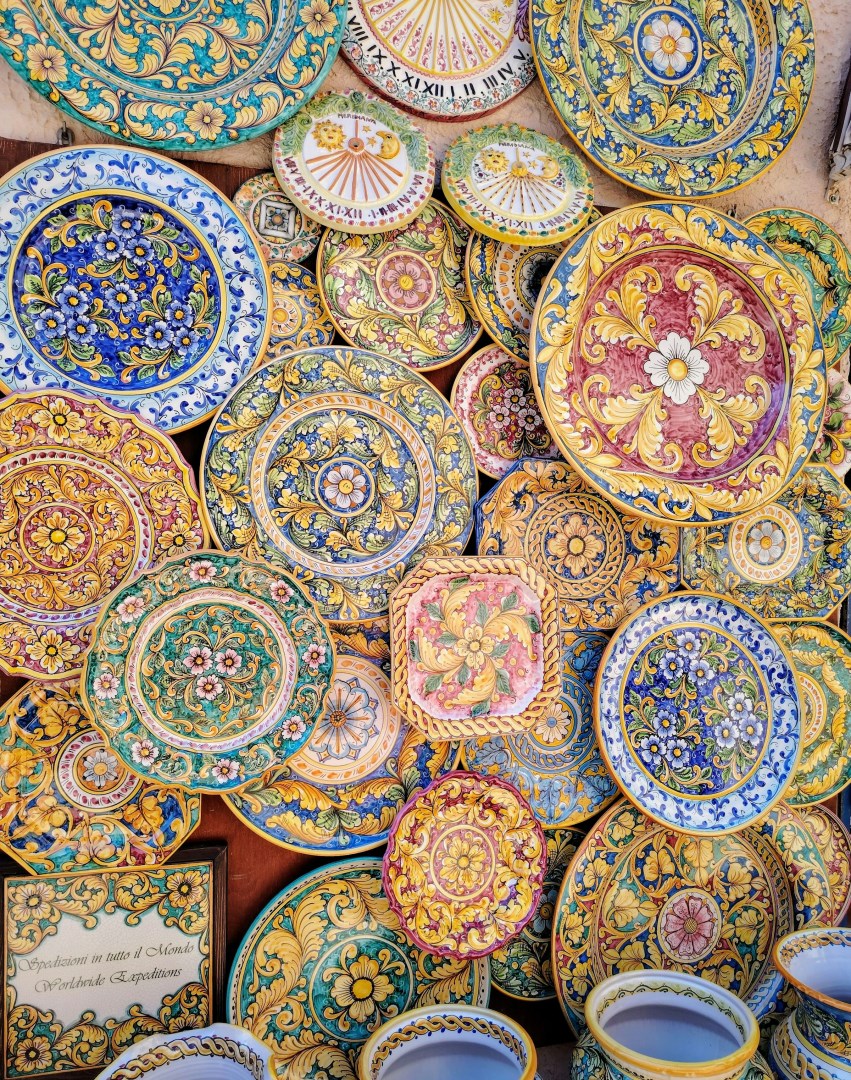
Erice, Sicily
A medieval little town high above the sea with narrow winding streets, little squares and flower-decked courtyards.
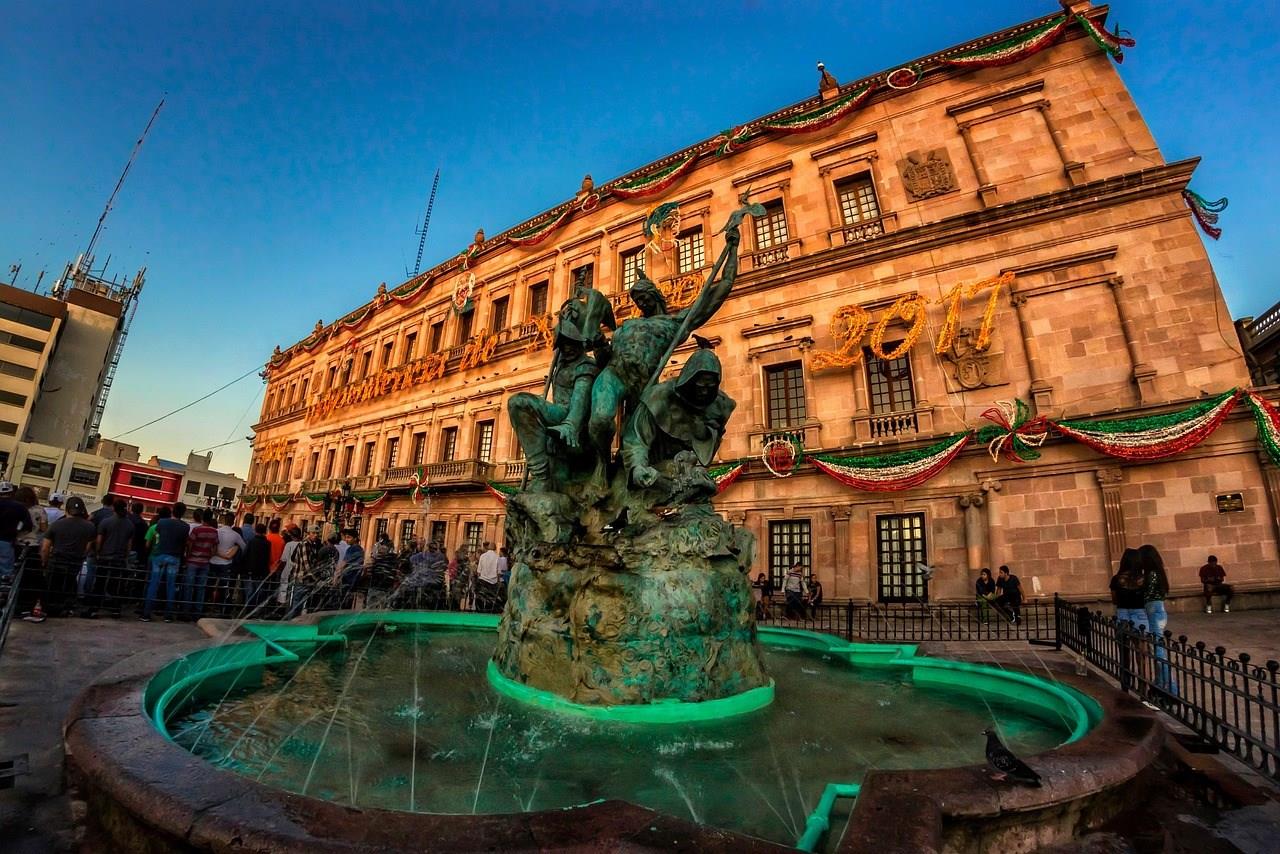
Saltillo
Saltillo, the capital of Coahuila, blends centuries of tradition with a quiet confidence that rewards travelers looking for something different. Founded in 1577, the city’s colonial heritage is on full display in its well-preserved downtown, where the Catedral de Santiago towers above Plaza de Armas. Just steps away, the Alameda Zaragoza park offers shaded paths and fountains, providing a peaceful break between stops at nearby museums.
