
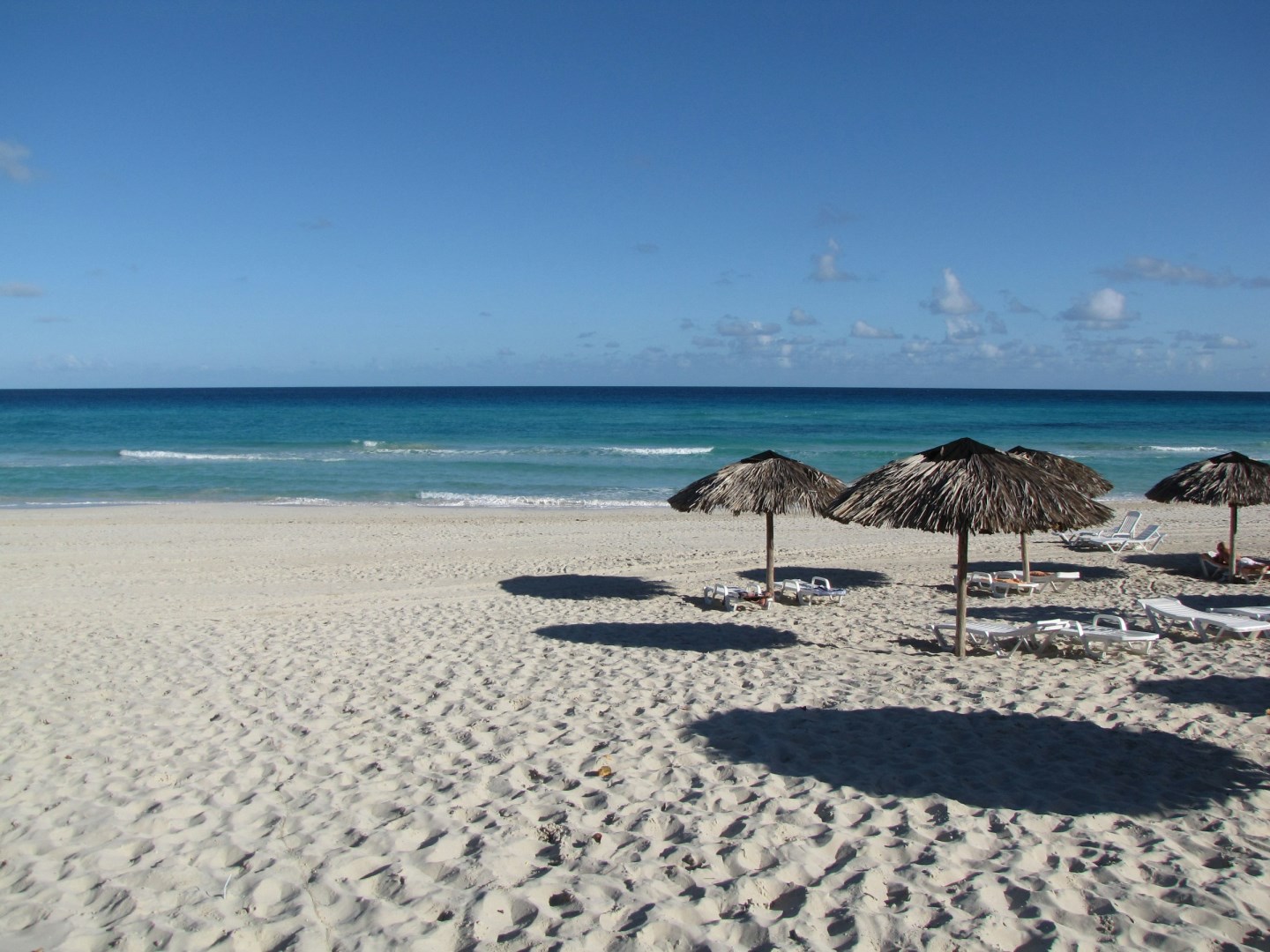
Varadero
Varadero, set along Cuba’s Hicacos Peninsula, is one of the Caribbean’s most renowned beach destinations. Its 20 kilometers of powdery white sand and clear turquoise waters have made it a favorite for relaxation, water sports, and resort stays.

Freycinet National Park
Freycinet National Park, located on the east coast of Tasmania, Australia, is a natural paradise that entices travelers with its dramatic pink granite peaks, secluded bays, and pristine beaches. The park is home to the iconic Wineglass Bay, often touted as one of the world's most beautiful beaches, with its crescent-shaped shore of soft white sand and crystal-clear turquoise waters.
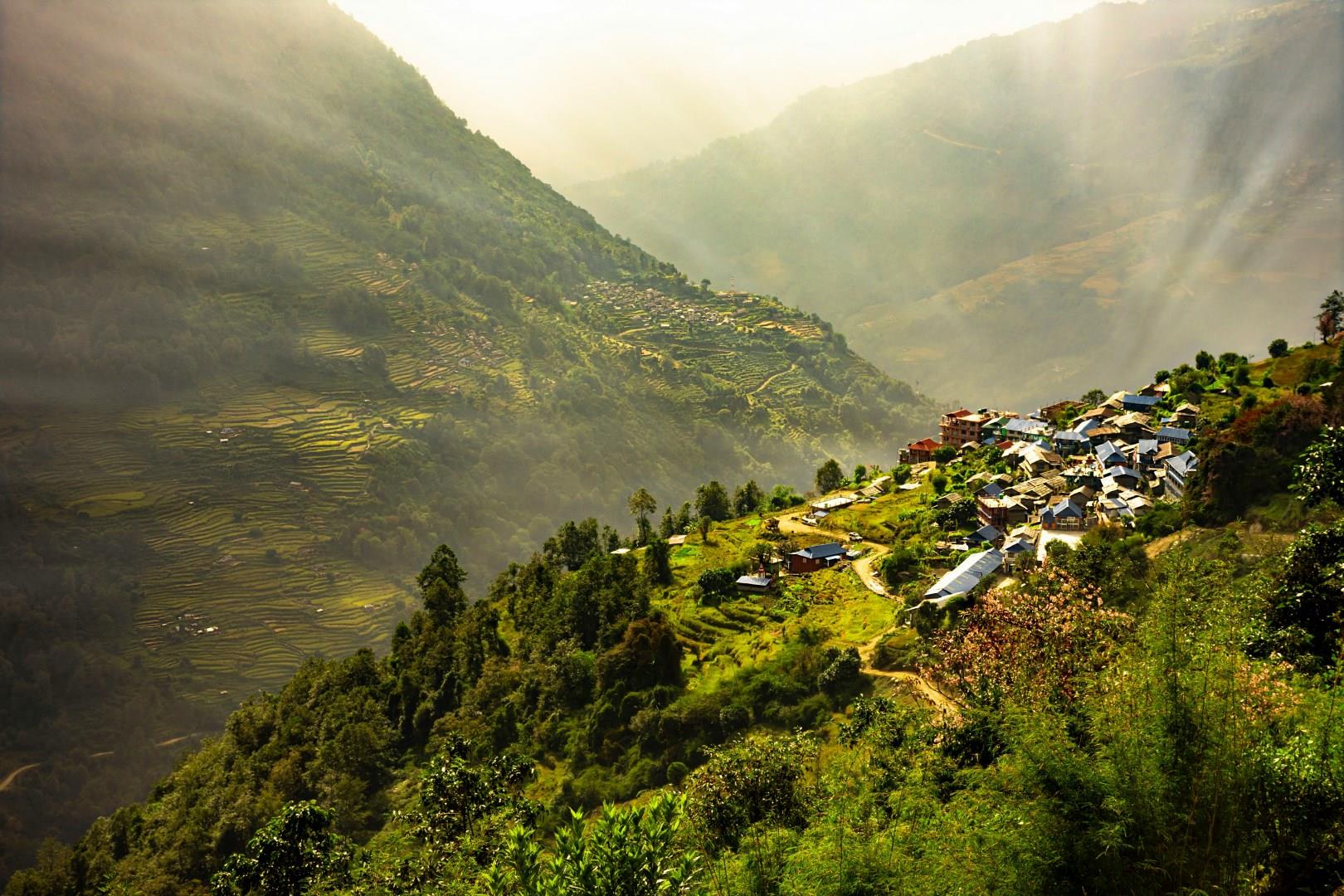
Ulleri
Ulleri is a small village in Nepal, located in the Annapurna region along the popular trekking route to Ghorepani and Poon Hill. It has traditionally served as a resting point for trekkers and local traders, with stone-paved streets and terraced fields reflecting centuries of Himalayan agricultural life.
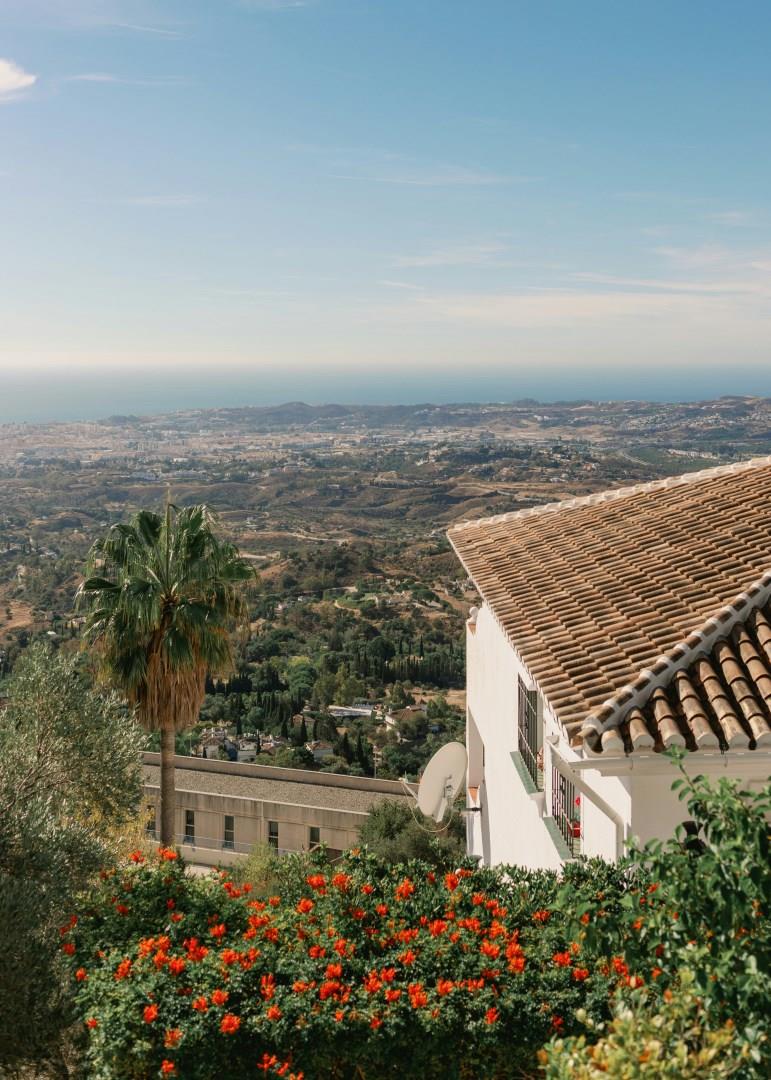
Mijas
Mijas, perched on the hillside above the Costa del Sol, blends centuries of Andalusian tradition with views that stretch across the Mediterranean. The whitewashed buildings of Mijas Pueblo reflect sunlight from narrow cobbled streets that wind through small plazas, each with its own fountain, chapel, or overlook. The town’s layout still follows Moorish-era planning, and remnants of the old wall (La Muralla) offer shaded walks lined with native plants and panoramic views over the coast.
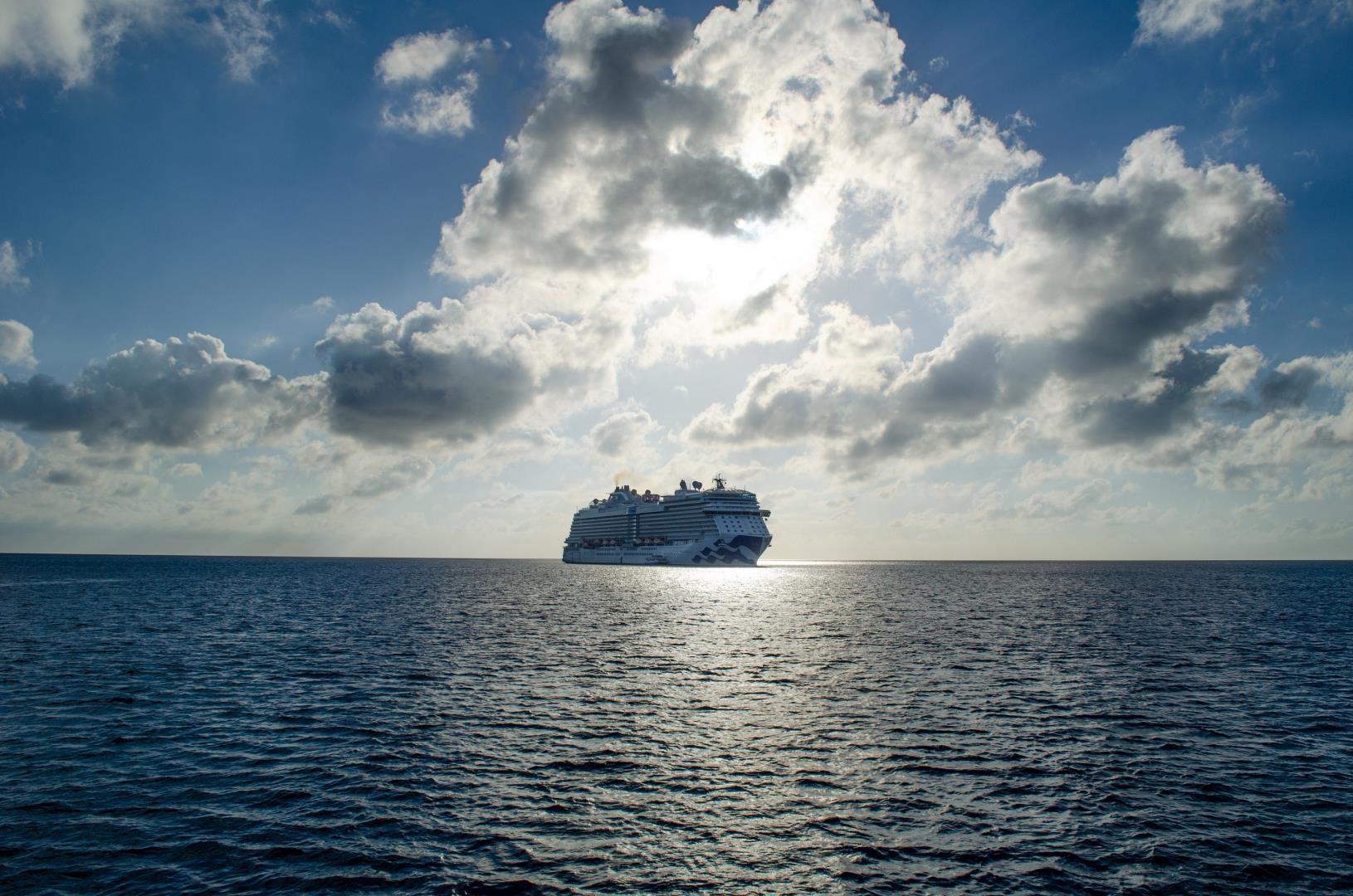
Princess Cays
Princess Cays is a port of call and resort destination exclusive to Princess Cruises. Located in the Bahamas, Princess Cays is a fun and scenic stop with ample opportunity for snorkeling, hiking, and boating.
