
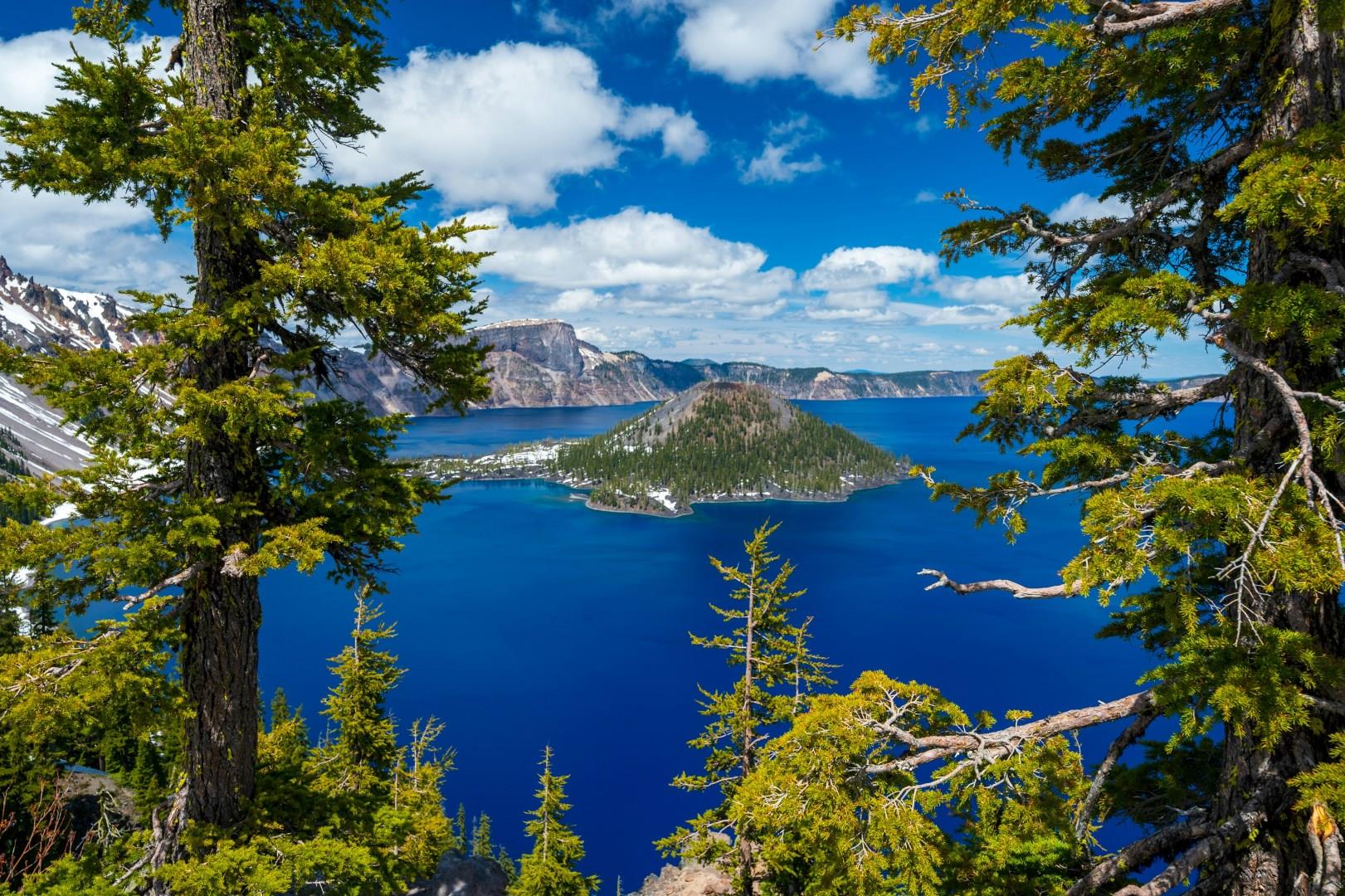
Crater Lake National Park
Crater Lake National Park, Oregon, offers a breathtaking display of natural beauty centered around the deepest lake in the United States. Formed by the collapse of a volcanic caldera, Crater Lake is renowned for its stunningly clear blue waters, which are the result of rain and snowfall filling the caldera. The lake's unique color and clarity are due to its depth and the purity of its water, making it a visual marvel that attracts visitors year-round.

Denmark
Denmark is a country shaped by water, wind, and centuries of human ingenuity. In places like Roskilde, visitors can see five original Viking ships at the Viking Ship Museum and even try rowing a replica longboat across the fjord. In Copenhagen, the harbor once used by merchants and sailors now welcomes swimmers, kayakers, and ferries, with historic warehouses repurposed into restaurants and museums.
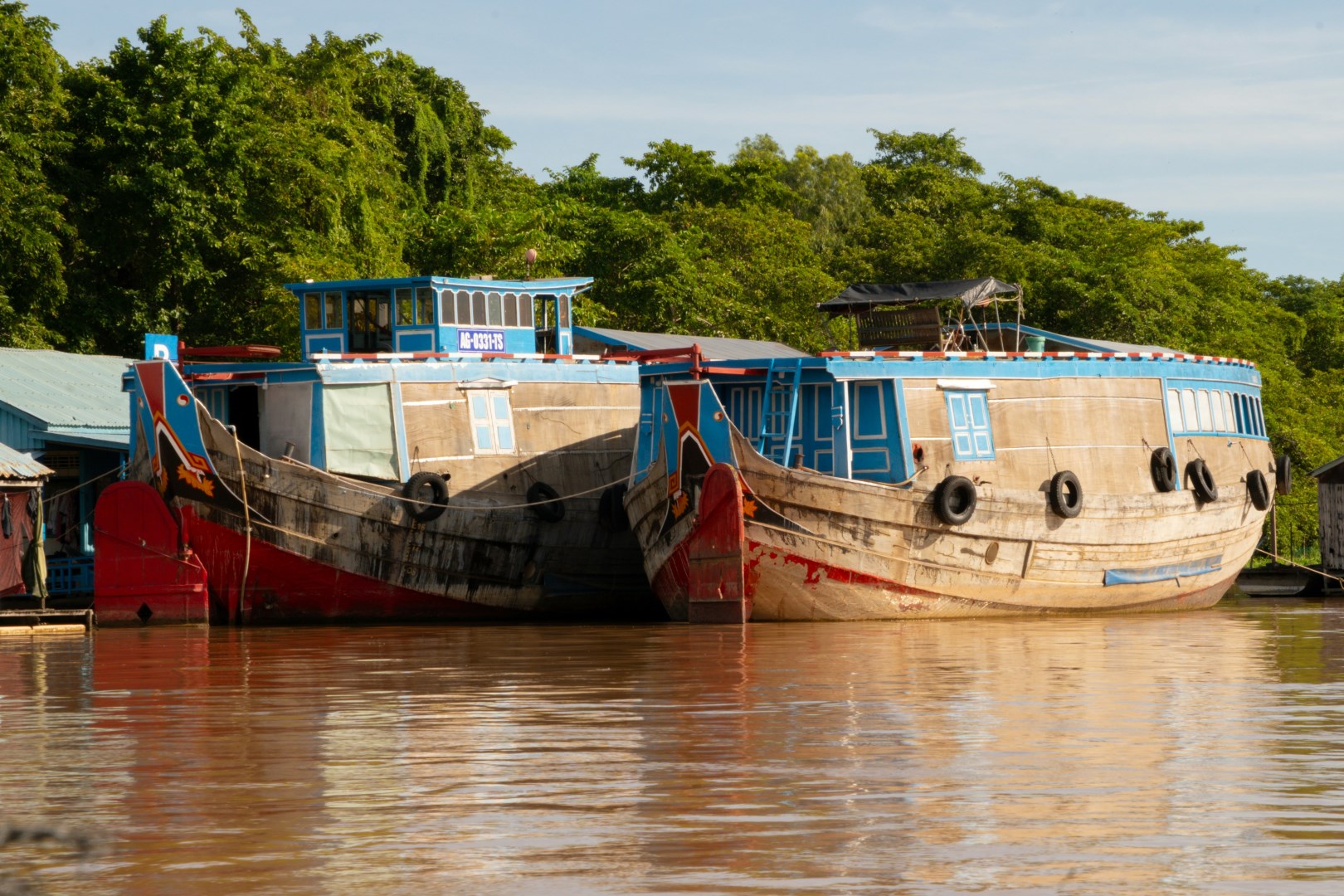
Chau Doc
Chau Doc is a riverside city in Vietnam’s An Giang Province, close to the border with Cambodia and the waterways of the Mekong Delta. The city is known for its floating fish farms, canal networks, and active river trade that connects nearby rural communities.
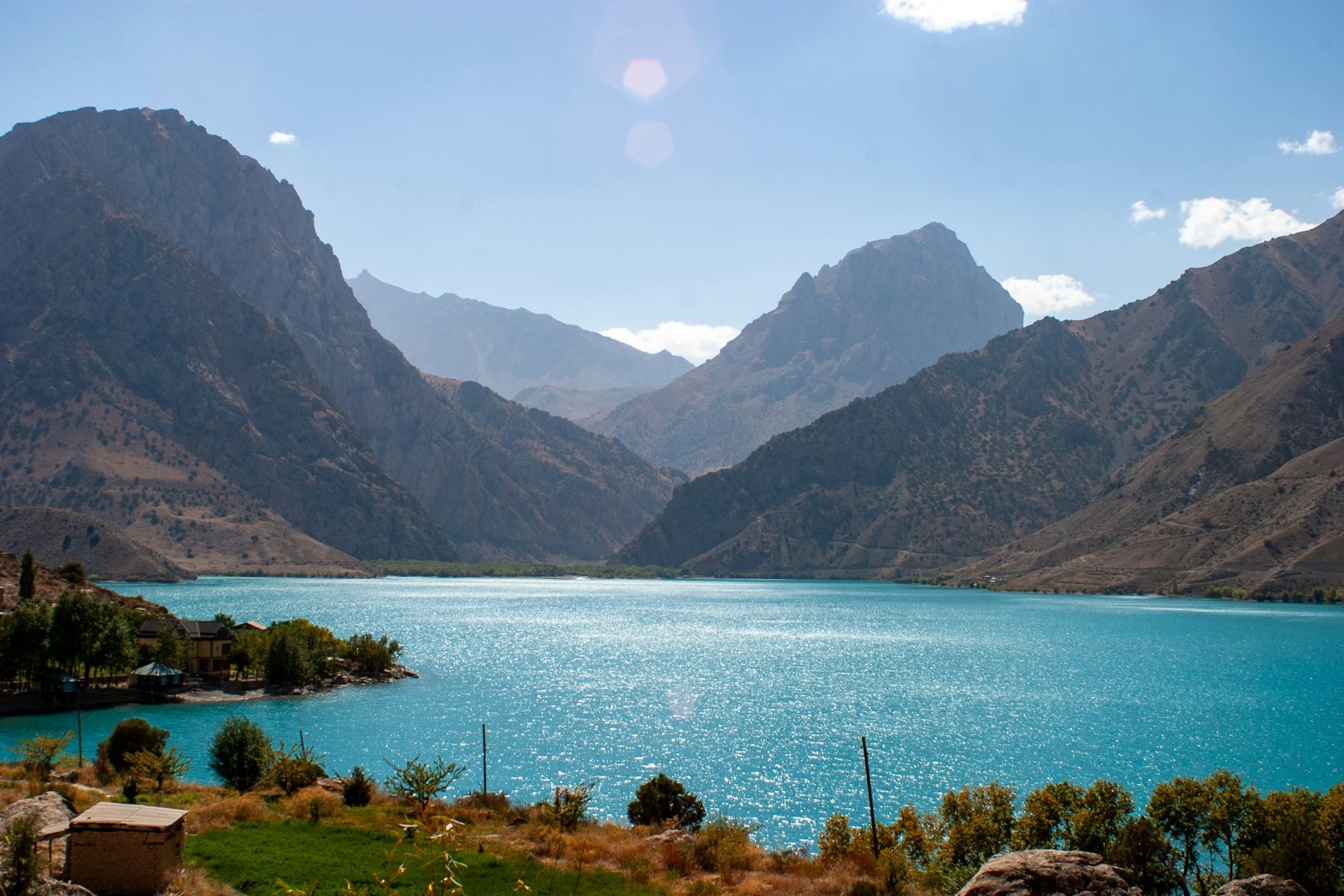
Iskanderkul Lake
Iskanderkul is a mountain lake in western Tajikistan, set in the Fann Mountains of the Sughd Region. The lake occupies a deep basin surrounded by steep, rocky slopes and high peaks, with sparse vegetation covering much of the surrounding terrain. Its waters are fed by mountain streams and drain through the Iskanderdarya River. The lake is named after Alexander the Great, who is associated with several legends connected to the area.
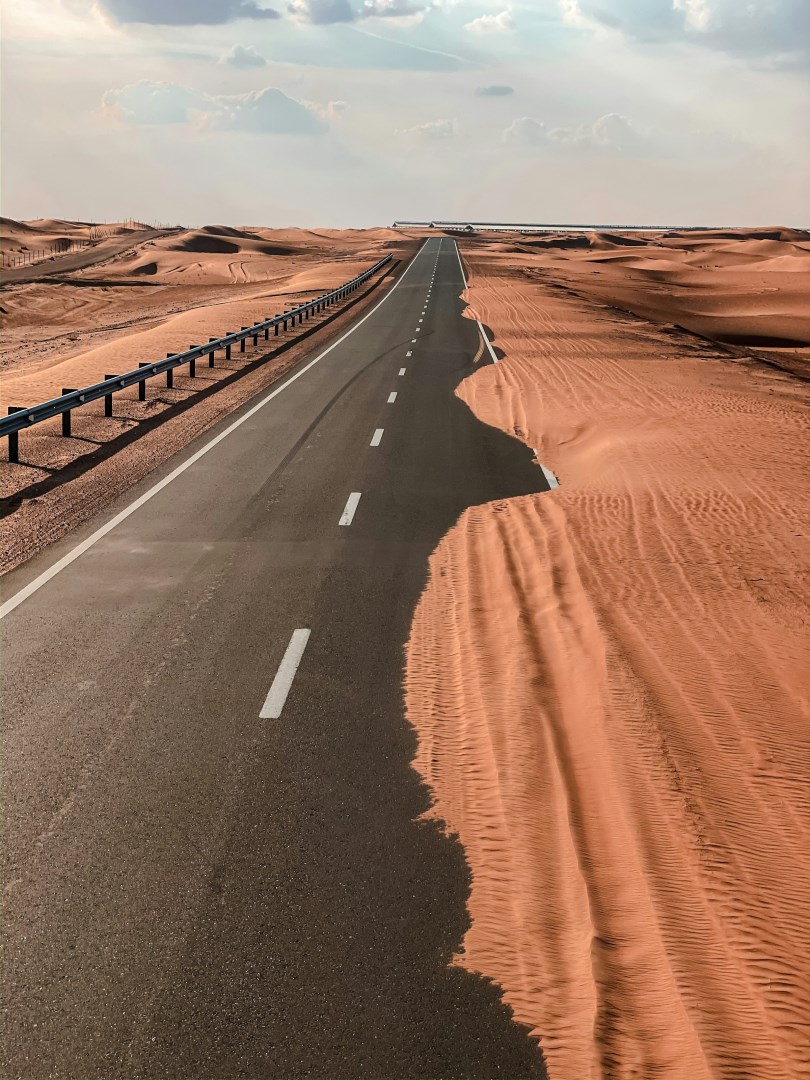
Al Ain
Al Ain is located about 160 km east of Abu Dhabi, and has its own international airport, which opened in 1994. Its many attractions include camel races, ancient forts, a zoo, museums, and the Jabal Hafit Mountain.
