

Agropoli
Agropoli is a coastal town in Campania’s Cilento area, built around a rocky promontory overlooking the Tyrrhenian Sea. Its historic center rises above the waterfront and is reached through the Porta di Agropoli, a stone gateway leading into a network of narrow lanes and steps. The town combines a working harbor and beaches with an elevated old quarter, creating a landscape shaped by both maritime activity and hilltop settlement.

Messina, Sicily
Messina sits on the northeastern tip of Sicily, facing the narrow Strait of Messina. Its position has long made it a key port connecting the island to mainland Italy. The city is shaped by its harbor, hillside neighborhoods, and views across the water toward Calabria. Messina stands out for its role as a gateway, with active ferry routes and a layout that blends rebuilt urban areas with historic landmarks and coastal scenery.

Walvis Bay
Walvis Bay, set along Namibia’s Atlantic coast, is a vibrant port town where desert and ocean converge in striking contrast. Once under German and later South African administration, the bay has long been valued for its deep natural harbor, which remains central to Namibia’s fishing and shipping industries today.

Bar
Bar, a coastal town in Montenegro, is known for its scenic beaches and centuries-old landmarks. One of the town’s most significant historical sites is Stari Bar, an ancient fortress settlement set against the dramatic backdrop of Mount Rumija.
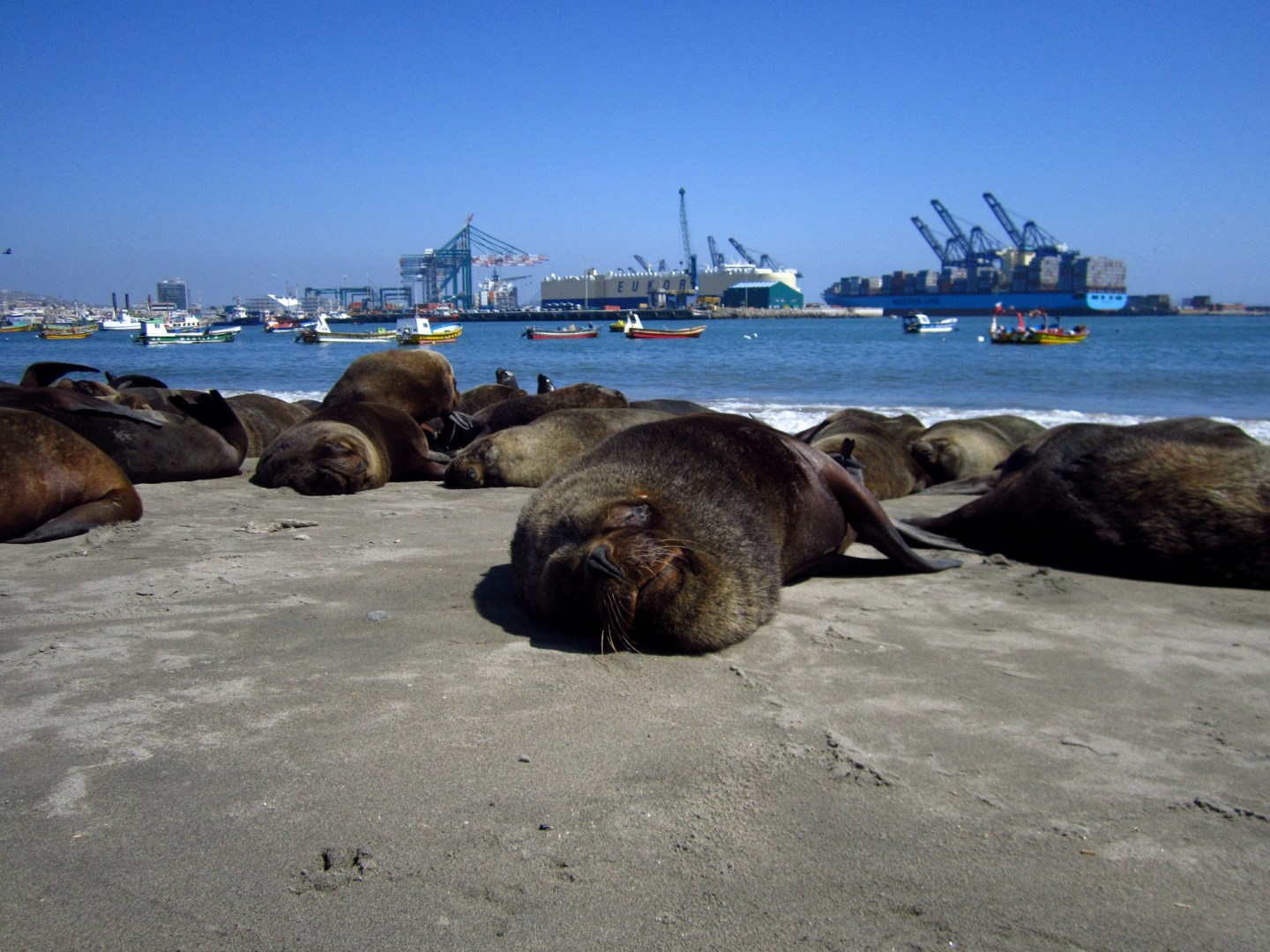
San Antonio
San Antonio, a coastal city in central Chile, offers a delightful blend of maritime charm and cultural vibrancy. Known for its bustling port and picturesque waterfront, San Antonio provides a gateway to the scenic beauty of the Chilean coast. The city's port is one of the most important in the country, making it a hub of activity and a key spot for experiencing Chile's maritime heritage
