

Calgary
Calgary, set against the backdrop of Alberta’s prairie landscape and the distant Canadian Rockies, is a city where western heritage and modern innovation meet. Once a hub for cattle ranching and the oil industry, it has grown into one of Canada’s most dynamic urban centers.

Dominica
Dominica, known as the “Nature Island of the Caribbean,” is a haven for eco-tourists and adventure seekers. Nestled between the French islands of Guadeloupe and Martinique, this lush island boasts a remarkable landscape of volcanic mountains, dense rainforests, and stunning waterfalls. Dominica’s most iconic natural wonder is the Boiling Lake, the second-largest hot spring in the world.
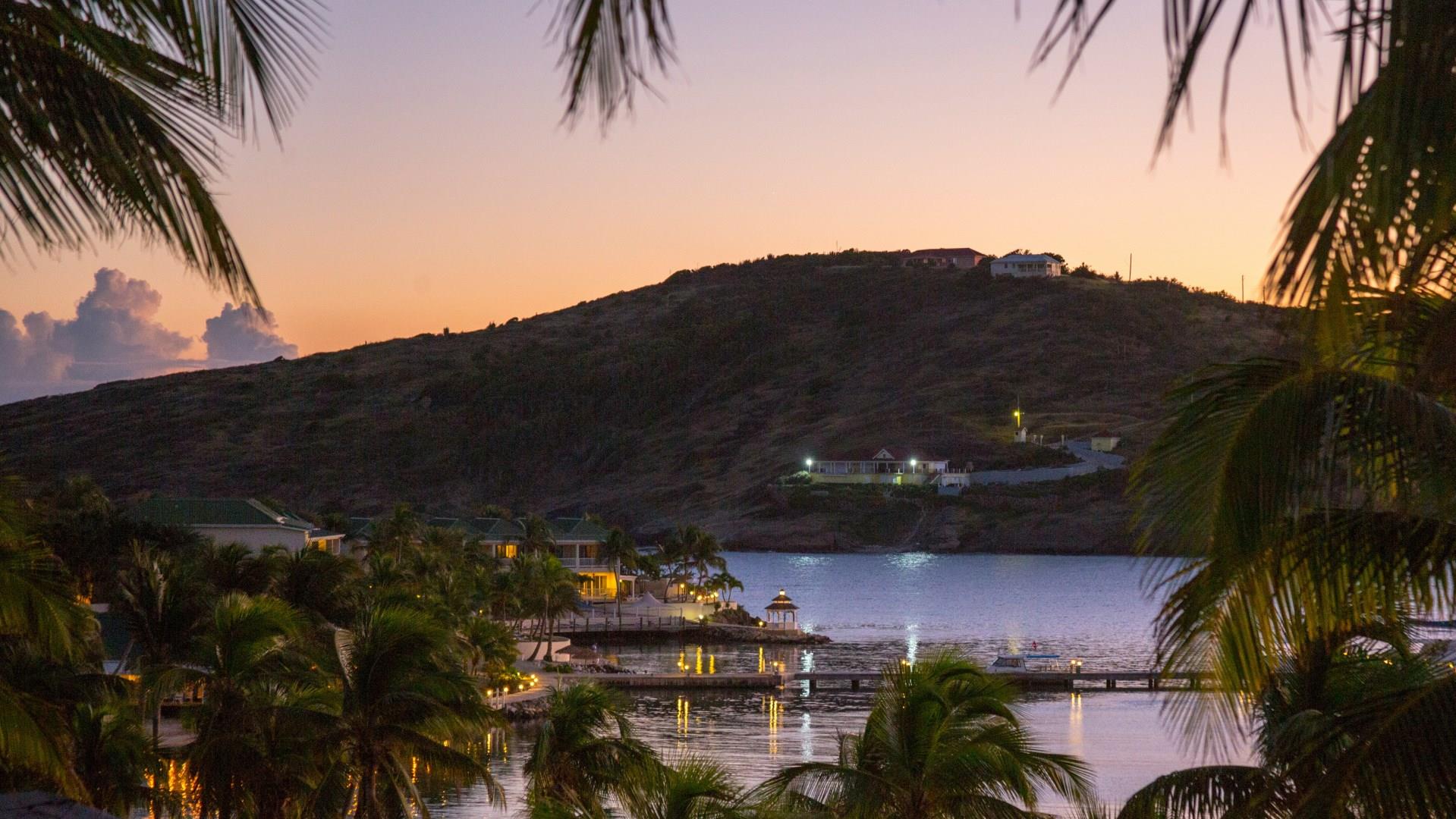
Mamora Bay
Mamora Bay, tucked into Antigua’s southern coastline, is a serene crescent-shaped bay framed by gentle hills and swaying palms. Known for its calm, sheltered waters, the bay offers a tranquil setting that contrasts with the island’s more rugged Atlantic side.

Cairo
Upon the banks of the mighty Nile River, the renowned city of Cairo stands tall as an iconic world capital and a well-preserved relic of antiquity. Immerse yourself in this historically significant city, replete with architectural wonders, mesmerizing artifacts, and sprawling markets humming with energy.
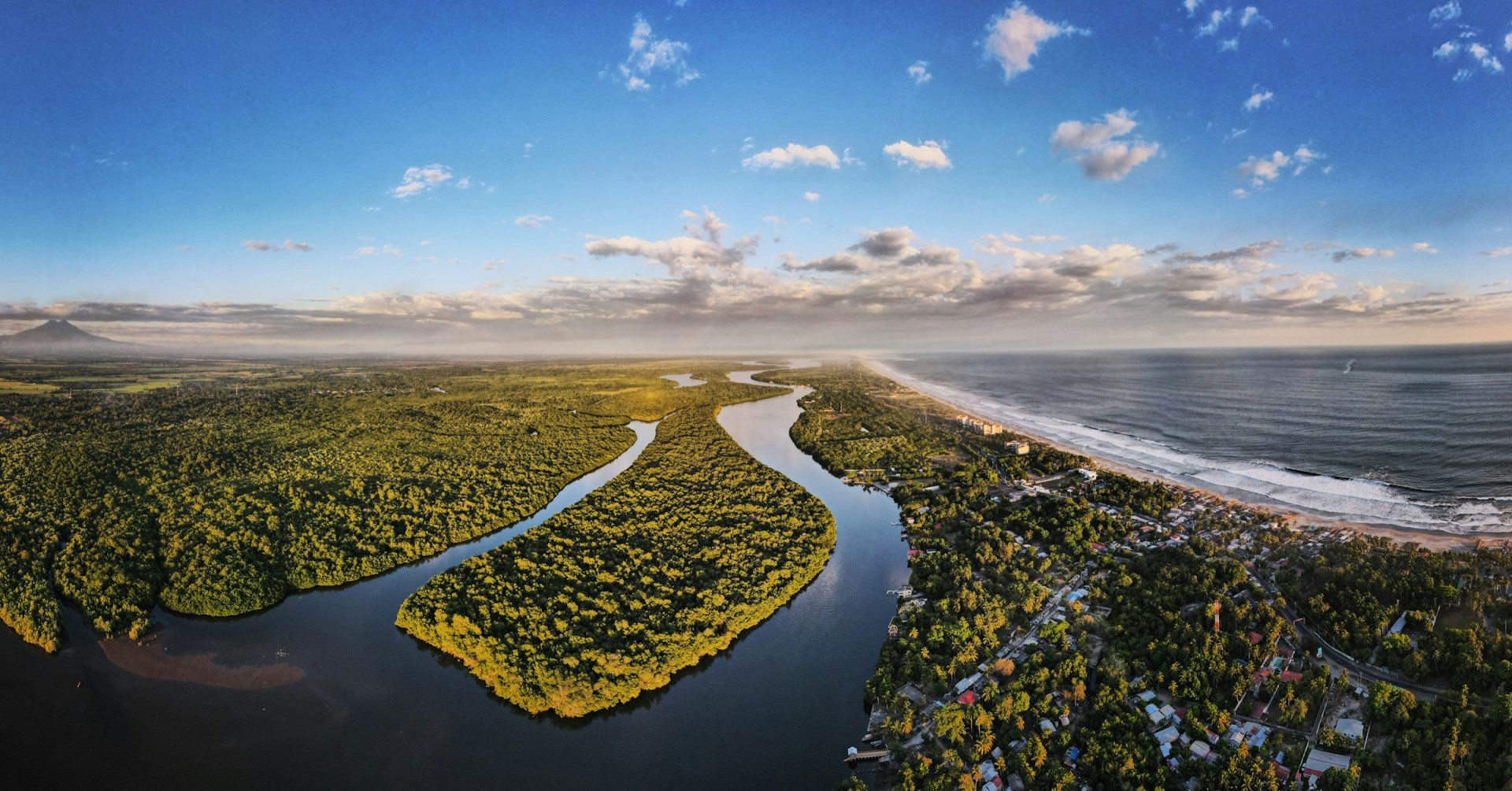
El Salvador
El Salvador, the smallest country in Central America, carries a big presence with its blend of history, culture, and dramatic landscapes. Known as the “Land of Volcanoes,” it has more than twenty within its borders, some of which remain active and shape the country’s terrain.
