
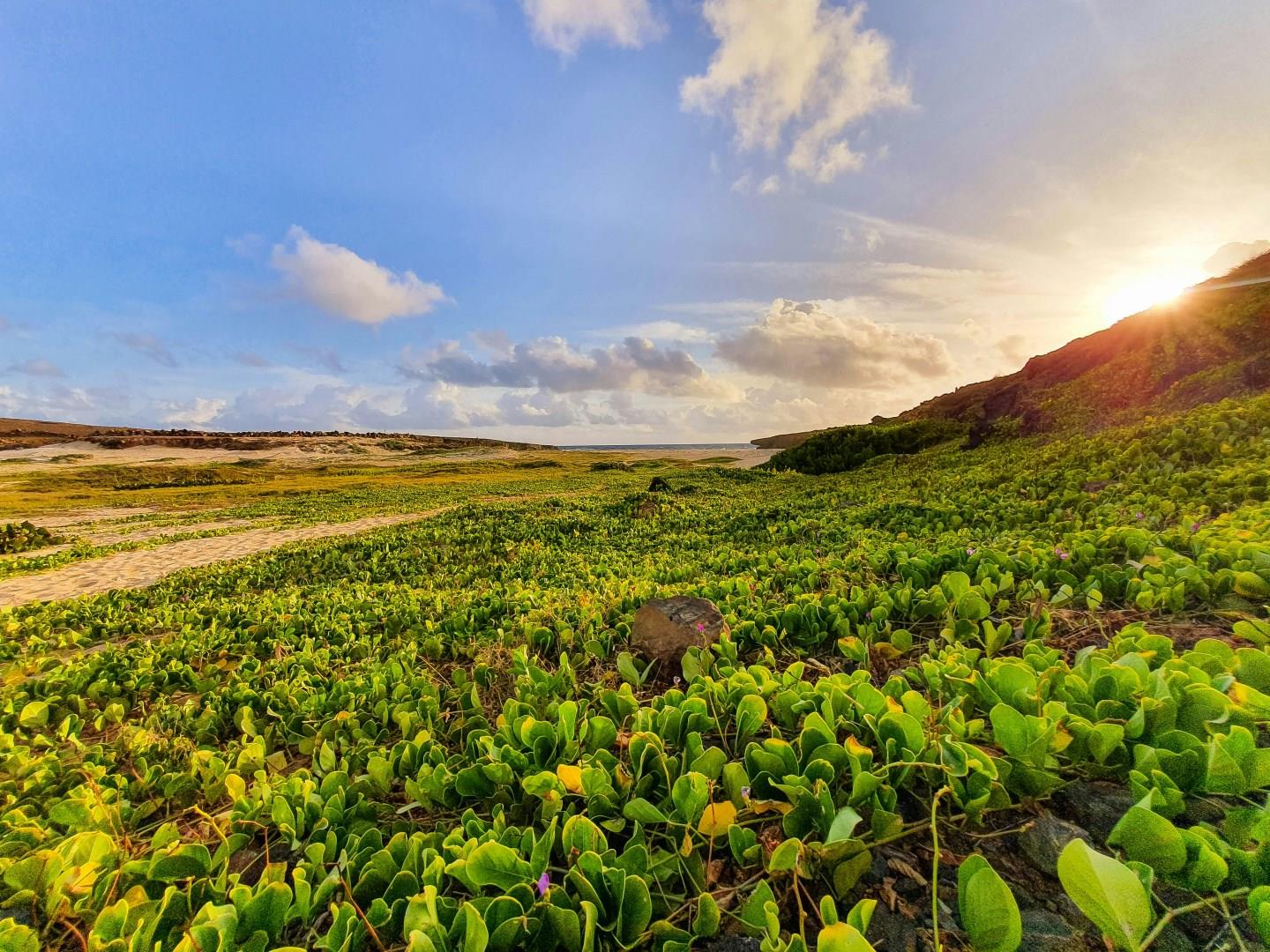
Santa Cruz
Santa Cruz, located in the heart of Aruba, is a gateway to the island’s rugged landscapes and natural wonders. Unlike the coastal resort towns, this inland community offers a more authentic glimpse of everyday Aruban life while placing visitors close to some of the island’s most iconic outdoor attractions.
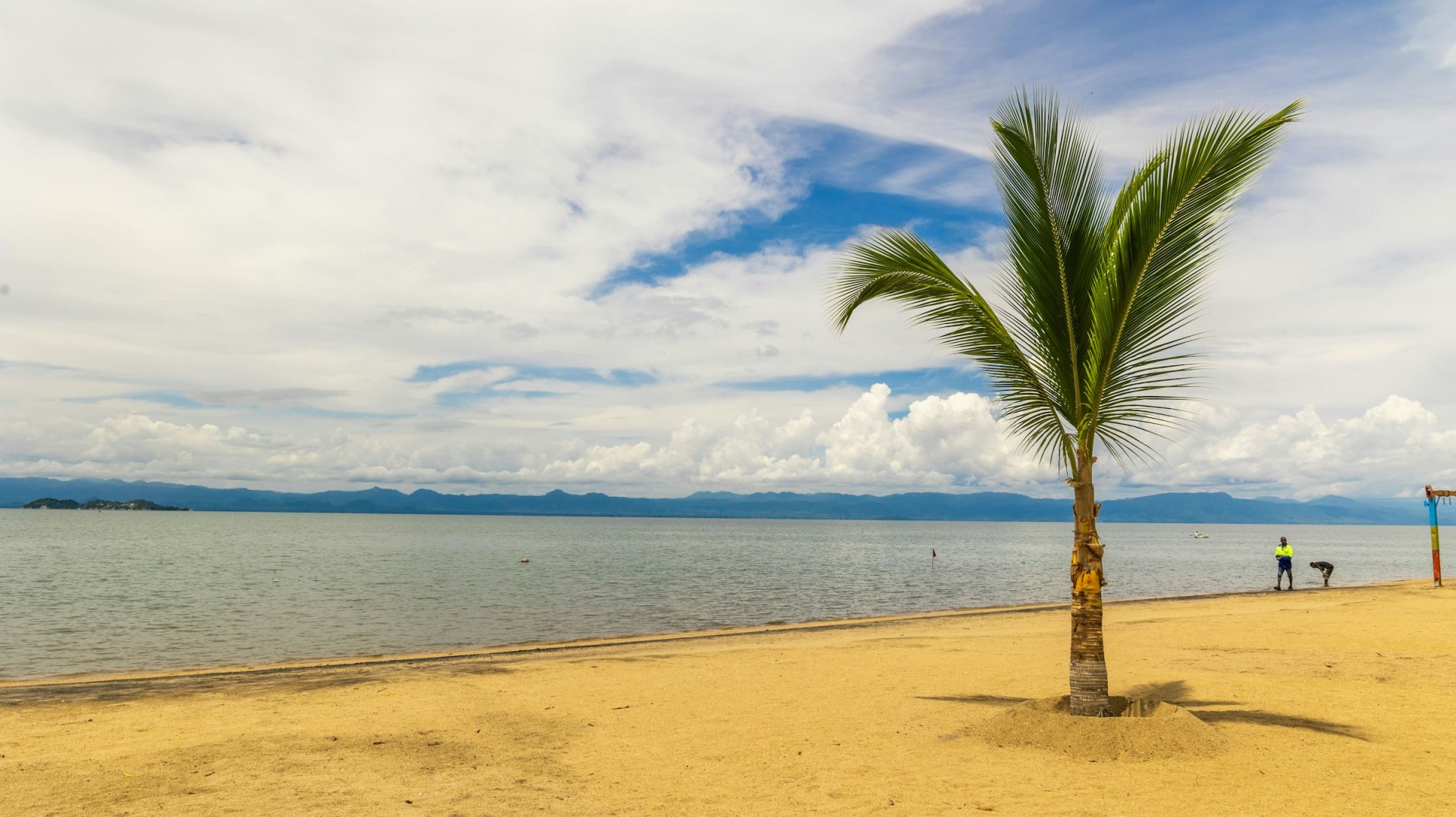
Mangochi
Mangochi is a town in southern Malawi positioned near the point where Lake Malawi narrows into the Shire River. Its location has made it an important centre for trade, fishing, transport, and commerce in the southern lakeshore region. The town has a busy market and provides a useful base for exploring the surrounding lakeshore, river landscapes, and nearby wildlife areas.
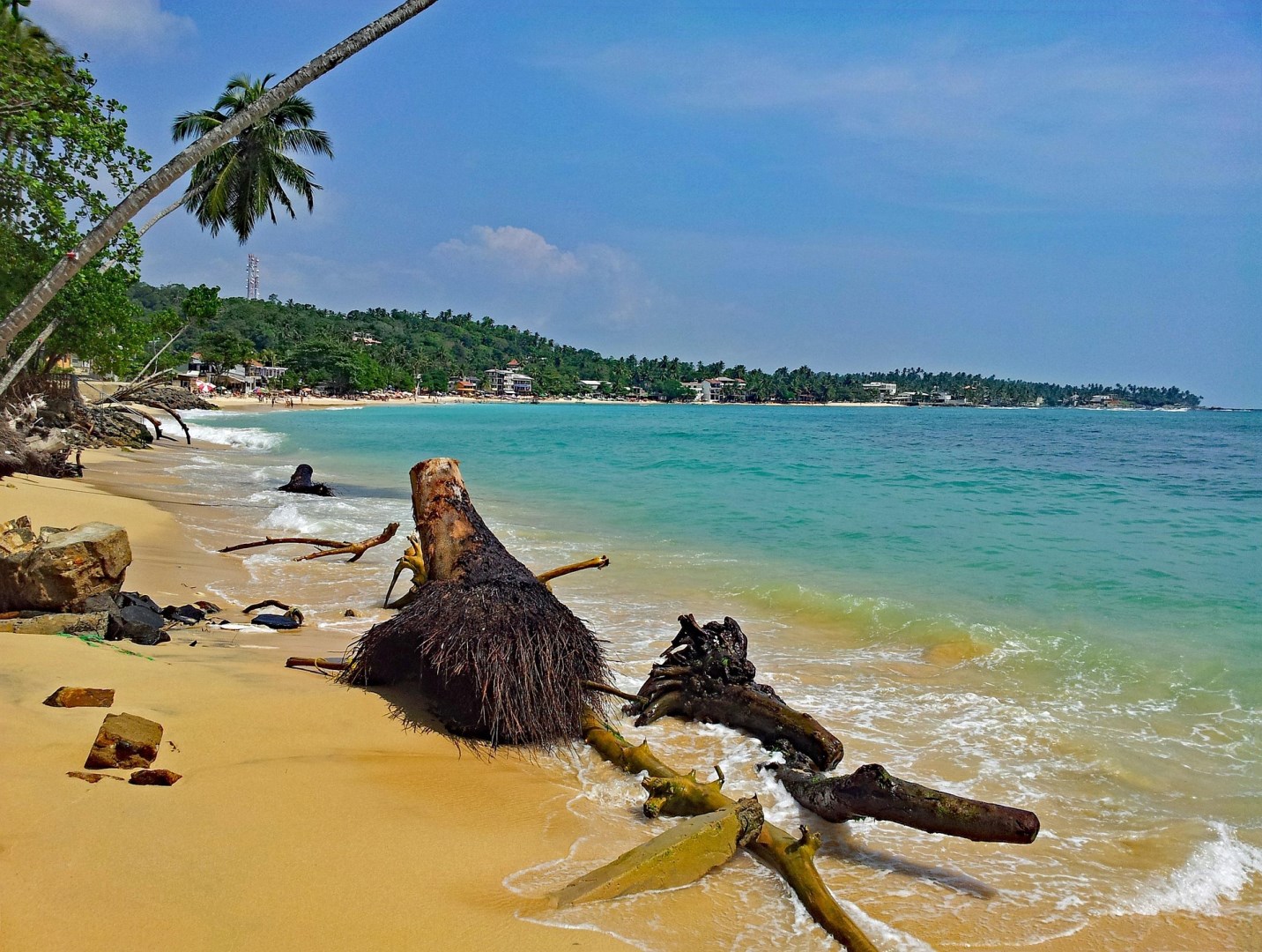
Unawatuna
Unawatuna lies along Sri Lanka’s southern coast, shaped by maritime trade, colonial encounters, and a long relationship with the sea. Once a small fishing village, it developed near historic Galle and reflects layers of Portuguese, Dutch, and British influence that passed through the region.
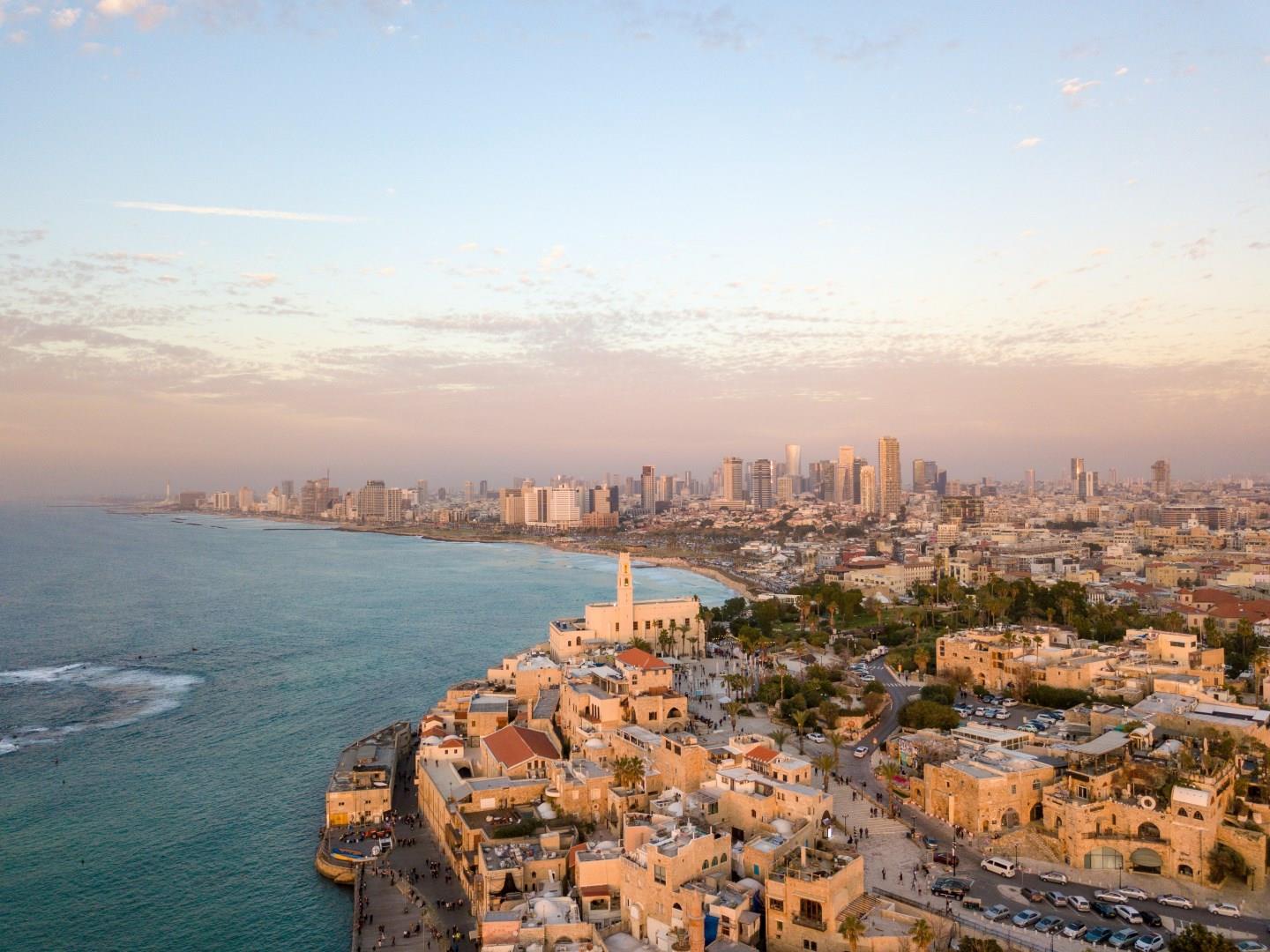
Tel Aviv
Tel Aviv began in 1909 as a new neighborhood beside the ancient port of Jaffa. The city is now home to the largest cluster of Bauhaus-style buildings in the world which earned UNESCO recognition for its early 20th-century urban planning. Visitors can explore those structures on guided architectural walks through streets like Rothschild or Dizengoff.
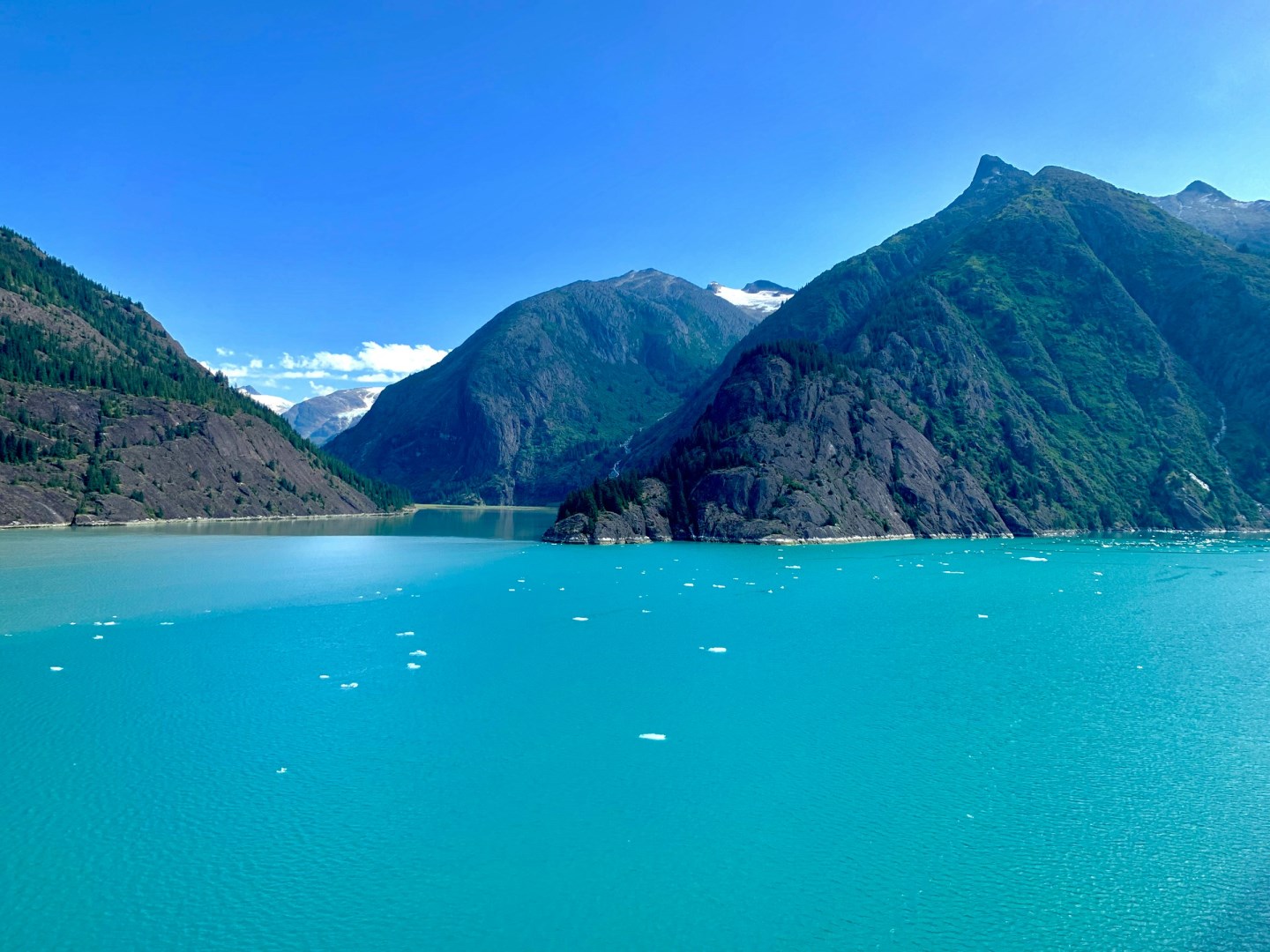
Hoonah
Hoonah, located on Chichagof Island in southeastern Alaska, is a small coastal community surrounded by breathtaking wilderness and rich Tlingit heritage. As Alaska’s largest Tlingit village, Hoonah is deeply connected to Indigenous traditions, storytelling, and respect for the natural world.
