
Bend
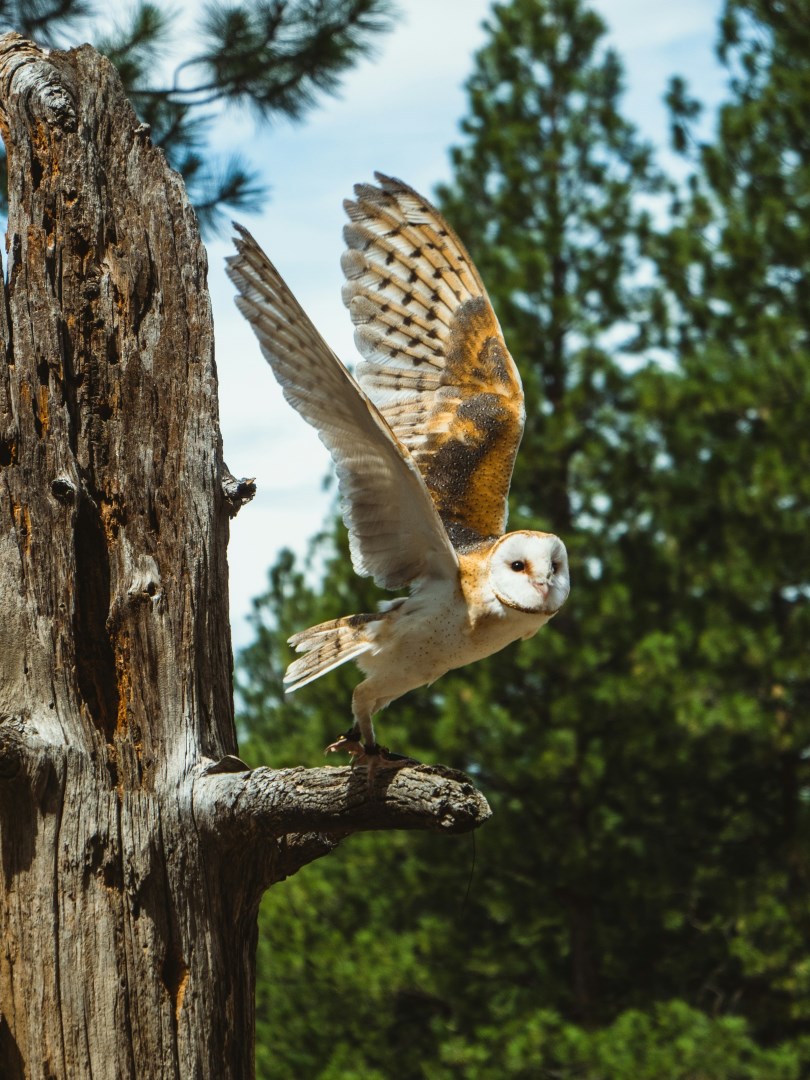
Central Oregon. Nestled along the Deschutes River, Bend is renowned for its outdoor activities and vibrant culture. The city is a haven for outdoor enthusiasts, offering year-round opportunities for hiking, biking, and skiing. The nearby Mount Bachelor, a popular ski resort, transforms into a winter wonderland with over 4,000 acres of skiable terrain. In the warmer months, it serves as a hub for mountain biking and hiking, with trails that cater to all skill levels.
Cape Tribulation
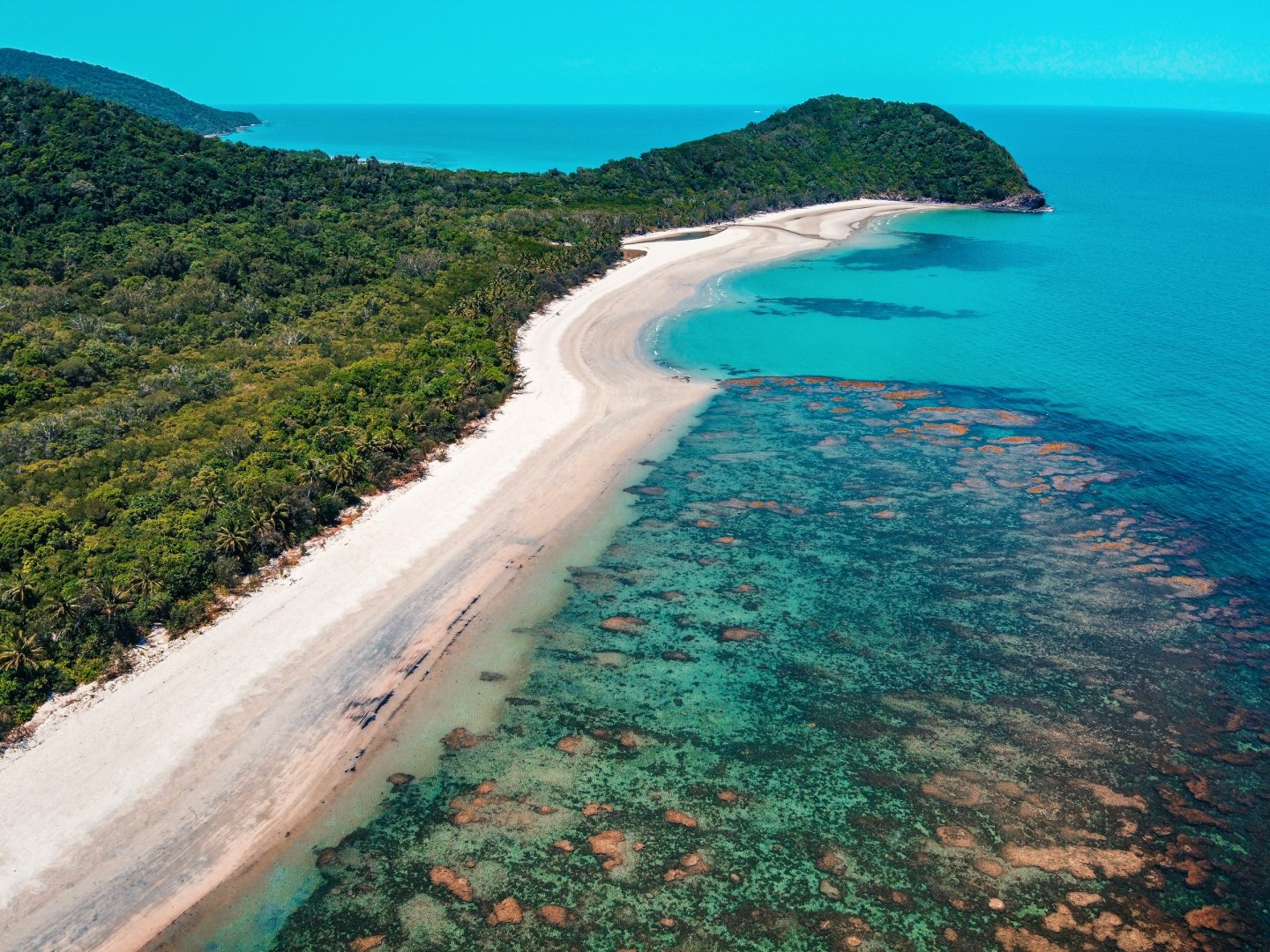
The largest virgin tract of rainforest in Australia (and the second largest in the world), this lush, tropical World Heritage area is a living testimonial to the ancient rainforests which once covered the earth's surface. Cool forest streams, primitive rainforests, stunning mountain scenery and abundant wildlife - a naturalists and bird watchers paradise.
Dania
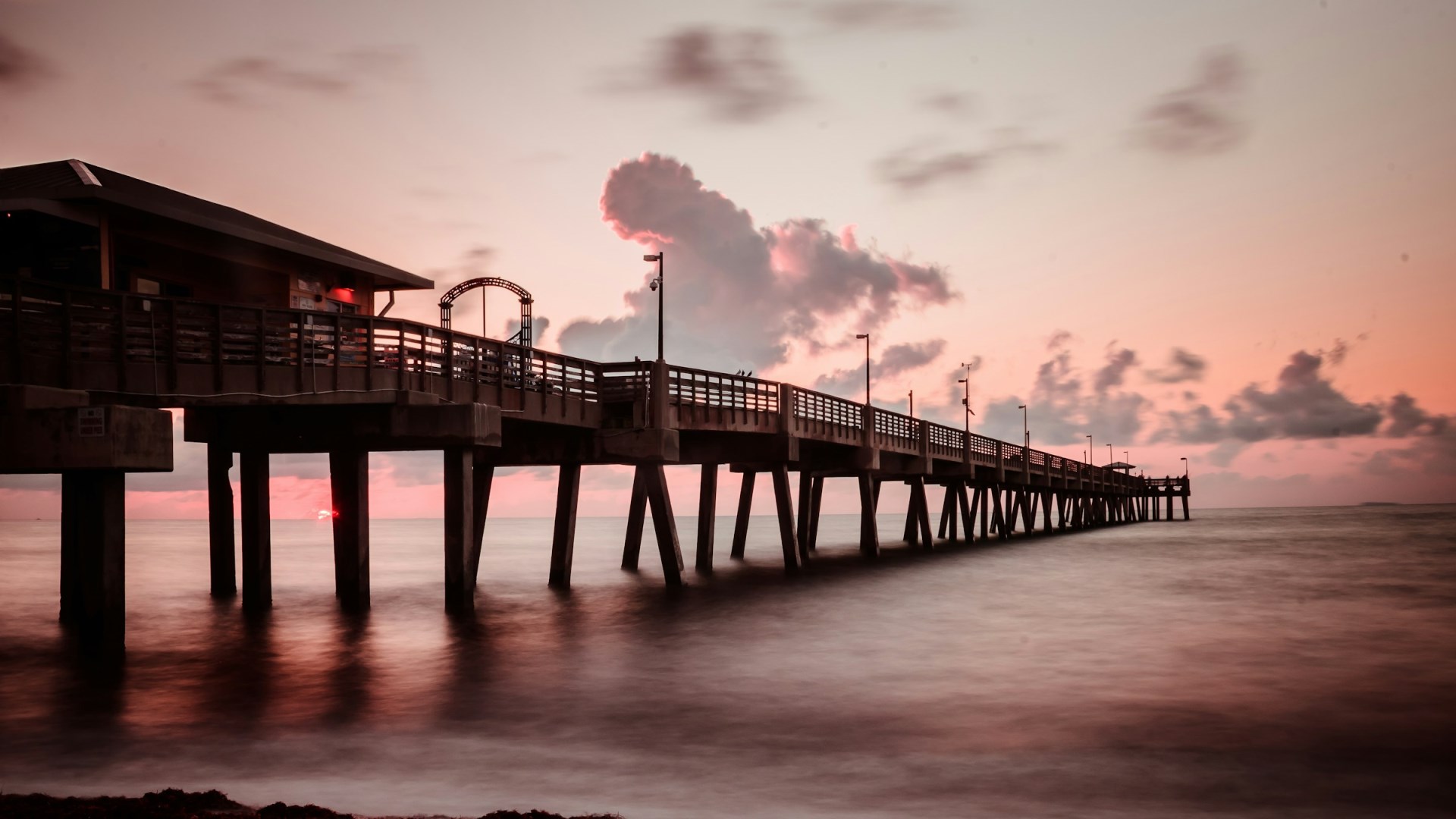
Dania has a small town atmosphere. Highlights include shopping, fishing, clean beaches, recreational activities. Visit the Graves Museum of Archaeology.
Lewa Wildlife Conservancy
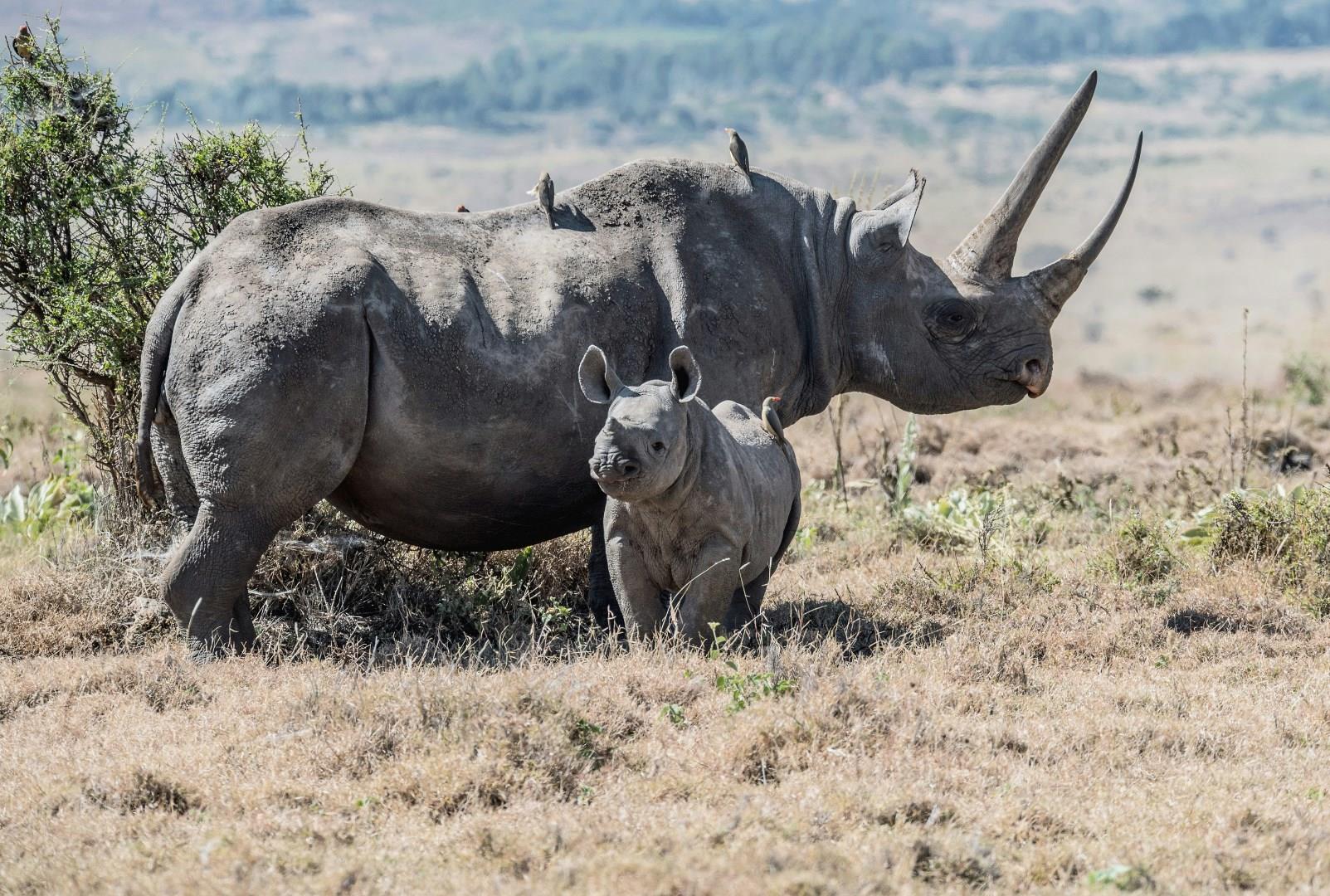
Lewa Wildlife Conservancy lies in northern Kenya at the foothills of Mount Kenya, where open savannah, wooded hills, and seasonal rivers create a varied and striking landscape.
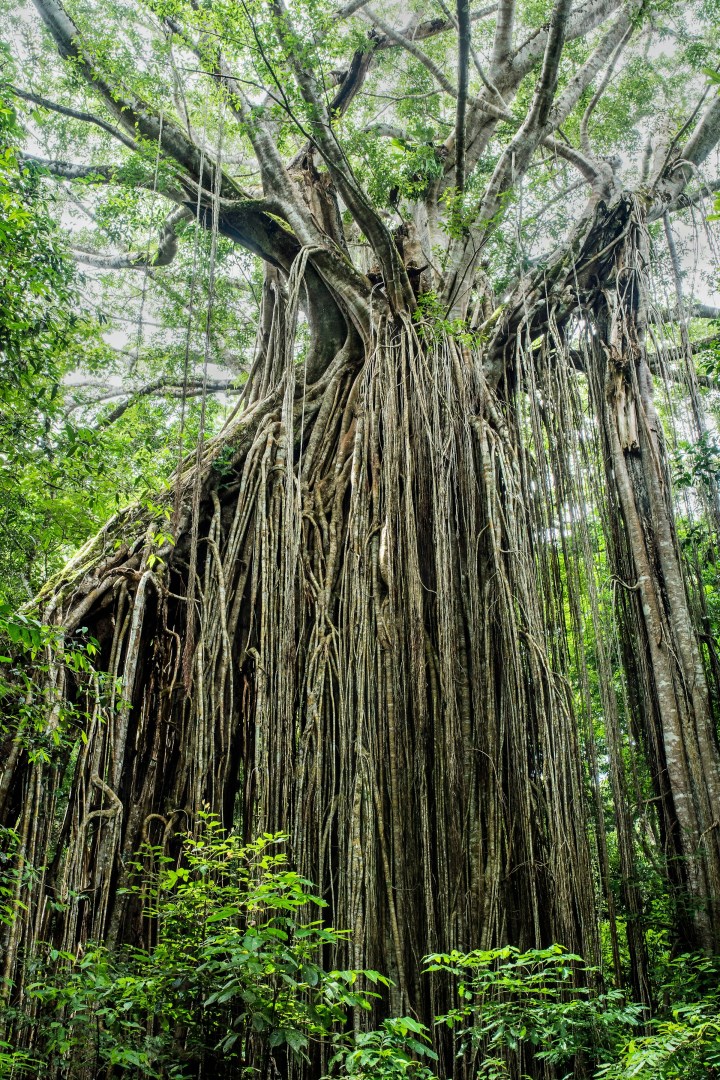
Atherton Tablelands
A picturesque mosaic of unique plant and animal habitats, rainforests, national parks, mountains, rivers, lakes and beautiful waterfalls, combined with some of Australia's richest agricultural lands and charming small "picture postcard" townships - all just a one hour drive from Cairns.
