
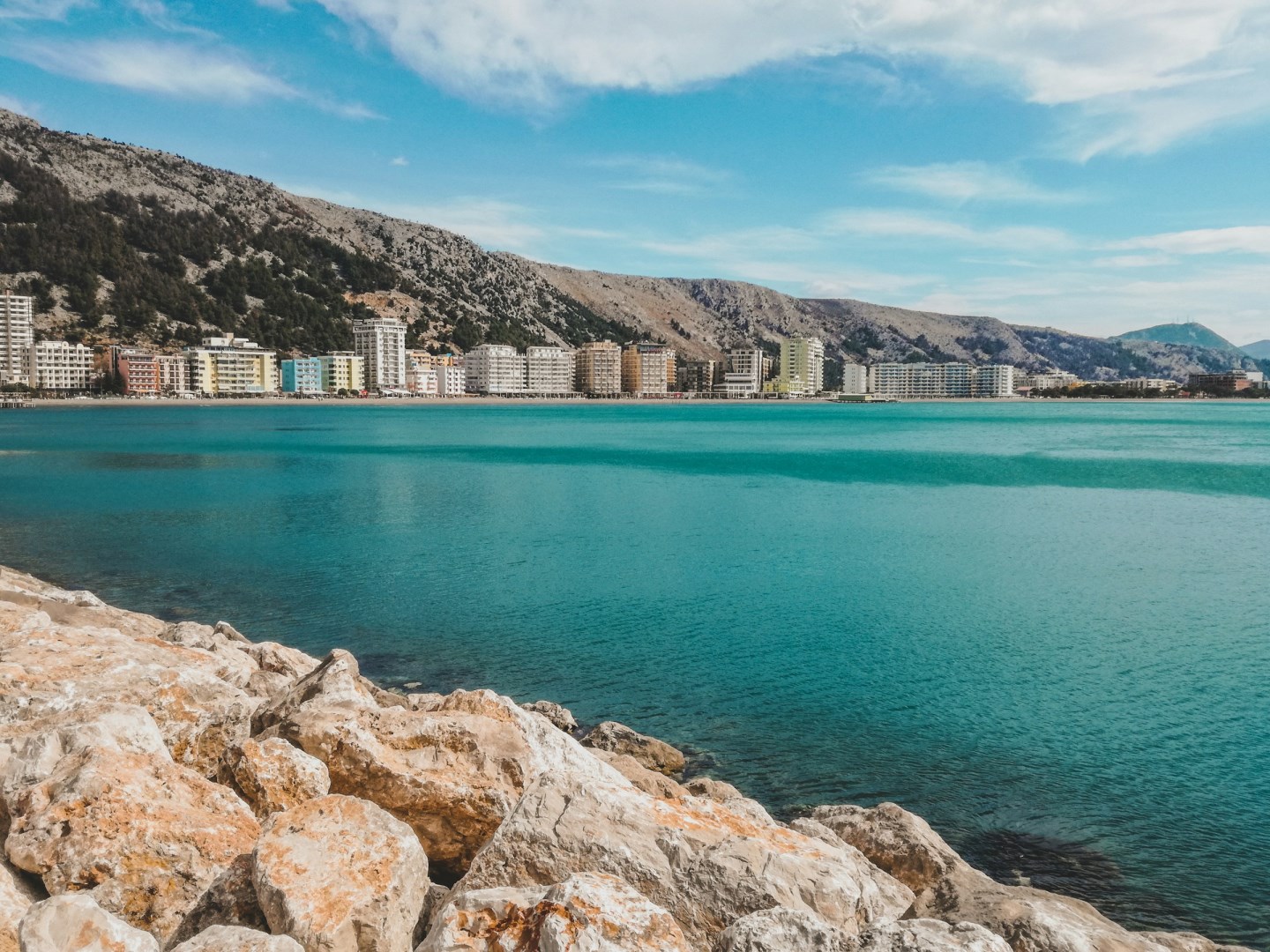
Durrës
Founded in the 7th century BC, the city of Durres has been conquered by many invading armies. Although most of these left a few traces in the old town of Durres, the main attraction is the excellent beach near the town. Perhaps the most famous of Albanian beaches, it offers shallow waters close to the shore, which makes it very suitable for families and children.

South Africa
South Africa is a country where landscapes and cultures unfold in remarkable variety. From the rugged cliffs of the Cape of Good Hope to the open plains of Kruger National Park, it offers experiences shaped by both nature and history.
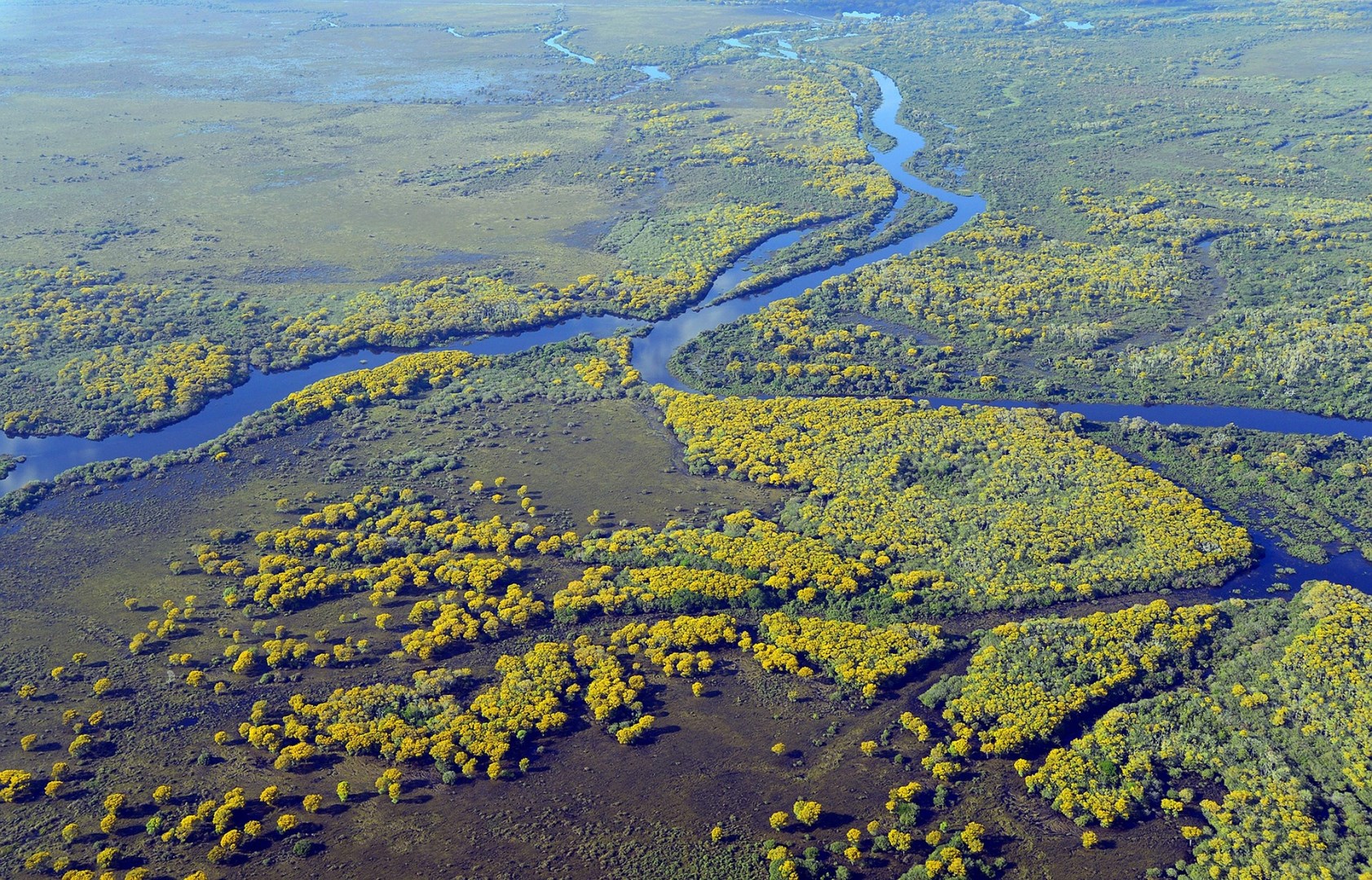
Pantanal
Pantanal, located on Brazil's western border, is a largely untouched paradise of savannah lowlands, seasonal wetlands and rich forested areas.
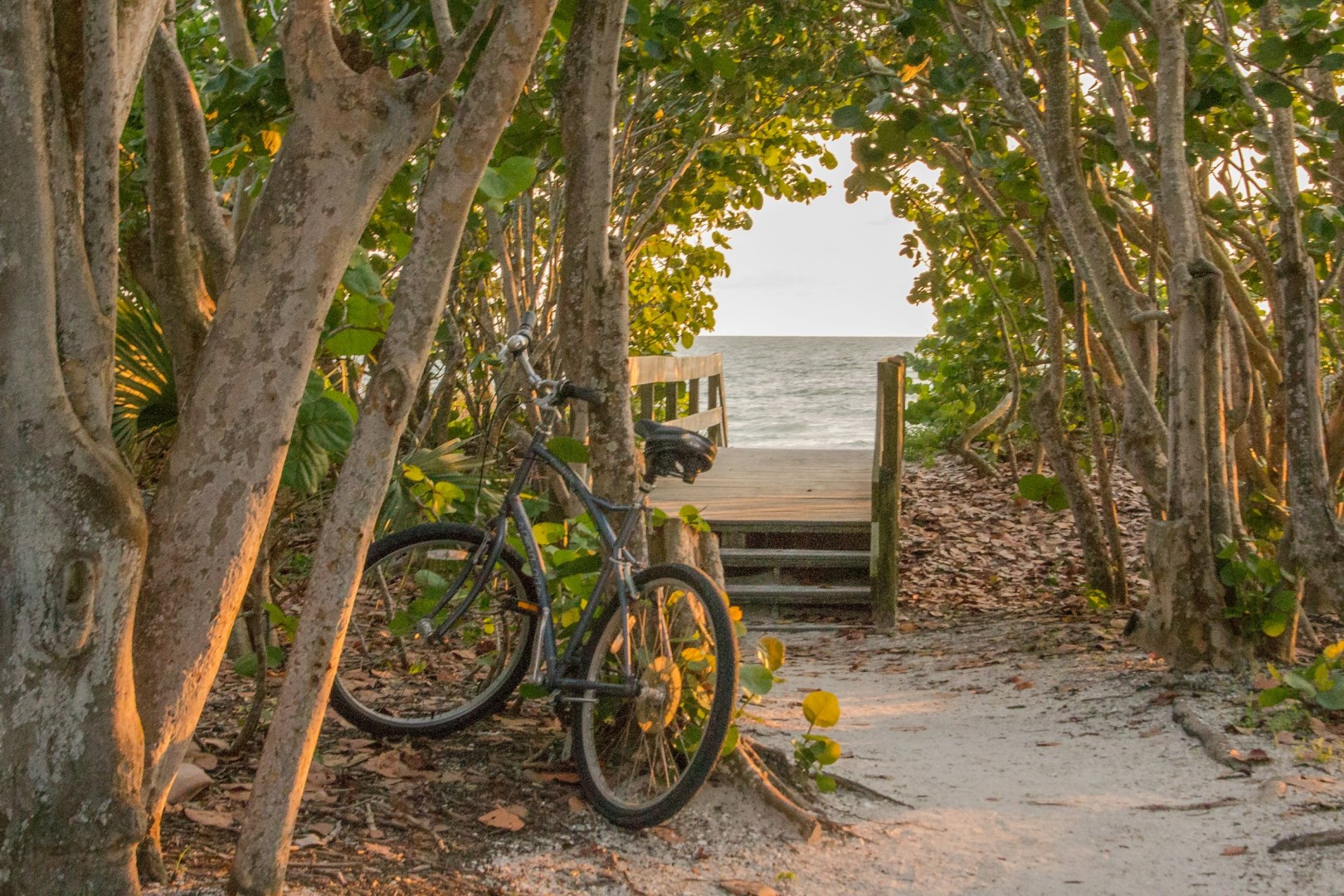
Sanibel Island
Half of the land on Sanibel island is designated as natural areas with two preserves protecting the island ecology and wildlife, while the other half offers resort and glistening beaches.
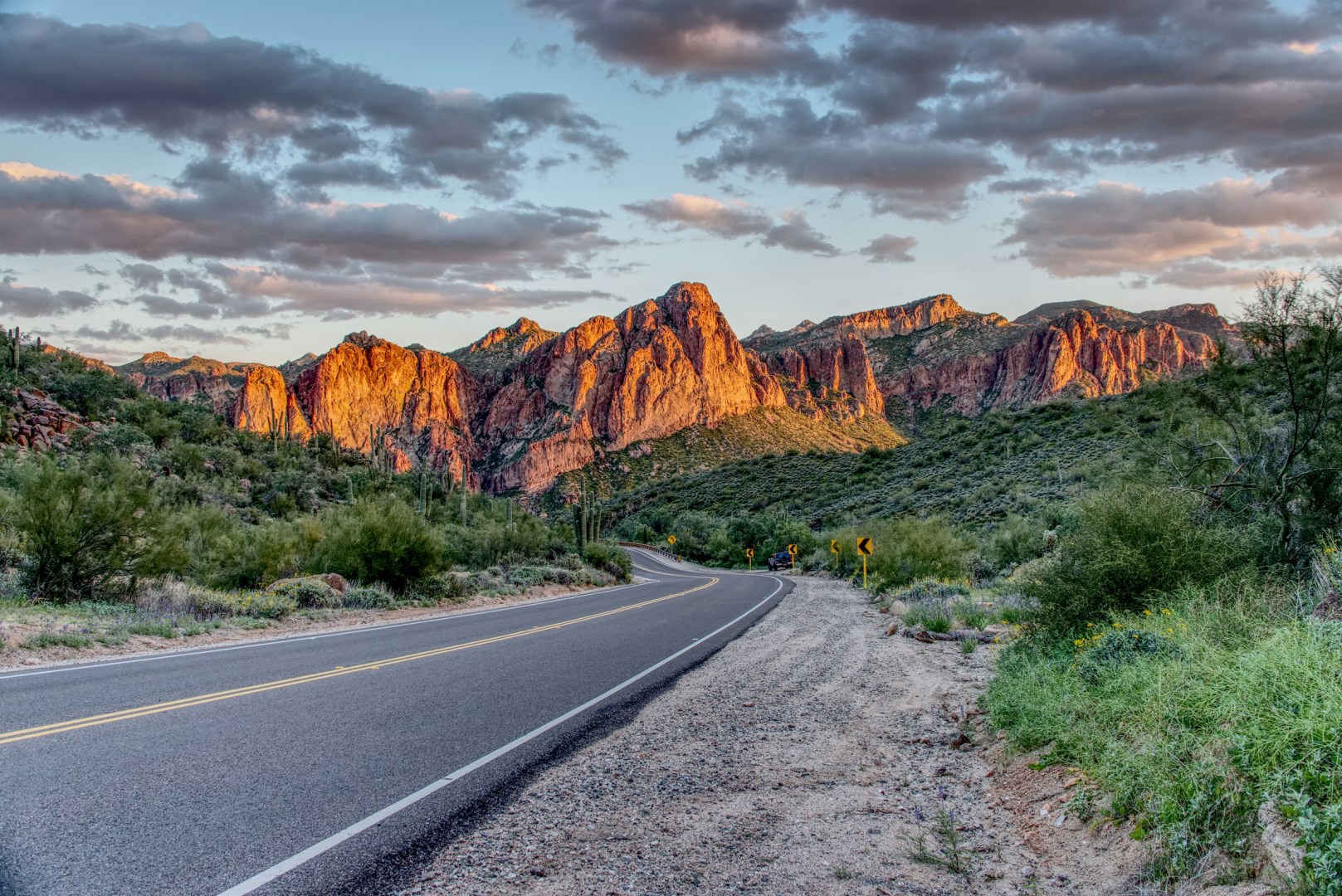
Mesa
Mesa is a city in Maricopa County in the East Valley of the Phoenix metropolitan area, set against the Sonoran Desert and the lower slopes of the Superstition Mountains. Its landscape combines developed neighborhoods with desert parks, citrus groves, canals, and broad mountain views. Mesa has grown into one of Arizona’s larger cities while retaining connections to agriculture and the Salt River Valley.
