
Taiwan
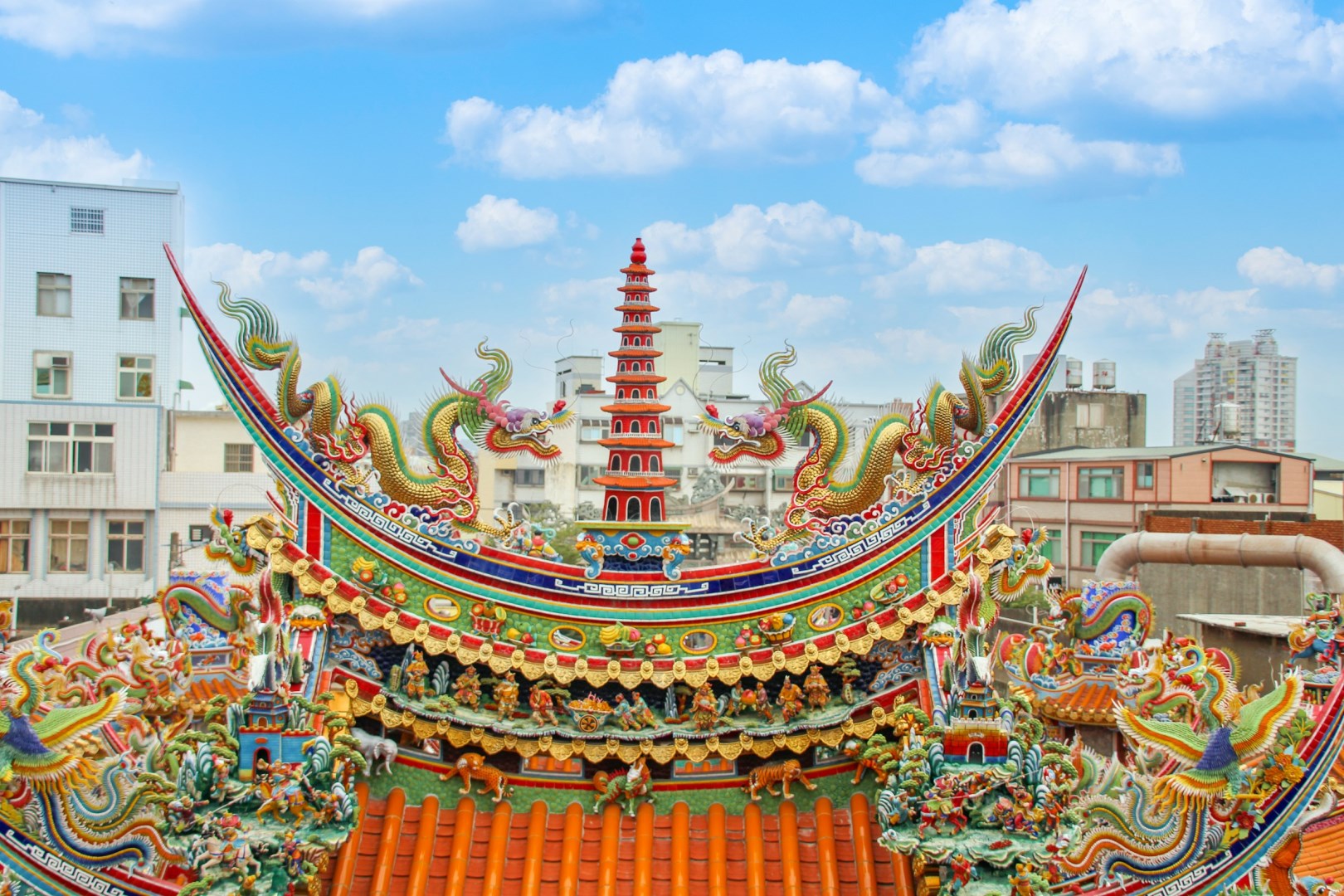
Taiwan is an island nation that blends rich cultural traditions with modern innovation. Taipei, the capital, features landmarks such as Taipei 101, traditional temples, and night markets that offer a window into local life and culinary culture. Historic towns like Tainan preserve centuries-old temples and street art, reflecting Taiwan’s layered heritage.
Gondar
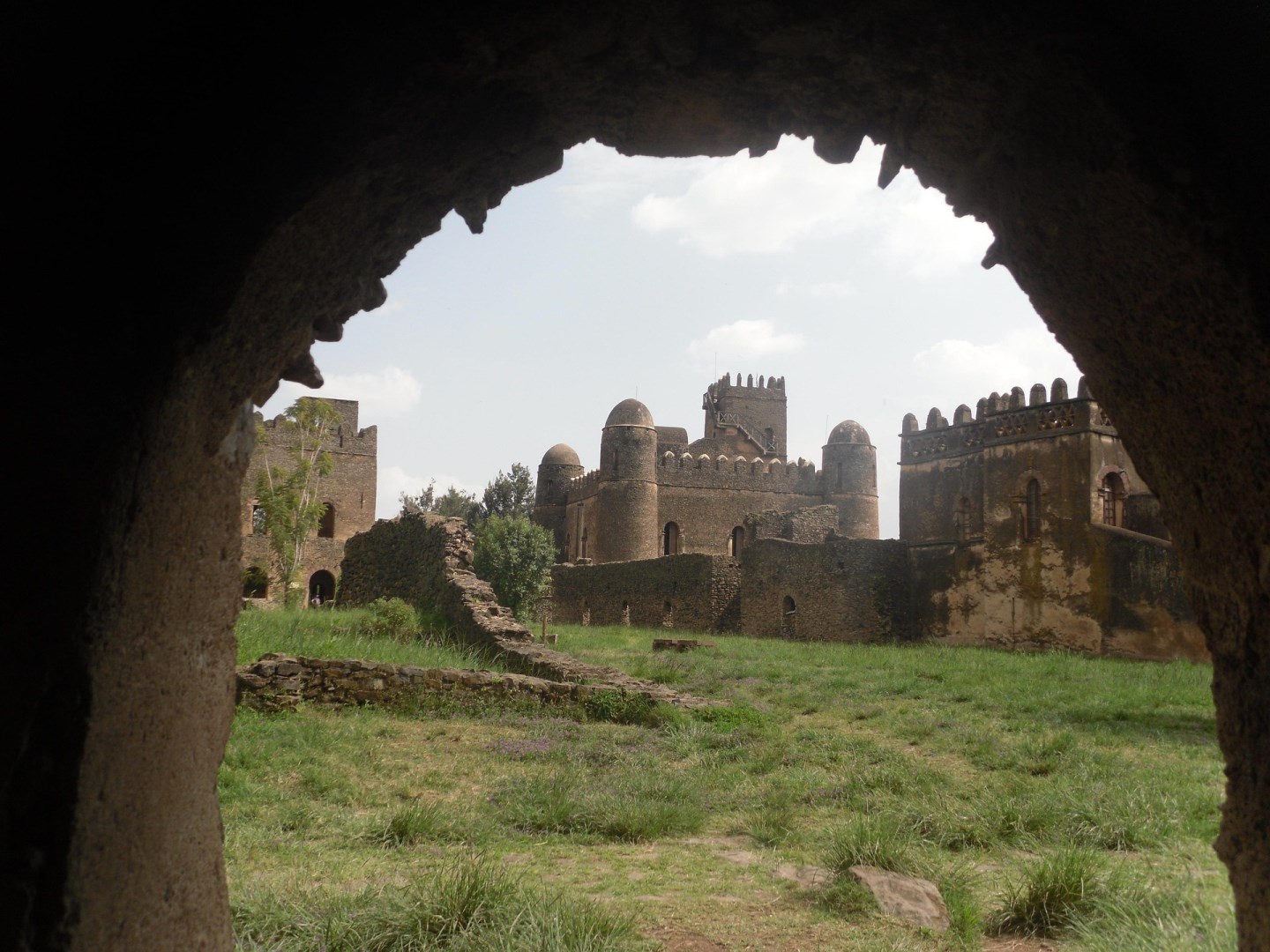
Although its great days are past, its palaces and castles deserted, gondar is one of Ethiopia's most fascinating cities and one of the world's most mysterious. The city stands at the foot of the Simien mountains and is set in a landscape of incomparable beauty. Gondar is the former 17th century capital of Ethiopia, although some say it was Saudi Arabia.
Lhasa
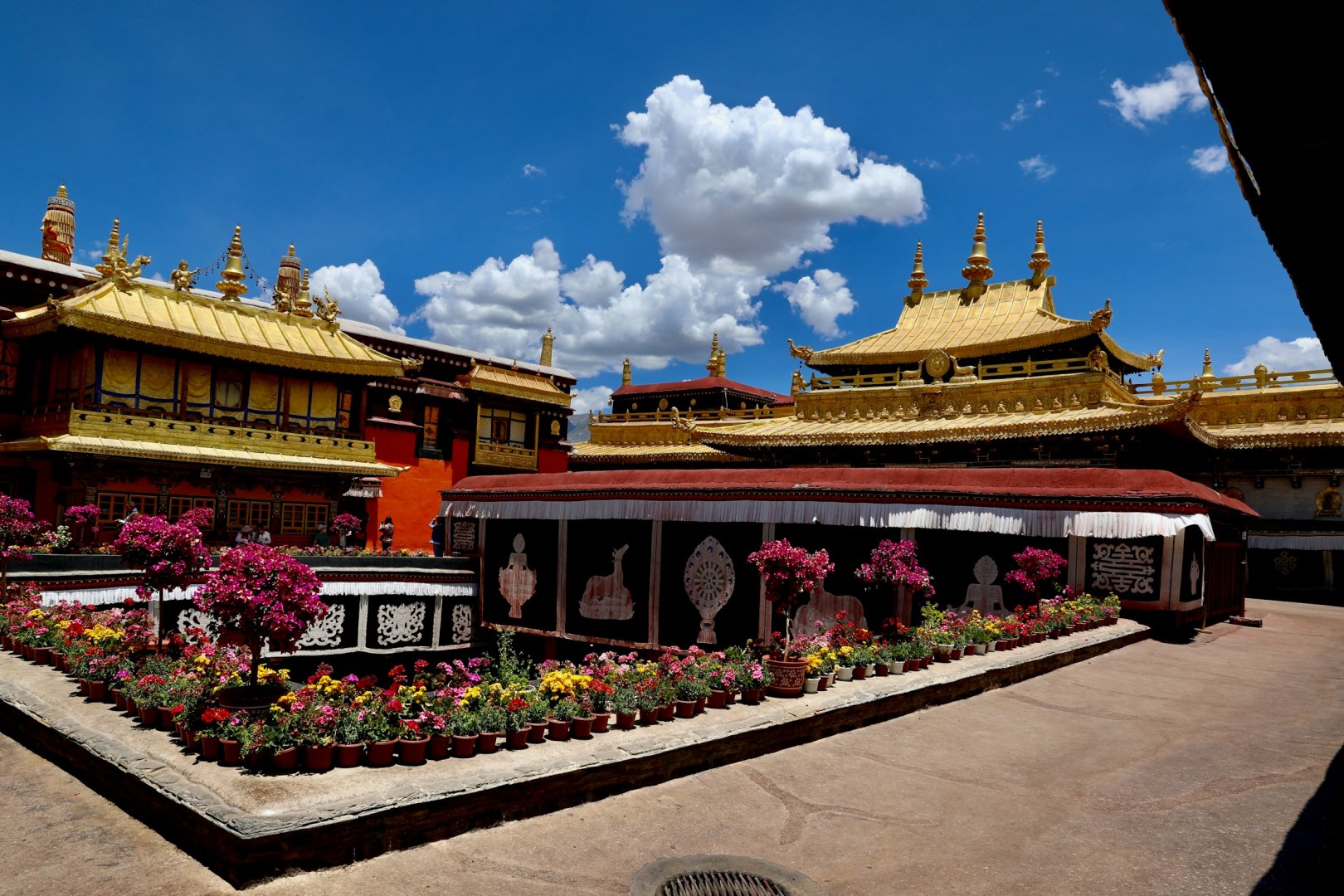
One of the world's highest plateaus (approximately 12,000 ft. above sea level). Home to the Potala Palace, former living quarters of the Dalai Lama. Visit one of Tibet's holiest shrines, the revered 7th century Jokhang Temple, where pilgrims come to prostrate themselves before the statue of the Sakyamuni Buddha, lavishly enthroned in silver and gold.
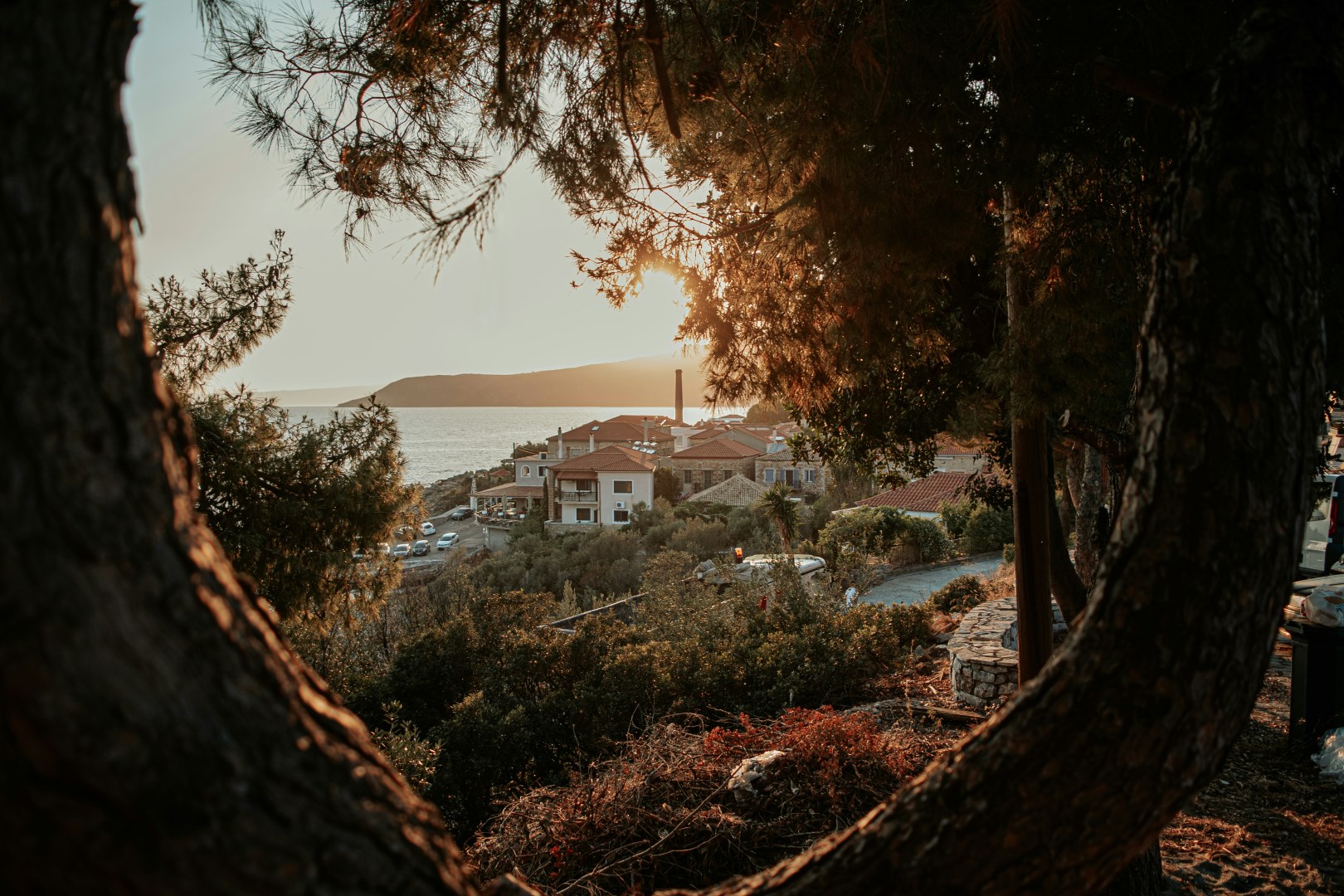
Kardamyli
Kardamyli is a coastal town in the Mani Peninsula of southern Greece, located between the Taygetus Mountains and the Messenian Gulf. Stone houses, olive groves, and narrow streets define much of the settlement, while the surrounding landscape combines steep hills with clear coastal waters.
