

Java Sea
The Java Sea sits between the islands of Java, Sumatra, Borneo, and Sulawesi in Indonesia and is a destination rich in natural beauty, history, and vibrant cultures. This shallow sea is known for its stunning turquoise waters, pristine islands, and fascinating marine life.
Providenciales
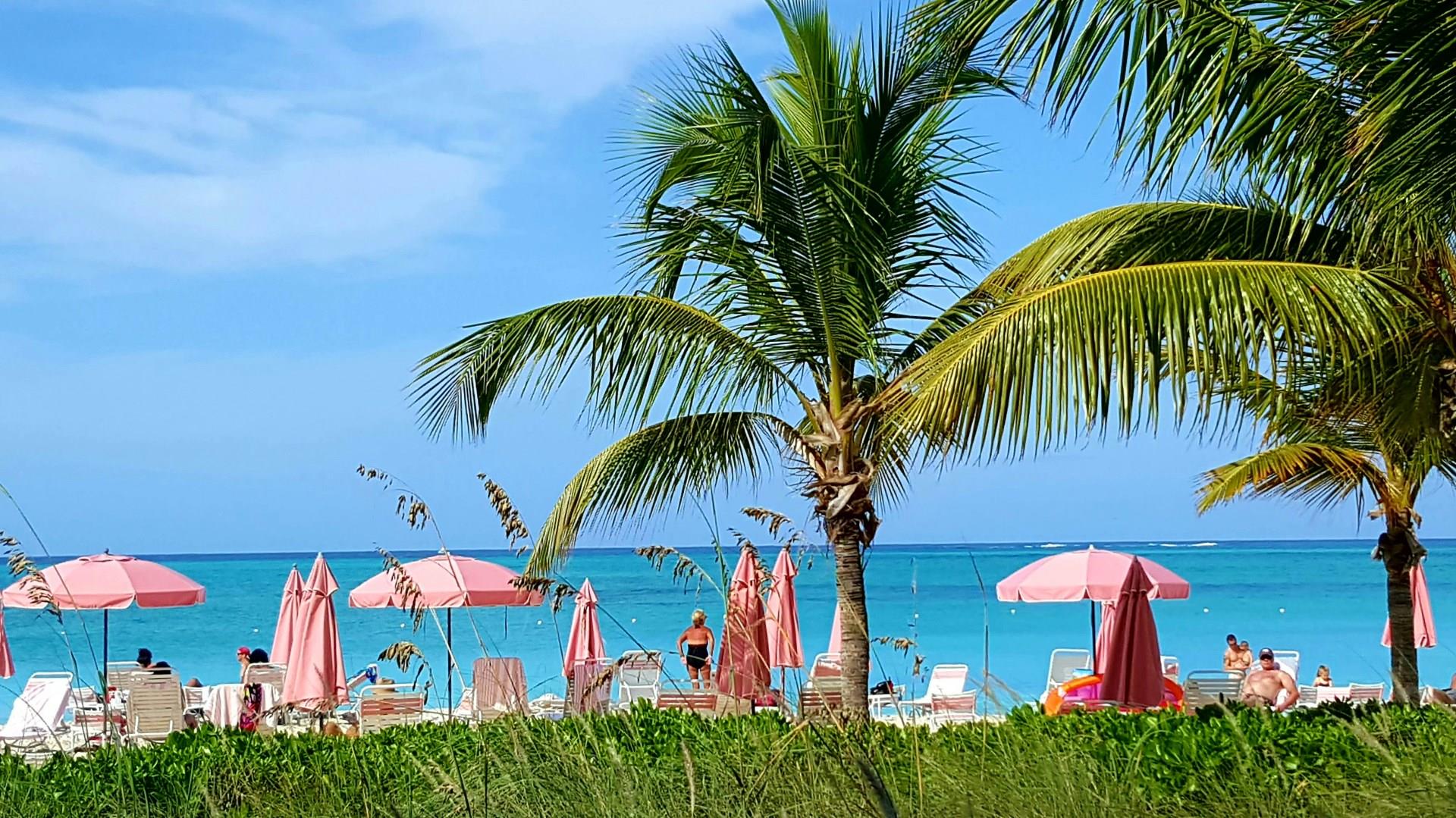
Providenciales, often called “Provo,” is the most developed island in the Turks and Caicos archipelago and a gateway to some of the clearest waters in the Caribbean. Its coastline is famous for long stretches of white sand and shallow turquoise seas that seem to shift color with the sun. Grace Bay Beach, the island’s most celebrated shoreline, runs uninterrupted for more than 19 kilometers and is consistently ranked among the best beaches in the world.

Paros
Whether you’re drawn to its beaches, rich history, or welcoming atmosphere, Paros has something for everyone. It’s a destination where you can unwind under the Mediterranean sun, explore traditions, and savor the flavors of Greece.

K’gari
Fraser Island, or K’gari as it is known to its Traditional Owners, the Butchulla people, is a gem off the coast of Queensland, Australia. The world's largest sand island, stretching over 120 kilometers, is a place where nature dazzles and adventure beckons. Renowned for its unique ecosystems, Fraser Island offers a diverse landscape of lush rainforests growing on sand, crystal-clear freshwater lakes, and expansive sand dunes.
Saipan Island
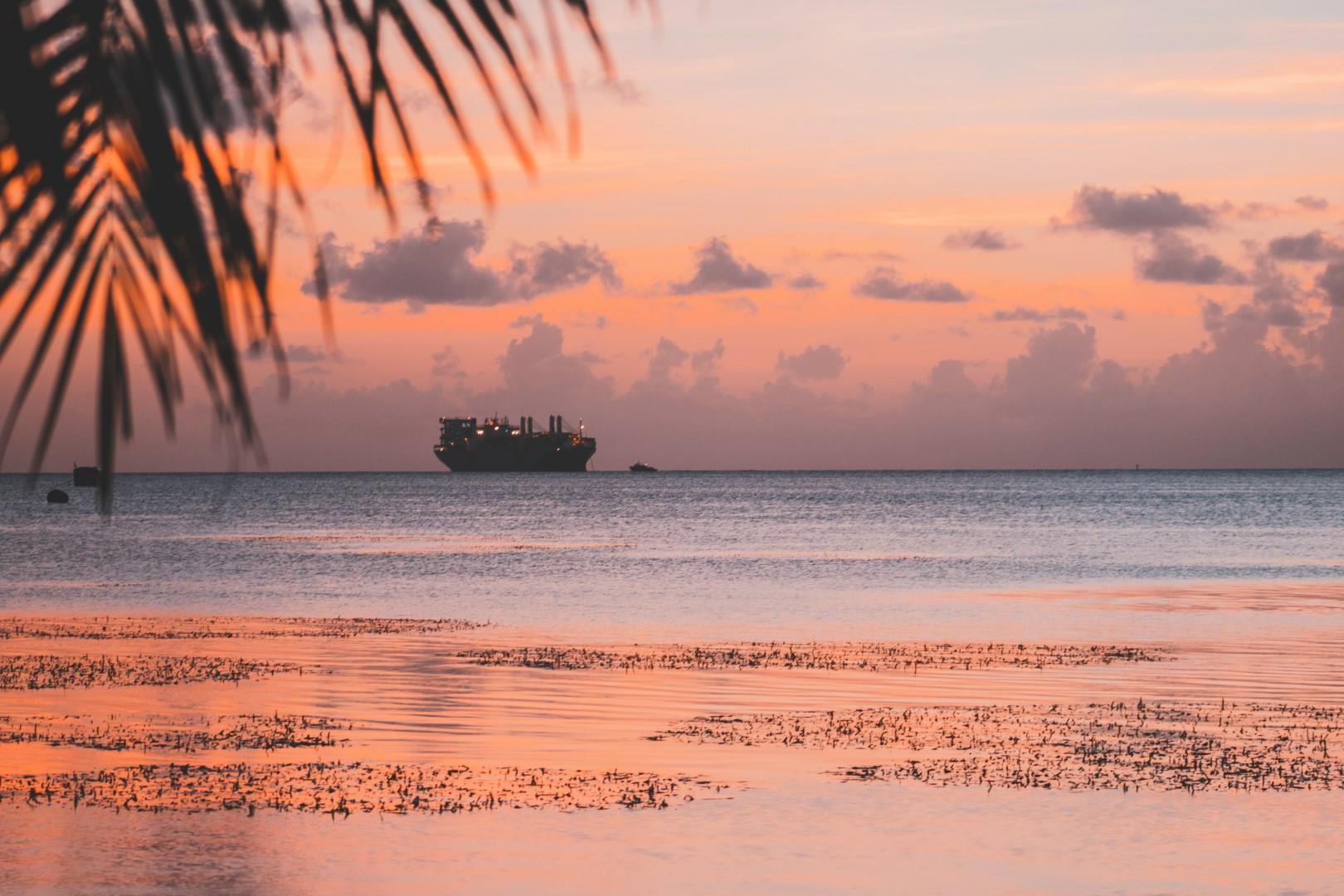
Saipan, the largest of the Northern Mariana Islands, offers a rare combination of deep historical roots, island traditions, and dramatic landscapes. Located in the western Pacific, this U.S. territory was once the site of one of the most pivotal battles in the Pacific during World War II. Visitors today can explore the remains of bunkers, tanks, and hidden caves at sites like Suicide Cliff, Last Command Post, and the American Memorial Park.
