
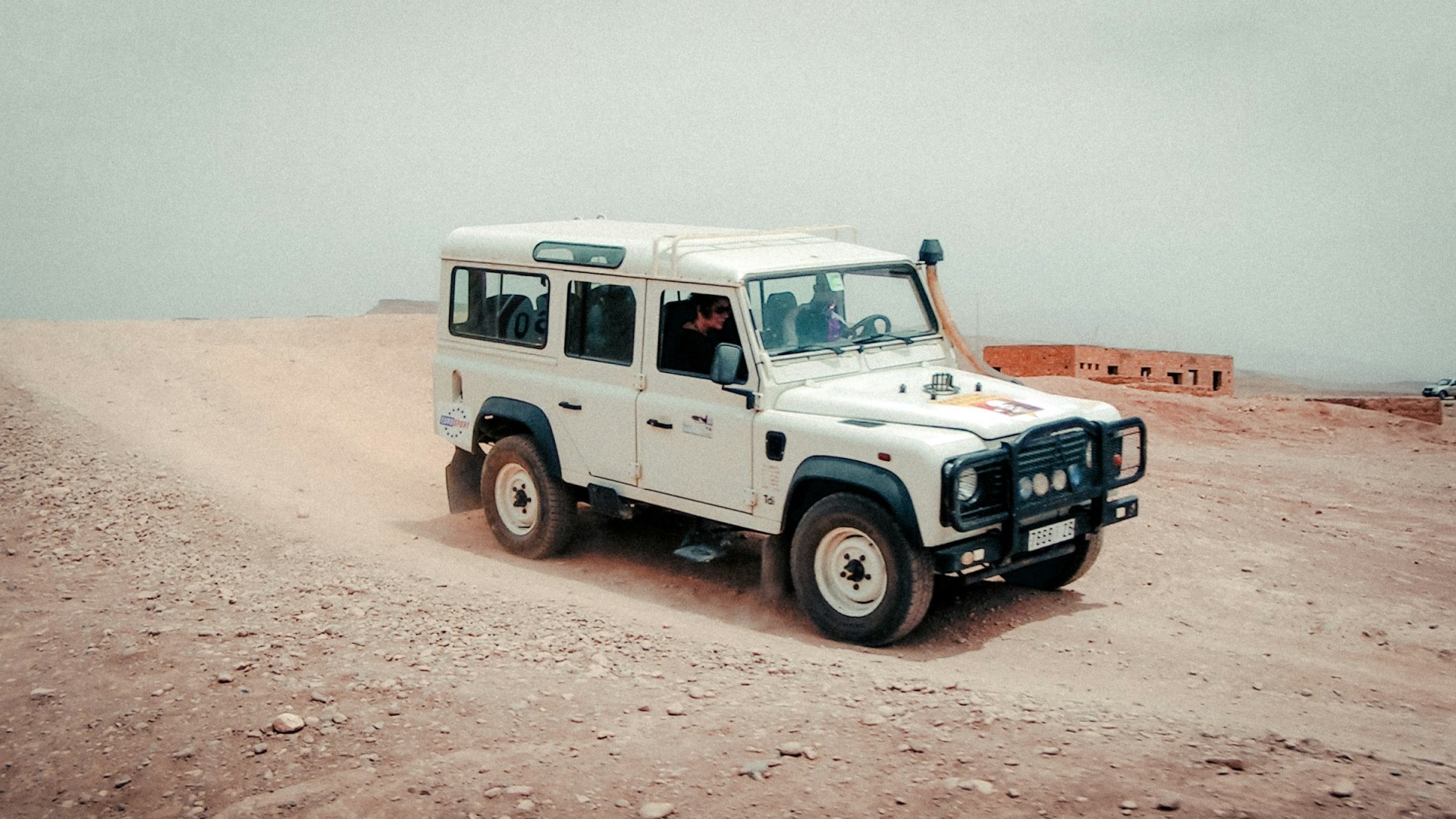
Tata
Set along the edge of the Anti-Atlas and the northern reaches of the desert, Tata offers a landscape shaped by sun, stone, and water. The town sits within a wide oasis valley, where palm groves stretch across the land in sharp contrast to the surrounding dry hills. Life here depends on careful use of water, and visitors quickly notice how every field and garden is planned with purpose. The result is a setting that feels both remote and deeply connected to the land.
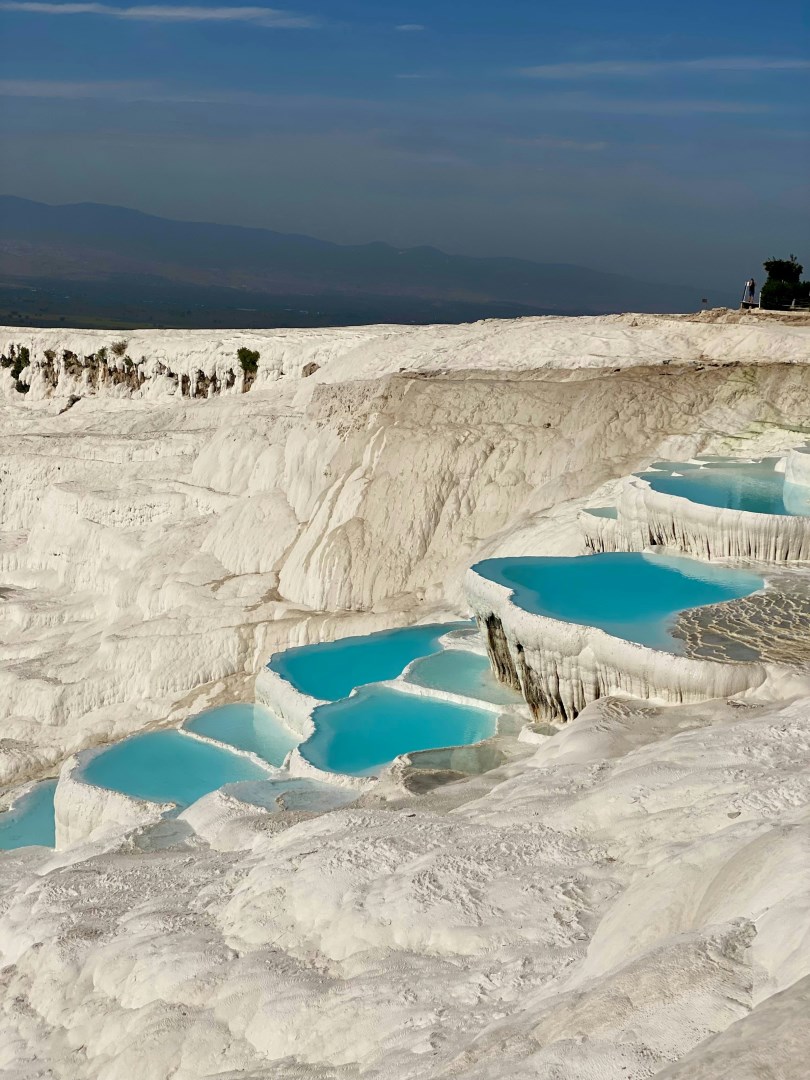
Pamukkale
Pamukkale is a fairyland of dazzling white, petrified castles. It is a magical and spectacular natural site, unique in the world. Thermal spring waters laden with calcareous salts running off the plateau's edge, have created this fantastic formation of stalactites, cataracts and basins.
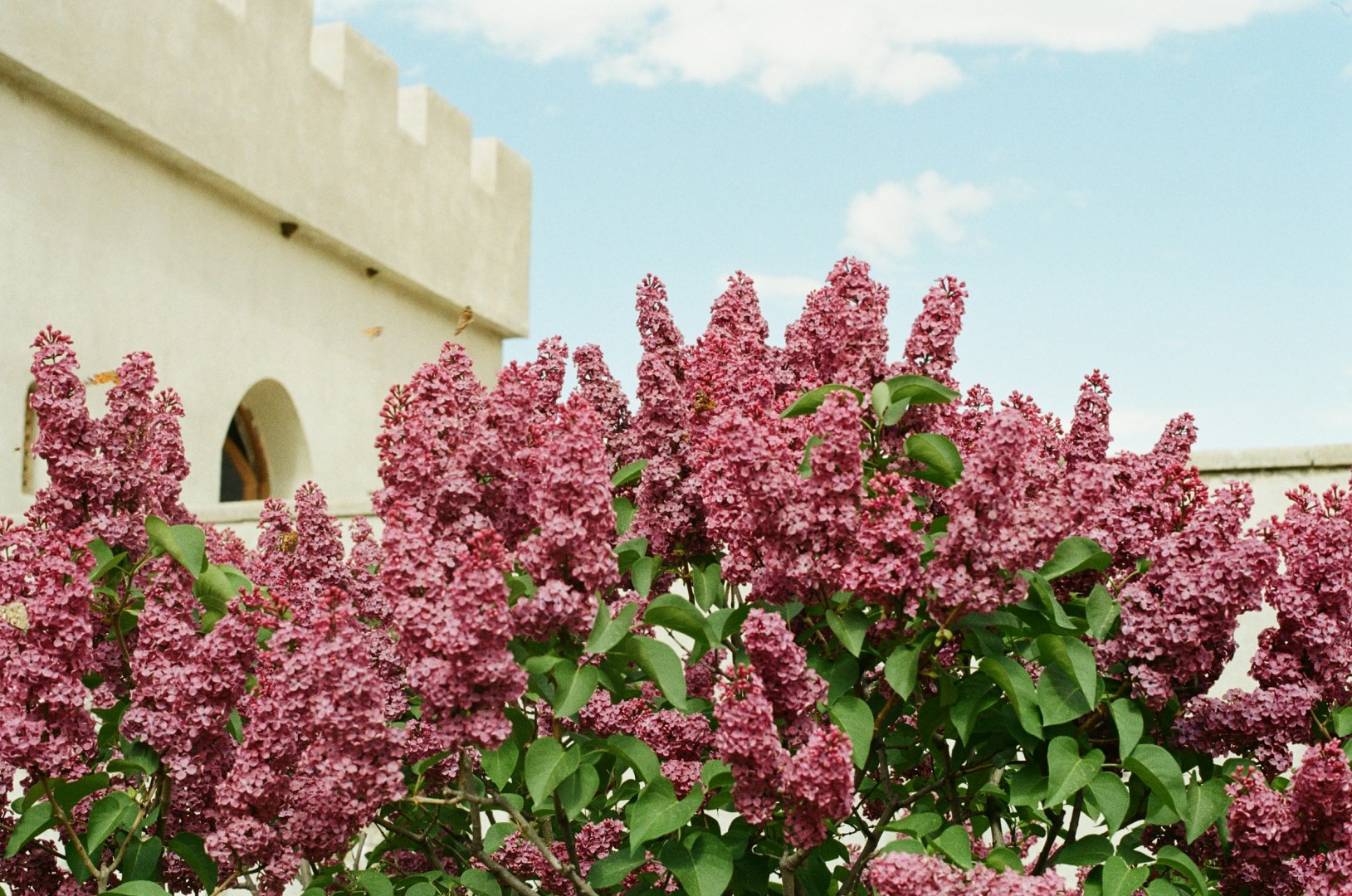
Akhaltsikhe
Akhaltsikhe is a regional center in southern Georgia's Samtskhe-Javakheti region, situated in a broad valley along the Potskhovi River. The city is best known for Rabati, its hilltop fortress complex, but its identity extends into an older quarter of stone houses, religious buildings, and traditional streets. The name Akhaltsikhe means “new fortress,” reflecting the city's long association with its fortified center.
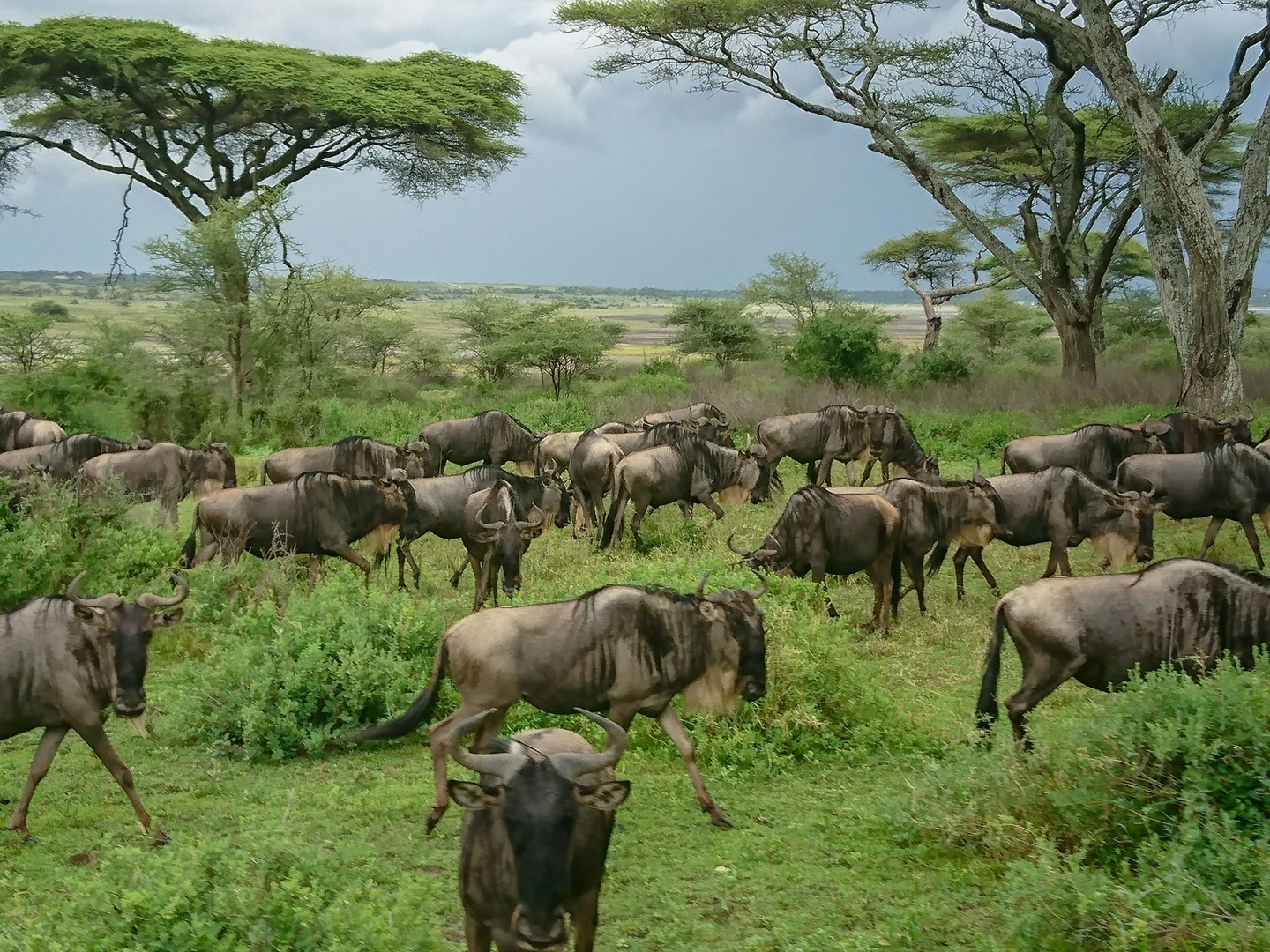
Ndutu Lake
Lake Ndutu is a shallow seasonal soda lake in northern Tanzania, within the Ngorongoro Conservation Area near the southern edge of the Serengeti ecosystem. The lake sits among open short-grass plains, acacia woodland, and other seasonal wetlands, creating a varied landscape for wildlife. Although relatively small, Lake Ndutu is part of a much larger ecological area where the plains of the southern Serengeti meet the Ngorongoro highlands.
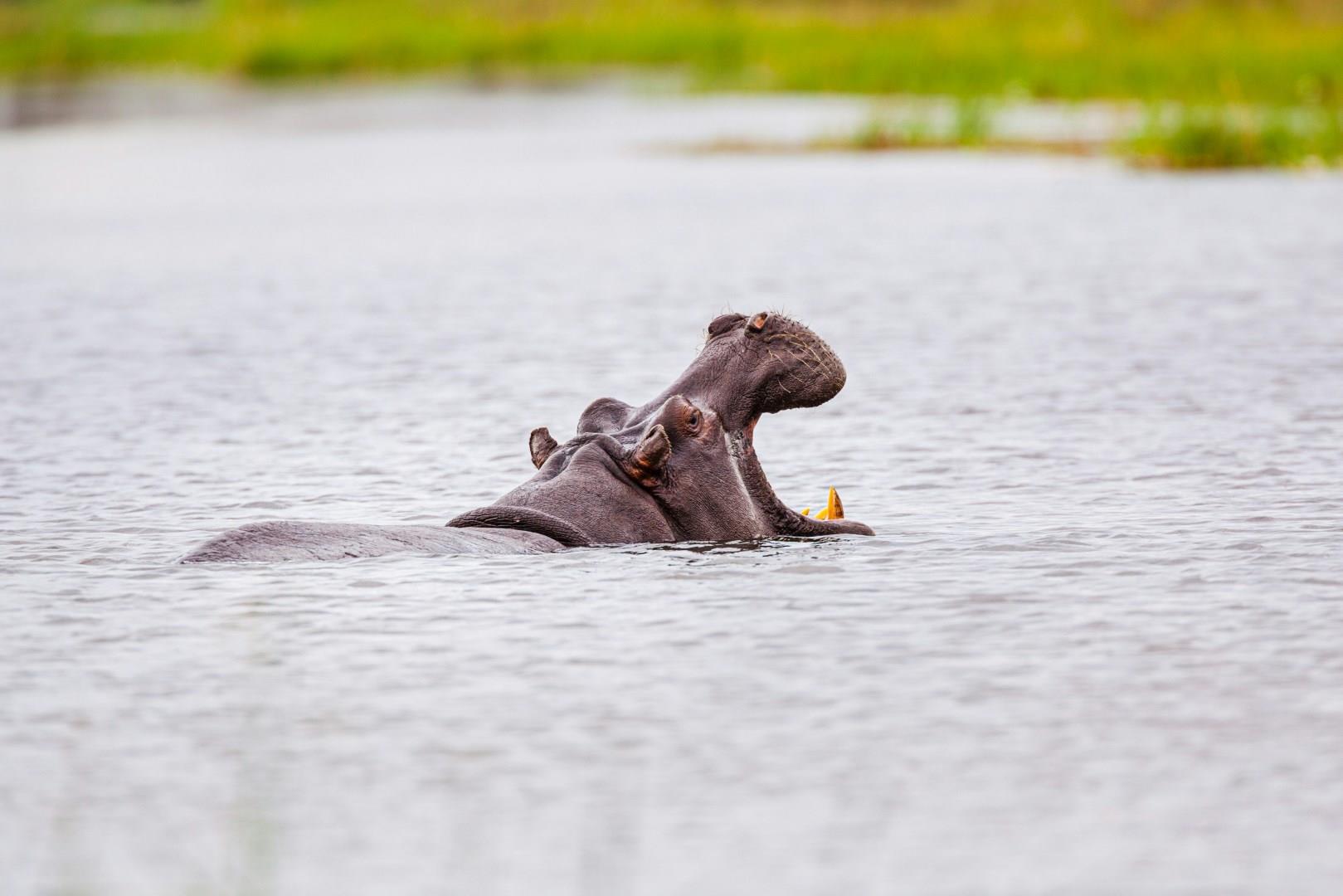
Moremi Wildlife Reserve
Moremi Wildlife Reserve, nestled in the heart of Botswana’s Okavango Delta, is a premier destination for those seeking an extraordinary safari experience. This pristine reserve, established in 1963, offers a rich tapestry of landscapes including lush floodplains, verdant woodlands, and expansive lagoons. Its diverse ecosystems make it one of Africa's most sought-after wildlife viewing locations.
