
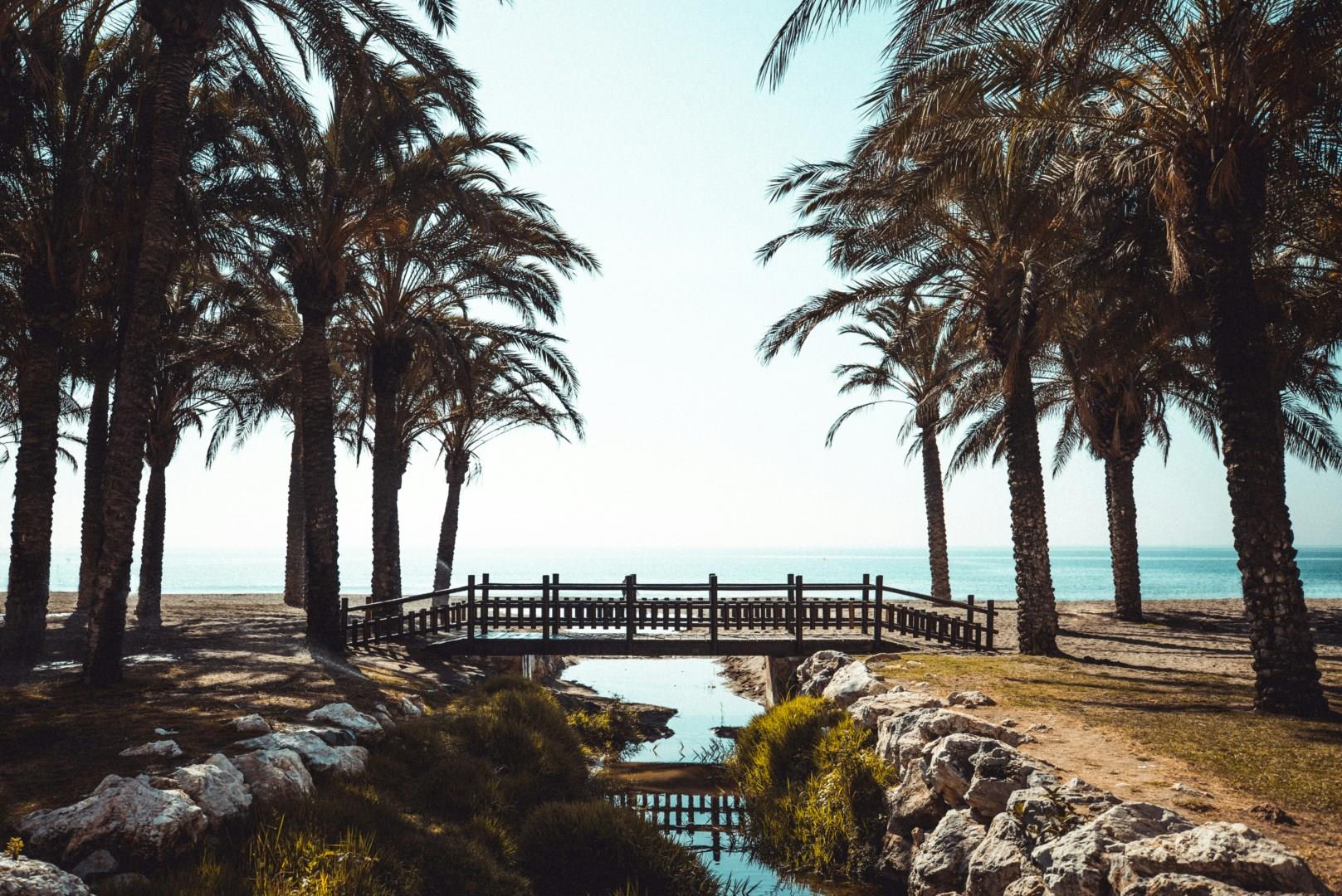
Torremolinos
Torremolinos, on Spain’s Costa del Sol, has transformed from a small fishing village into one of the region’s most vibrant seaside towns. Just a short drive from Málaga, it became famous in the mid-20th century as one of the first international beach destinations in Spain, attracting artists, celebrities, and travelers in search of sun and sea.
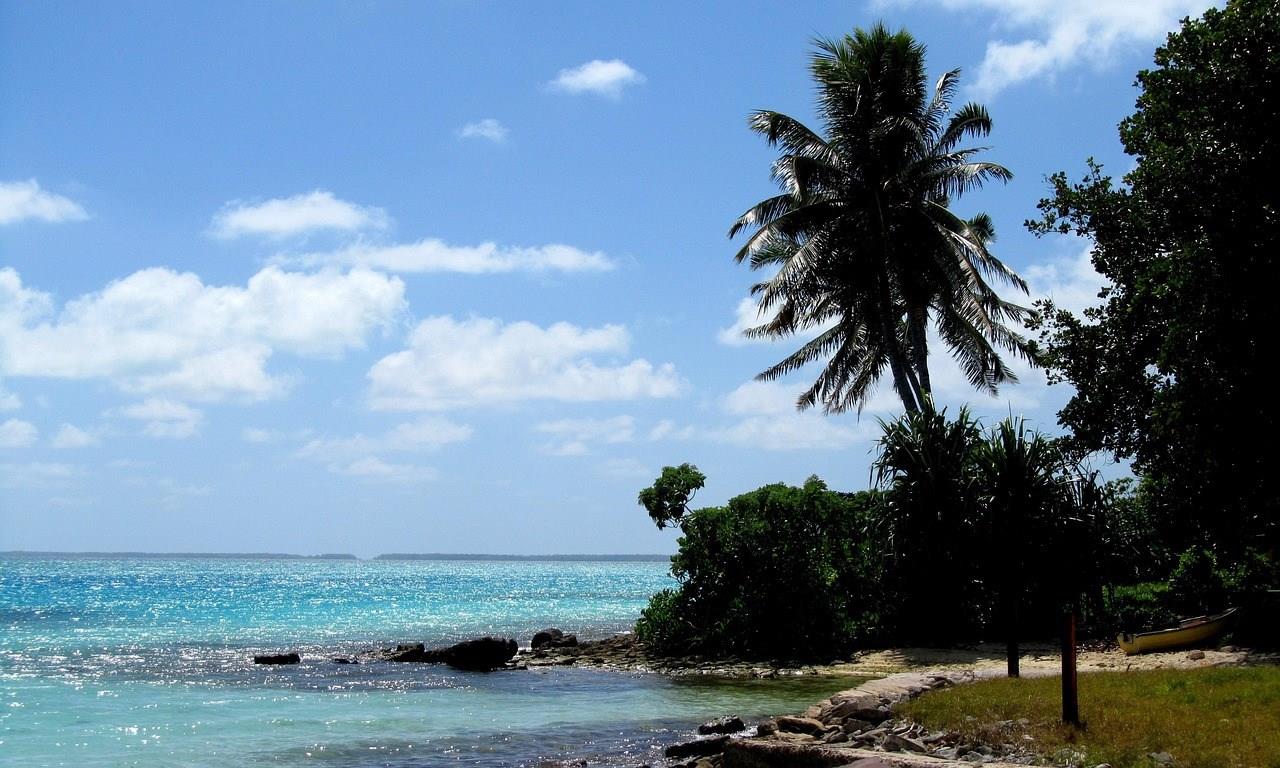
Fanning Island
Fanning Island, also known as Tabuaeran, is one of the Line Islands in the Republic of Kiribati. Sitting just four degrees north of the equator, this remote atoll is a rare find for travelers seeking raw, untouched Pacific beauty. With no large hotels or chain resorts, visitors often arrive by cruise or private yacht and are welcomed with coconut-leaf garlands and traditional songs.
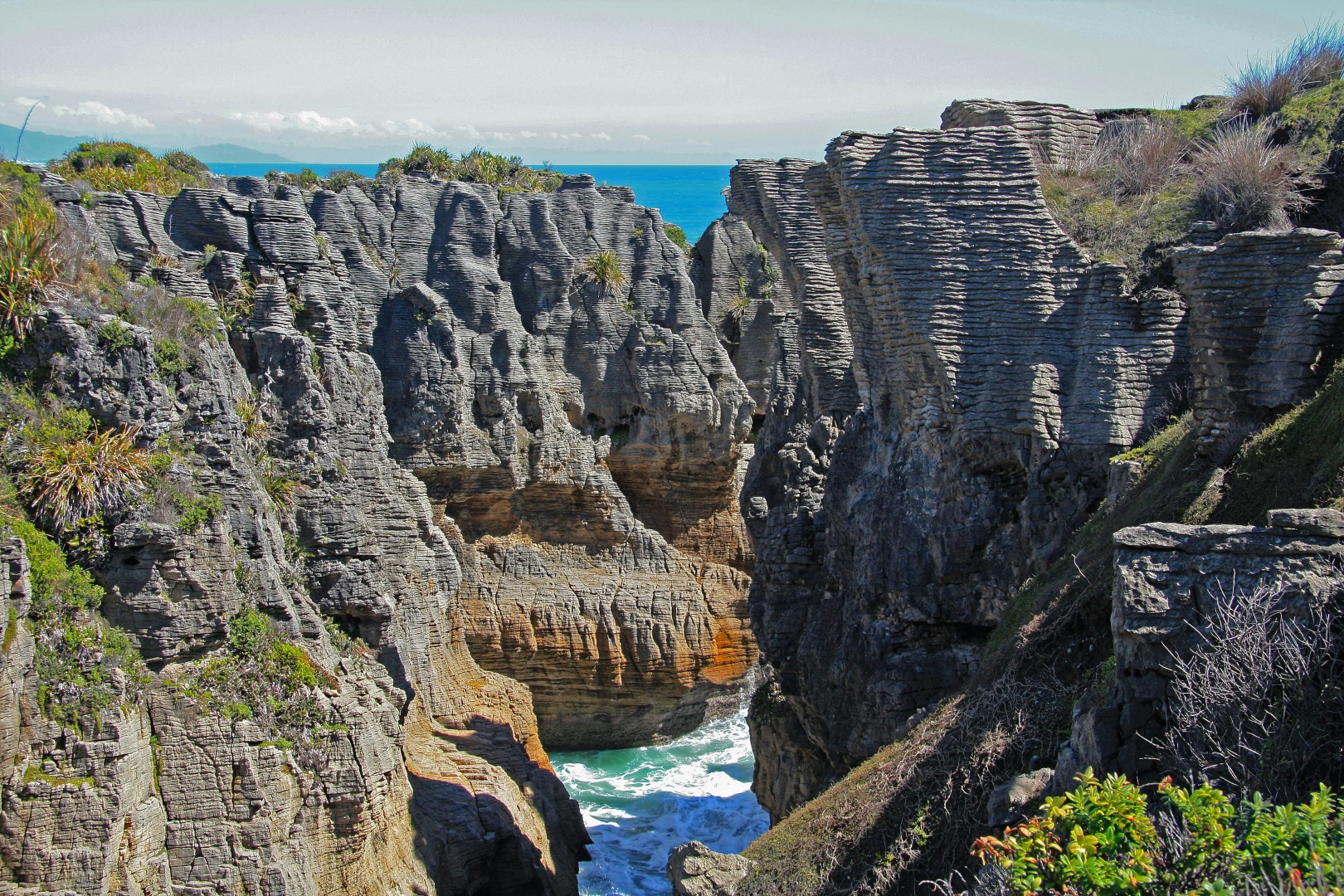
Punakaiki
Punakaiki is a small coastal settlement on New Zealand’s South Island, located along the rugged West Coast within Paparoa National Park. It is widely recognized for its distinctive limestone formations and its position between dense rainforest and the Tasman Sea.
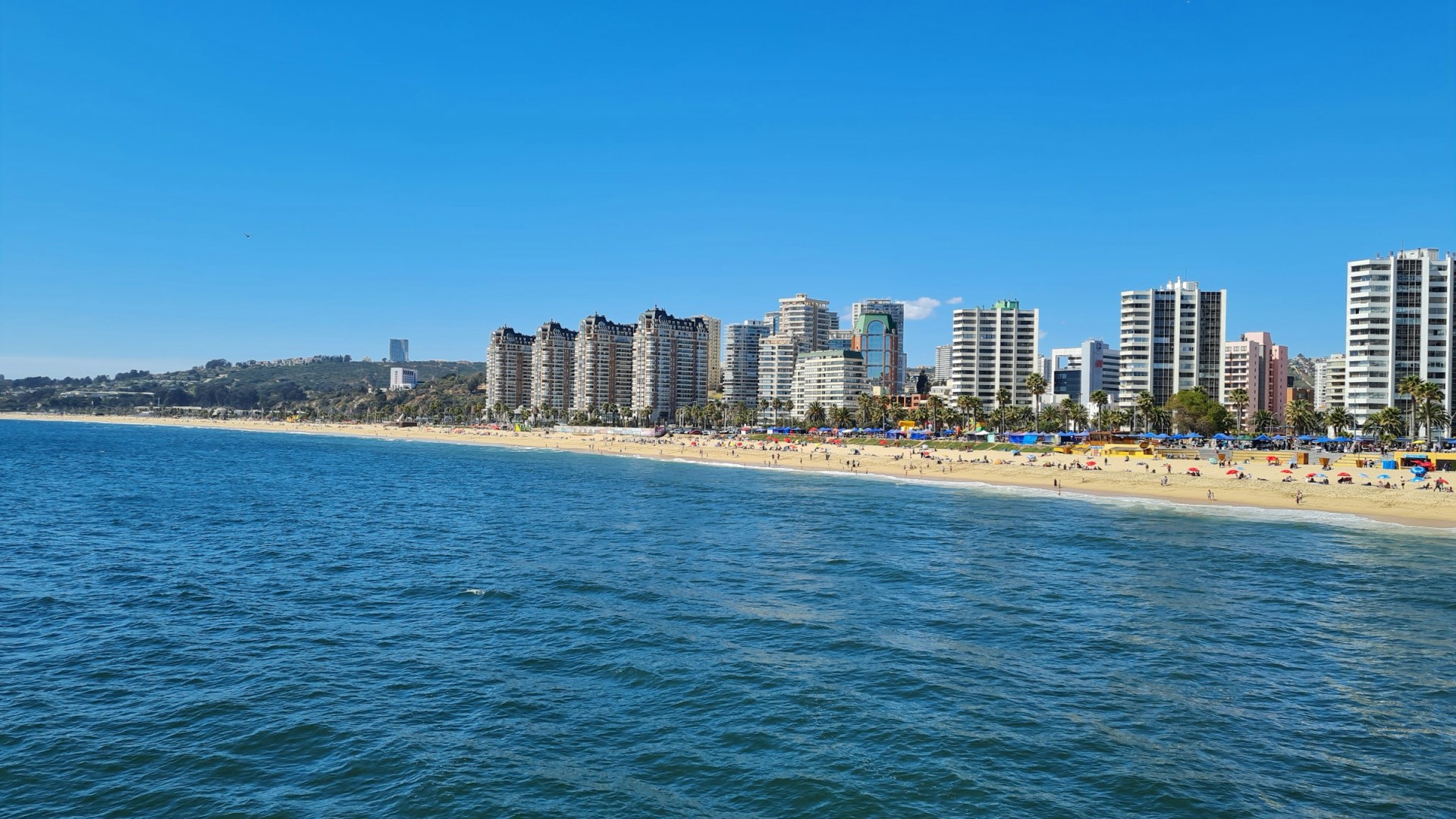
Viña del Mar
Chile's premier beach resort is only 10km north of Valparaíso, and is popularly known as the Garden City because of its manicured subtropical landscape of palm and banana trees. Horse-drawn carriages trot past attractive turn-of-the-century mansions on both river and beach frontages. Other attractions are the white-sand beaches, numerous parks and notable museums housed in restored mansions. The town is also the home of Chile's national botanical garden, comprising 61 hectares of native and exot

Monaco
Known for its glitzy image, Monaco is home to some of the world’s most famous attractions, including the iconic Monte Carlo Casino, the historic Prince's Palace, and the prestigious Formula 1 Grand Prix.
