

Ceske Budejovice
Ceske Budejovice, the vibrant capital of the South Bohemian Region in the Czech Republic, is a city rich in history and culture. Its most famous landmark is the magnificent Black Tower, offering panoramic views of the city and the surrounding countryside. This 72-meter-tall Gothic tower, completed in the 16th century, is a prime example of the city's architectural heritage source.
Tambopata
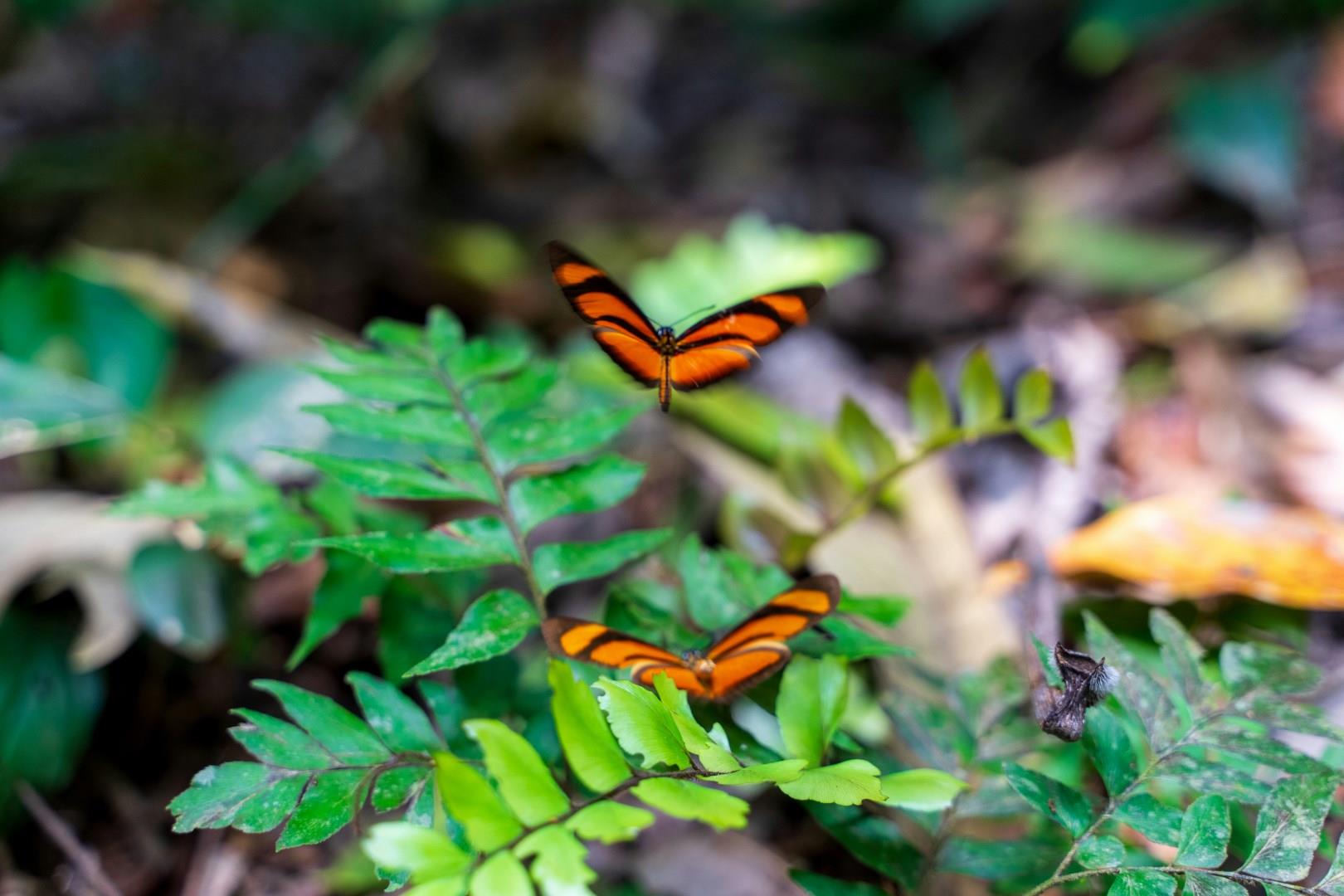
Located in the Madre de Dios region of southeastern Peru, Tambopata is a protected area where visitors can experience the Amazon rainforest in its rawest form. The Tambopata National Reserve spans over 270,000 hectares and is home to an estimated 1,200 butterfly species, 600 bird species, and hundreds of tree varieties. One of its most famous residents is the jaguar, though sightings are rare. More common encounters include red howler monkeys, capybaras, and giant river otters.

Beaune
Located in the Burgundy Region of France, Beaune has the most prestigious vineyards in the country. This is the place to be if the words "grand cru" make your mouth water. Add to this the great gastronomique specialties of the region, gothic cathedrals, medieval villages and golden landscapes and you have many great reasons to get to know this province.
Denarau Island
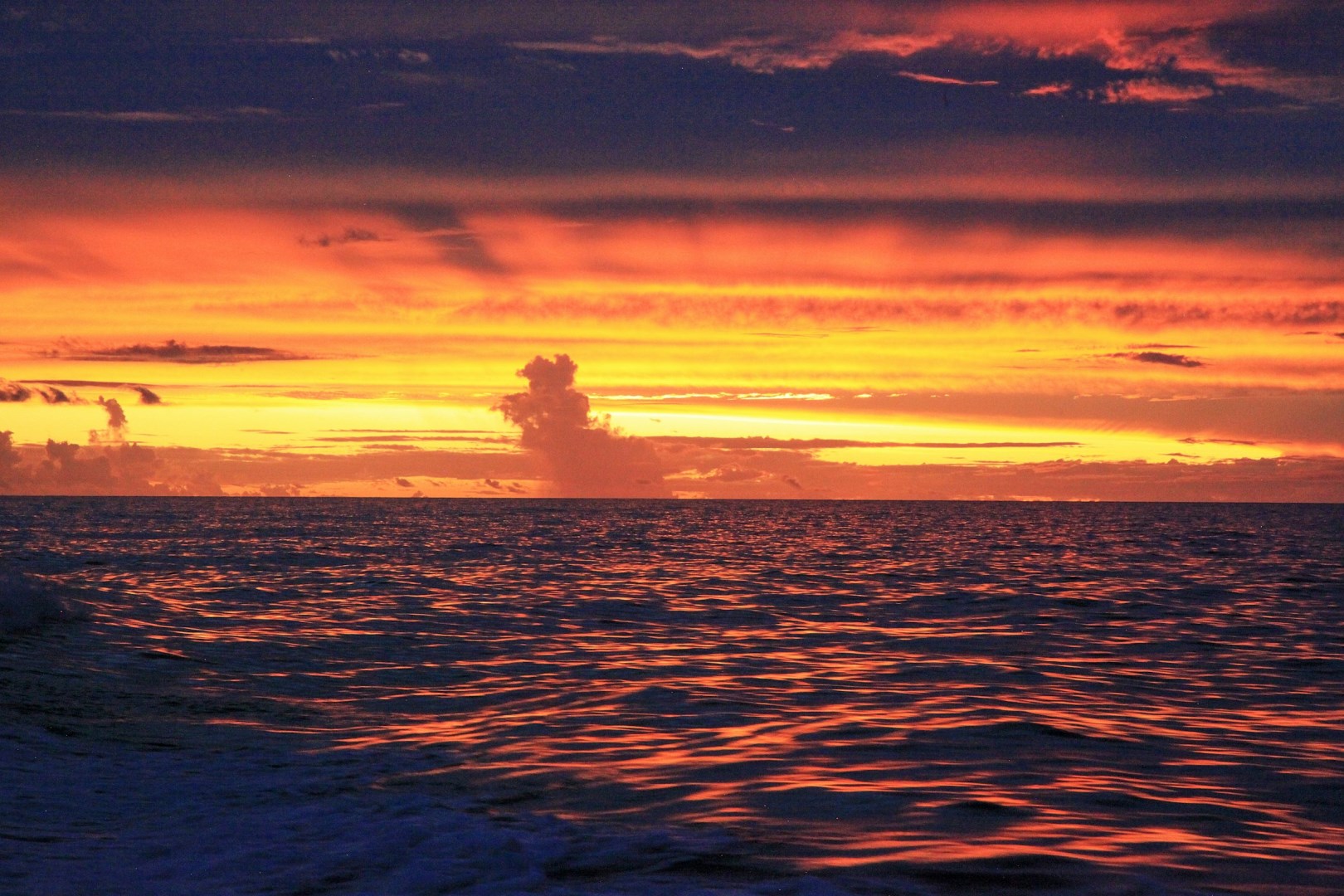
Denarau Island is a small resort and residential precinct on the western coast of Viti Levu, Fiji’s largest island, connected to the Nadi area by a short causeway.
Portrush
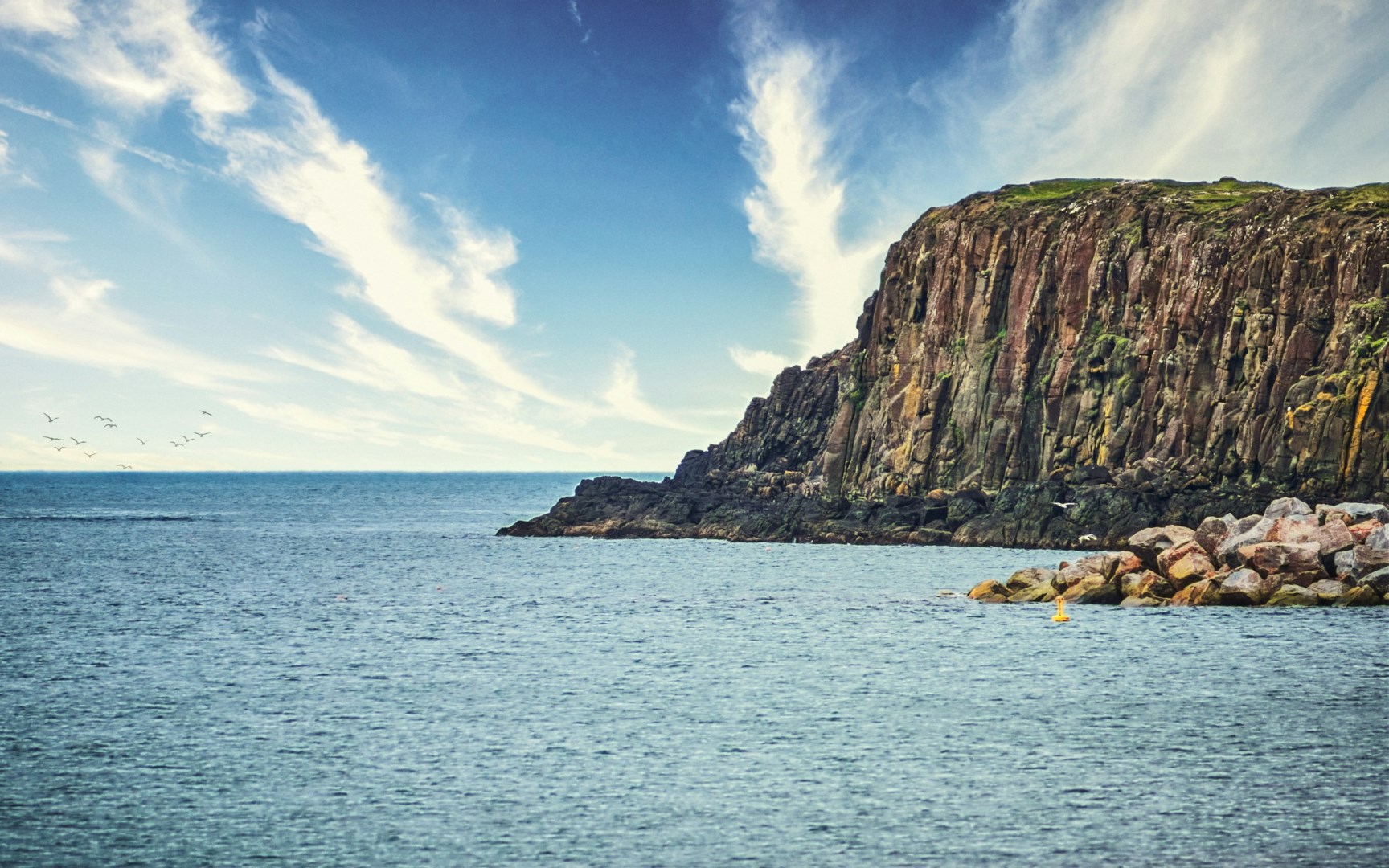
The land and seascapes of the north coast of County Antrim, Northern Ireland, are perhaps one of Europe's best kept secrets. Portrush has a beautiful position on Ramore Head peninsula jutting out into the Atlantic, with sandy beaches running east and west. The resort has the usual amenities of a seaside resort.
