

Funchal
Nestled on the sun-drenched southern coast of Madeira, Funchal, the island's capital, offers an enchanting mix of old-world charm, vibrant culture, and natural beauty. This picturesque city, set against a backdrop of rugged mountains and the deep blue Atlantic Ocean, is known for its lush botanical gardens, stunning vistas, and year-round mild climate.
Ayutthaya
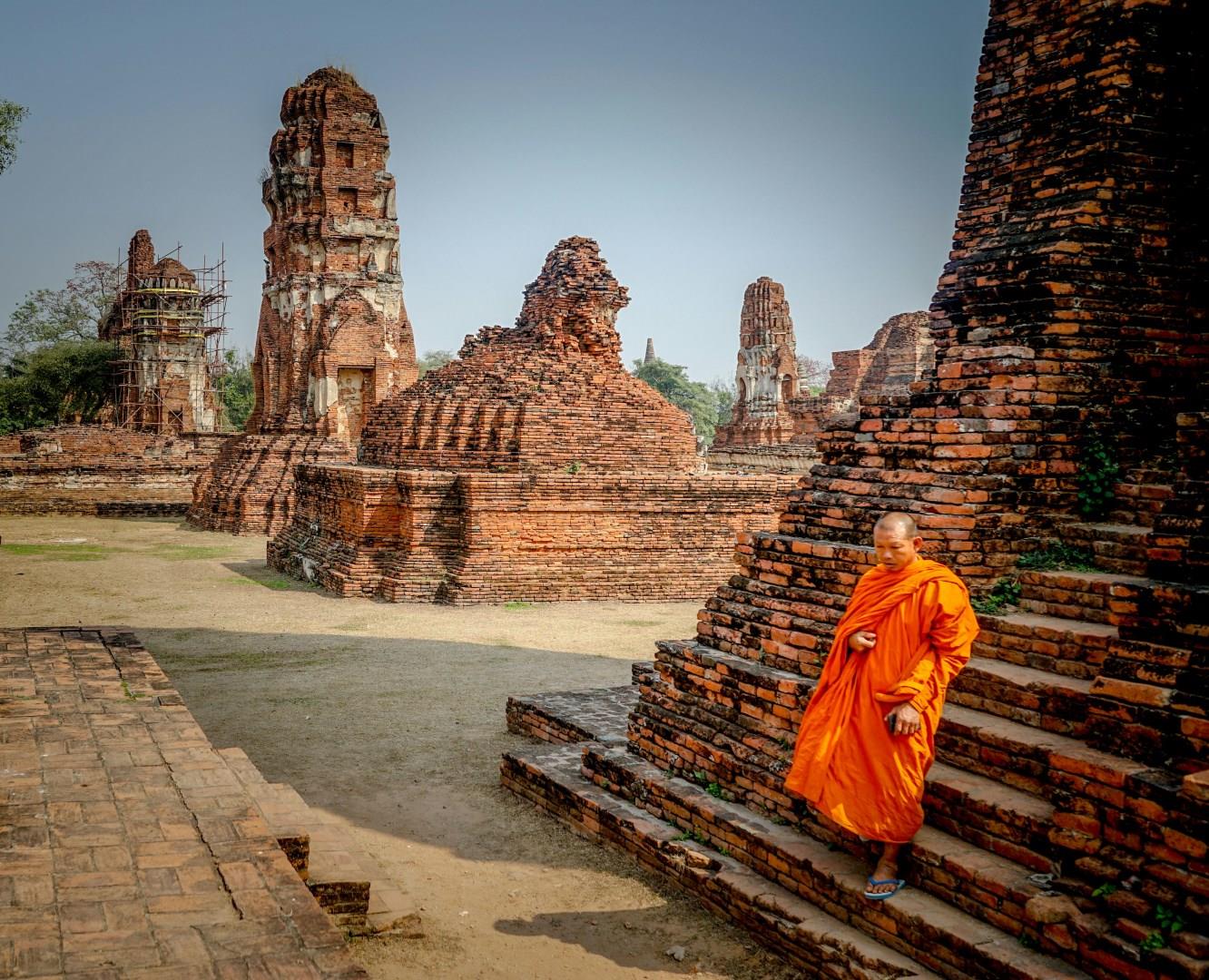
Ayutthaya, located about 80 kilometers north of Bangkok, Thailand, was the capital of the Ayutthaya Kingdom from the 14th to the 18th century. Its ruins, set among rivers and canals, reveal a once-thriving city that was a hub of trade, politics, and culture, linking Southeast Asia with China, India, and Europe.
Tuscaloosa
America's One and Only.
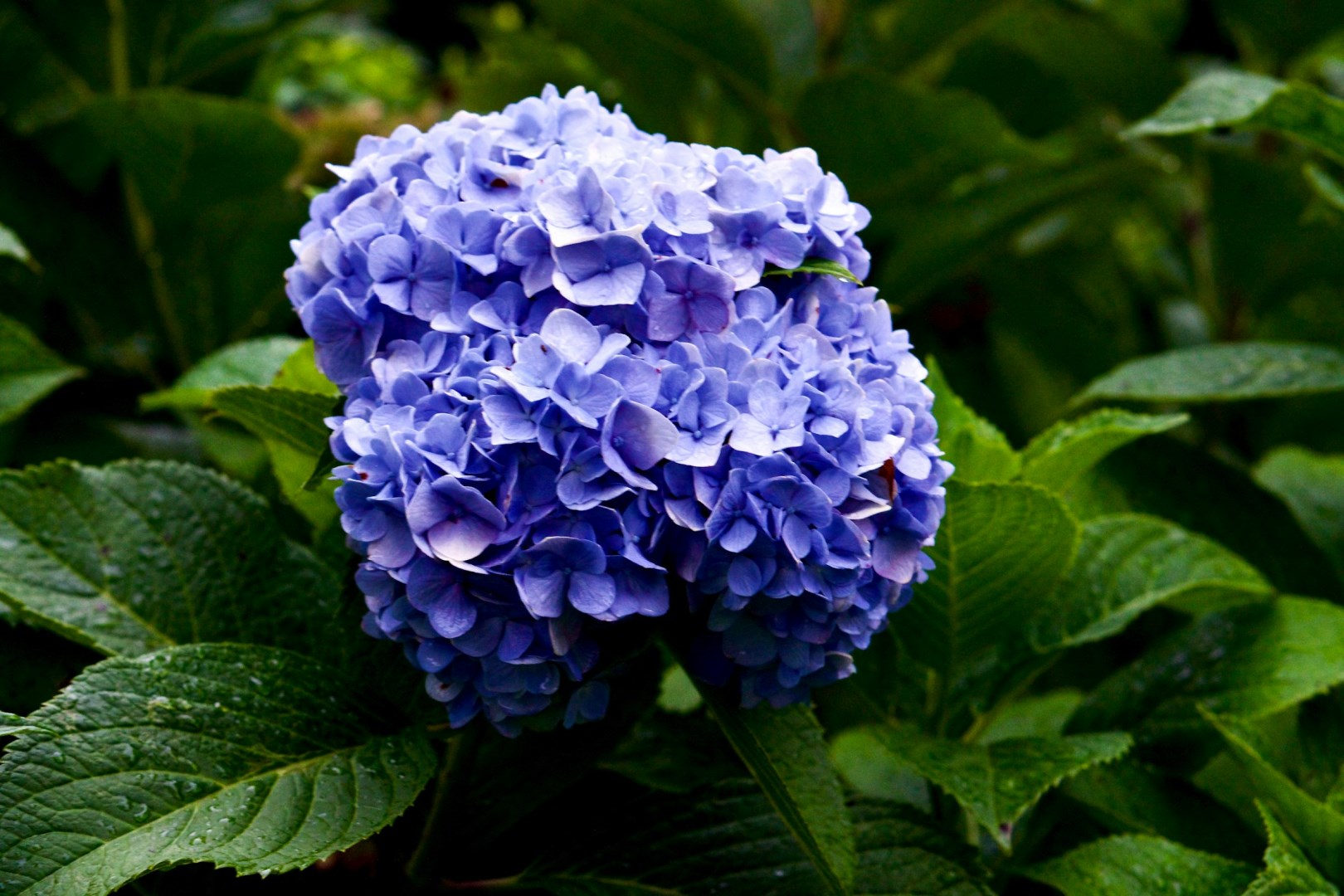
See and do it all in Greater Tuscaloosa. Every fall, the nation's eyes focus on Tuscaloosa for the best in college gridiron action at the University of Alabama's Bryant-Denny Stadium. Tuscaloosa visitors can choose from a variety of other forms of entertainment. Over 20 points of interest including a historic theater, several parks, and a variety of galleries, museums and antebellum homes radiate around the area.
Oulu
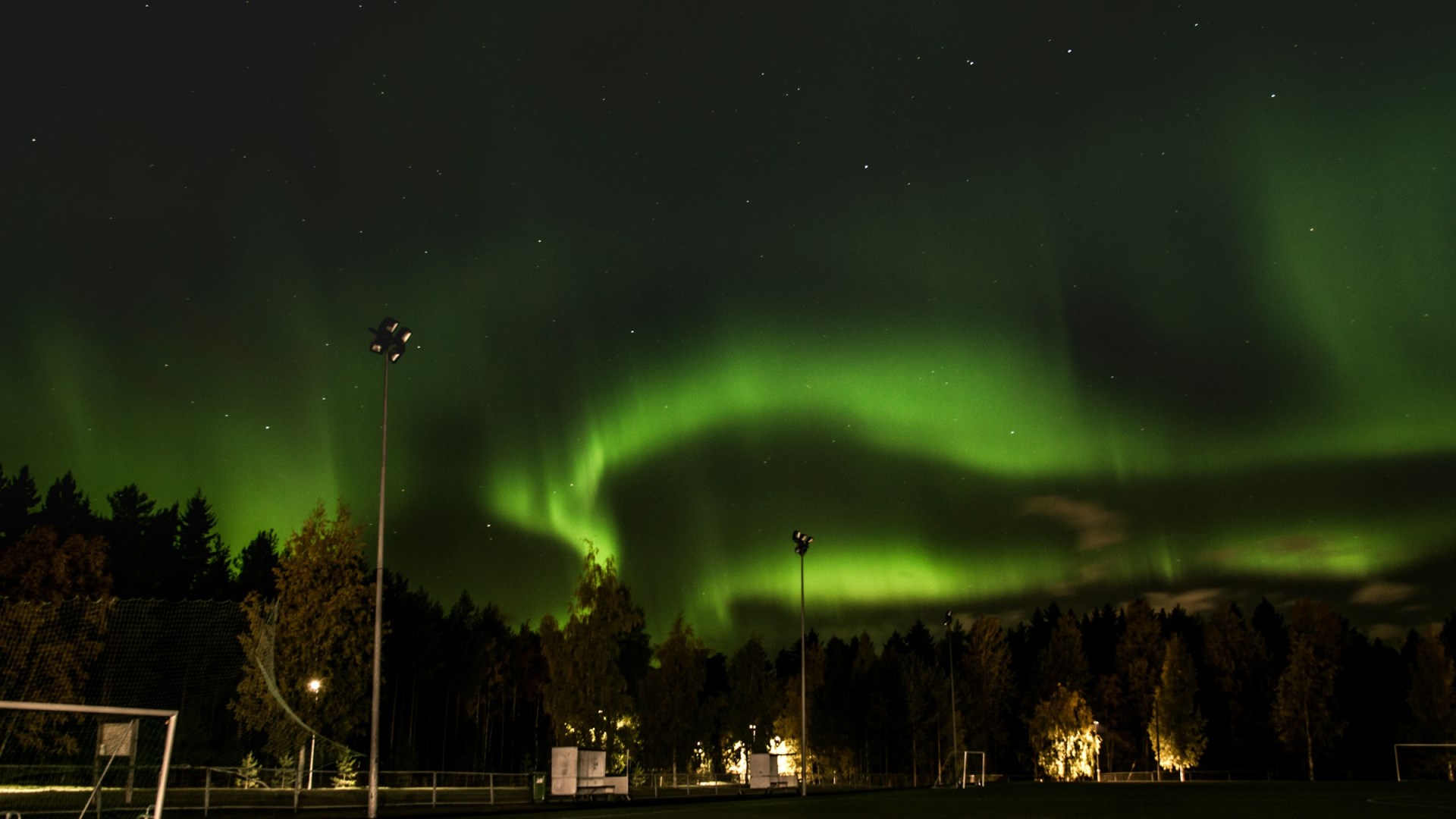
Oulu is a coastal city in northern Finland, situated where the Oulujoki River reaches the Gulf of Bothnia. It is the largest city in northern Finland and an important center for technology, education, culture, and regional services. Water shapes much of the city, with the river, shoreline, islands, and nearby wetlands providing spaces for recreation. Oulu is also known for its extensive network of cycling routes, which connects residential districts with the city center and surrounding countrysi
Canterbury
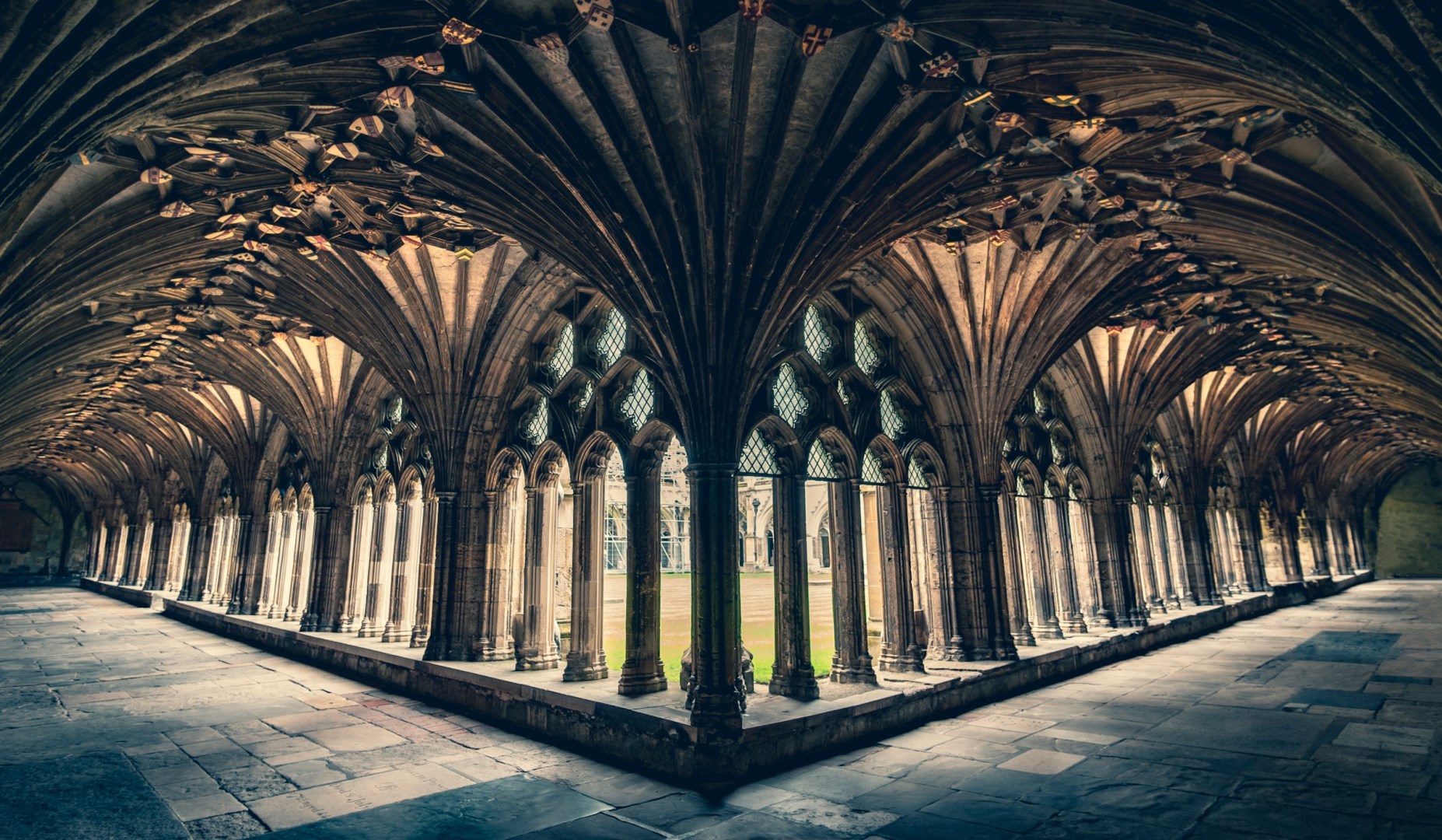
Steeped in history, Canterbury, England is a must-visit destination for lovers of medieval charm and religious significance. The centerpiece of this historic city is Canterbury Cathedral, a UNESCO World Heritage Site that has been a place of Christian worship since the 6th century. As the seat of the Archbishop of Canterbury, it is one of the most important religious buildings in England.
