

Machu Picchu
Machu Picchu is a story carved into stone, perched nearly 2,500 meters above sea level in the cloud forests of southern Peru. Built in the 15th century and later abandoned, this Inca citadel was unknown to the outside world until 1911, when explorer Hiram Bingham brought it to international attention. Today, it remains remarkably well-preserved, with more than 150 stone structures, terraced fields, ceremonial fountains, and temples aligned with astronomical events.
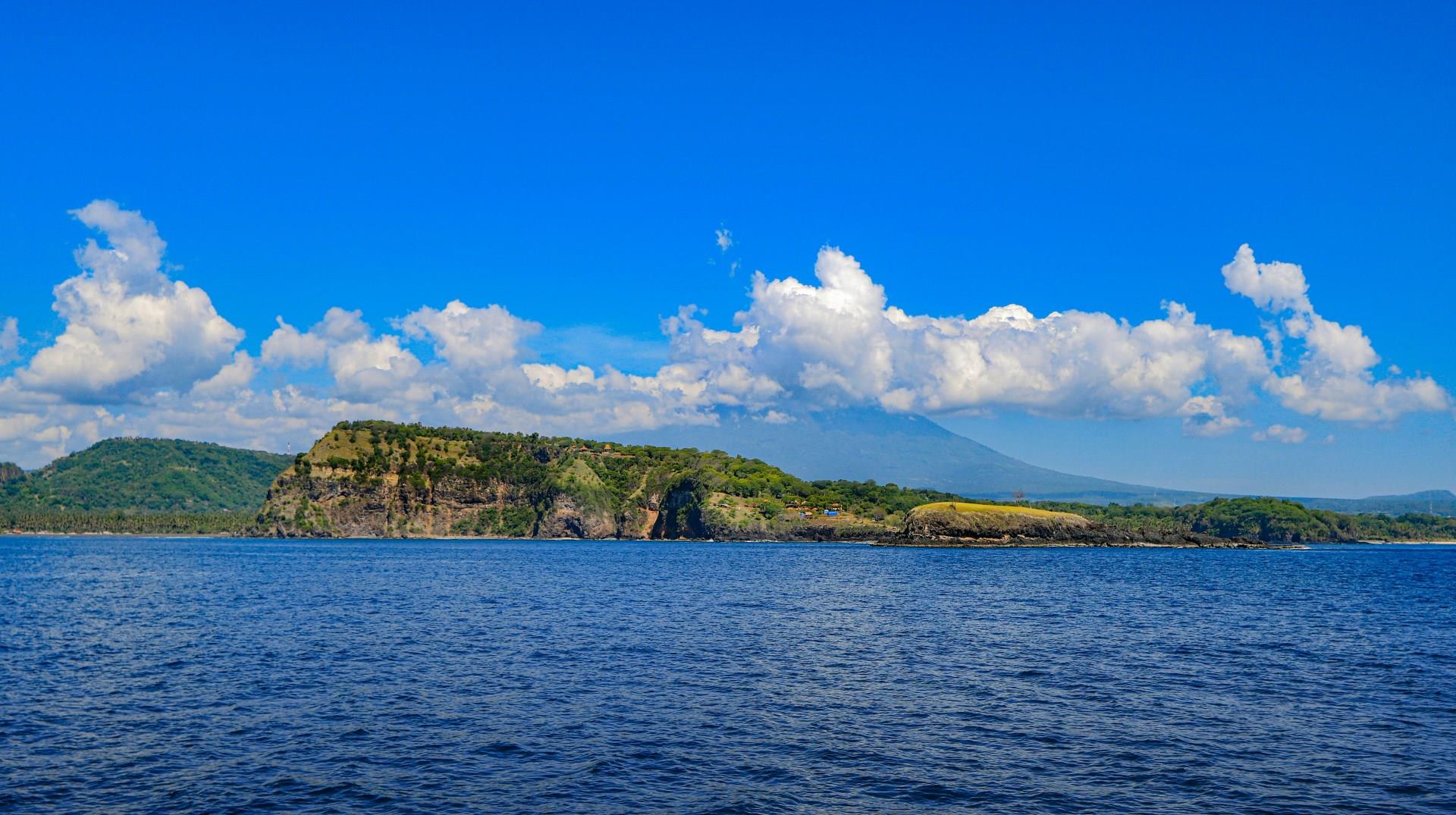
Candi Dasa
Candi Dasa lies along Bali’s quieter east coast, where the village grew around a coastal lagoon once used for ritual and fishing life. Its development has remained low-key compared to southern Bali, and local temples and daily offerings reflect a rhythm shaped more by tradition than tourism.

Dominica
Dominica, known as the “Nature Island of the Caribbean,” is a haven for eco-tourists and adventure seekers. Nestled between the French islands of Guadeloupe and Martinique, this lush island boasts a remarkable landscape of volcanic mountains, dense rainforests, and stunning waterfalls. Dominica’s most iconic natural wonder is the Boiling Lake, the second-largest hot spring in the world.
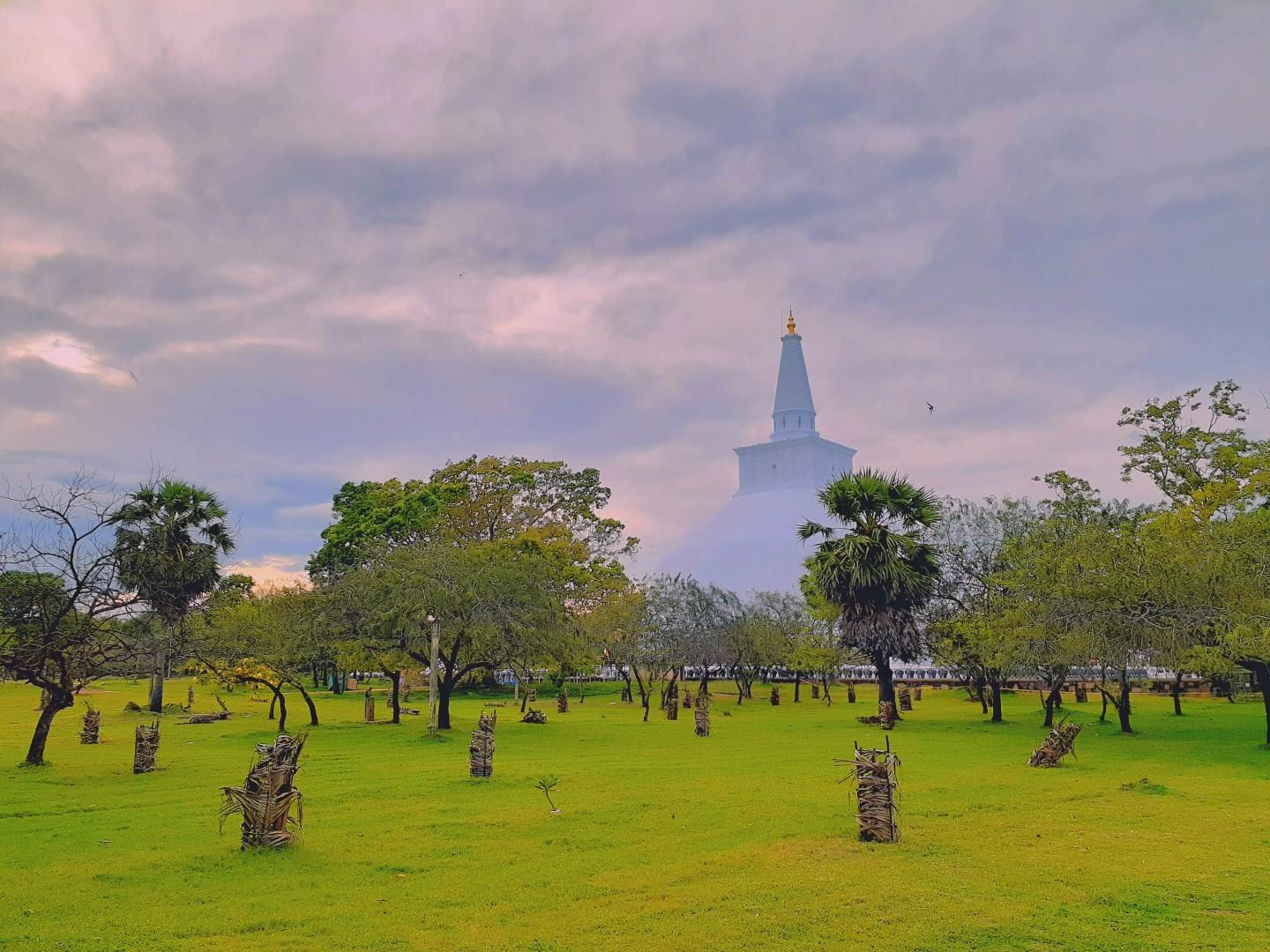
Anuradhapura
Anuradhapura, located in Sri Lanka’s North Central Province, is one of the oldest continuously inhabited cities in the world. It served as the island’s capital for more than a millennium, beginning in the 4th century BCE. Today, its vast archaeological complex spans several square kilometers and includes some of South Asia’s most significant Buddhist monuments.
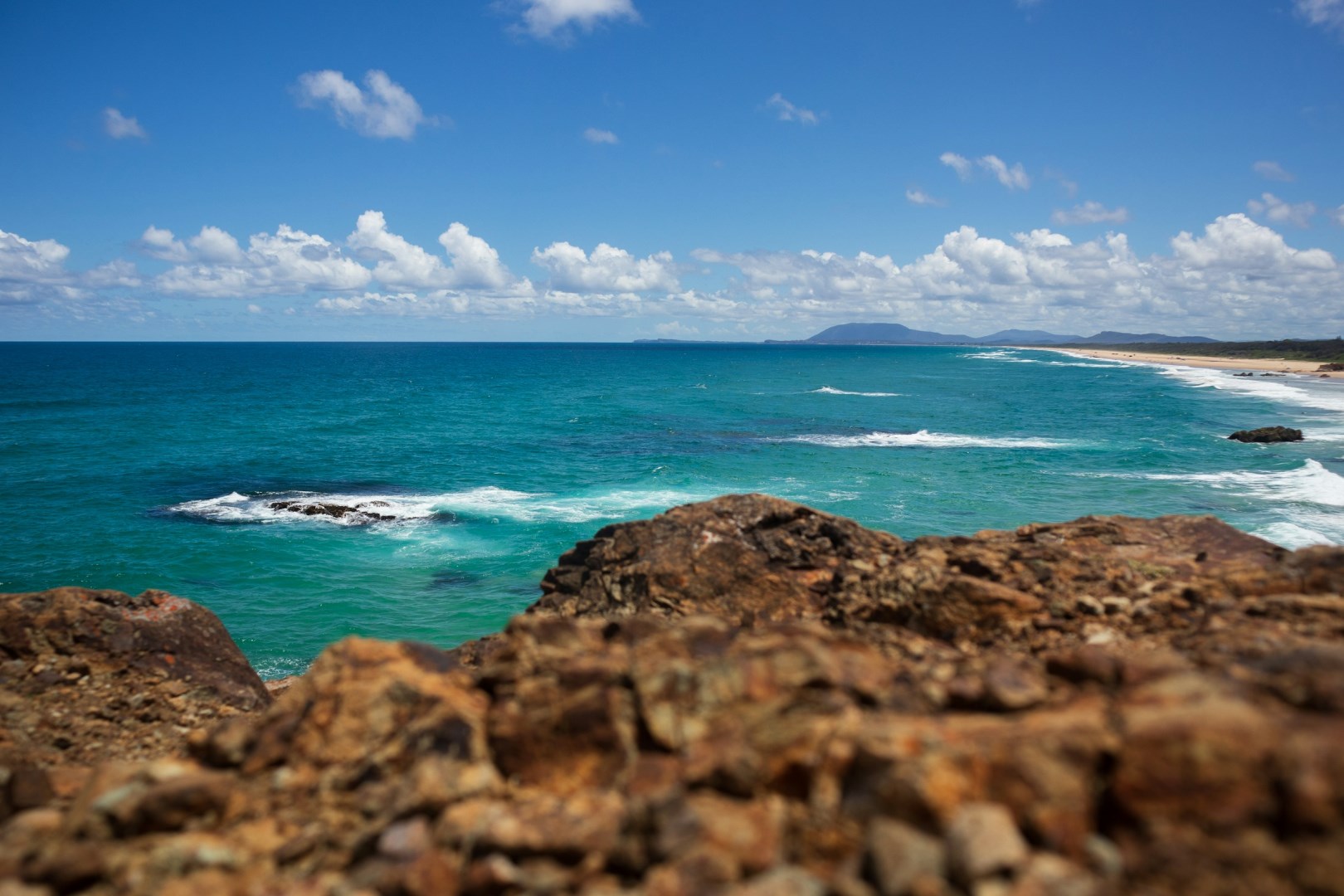
Port Macquarie
Port Macquarie is situated on the Hastings River and surrounded by several beaches, along its coast. There are plenty of shops around Port Macquarie town centre including a number of different shops including surfing shops, craft and gift shops, antique shops, as well as large shopping malls like Port Central and Settlement Point Peninsula.
