

Wyoming
From Yellowstone National Park to the towering peaks of the Grand Tetons, Wyoming is home to some of the most dramatic and diverse landscapes in the country.
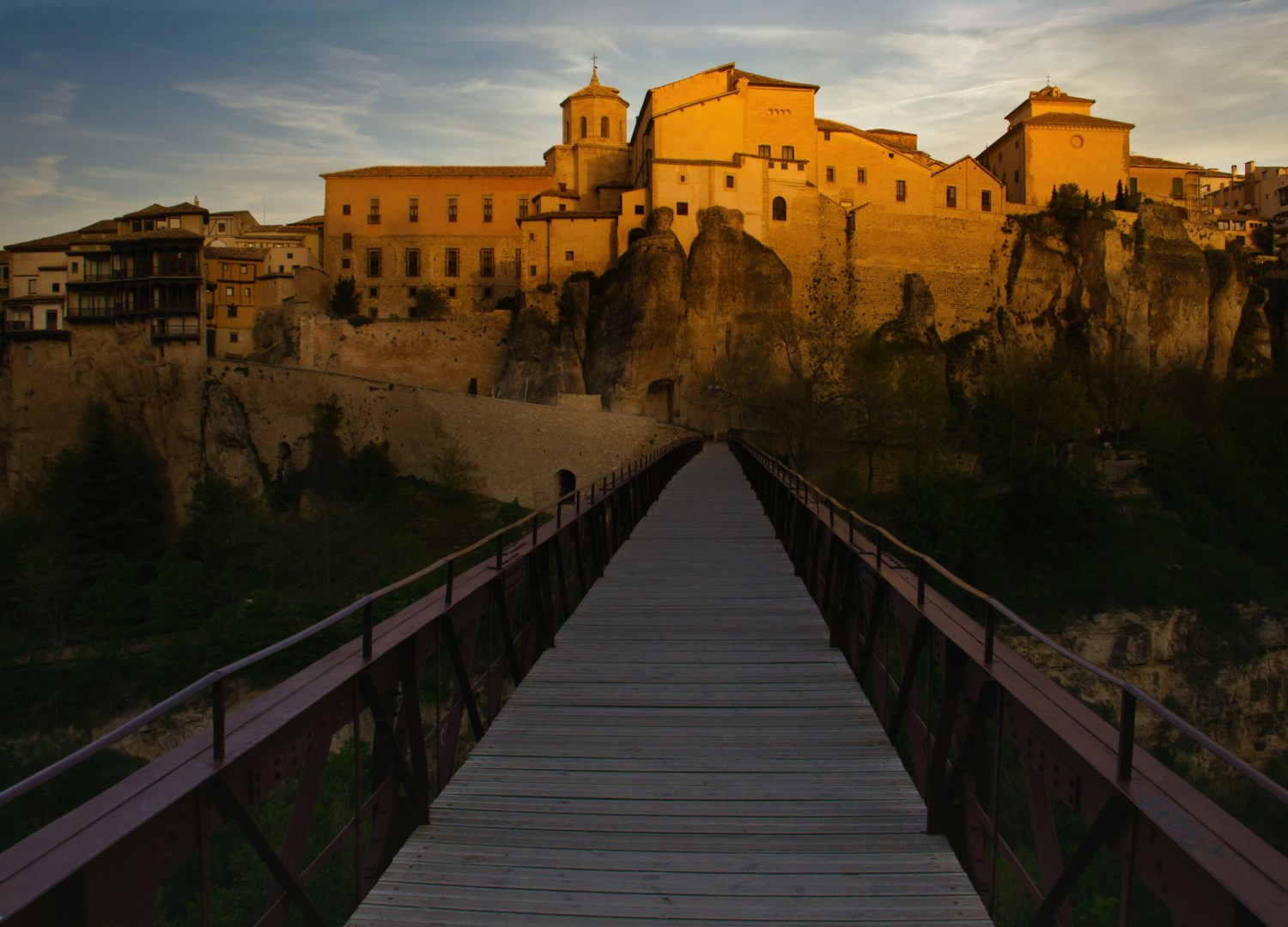
Cuenca
This cliff-side town with it's iconic hanging houses is a true marvel! Walking the steep cobblestone streets surrounded by medieval architecture, you'll feel like you've stepped into a storybook.
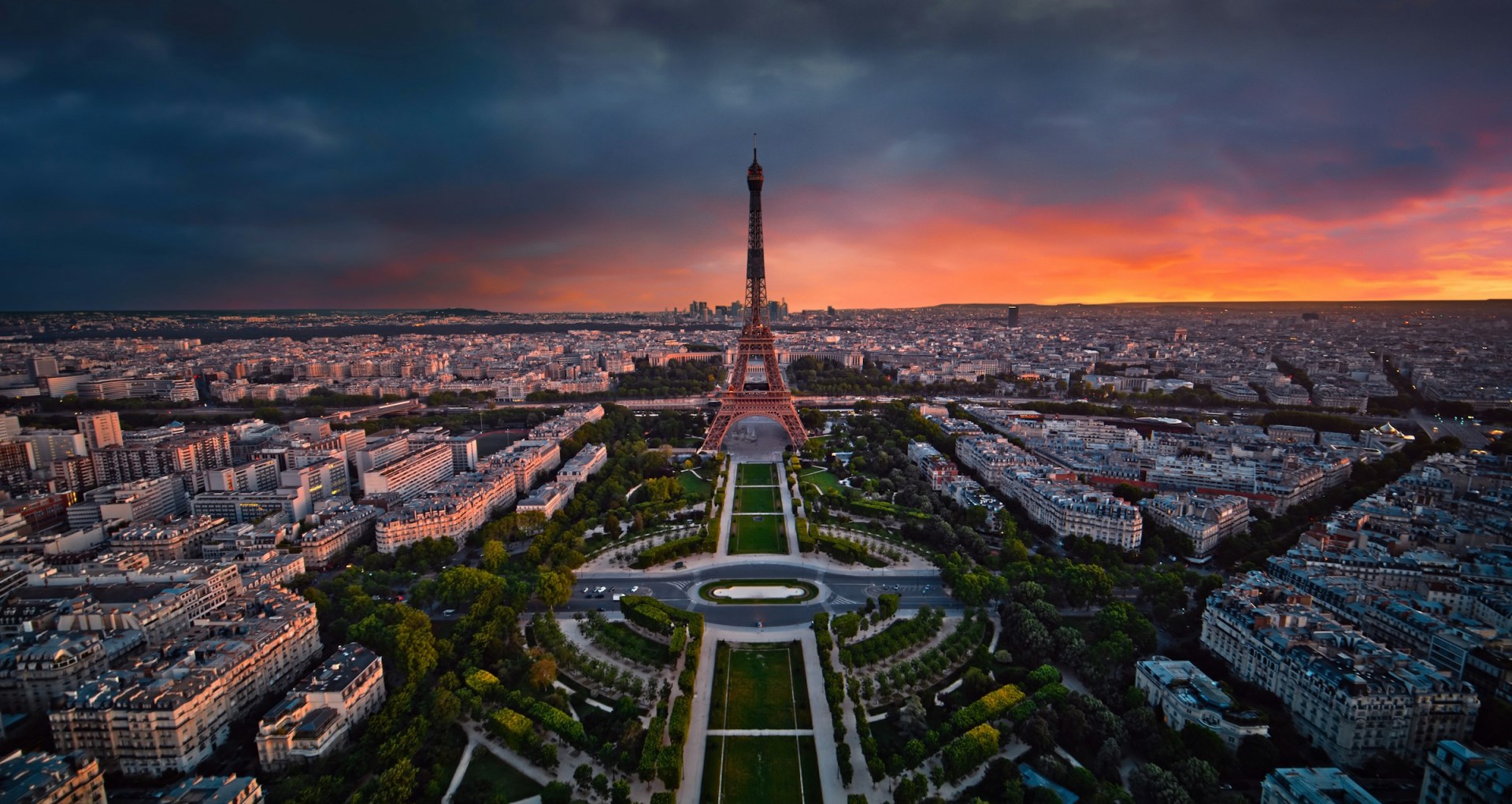
Paris
France's capital and most populated city, Paris is an alluring destination and an essential stop for any global traveler. A center of fashion, gastronomy, and the arts. Major tourist attractions in the City of Lights include the Eiffel Tower (such great heights!), the Louvre (home of the Mona Lisa and Venus de Milo), the Arc de Triomphe, and Grand Palais.
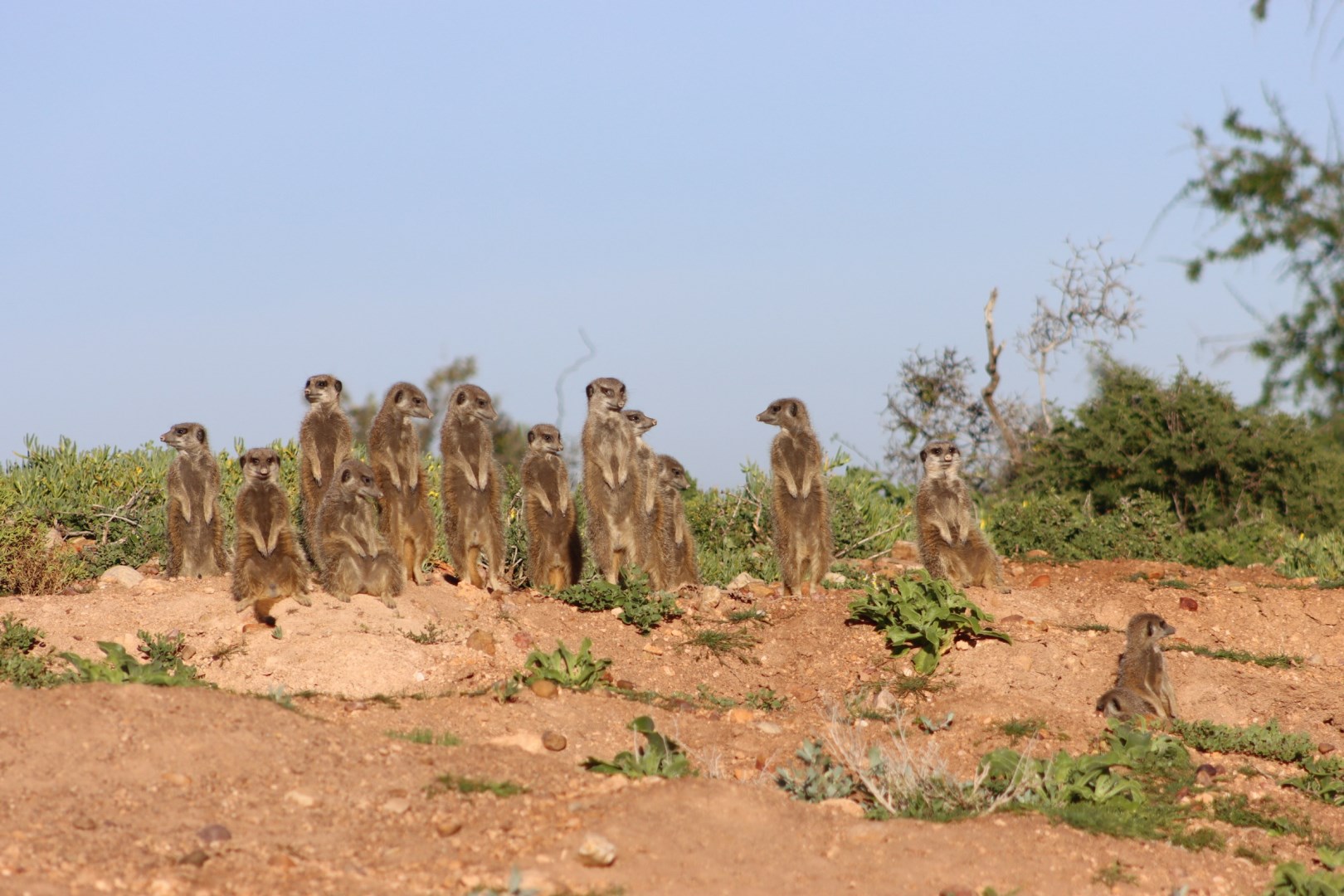
Oudtshoorn
Visit Oudtshoorn, the principal town of the Little Karoo, where you will be welcomed with hospitality which has become synonymous with the people of the Klein Karoo.

New Caledonia
New Caledonia is an archipelago located in the south western part of the Pacific Ocean, and belongs to what is known as Melanesia. The mainland known as the "Grande Terre" is the principal island of New Caledonia and covers an area of 400 kms north to south and 50 kms west to east, with a total surface of 19 000 square meters. It is the third largest island in the South Pacific after New Guinea and New Zealand.
