

Jamaica
From the rhythmic sounds of Bob Marley to the breathtaking views of the Blue Mountains, Jamaica offers a mix of adventure and relaxation that caters to every type of traveler. The island offers a wealth of cultural experiences. Kingston, the capital city, is home to the Bob Marley Museum, where visitors can learn about the legendary musician and his influence on global culture. The historic town of Falmouth showcases Georgian architecture and offers insight into Jamaica's colonial past.
Nikko
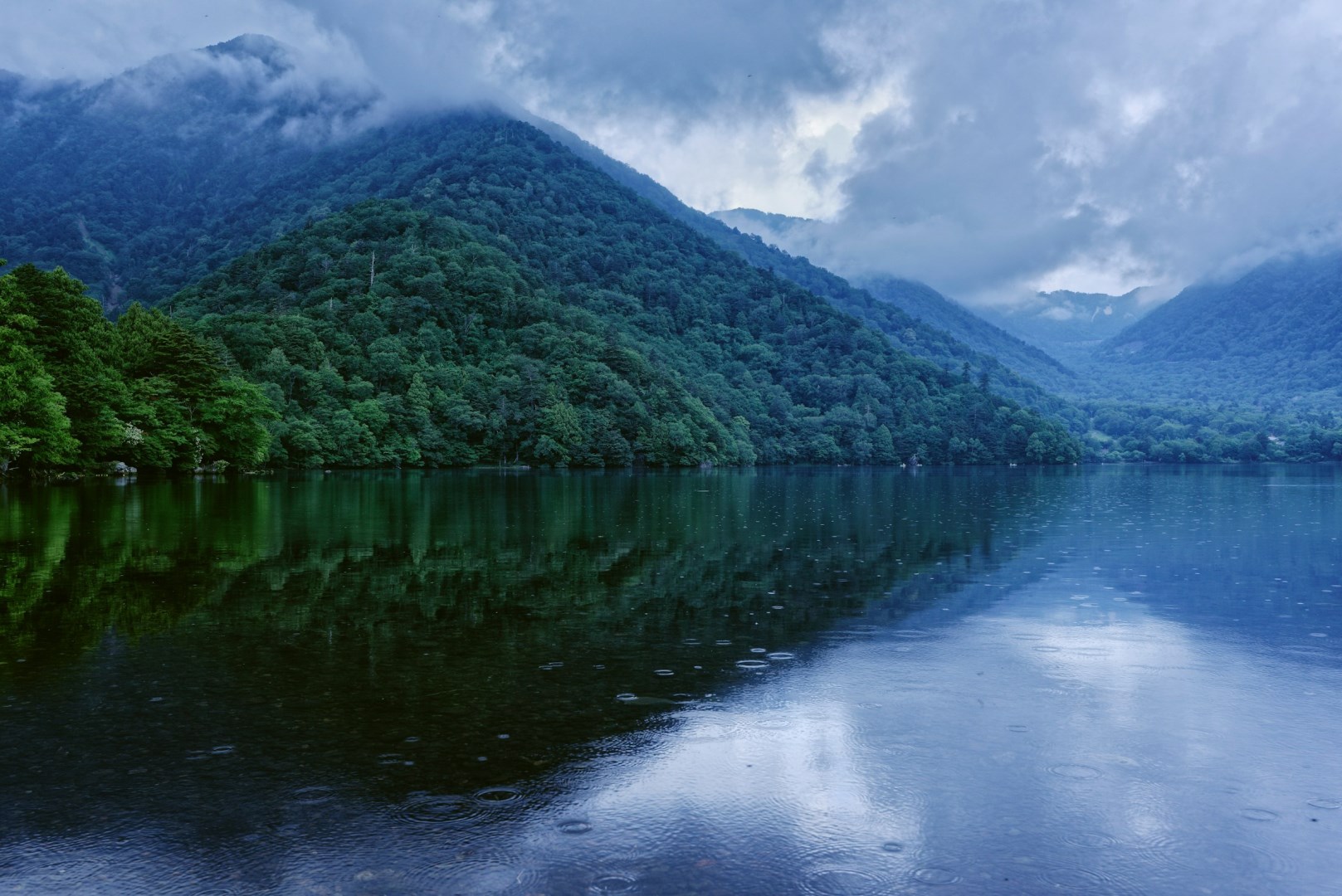
Nikko lies in Tochigi, about two hours from Tokyo. Nikko is famous for the large Toshogu shrine area and the nature around the city.

Marrakesh
Marrakesh, a vibrant jewel in the heart of Morocco, is a city where ancient traditions blend seamlessly with modern allure. Known as the "Red City" for its rose-hued buildings and walls, Marrakesh offers a sensory experience unlike any other. The city’s medina, a UNESCO World Heritage Site, is a labyrinth of narrow alleyways, bustling souks, and hidden courtyards.
Amelia Island
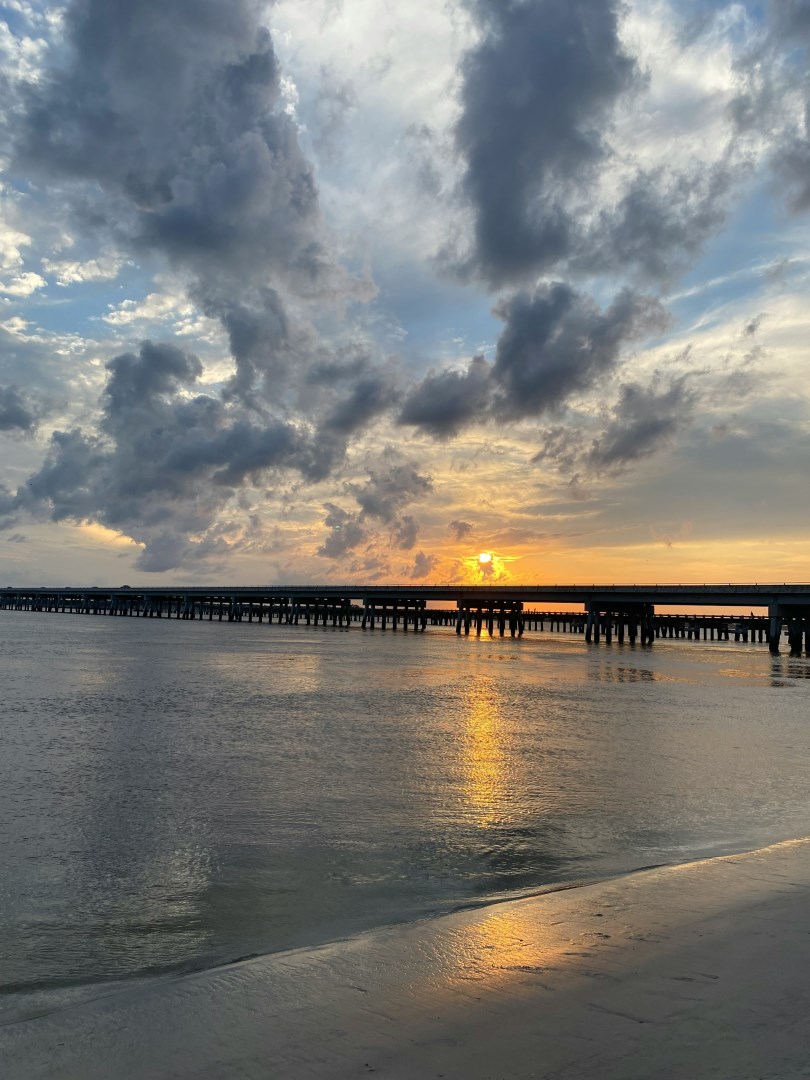
Amelia Island is a popular favorite of honeymooners where you can enjoy sun, sand, surf, horseback riding and everything Florida.
Sukhothai
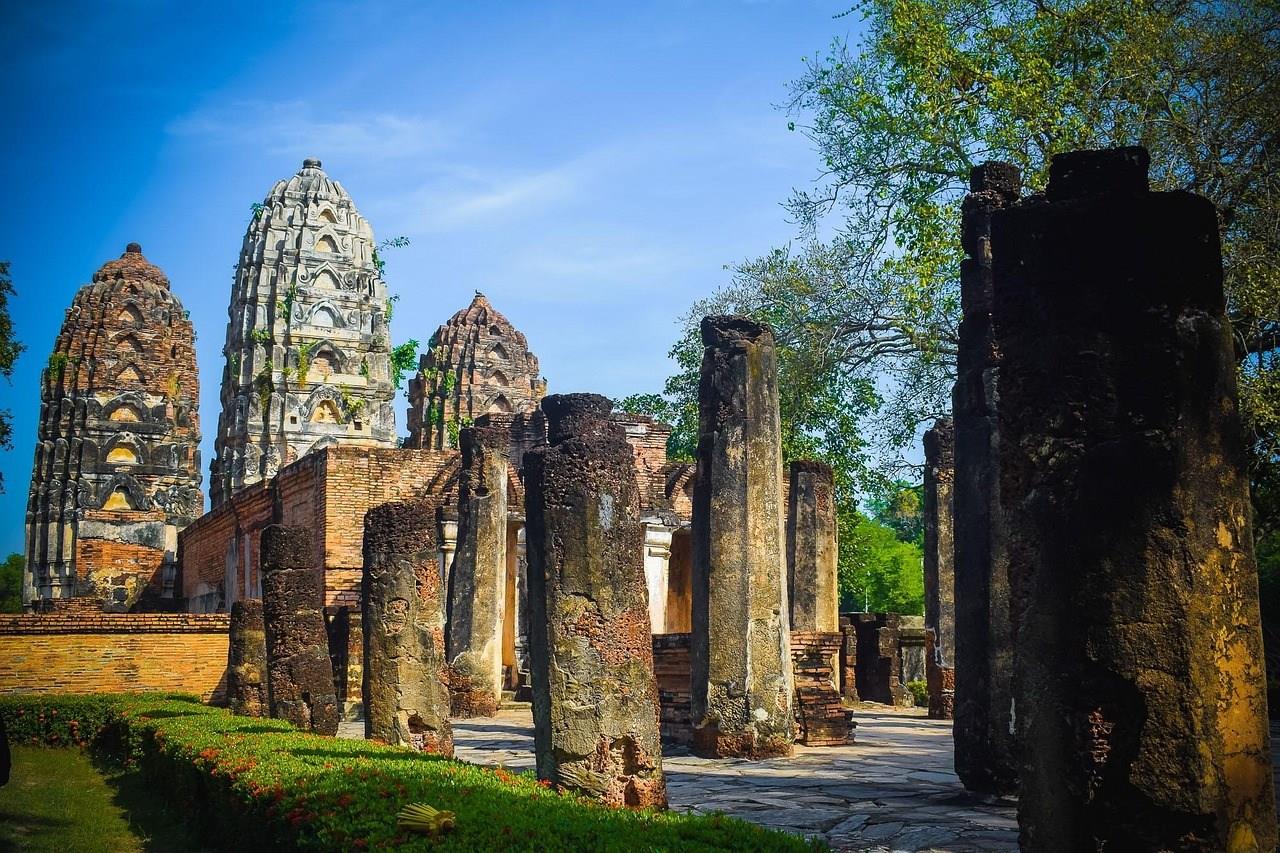
Sukhothai, located in north-central Thailand, was once the capital of the first independent Thai kingdom in the 13th century. Today, it’s best known for the Sukhothai Historical Park, a UNESCO World Heritage Site filled with stone temples, lotus-filled moats, and ancient Buddha statues. The park spans over 70 square kilometers and features more than 190 ruins.
