

Korčula
Korčula, a jewel in Croatia's Adriatic Sea, invites visitors to immerse themselves in its rich history and stunning natural beauty. Often referred to as "Little Dubrovnik," the city boasts well-preserved medieval architecture, narrow cobblestone streets, and a fortified old town encircled by ancient walls.

Dominica
Dominica, known as the “Nature Island of the Caribbean,” is a haven for eco-tourists and adventure seekers. Nestled between the French islands of Guadeloupe and Martinique, this lush island boasts a remarkable landscape of volcanic mountains, dense rainforests, and stunning waterfalls. Dominica’s most iconic natural wonder is the Boiling Lake, the second-largest hot spring in the world.
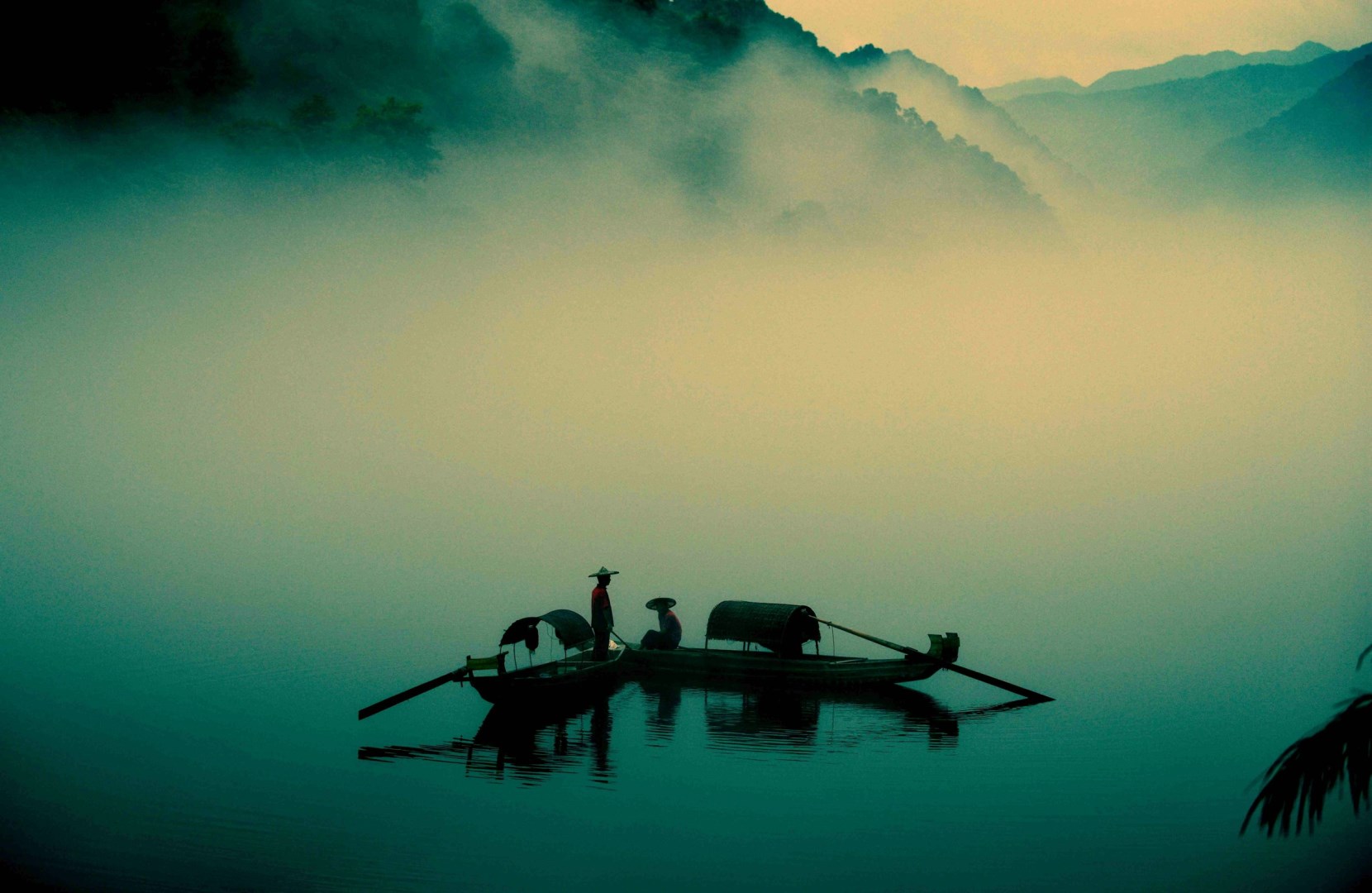
China
China, the world’s most populous country, stretches across vast landscapes ranging from the towering Himalayas and deserts of the north to fertile river valleys and bustling coastal cities. Its rich history spans thousands of years, marked by dynasties, inventions, and cultural developments that have left a lasting imprint on art, architecture, and philosophy.

Montréal
Montréal is a city shaped by layers of French and British history, with modern flair built into every corner. Founded in 1642 as Ville-Marie, it’s one of the oldest cities in North America. Visitors walking through Old Montréal will find cobblestone streets, 18th-century buildings, and landmarks like the Notre-Dame Basilica, known for its deep blue interior and grand organ with over 7,000 pipes.
Kanchanaburi
Kanchanaburi, a province in western Thailand, is best known for its poignant history and lush landscapes. It was here that Allied prisoners of war and Asian laborers were forced to build the infamous Death Railway during World War II, including the Bridge over the River Kwai, which remains a powerful symbol of resilience.
