

Pula
Pula, a historic city located on the Istrian Peninsula in Croatia, is renowned for its impressive Roman heritage and vibrant cultural scene. The city's centerpiece is the Pula Arena, one of the best-preserved Roman amphitheaters in the world. This monumental structure, built in the 1st century AD, offers visitors a glimpse into ancient spectacles and gladiatorial contests. Today, it hosts various events, including concerts and film festivals.
Mai Chau
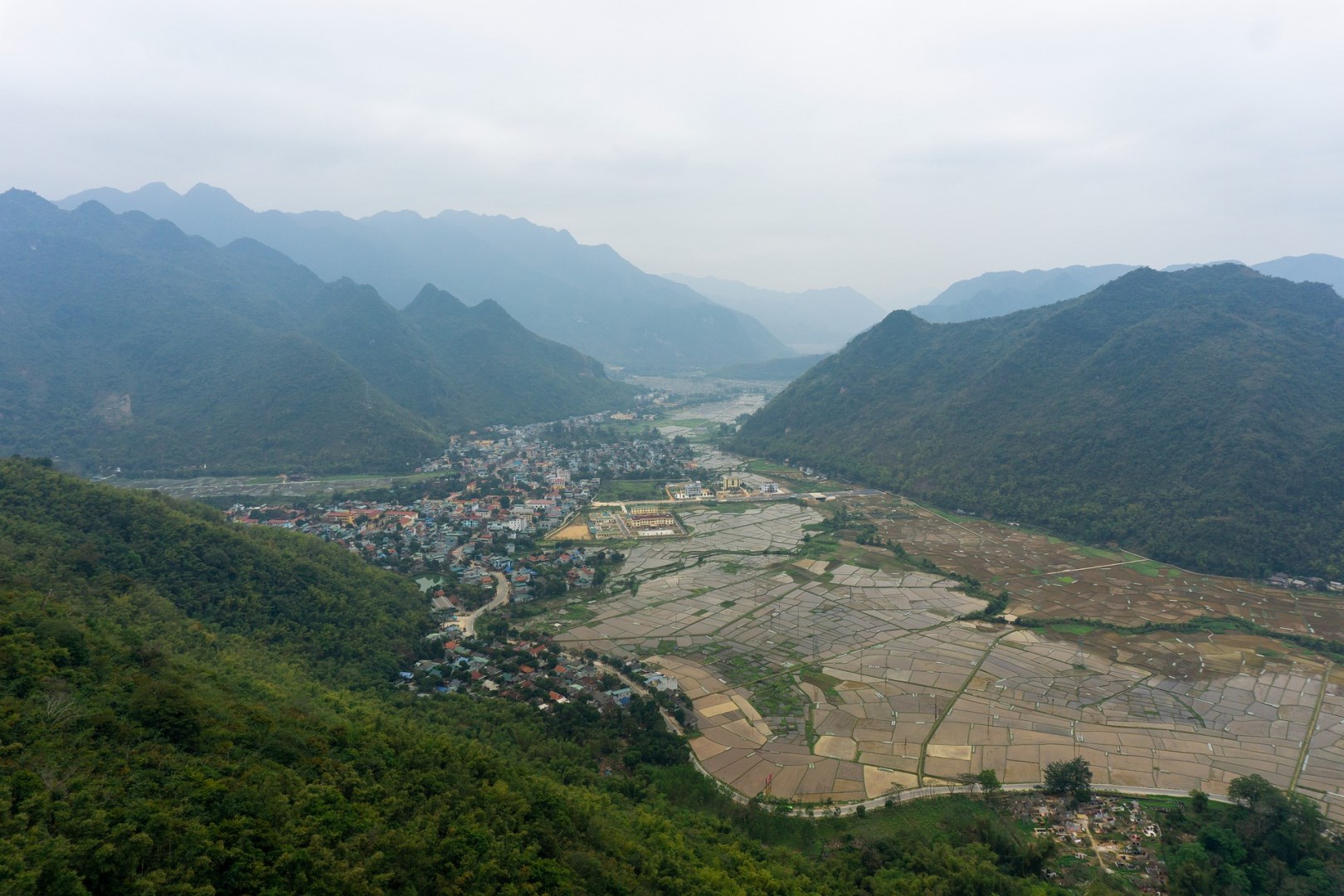
Mai Chau is a rural valley in Hoa Binh Province in northern Vietnam, located several hours west of Hanoi and surrounded by limestone mountains and rice fields. The area is known for its quiet villages, elevated wooden stilt houses, and the daily life of the White Thai ethnic community.

Cabo Verde
Located off the coast of West Africa, Cape Verde (Cabo Verde) is an archipelago that is sure to enchant visitors with its unique blend of African and Portuguese influences. This group of ten volcanic islands boasts dramatic landscapes, from the barren, rugged mountains of Fogo Island to the lush, green hills of Santo Antão. With its stunning landscapes, lively culture, and warm hospitality, Cape Verde offers a wide range of activities for all sorts of travelers.
Ulaanbaatar
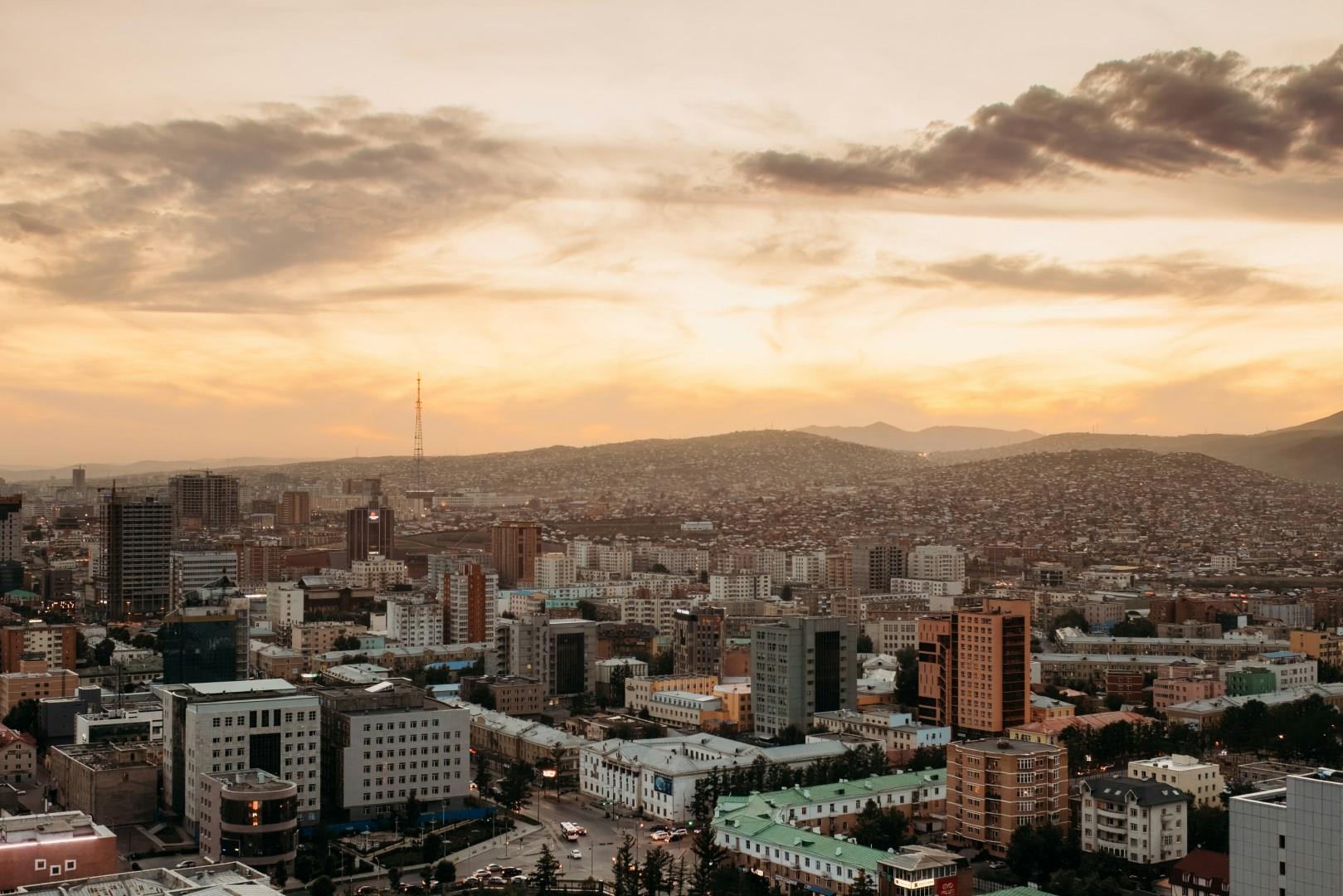
Ulaanbaatar, the capital of Mongolia, is a city where tradition and modern life intertwine. Nestled in a valley surrounded by mountains, it serves as the country’s cultural, political, and economic hub. The city’s skyline features a mix of Soviet-era architecture, Buddhist monasteries, and contemporary high-rises.
Brasília
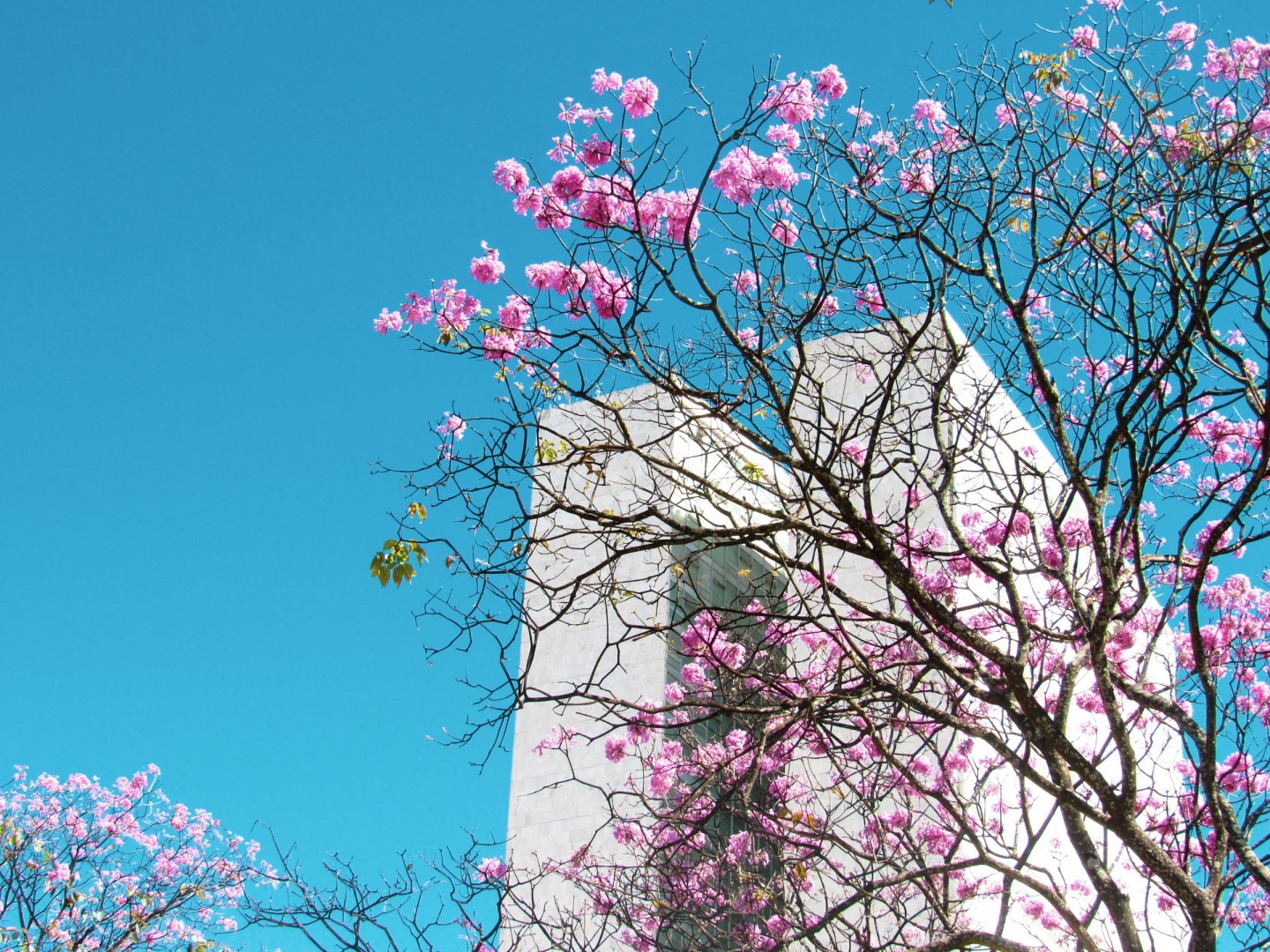
Brasília may be a World Heritage Site, but it is only of interest to town planning and architecture students, and those keen to witness the folly of man on a metropolitan scale. It must have looked good on paper, and still looks good in photos, but in the flesh, forget it. Designed by architect Oscar Niemeyer, urban planner Lucio Costa, and landscape architect Burle Marx, the city was built in an incredible three years between 1957 and 1960.
