

Capri
Capri, a jewel of the Tyrrhenian Sea, has long been a favorite retreat for emperors, artists, and writers. This enchanting island off Italy's Amalfi Coast captivates with its dramatic cliffs, turquoise waters, and timeless elegance. The most iconic sight on Capri is the Blue Grotto, a sea cave illuminated by a magical blue light created by sunlight passing through an underwater cavity.
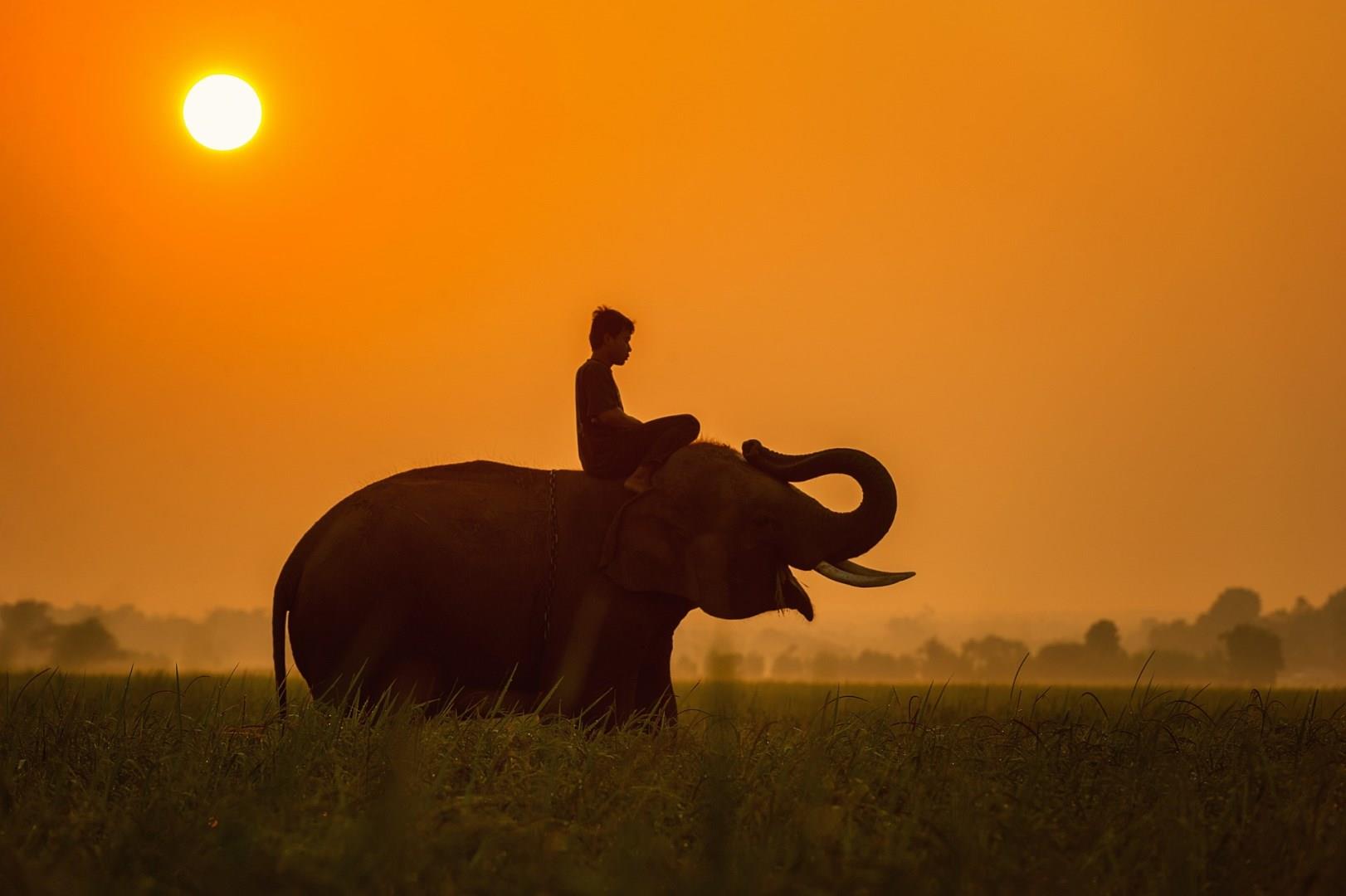
Cambodia
Cambodia, located in Southeast Asia, is a country known for its rich history, ancient temples, and vibrant culture. The landscape is diverse, with the Mekong River flowing through fertile plains, lush forests, and scenic highlands.
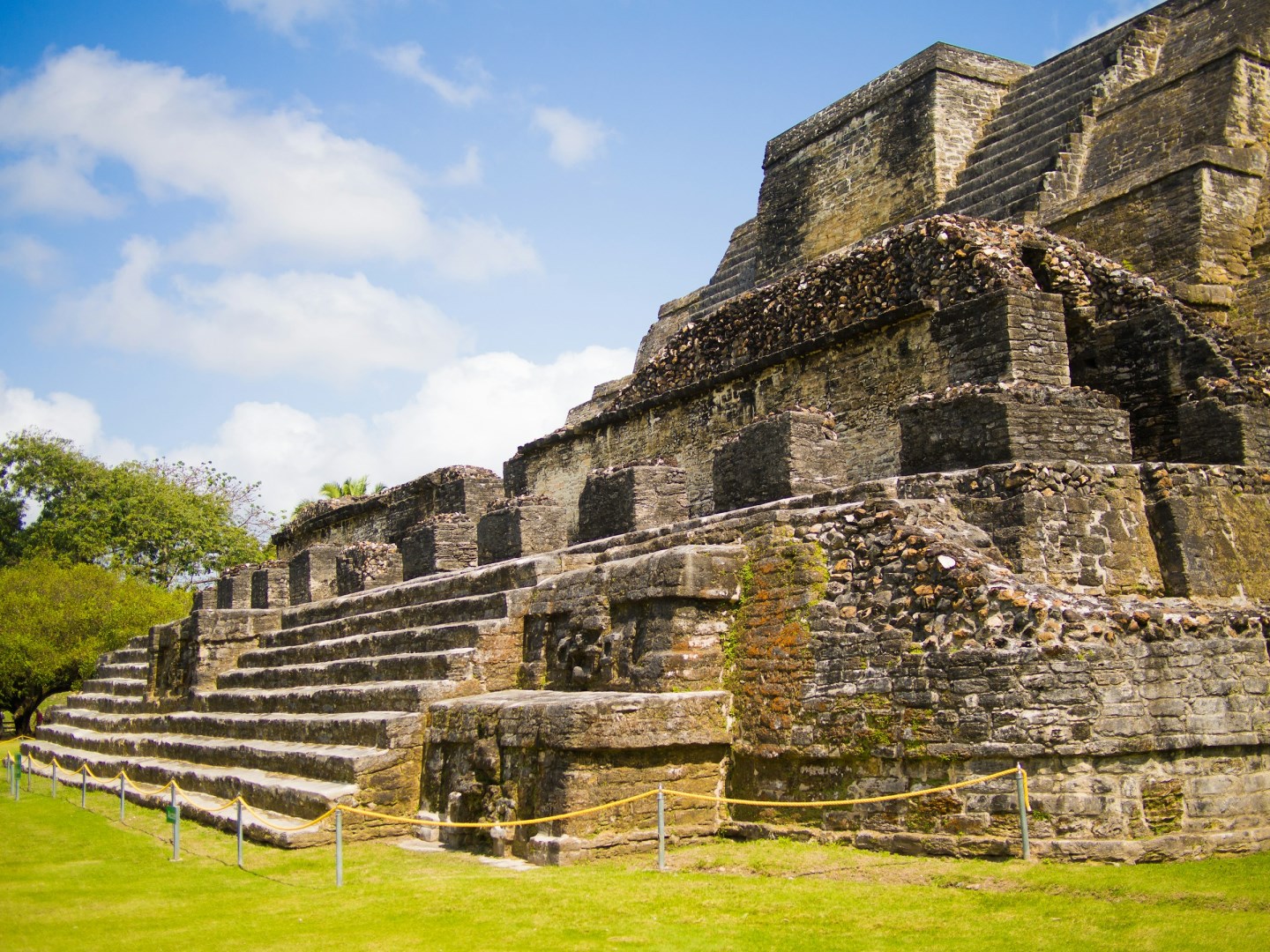
Altun Ha
Altun Ha, where archaeologists found a nine-pound jade carving among these ruins, the largest ever uncovered in a Mayan civilation.
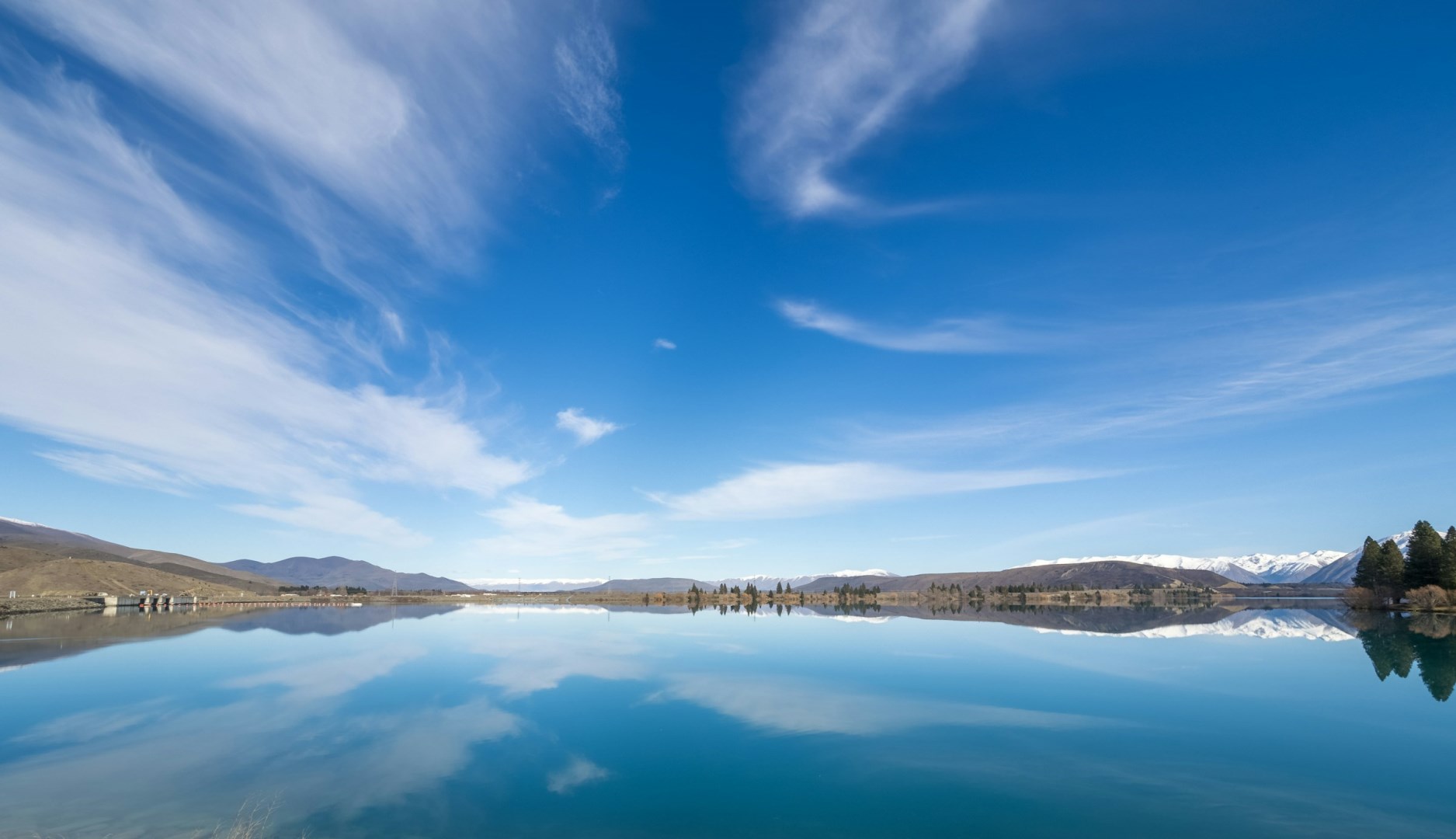
Lake Ōhau
Lake Ōhau, nestled in the Mackenzie Basin of New Zealand’s South Island, is a serene and striking alpine lake framed by the Southern Alps. Its clear, turquoise waters reflect the surrounding mountains, creating vistas that captivate visitors at every turn. The lake’s remote location and relatively low visitor numbers make it an ideal destination for those seeking a peaceful retreat, with opportunities to fish, kayak, or simply take in the sweeping scenery along its shores.

Fakarava
Fakarava, a hidden paradise in French Polynesia, is an ideal destination for those seeking unspoiled natural beauty and adventure. This atoll, part of the Tuamotu Archipelago, is known for its pristine coral reefs and crystal-clear lagoons.
