

Melbourne
A vibrant cultural center in the land “Down Under,” Melbourne, Australia will entice you with its aromatic cafés, lush nature parks, immersive museums, and dedication to the arts.
Surat Thani
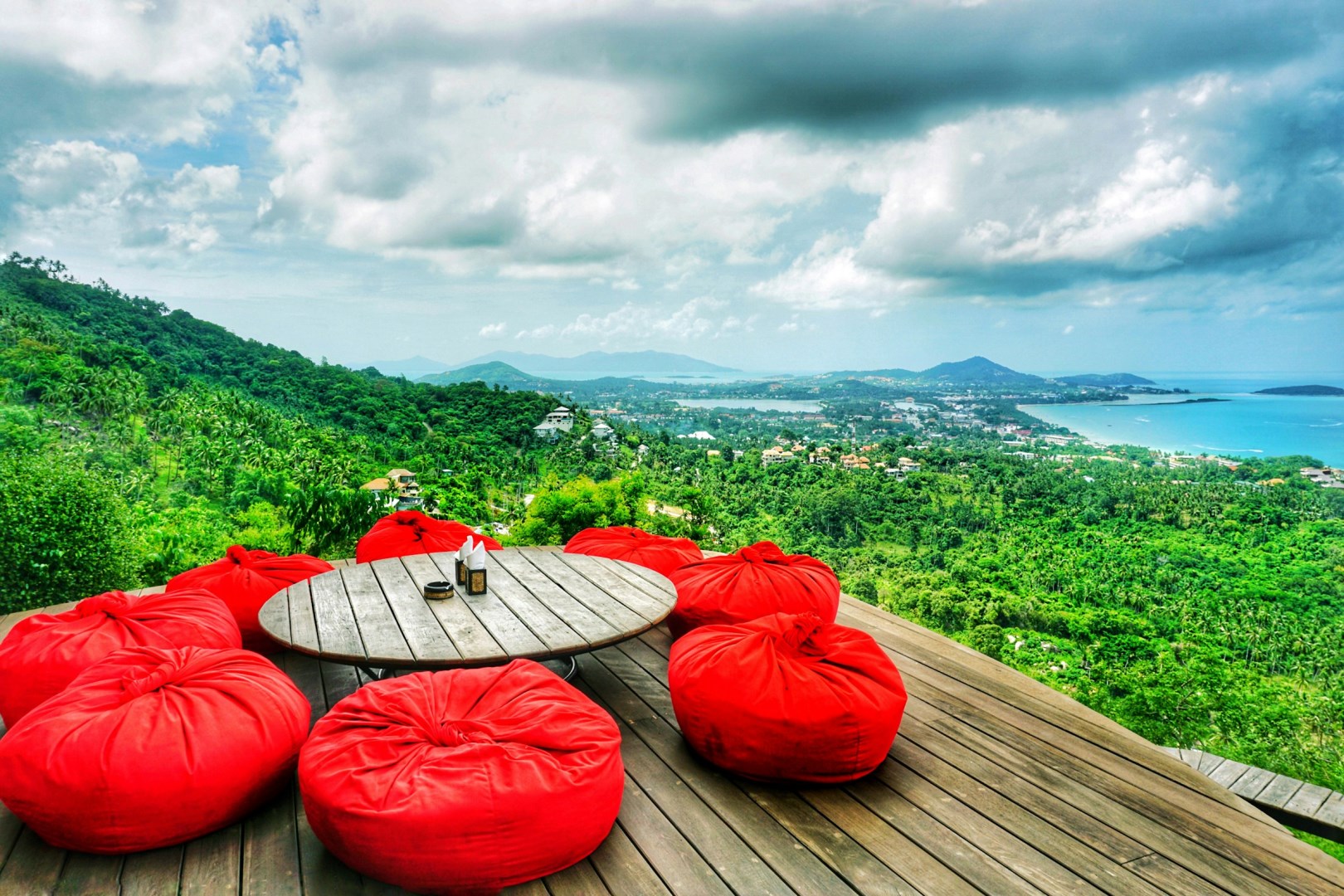
Surat Thani is a city in southern Thailand situated near the mouth of the Tapi River, where the river meets the Gulf of Thailand. It serves as an important commercial and transport center for the surrounding province and is a common starting point for journeys to the islands of the Gulf. The city itself has a more local character than Thailand's major resort destinations, with markets, temples, riverfront areas, and busy streets forming its urban landscape.

St. Petersburg
A family vacation favorite with glorious weather year-round. There are 102 city parks on 2400 acres, five beaches, eight public swimming pools, 2 municipal golf courses, plenty of tennis courts, fine shops, museums and restaurants to explore and enjoy in St. Petersburg.

Australia
Australia, a land of stunning contrasts and vibrant cultures, offers an unforgettable experience for every kind of adventurer. From the ancient landscapes of the Outback to the bustling urban centers, this vast country is rich in both history and natural beauty.
Kings Canyon National Park
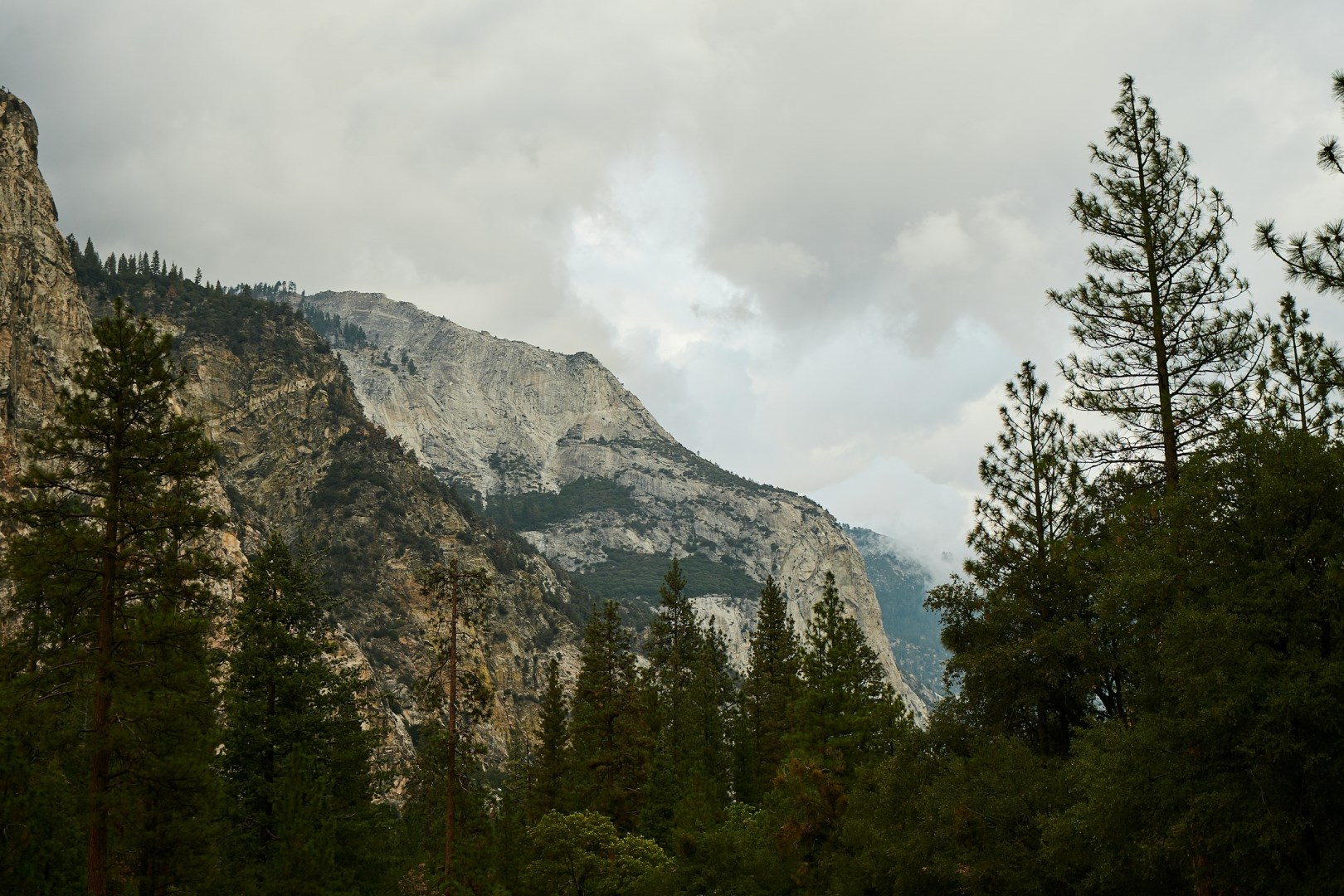
Located in the southern Sierra Nevada mountain range, Kings Canyon National Park feaures high mountain meadows, swift flowing rivers, groves of giant Sequoia trees, and many miles of hiking trails to explore it all.
