
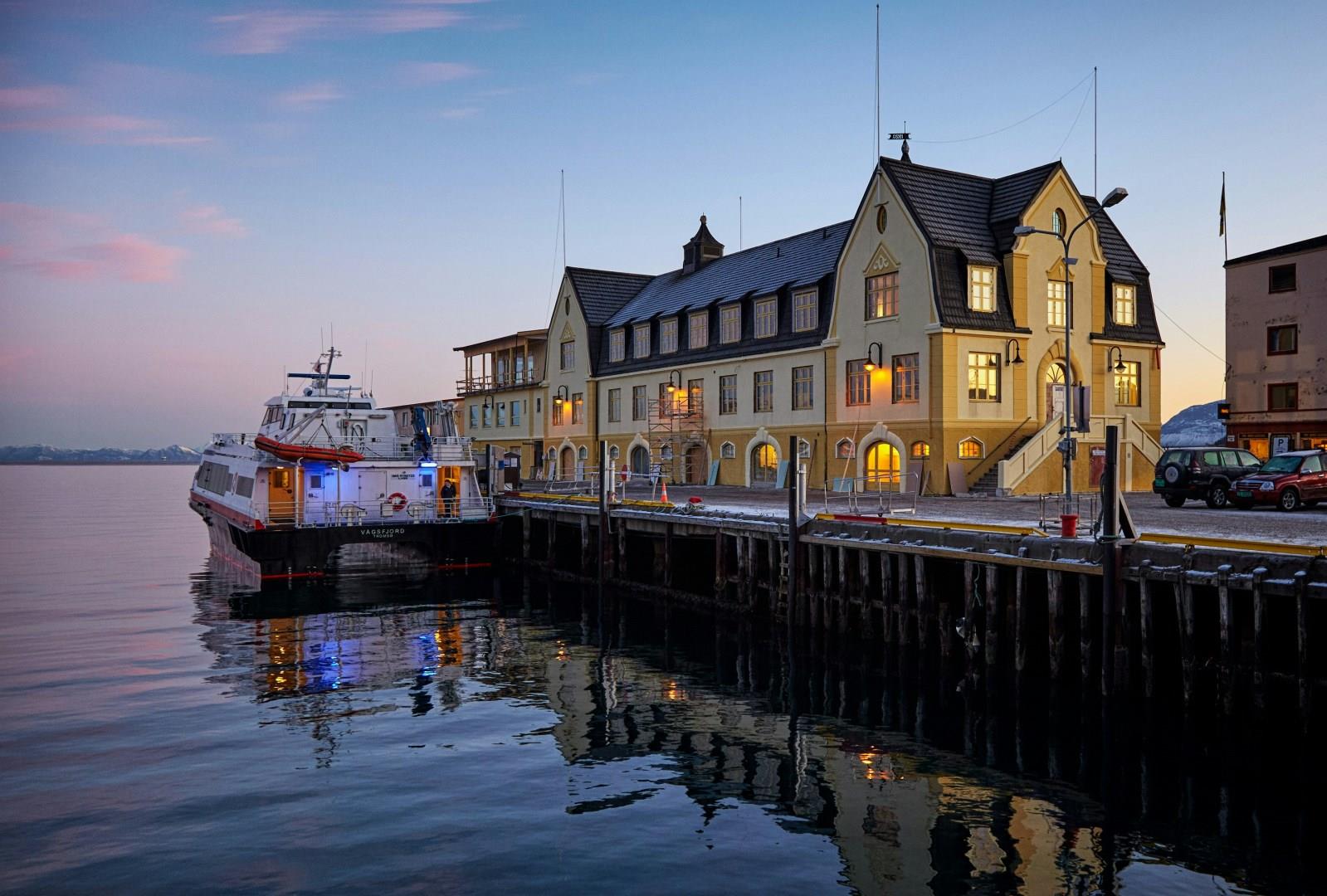
Harstad
Harstad is a coastal town in northern Norway, located on Hinnøya, the country’s largest island, and overlooking the strategic waters of Vågsfjorden. Its history spans from Viking settlements to modern fishing and shipping, giving the town a blend of maritime heritage and regional importance.

Juneau
Juneau's majestic sprawl and abundance of nature set it apart from most capital cities in America. Tourists arrive via air or water, many coming in on cruise ships.

Cobh
Cobh, a colorful harbor town in County Cork, holds a unique place in Irish history and maritime heritage. Once known as Queenstown, it was the final port of call for the Titanic in 1912. Today, the Titanic Experience Cobh offers visitors a chance to step into the footsteps of the 123 passengers who boarded that day. Located in the original White Star Line ticket office, the museum tells personal stories of those who left from this very spot, blending interactive exhibits with original artifacts.

Colorado
Colorado, a gem nestled in the Rocky Mountains of the United States, offers a diverse array of experiences that cater to outdoor enthusiasts, culture seekers, and history buffs alike. The state's stunning landscapes range from the snow-capped peaks of the Rockies to the vibrant red rock formations of the Colorado Plateau.
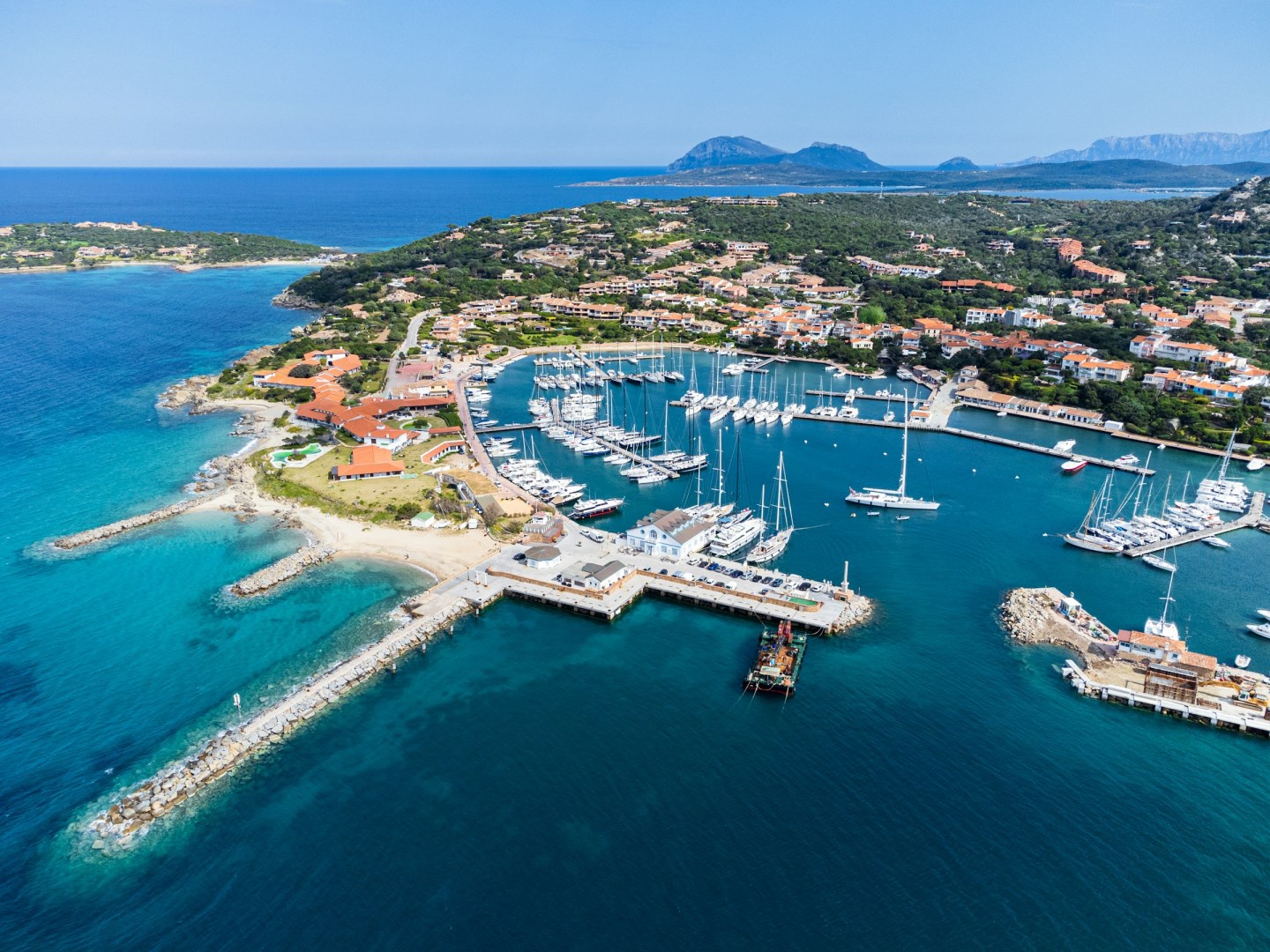
Porto Rotondo
One of the most popular destinations on the east coast of Sardinia, Porto Rotondo offers beautiful views and a variety of outdoor activities. Quite close to the famous Costa Smeralda tourist area, Porto Rotondo is also a gateway to the Tavolara Protected Marine Area - Punta Coda Cavallo.
