

Taupo
Taupō, located in the heart of New Zealand’s North Island, is built along the shores of Lake Taupō, which is the largest freshwater lake in Australasia, formed nearly two thousand years ago by a massive volcanic eruption. That eruption was so powerful, it was recorded in ancient Chinese and Roman texts, even though it occurred halfway across the world. Today, the lake is calm, clear, and central to life in the region, offering everything from trout fishing to kayaking and lakeside cycling.

Kunming
Kunming, the capital of China’s Yunnan Province, is often called the “City of Eternal Spring” for its mild climate and blooming flowers year-round. Perched on a plateau more than 6,000 feet above sea level, Kunming has long served as a crossroads of cultures and trade routes connecting China to Southeast Asia.
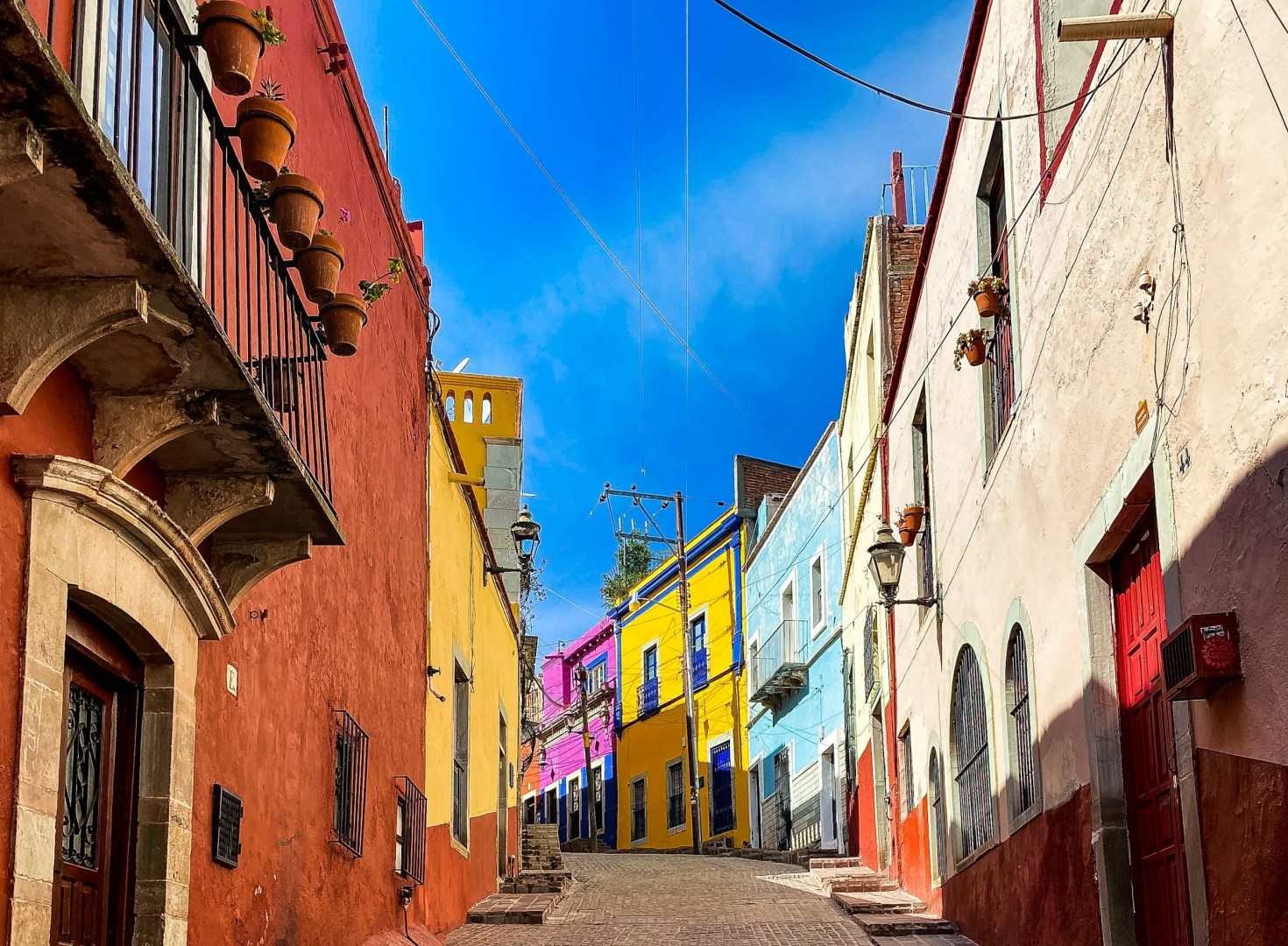
Guanajuato
Guanajuato, a UNESCO World Heritage City nestled in the mountains of central Mexico, is a place where history is built into every hillside alley and underground tunnel. Today, visitors can still tour La Valenciana Mine, where centuries-old tunnels and original mining equipment offer a glimpse into the city's wealth-driven past. The nearby Templo de San Cayetano, built by mine owners in the mid-1700s, is a stunning example of baroque design, lined with gilded altars and intricate woodwork.

Oporto
The city of Oporto is situated on the right bank of the River Douro, being the second largest city of the country. Oporto is the regional capital of the northern area.

Ohrid
Ohrid, nestled on the shores of Lake Ohrid in North Macedonia, is a city steeped in history and natural beauty. Often referred to as the "Jerusalem of the Balkans" due to its rich cultural and religious heritage, Ohrid boasts an impressive array of Byzantine-era churches, including the stunning Church of St. John at Kaneo. Perched on a cliff overlooking the lake, this church offers breathtaking views and a glimpse into the city's spiritual past.
