
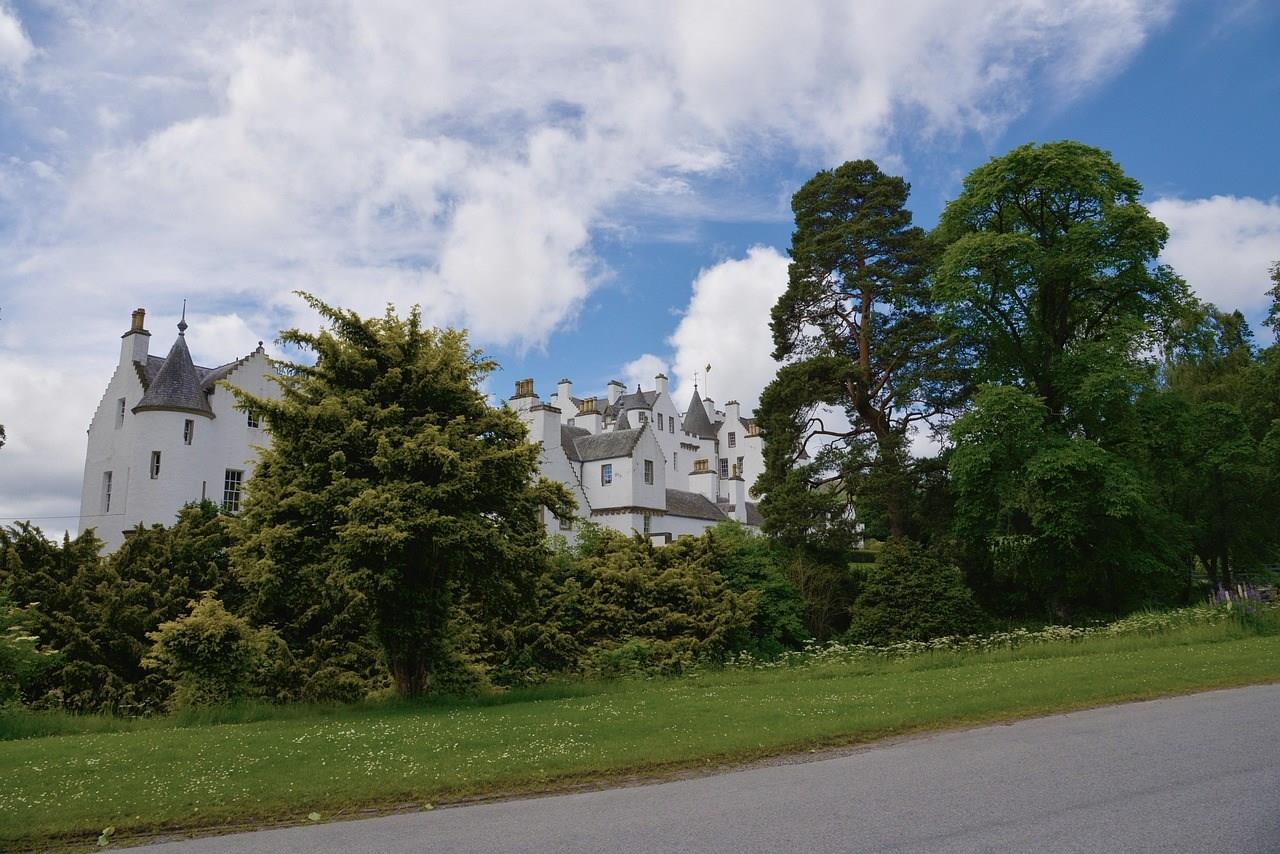
Blair Atholl
Blair Atholl, a village in the heart of Highland Perthshire, Scotland, is best known as the home of Blair Castle, a striking white-walled fortress that has stood for over seven centuries.
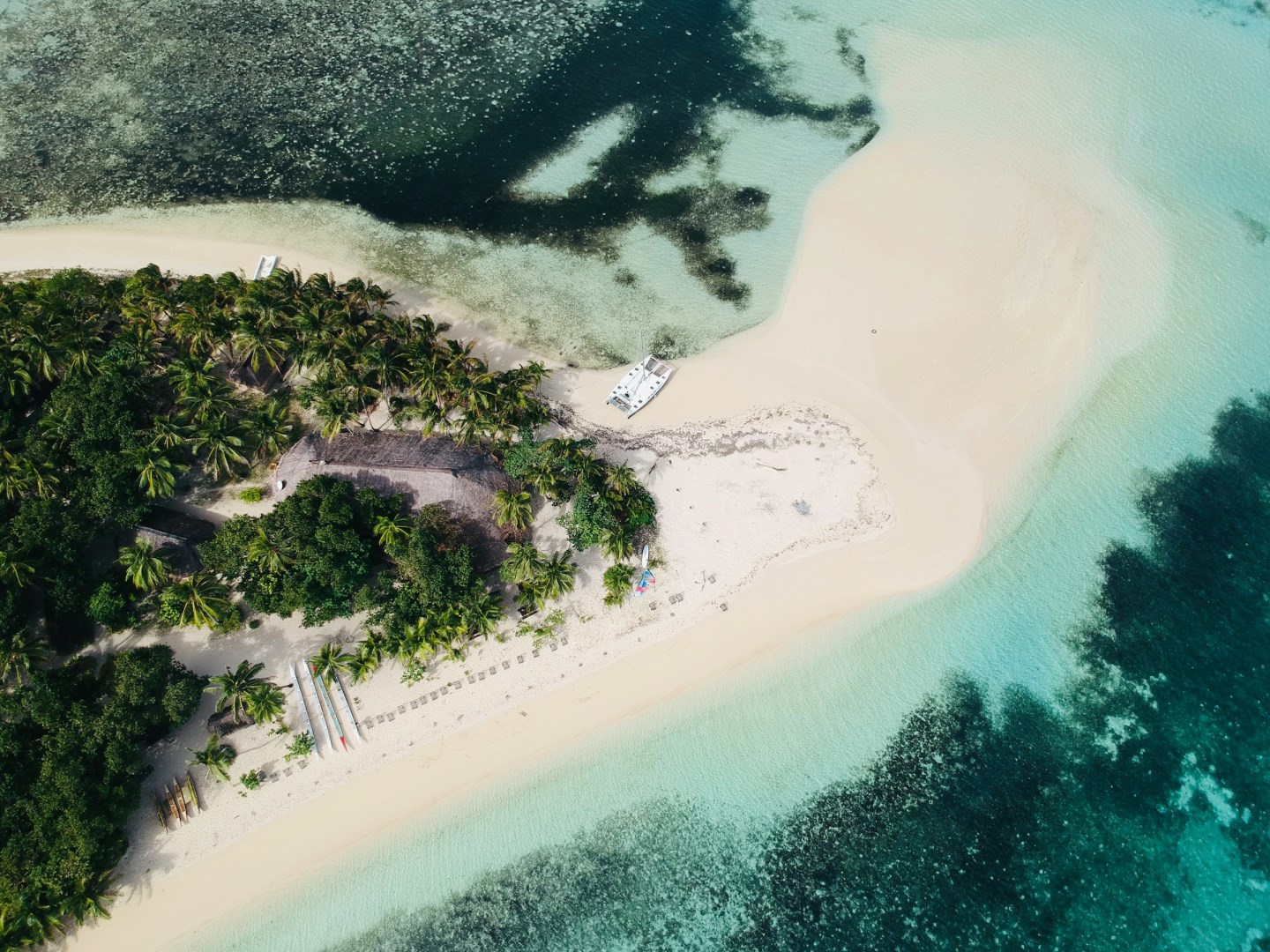
Leleuvia Island
Leleuvia Island is a small island in Fiji’s Lomaiviti group, located off the eastern coast of Viti Levu between Bau, Moturiki and Ovalau.
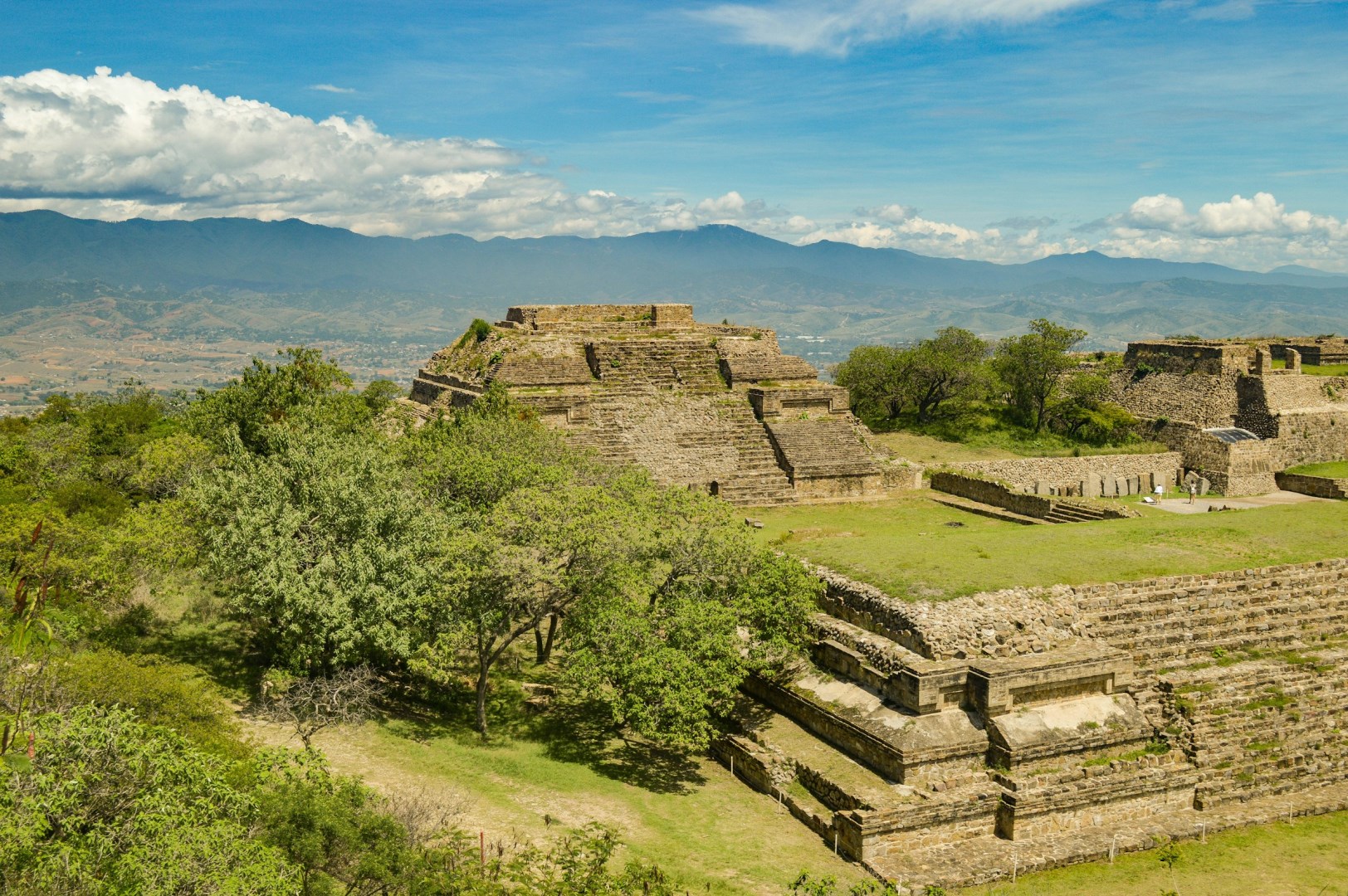
Monte Albán
Over a hilltop flattened into a plateau, Monte Albán, the oldest city in mesoamerica, raise it's sacred architecture; holy harmony that eludes elementary symmetry and gives birth to amazing combination of masse and spaces revealing the enormous forces of a spirit whose an coincides with the idea of a perfect universe.
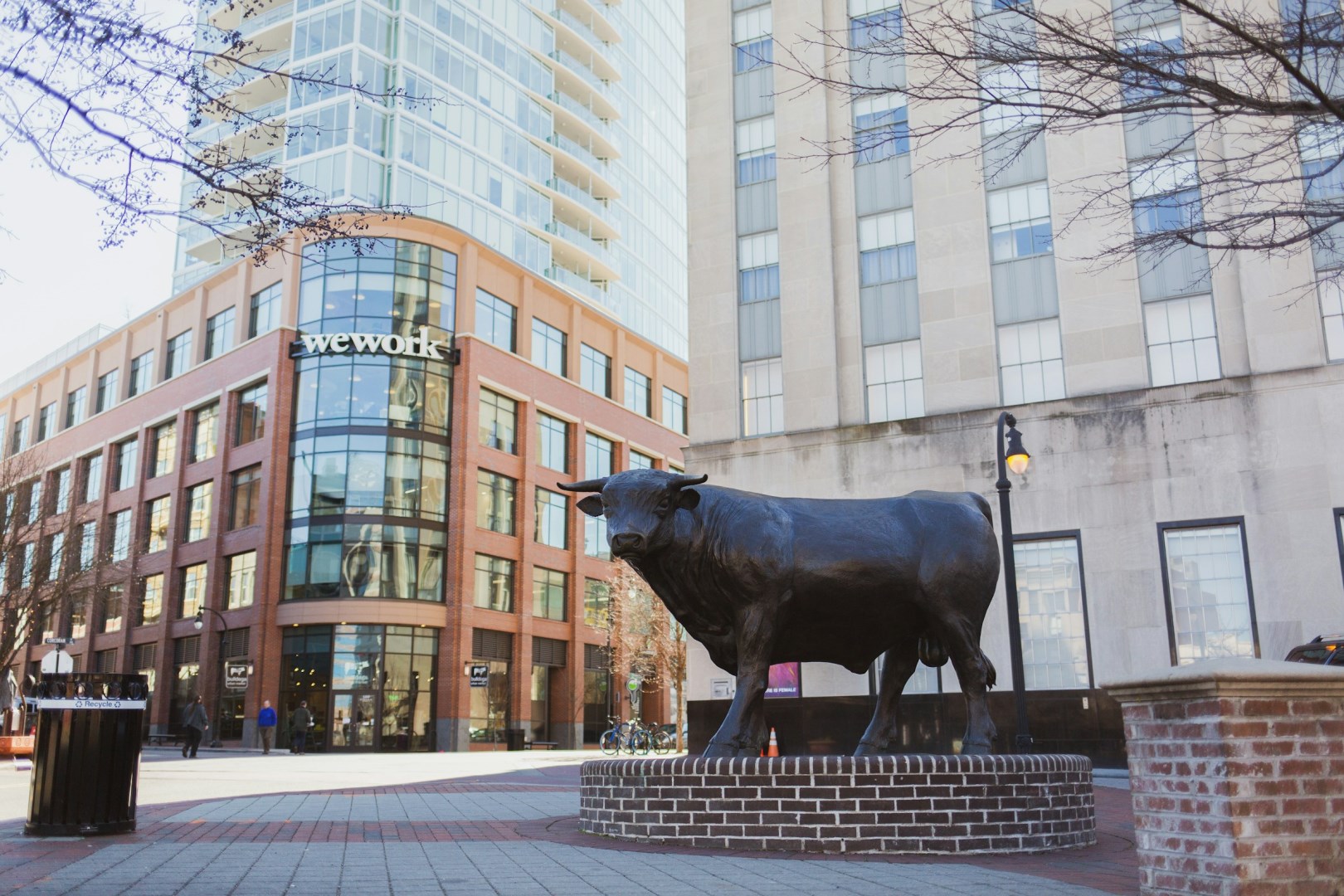
Durham
More than 5.5 million people visit Durham each year to enjoy a wealth of things to see and do including historical landmarks and sites, art centers and museums, nationally-recognized festivals and sports events.

Havana
Havana, Cuba's vibrant capital, is a city where the past and present coalesce to create an unforgettable travel experience. Walking through Old Havana (La Habana Vieja), a UNESCO World Heritage site, feels like stepping back in time. The cobblestone streets are lined with pastel-colored colonial buildings, baroque churches, and iconic plazas, such as Plaza de la Catedral and Plaza Vieja, each with its own unique charm and history.
