
Ludlow
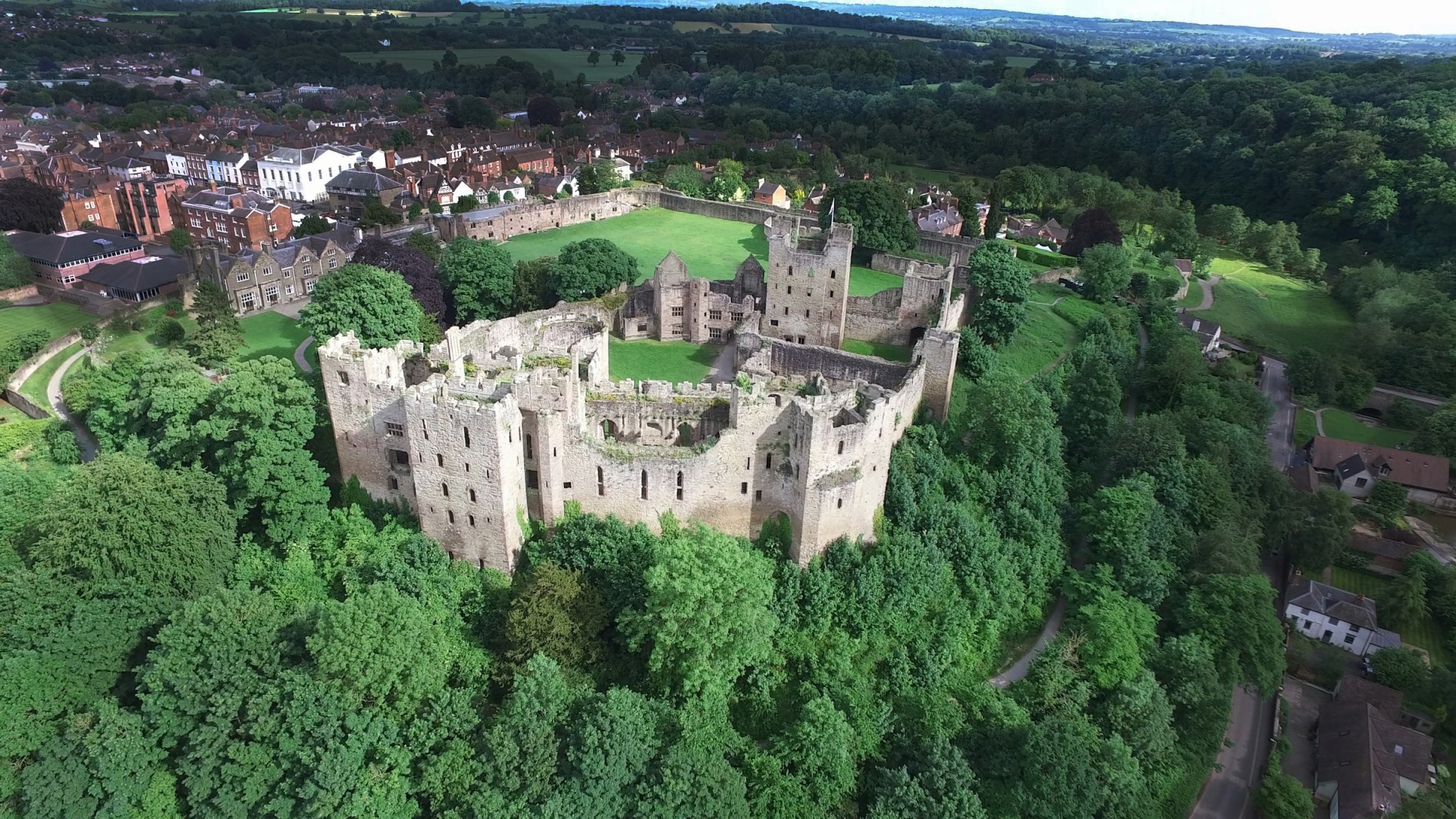
Ludlow, a charming market town in Shropshire, England, is renowned for its rich history and vibrant community. Nestled on the edge of the Shropshire Hills, an Area of Outstanding Natural Beauty, Ludlow offers a picturesque setting with its medieval architecture and stunning landscapes.
Flic En Flac
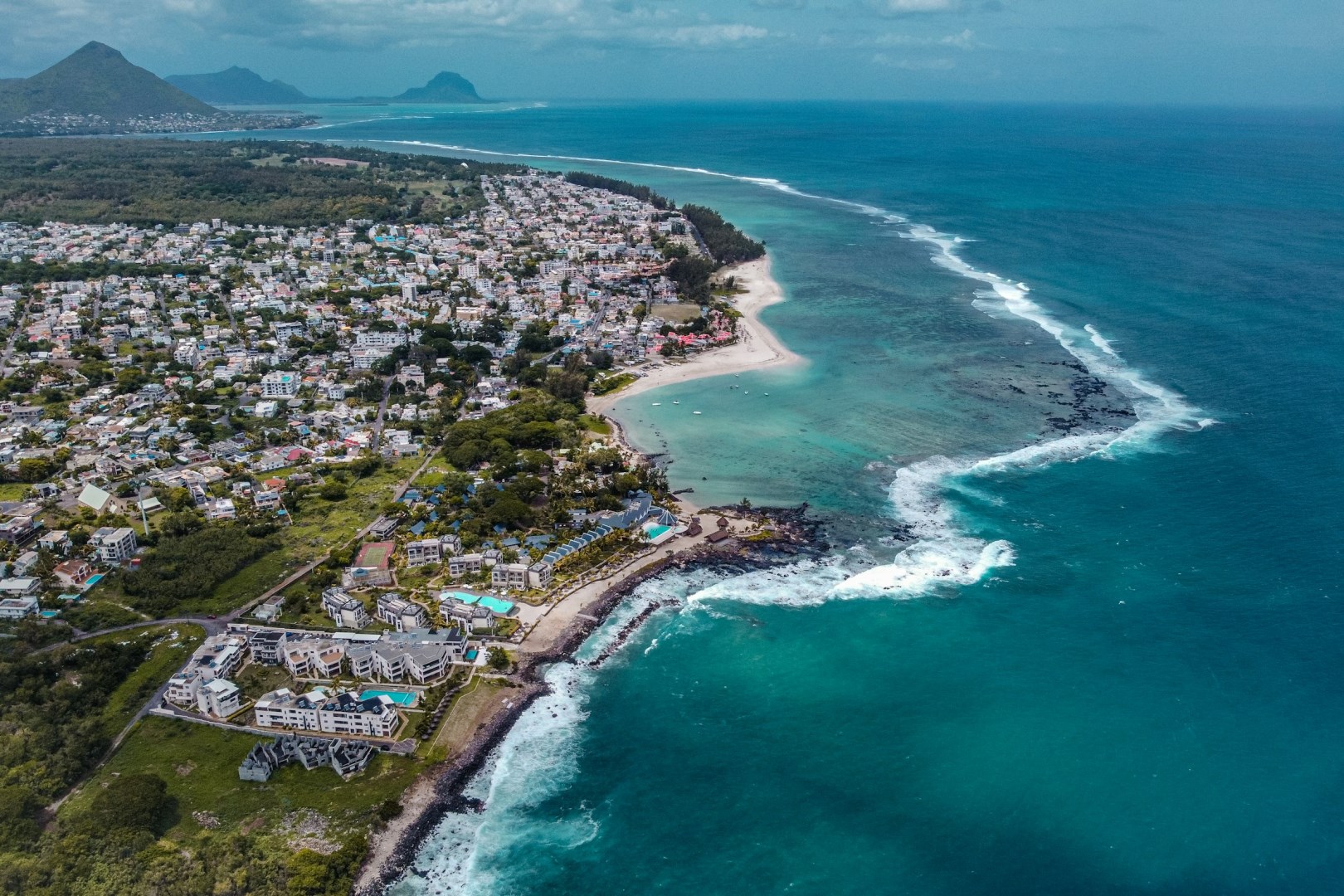
Flic en Flac is a coastal town on the western side of Mauritius, overlooking a sheltered lagoon protected by a coral reef. It is known for its long sandy beach, calm coastal waters, and views toward the open Indian Ocean. The town has grown from a small fishing settlement into one of the island’s established seaside communities, while fishing and boating remain visible along the coast.

Inca Trail
The Inca Trail is a historic mountain route in Peru’s Cusco Region that leads through the Andes to Machu Picchu. The best-known route begins near Piscacucho, follows a network of stone paths through high valleys and mountain passes, and ends at Intipunku, or the Sun Gate, overlooking the archaeological site.

Vólos
Volos, a vibrant city nestled between the Aegean Sea and the lush slopes of Mount Pelion, is a delightful blend of modernity and tradition. Known for its picturesque waterfront and bustling port, Volos offers visitors an authentic taste of Greek coastal life. The city’s seaside promenade is ideal for leisurely strolls, with plenty of cafes and tavernas where you can savor fresh seafood while enjoying views of the bay.
Blarney
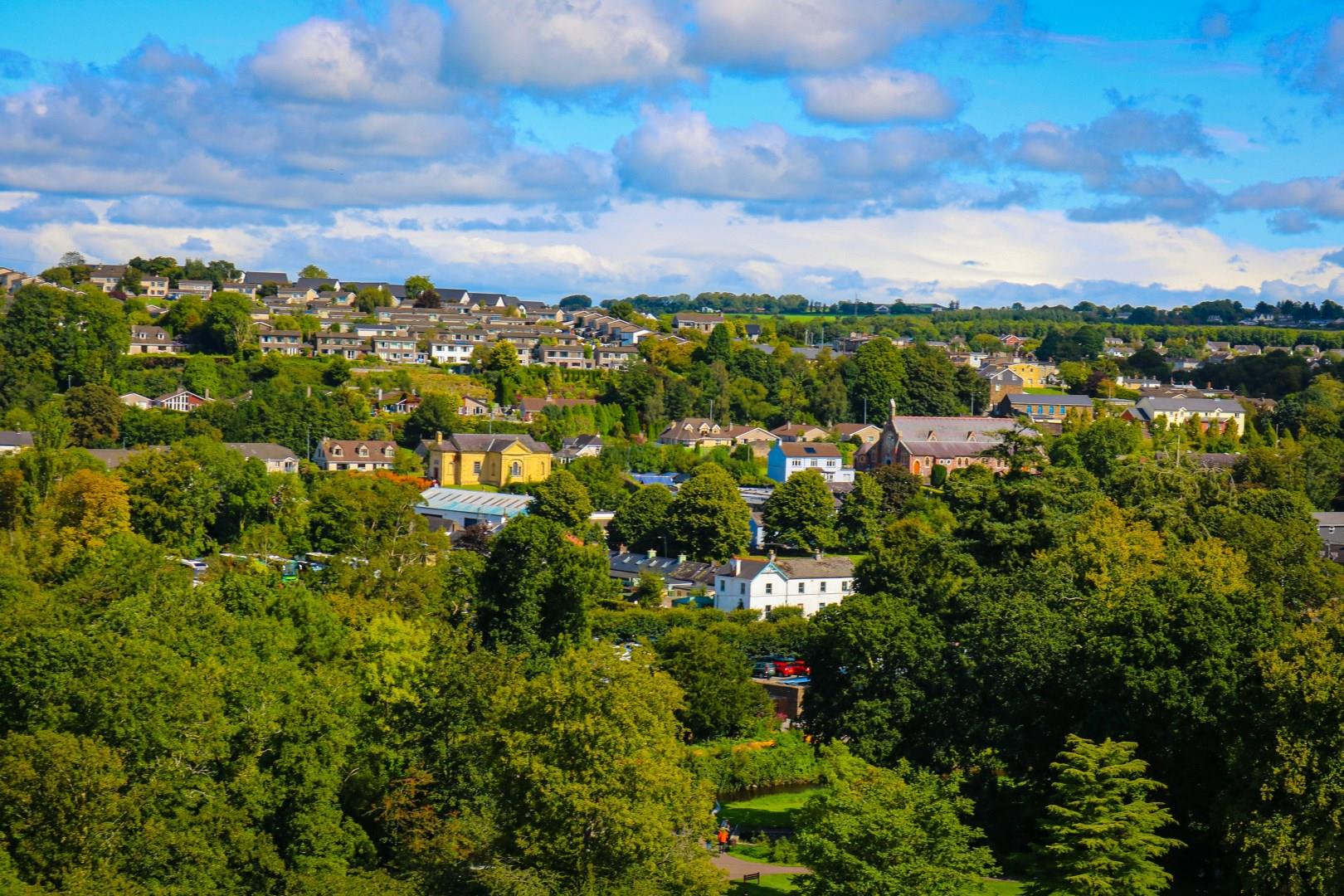
Blarney, a village just outside Cork in Ireland, is best known for its legendary Blarney Castle, where travelers from around the world come to kiss the famous Blarney Stone.
