

Wellington
On Cook Strait sits Wellington, New Zealand's charming windy city. Must-sees here include the waterfront, the lovely beaches, and the Wellington Cable Car that takes riders to botanical gardens. For cultural exposure, visit The Museum of New Zealand Te Papa Tongarewa, with its Maori national treasures and art gallery. Wellington Zoo is another key attraction, and features Tahi, a one-legged kiwi, as its mascot.
Eldoret
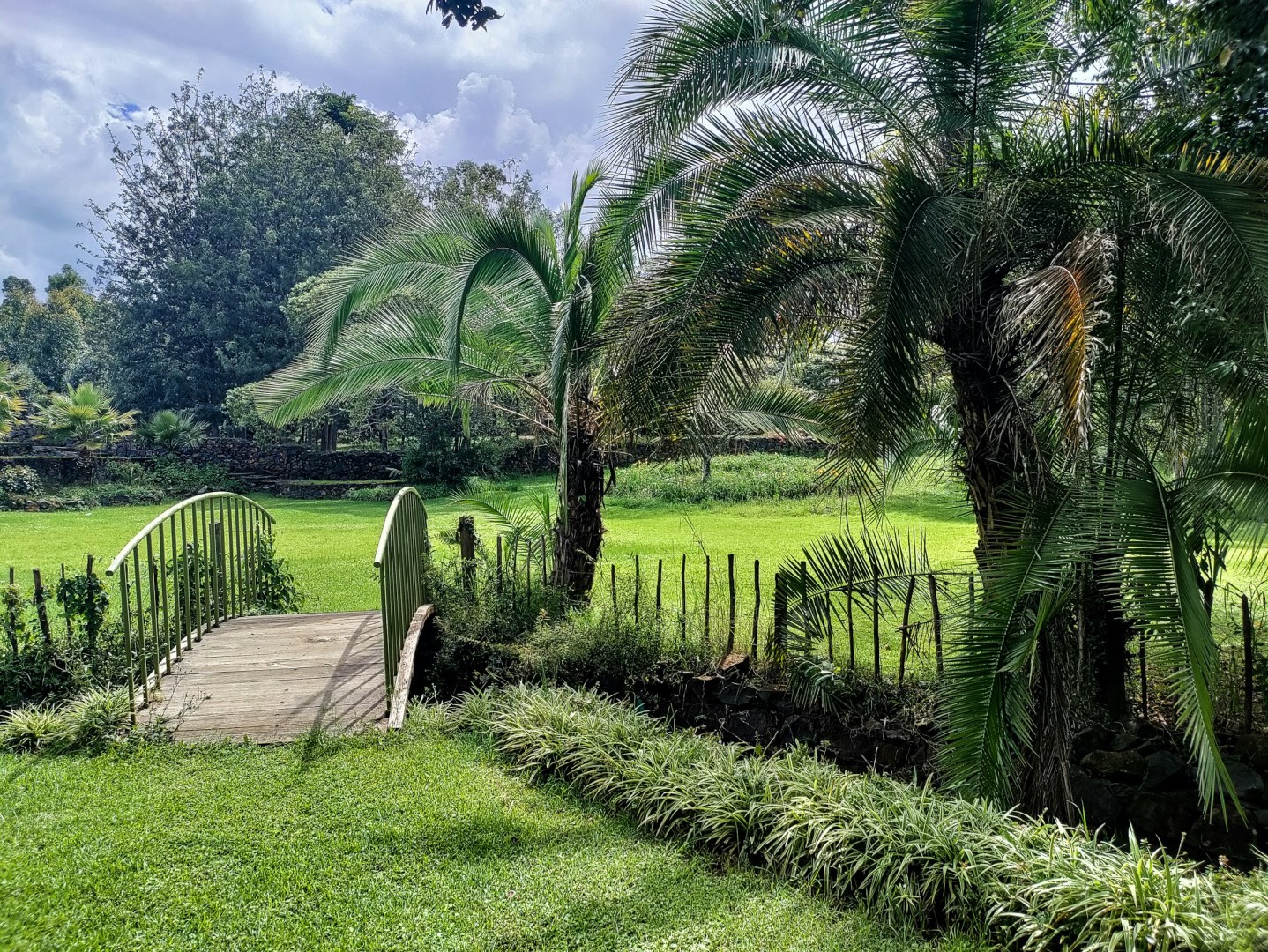
The town of Eldoret is located in western Kenya, eastern Africa, on the Uasin Gishu Plateau west of the Great Rift Valley. Situated at an elevation of 6,857 feet (2,090 m) above sea level, its healthful climate attracted many European settlers during the colonial period. It serves an agricultural area; chief crops are corn (maize), wheat, and pyrethum.
Volubilis
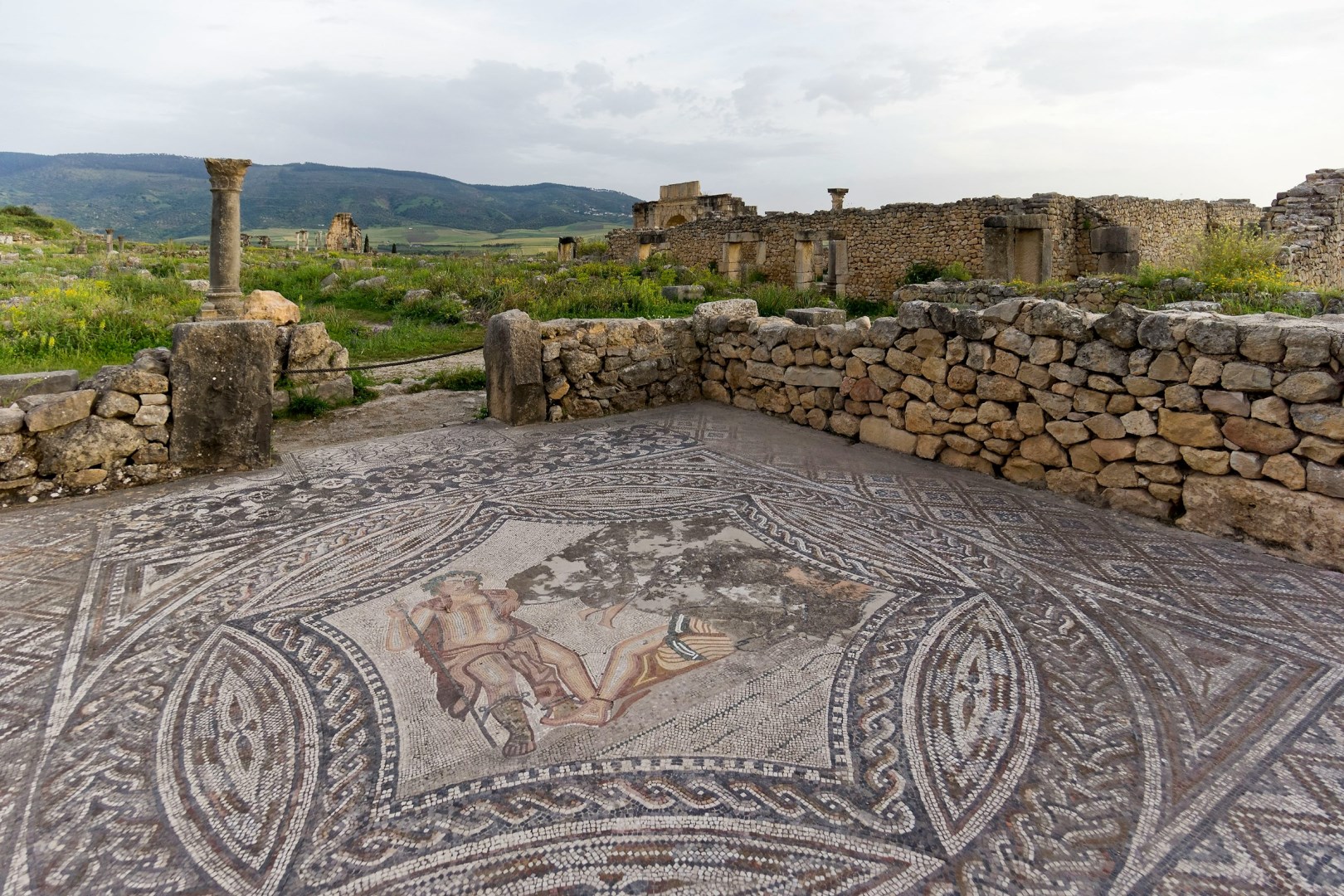
Volubilis is an extensive archaeological site in northern Morocco, located near the pilgrimage town of Moulay Idriss Zerhoun and surrounded by fertile farmland at the foot of Jbel Zerhoun. The ruins represent one of the country’s most important ancient urban sites, with temples, public buildings, residences, defensive walls, and elaborate mosaic floors spread across a broad hillside. Its location overlooking the surrounding agricultural plain helps explain the settlement’s importance.

Riviera Maya
Riviera Maya is a stunning stretch of coastline on Mexico's Yucatán Peninsula. With spectacular destinations like Puerto Morelos, Playa del Carmen, and Tulum, the Riviera Maya coast is popular for its all-inclusive resorts.

Phang Nga
Phang Nga is a coastal province in southern Thailand known for its dramatic limestone landscapes and deep connection to the Andaman Sea. Historically shaped by maritime trade, fishing communities, and tin mining, the region sits just north of Phuket yet feels distinctly quieter and more grounded.
