

Kavala
Situated on the northeastern coast of Greece, Kavala is a picturesque port city popular for its archaeological treasures, historic old town, and scenic beach. Be sure to explore the city's best known sites, including the Panagia neighborhood, the Kavala Castle, the towering Aqueduct, and the Kavala Archaeological Museum.

Australia & New Zealand
Australia and New Zealand each have their own identities, shaped by indigenous heritage, colonial history, and vibrant contemporary cultures. Visitors can travel between the two in just a few hours, yet find themselves in entirely different worlds.
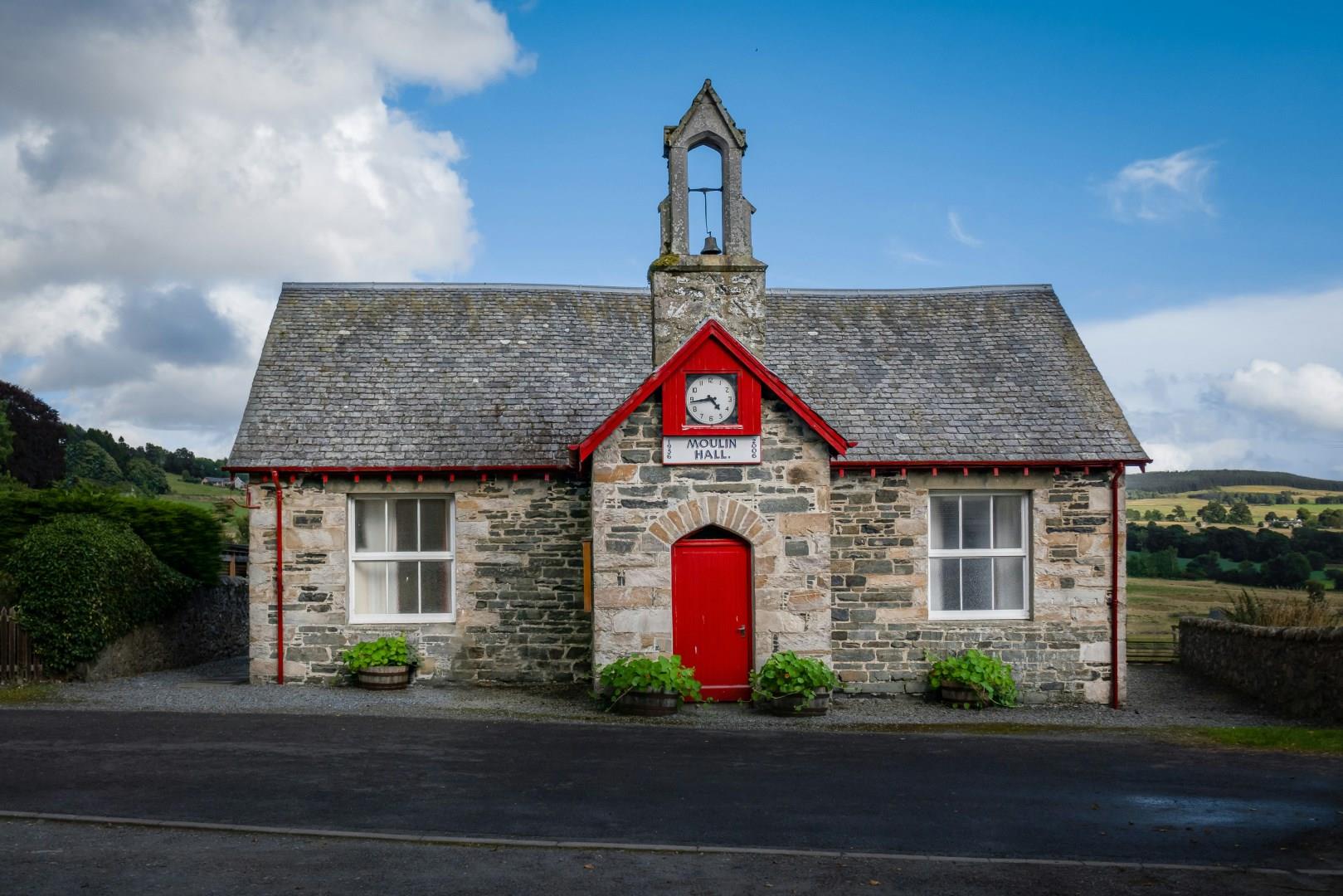
Pitlochry
Pitlochry, a charming town in the heart of the Scottish Highlands, is celebrated for its Victorian architecture, scenic surroundings, and welcoming atmosphere.

San Cristóbal Island
One of San Cristobal Island's most popular visitor sites is Cerro Brujo, with its expansive white sand beach and a lagoon that locals once used as a salt mine but now offers excellent snorkeling opportunities. Another must-see is Kicker Rock, a fascinating rock formation that looks like a boot from one angle (hence its English name) and like a sleeping lion from another (thus its Spanish name, Roca León Dormido).
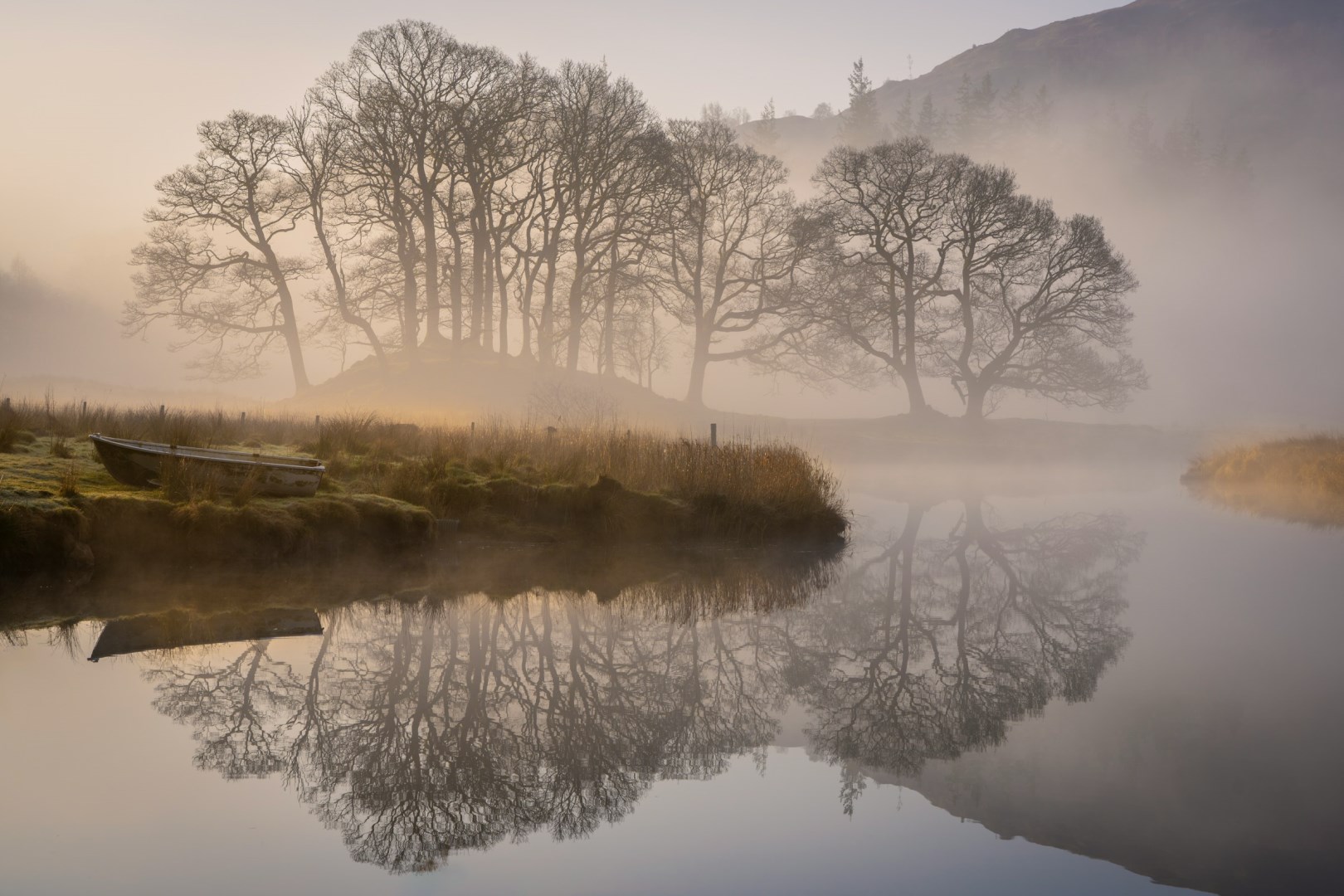
Ambleside
Ambleside lies on the main north/south road through the central lakes (A591) at the northern end of Lake Windermere. Its central location makes it an ideal base for walking, climbing or touring. Various attractions include St. Mary's Church, the Dolls House Museum, and The Lake District History Centre.
