

Argentina
Argentina has everything from historical sites to casinos, warm sunny beaches to beautiful scenery. Although first-class accommodations are not available at all locations, the hospitality is one of the friendliest in the world.
Bremen
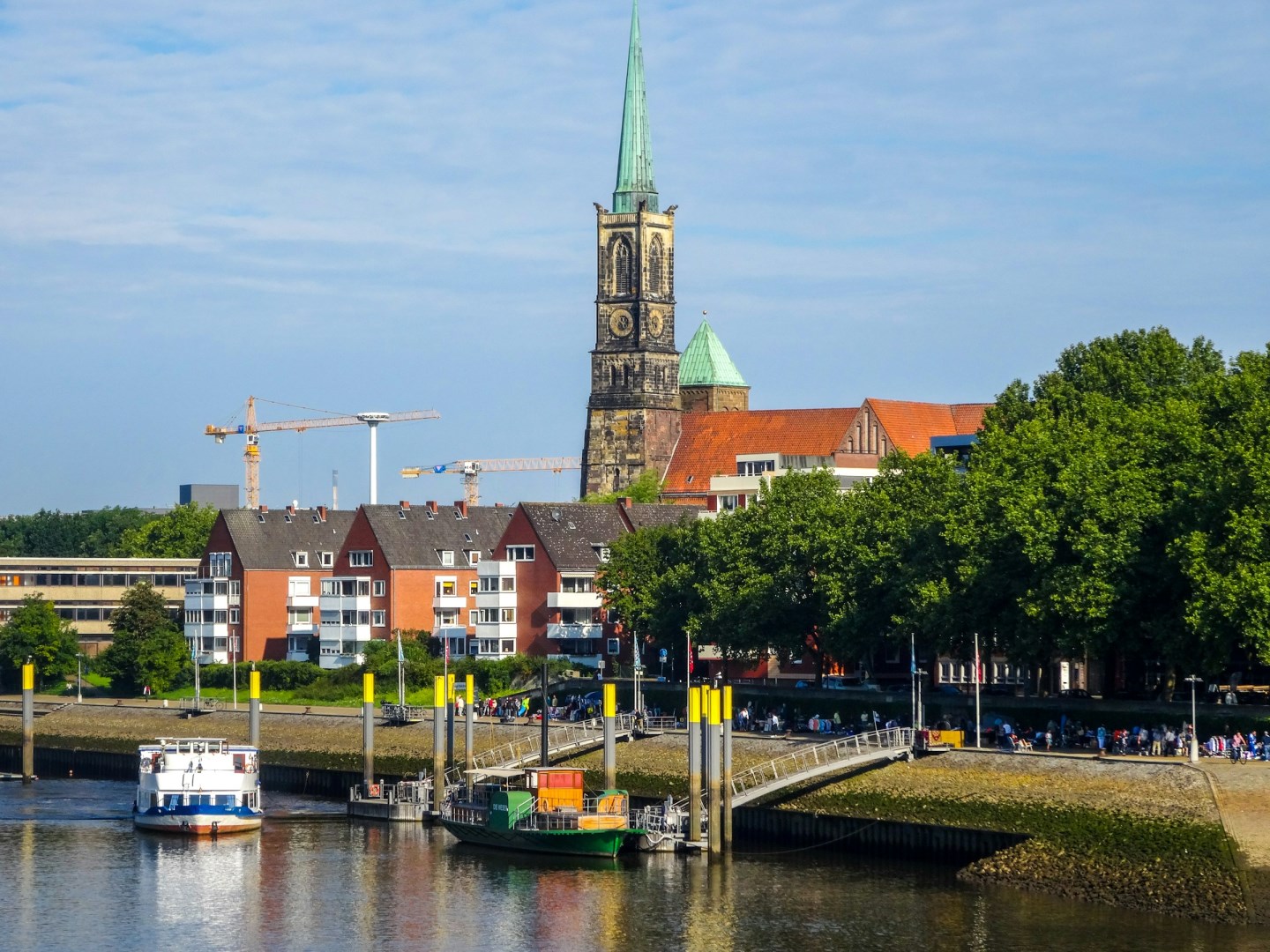
In Bremen's oldest quarter, the Schnoor district, little 15th and 16th century houses are lined up shoulder to shoulder. Found in its charming twisting lanes are artists' studios, goldsmiths' workshops and galleries. Past and present flow seamlessly together in Bremen. This is prominently demonstrated by delightful Böttcherstrasse - a unique, world-famous architectural ensemble.
Lake Malawi
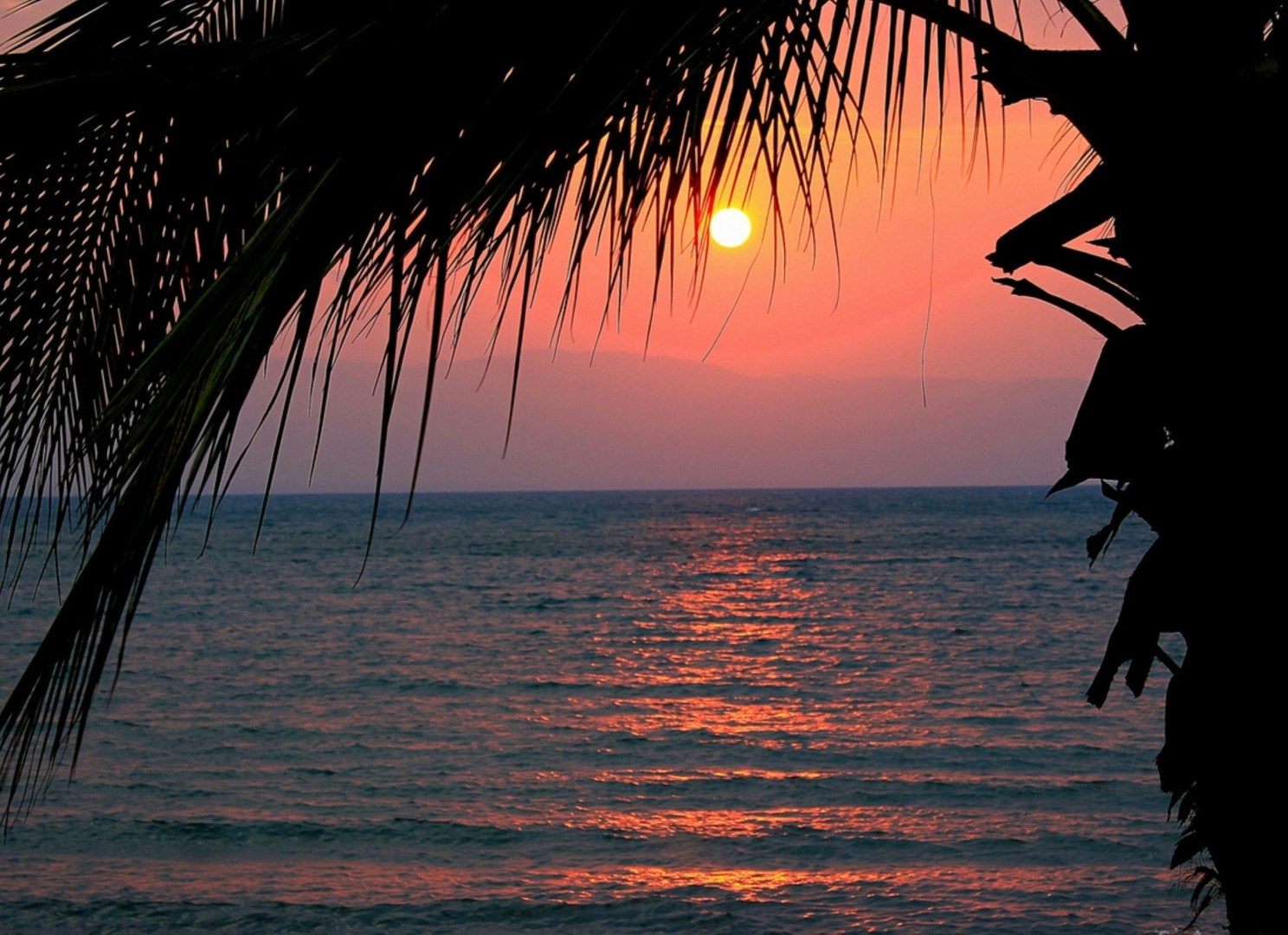
Lake Malawi - The Lake of Stars - is an immense inland sea of fresh, crystal clear water in which tropical fish abound. Its shores and the deserted islands which dot its surface are home to a variety of game and an abundance of exotic birdlife. Local fishermen leisurely paddle their traditional "mokoros", or dugouts, across its expanse, and the sun drenched serenity is but enhanced by the shriek of a Fish Eagle or the grunting of distant hippo.
Minneriya National Park
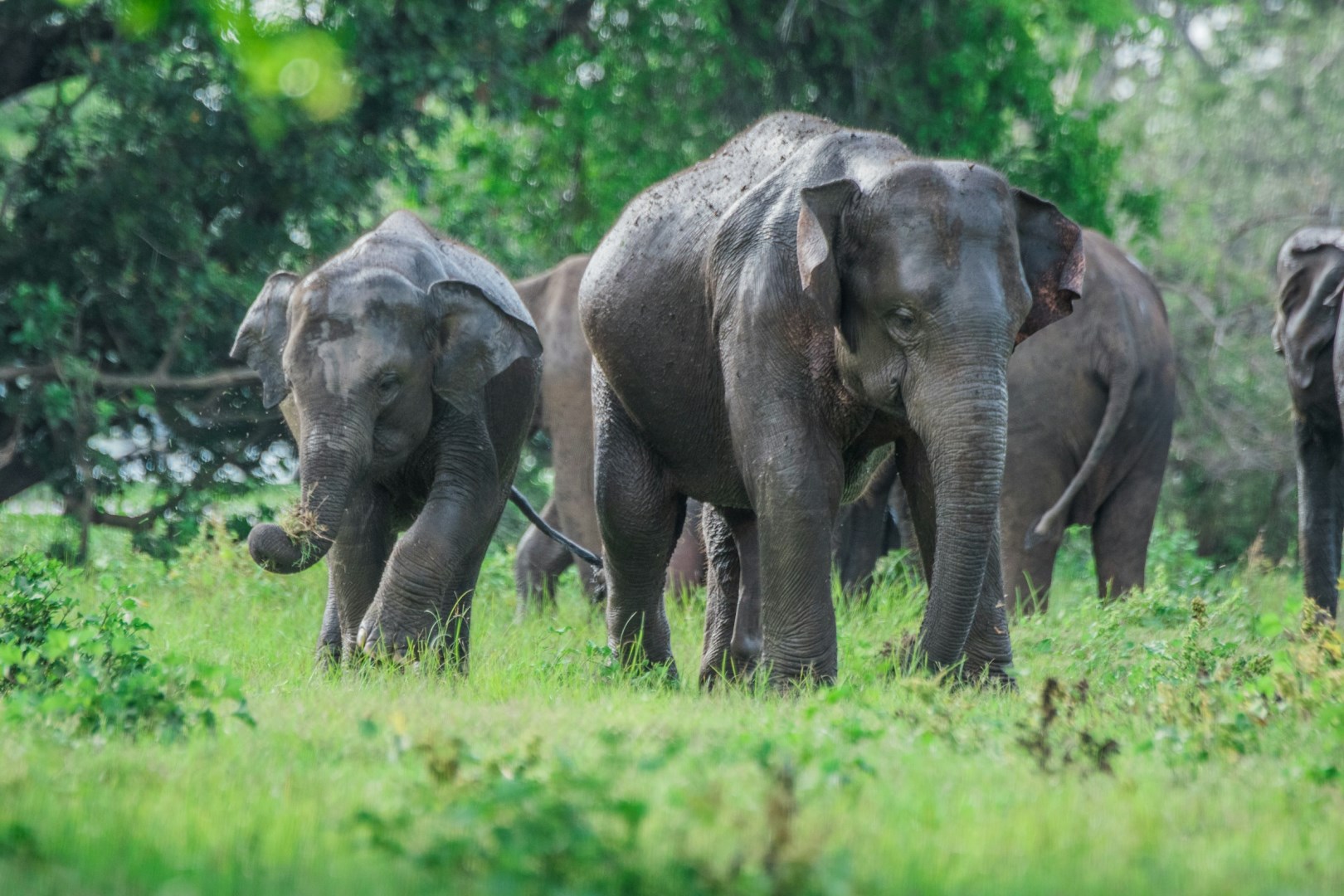
Minneriya National Park lies in Sri Lanka’s North Central Province between Habarana and Polonnaruwa, within the island’s dry zone. The park covers about 8,890 hectares and is centered on the Minneriya Tank, an ancient irrigation reservoir that remains an important source of water for the surrounding landscape. Dry mixed evergreen forest, scrub, grassland, wetlands, and open areas around the reservoir create a varied habitat for wildlife. The park is particularly known for its Asian elephants, wh

Franz Josef Glacier
Accessible glacier located on New Zealand's South Island. Visitors can take guided hikes of Franz Jose to view its tunnels, crevasses and caves.
