
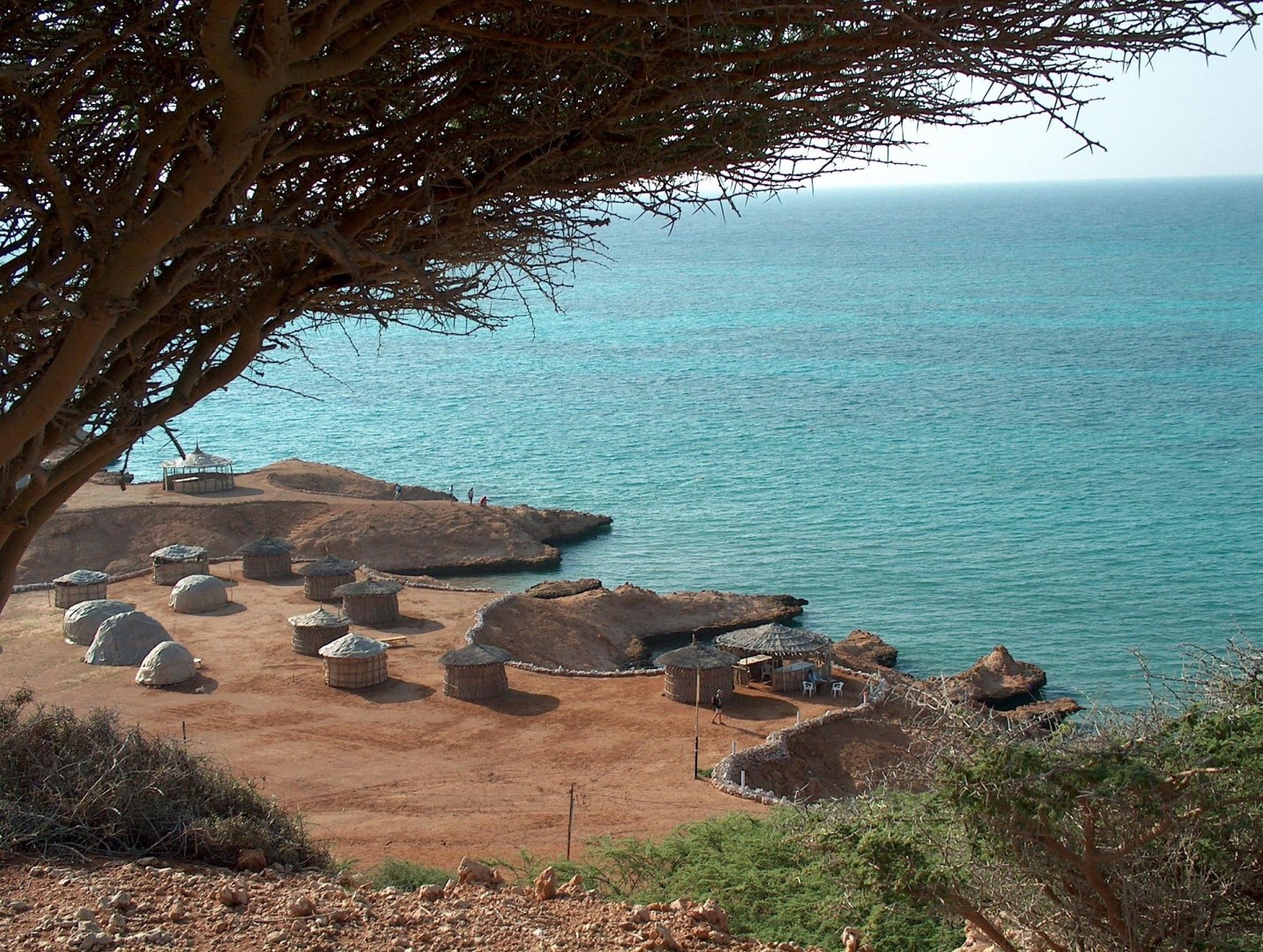
Djibouti
Djibouti, located in the Horn of Africa, offers travelers a landscape shaped by volcanic activity, salt lakes, and dramatic coastlines.

Tauranga
Tauranga, New Zealand, lies southeast of Auckland and is an adventure-lover's paradise. Originally settled by the Māori peoples, this vibrant city is a popular destination for hiking, kayaking, biking, golfing, and everything active. Hike up Mount Maunganui for stunning panoramic views of the city below, then hit nearby Mount Maunganui Beach to soak up the sun or play in the sand.
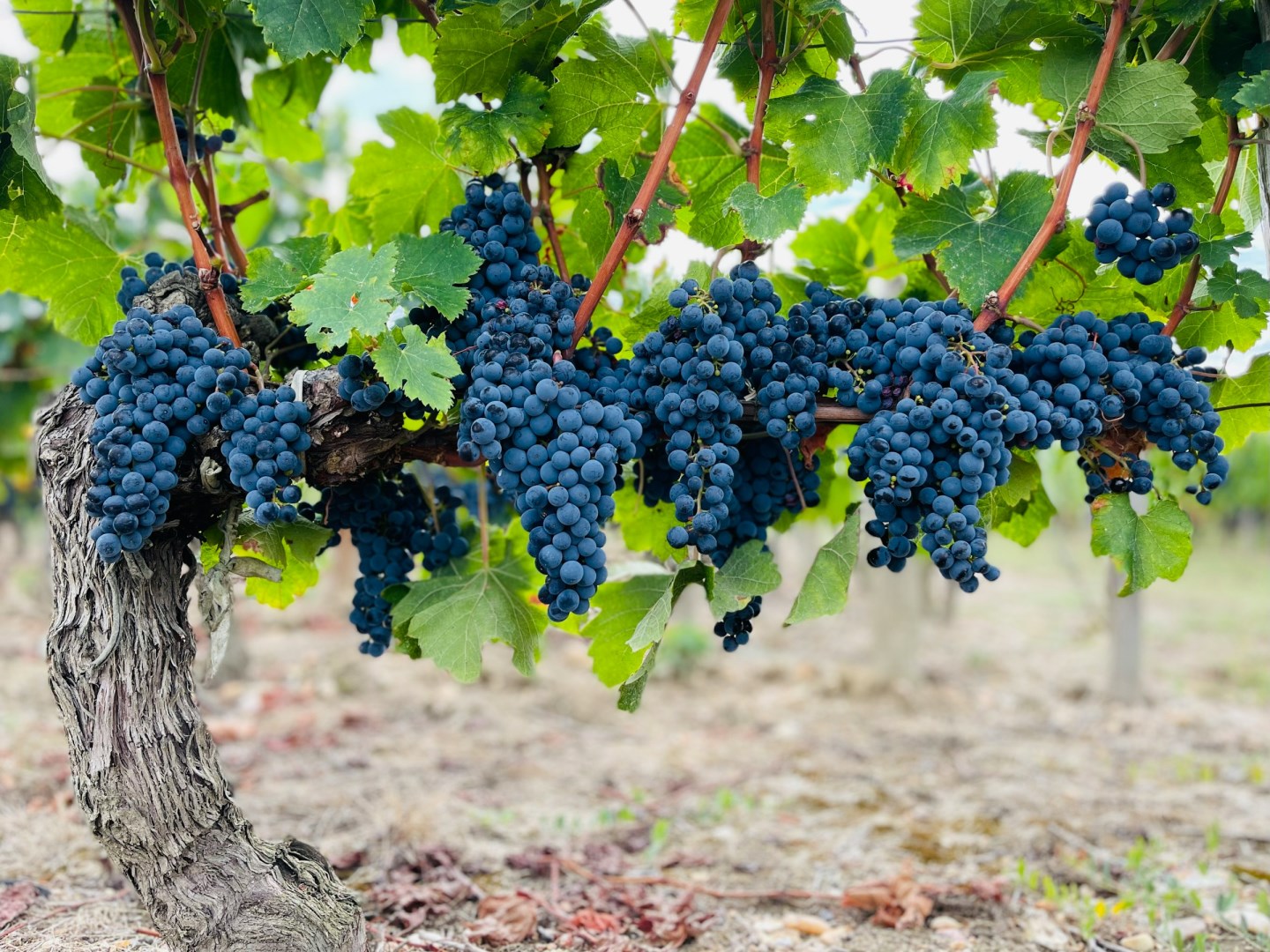
Bordeaux
Bordeaux is ready for its close-up! After years of improvements, modern public transportation is in place and the city is gleaming after a wave of restorations. When visiting this lovely destination, be sure to walk across the Garonne River-spanning Stone Bridge (17 arches in all!) and see Place des Quinconces, France's grandest public square.
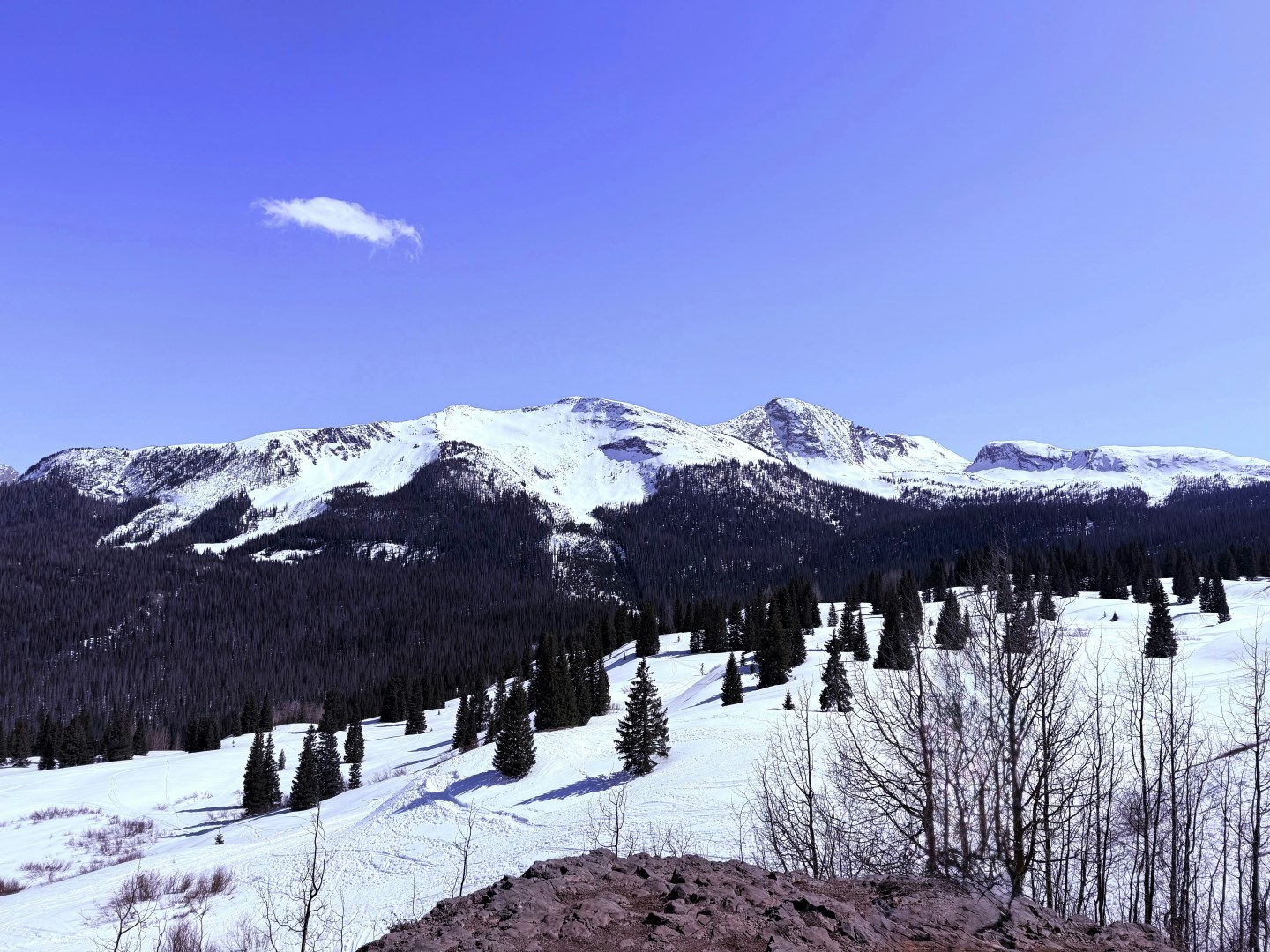
Silverton
Silverton is a small mountain town in southwestern Colorado, surrounded by the San Juan Mountains at an elevation of over 9,000 feet.

Virgin Islands
The Virgin Islands, an archipelago in the northeastern Caribbean, are divided between the United States and the United Kingdom, each offering a distinct flavor while sharing the same breathtaking landscapes. These islands are known for their lush hillsides, crescent-shaped beaches, and some of the clearest waters in the region.
