
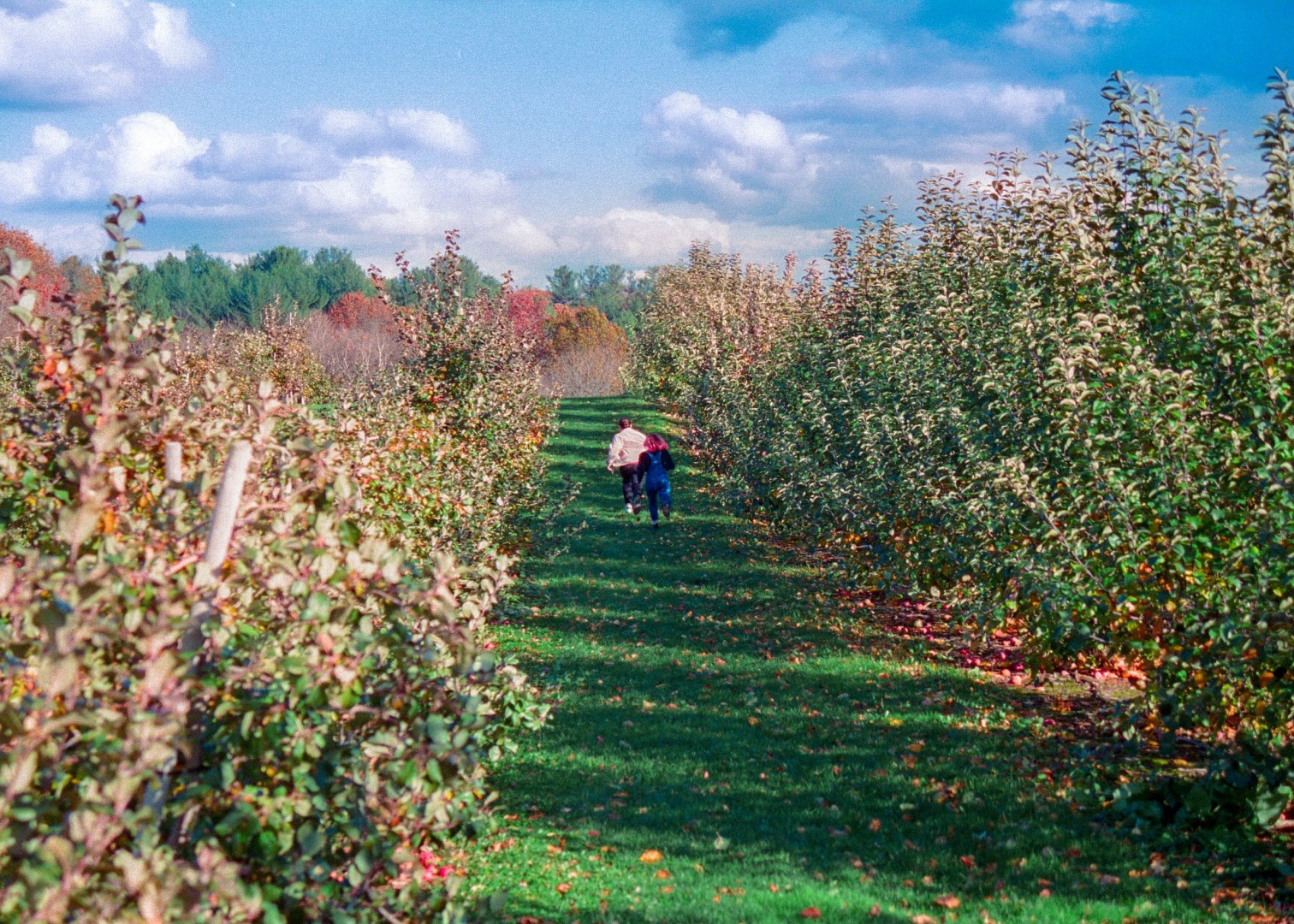
Londonderry
Londonderry is a town in southern New Hampshire, positioned between Manchester and the Massachusetts border. It is known for its agricultural roots, apple orchards, wooded landscapes, and historic rural character, while its location provides convenient access to the larger communities of the Merrimack Valley. Londonderry’s landscape includes farms, conservation areas, ponds, and gently rolling roads rather than a dense downtown centre. Apple growing remains an important part of its identity, wit
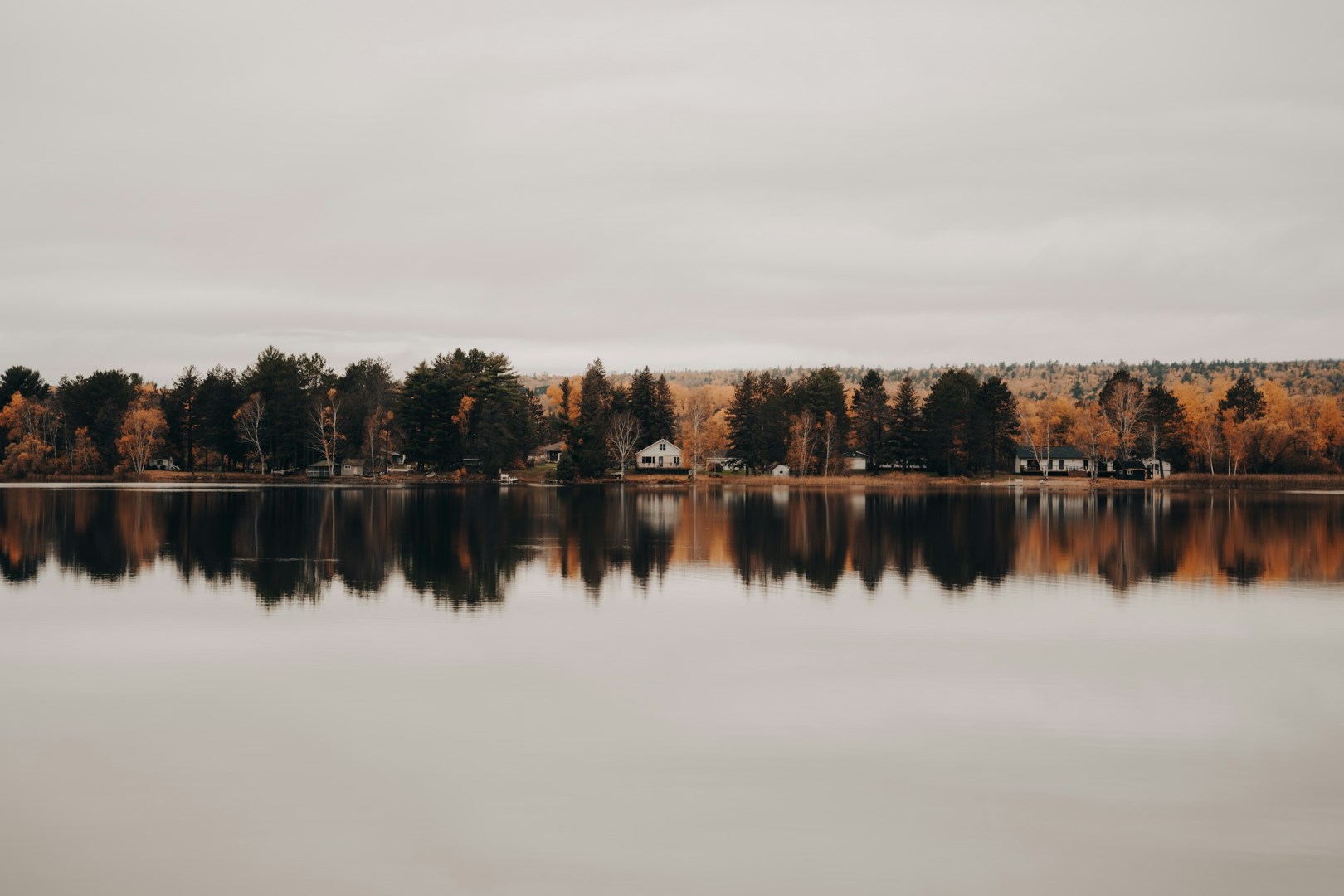
Ely
Ely, Minnesota, sits on the edge of the Superior National Forest in the state’s Northwoods, where boreal forest, rocky terrain, and interconnected lakes define the landscape. The community is best known as a major gateway to the Boundary Waters Canoe Area Wilderness, which contains more than one million acres of protected forest and waterways along the Canadian border. Ely itself has a compact downtown with independent shops, galleries, restaurants, and outfitters serving wilderness travelers.
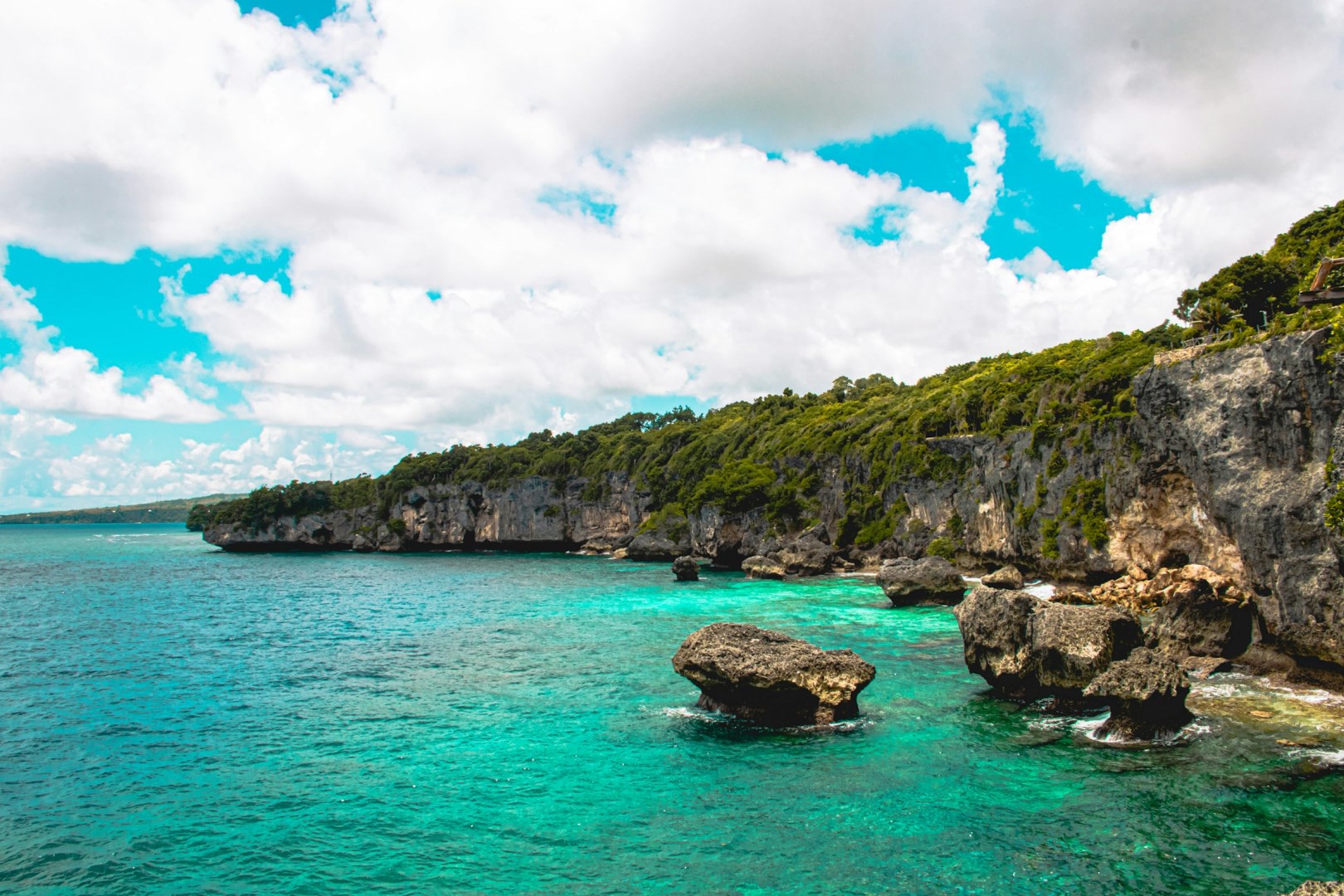
Niue
Niue is an island in free association with New Zealand, in the South Pacific Ocean. Niue is located about about 286 mi. east of Tonga.
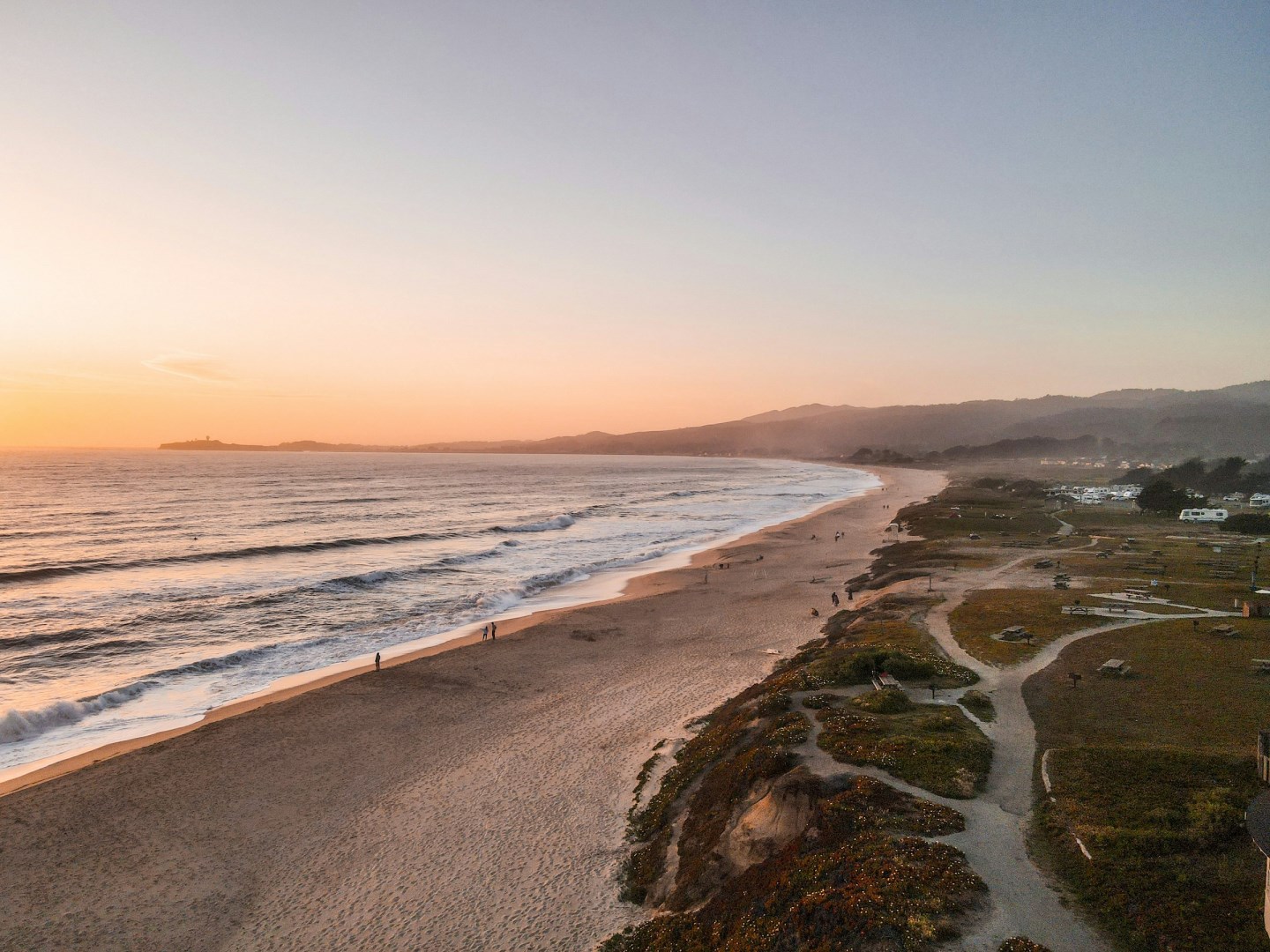
Half Moon Bay
Half Moon Bay is a coastal city on California’s San Mateo County coast, located south of San Francisco along a broad curve of the Pacific shoreline. The community is surrounded by agricultural land, coastal bluffs, sandy beaches, and rolling hills, with the Santa Cruz Mountains rising inland.
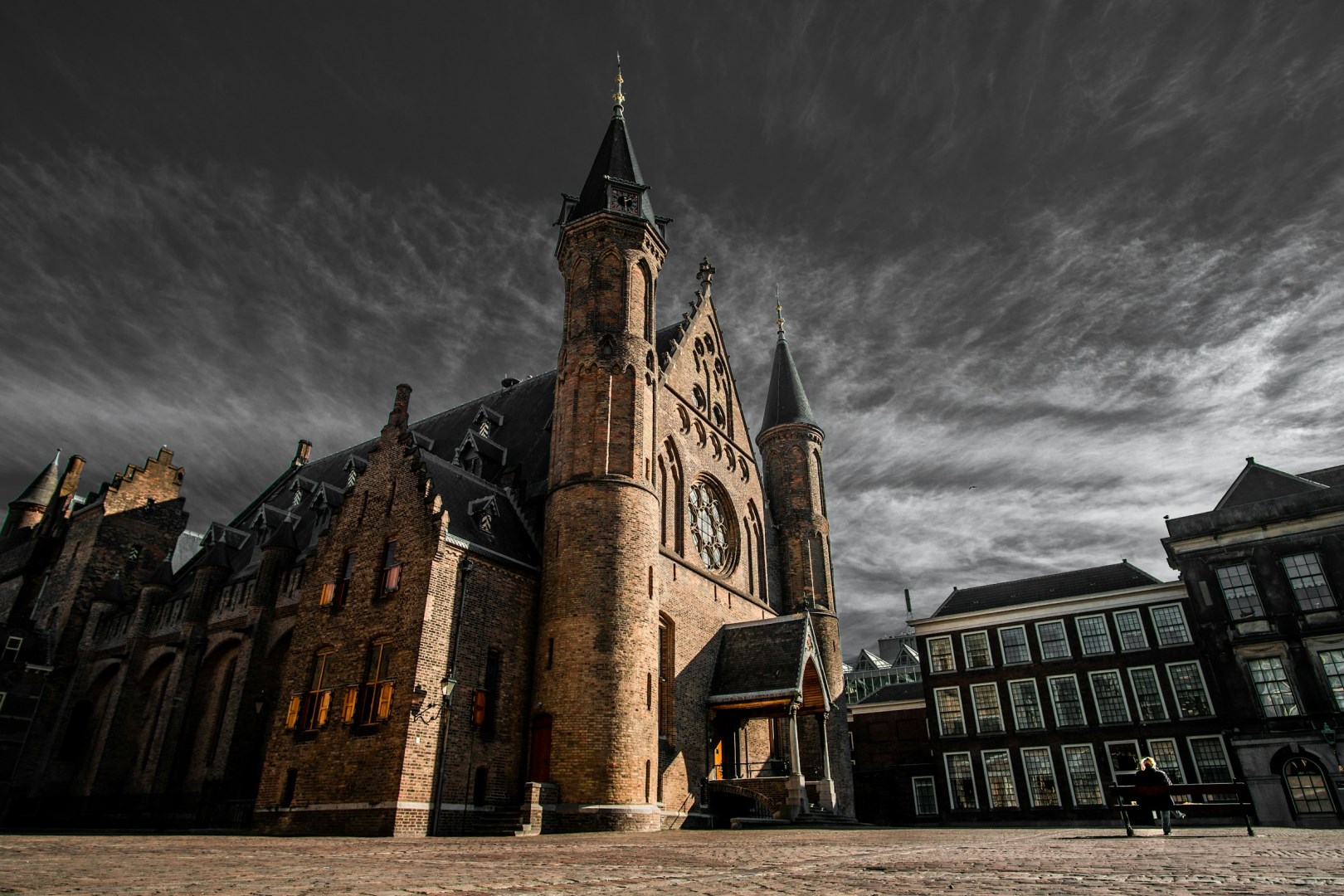
The Hague
Capital of Netherlands located on the North Sea and the sight of many International events.
