

Las Vegas
Las Vegas, Nevada, is an electrifying city where glitz and glamour meet entertainment and excitement. Known as "The Entertainment Capital of the World," Las Vegas offers an unparalleled array of attractions, from its iconic casinos and luxurious hotels to its world-class dining and live shows. The city's entertainment scene is second to none, featuring legendary headliners, cutting-edge performances, and an array of themed attractions.
Del Mar
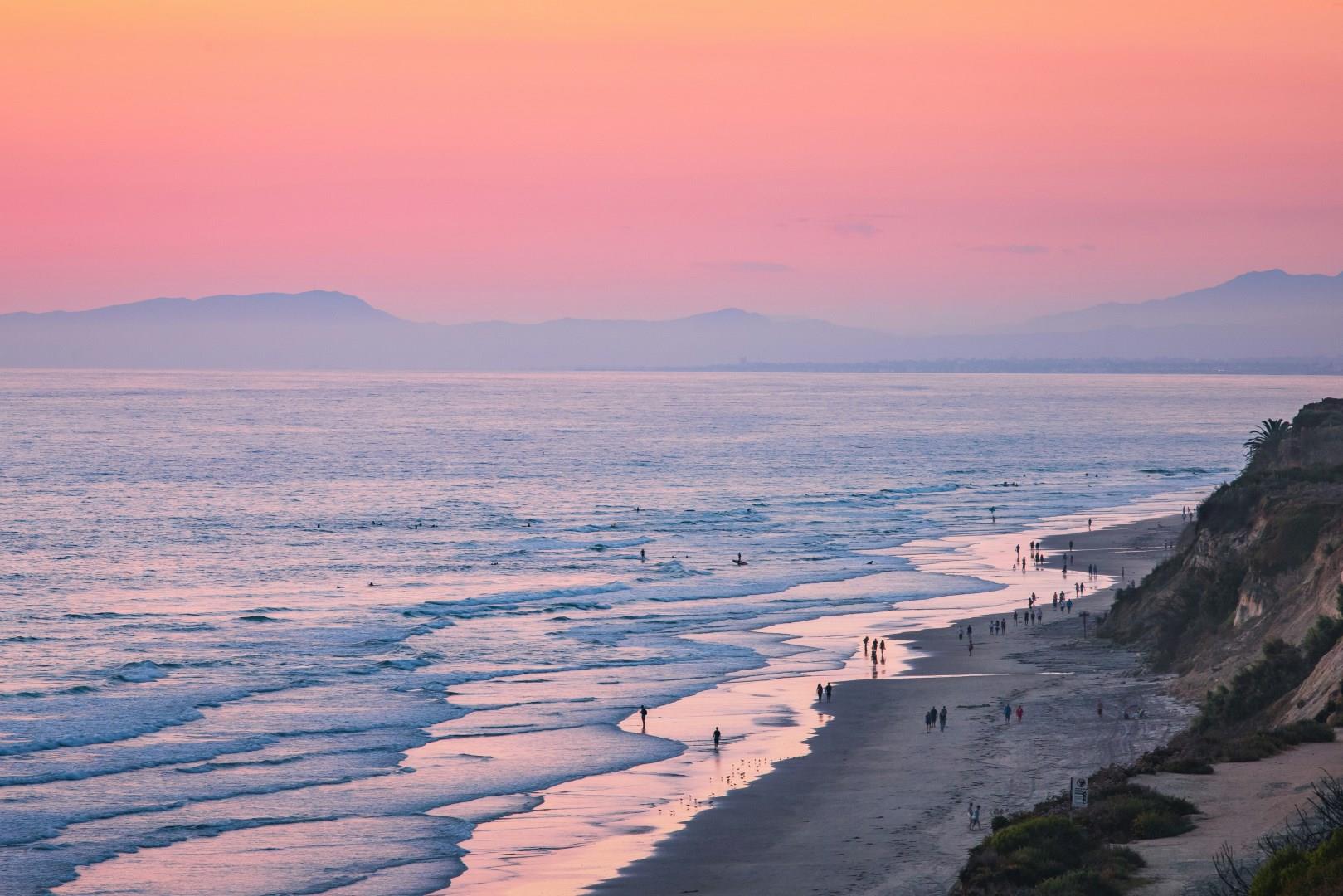
Though it's San Diego County's smallest city in both size and population, Del Mar is one of its most widely known due to prominence of its Del Mar Race Track & Fairgrounds. The City of Del Mar with about 2 square miles of land for its 5,211 residents, the city gives up almost one quarter to the fairgrounds. But its beaches stretch from Del Mar Shores Beach Park in the north edge of Torrey Pine State Reserve and the La Jolla Underwater Park in the south.
Mount Gambier
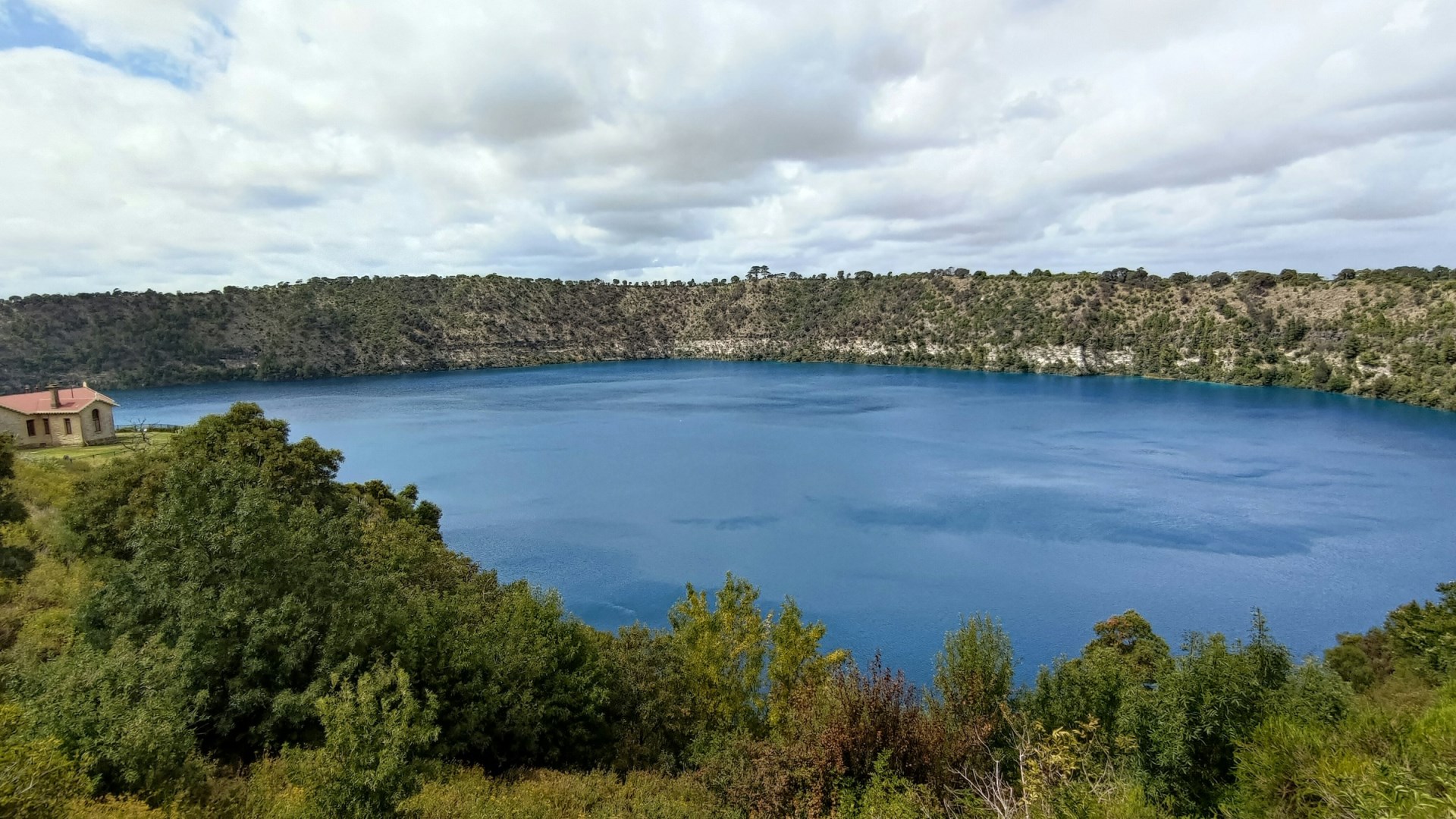
Mount Gambier is located midway between Adelaide and Melbourne. The city is built on its slopes, in the center of the largest pine plantation in Australia.
Erawan National Park
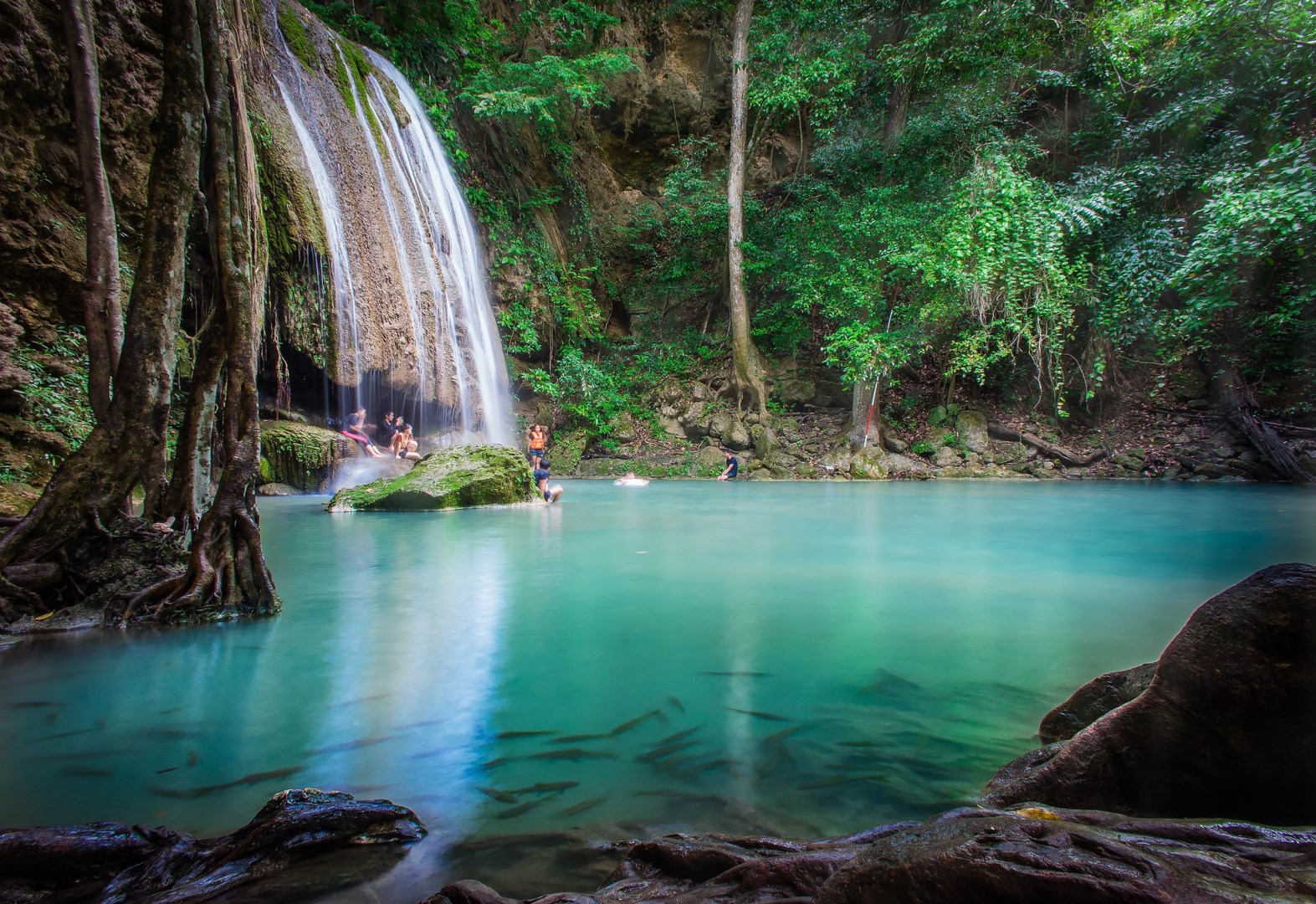
Erawan National Park is located in Kanchanaburi Province in western Thailand and is best known for its tiered waterfalls, limestone hills, and dense forest. The park covers a large area of mixed deciduous and evergreen woodland near the Tenasserim Hills close to the border with Myanmar.
Sarapiquí
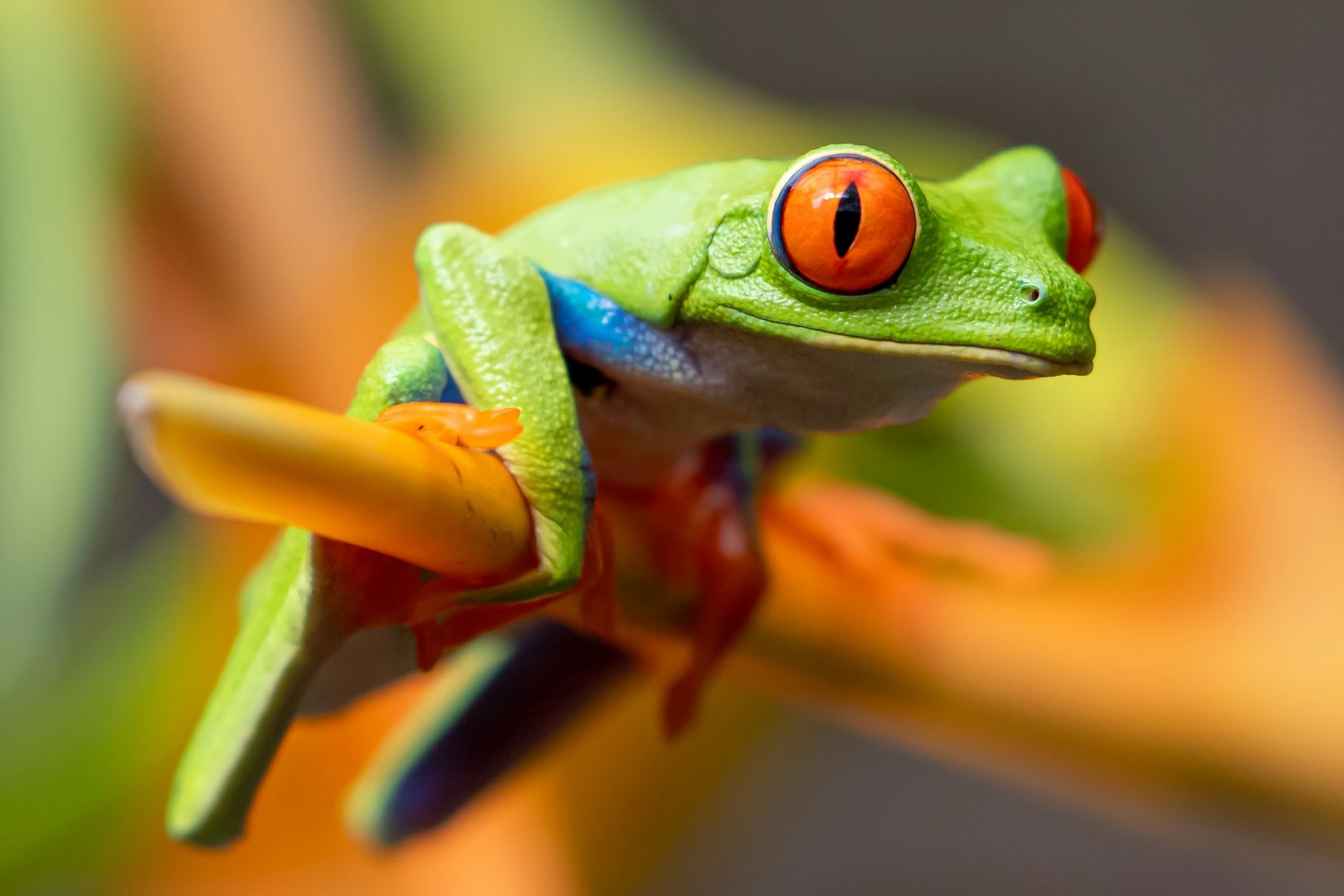
Sarapiquí is a rural region in northeastern Costa Rica, known for its network of rivers, rainforest reserves, and agricultural landscapes. Centered around Puerto Viejo de Sarapiquí, the area serves as a gateway to the Caribbean lowlands while remaining distinct from coastal destinations.
