
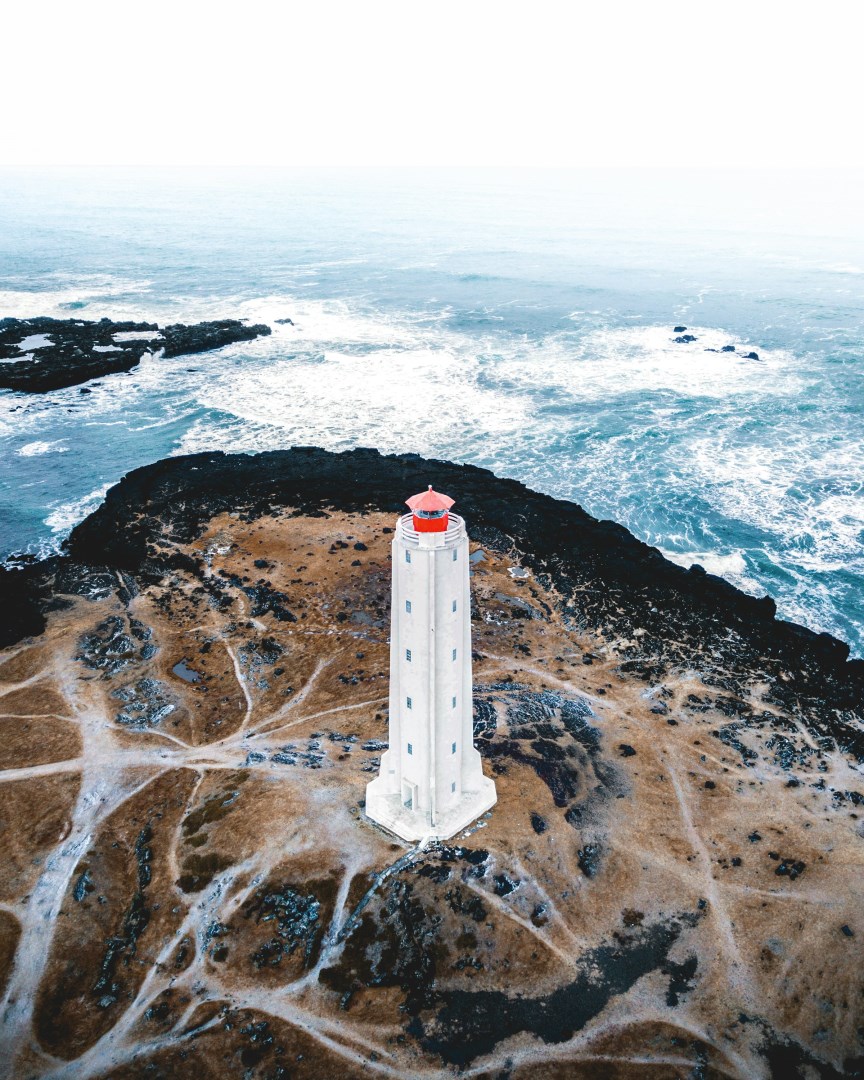
Snæfellsnes
The Snæfellsnes peninsula in western Iceland is sometimes referred to as "Iceland in Miniature" thanks to the many national sights found in the nearby area. The diverse landscape includes fascinating vistas of glistening fjords, dramatic volcanoes, and rugged seascapes.
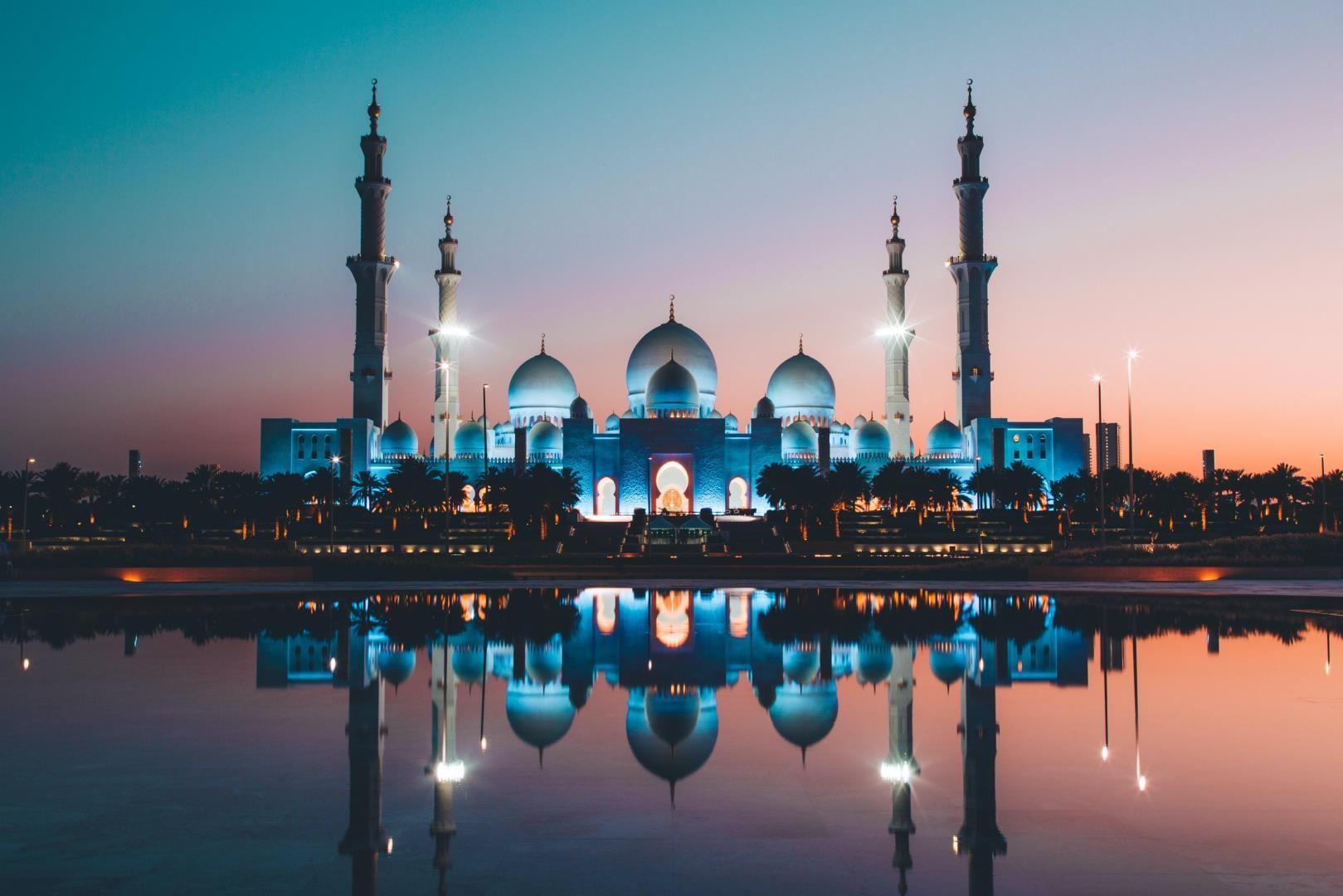
Abu Dhabi
A city in perpetual forward motion, Abu Dhabi greets visitors with gleaming skyscrapers and opulent Islamic architecture. There is much to see here, from the recently opened Louvre Abu Dhabi to the gigantic Sheikh Zayed Grand Mosque, with its white marble splendor. Beach life and turquoise waters can be found on Saadiyat Island, Al Bateen and Corniche Beach.
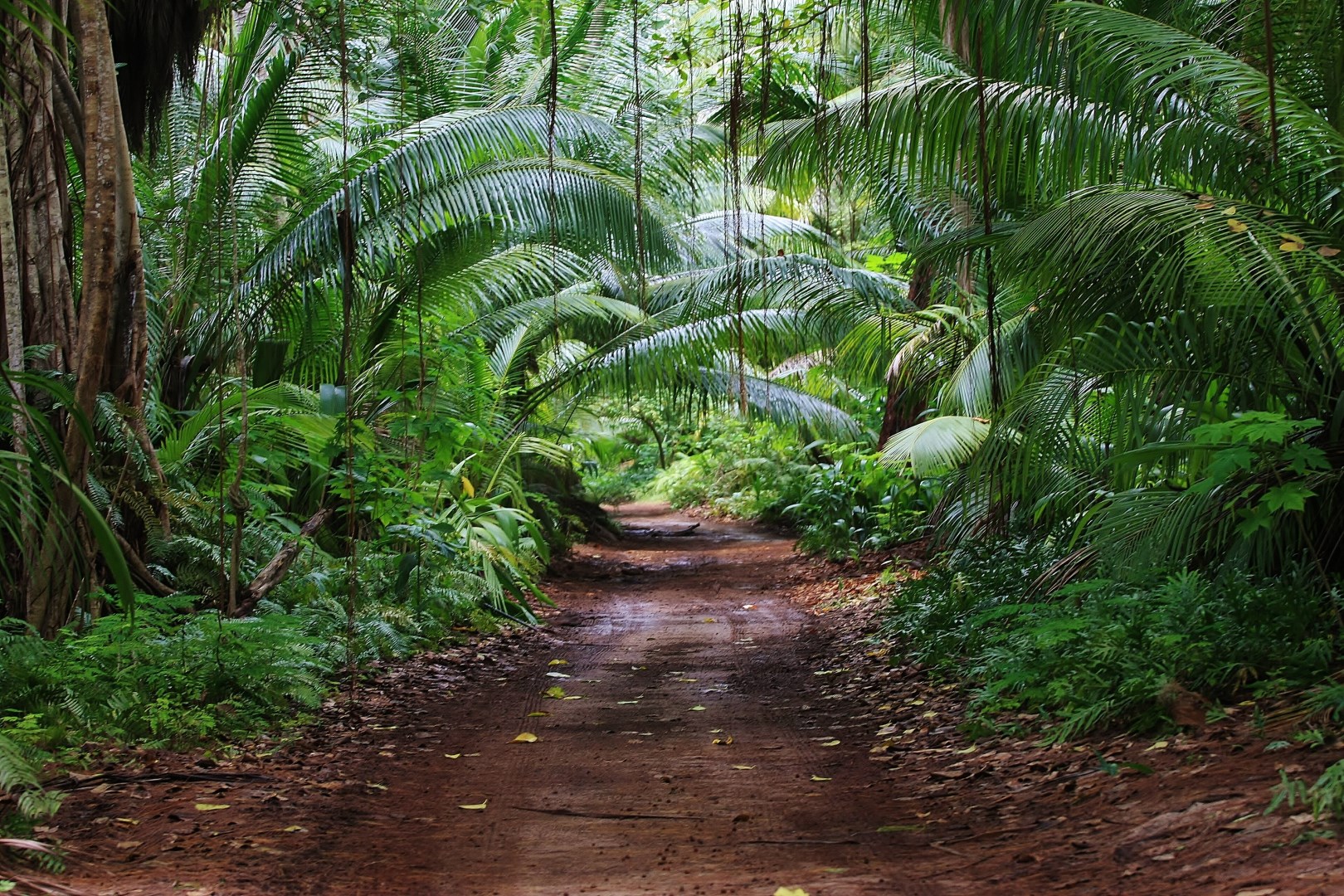
Denis Island
Denis Island, a hidden gem in the Seychelles, promises an exclusive tropical escape with its pristine landscapes and luxury offerings. Located 95 kilometers northeast of Mahé, the island is renowned for its unspoiled beaches and vibrant marine life. As one of the few privately-owned islands in the Seychelles, Denis Island offers a unique opportunity for travelers seeking both tranquility and indulgence.
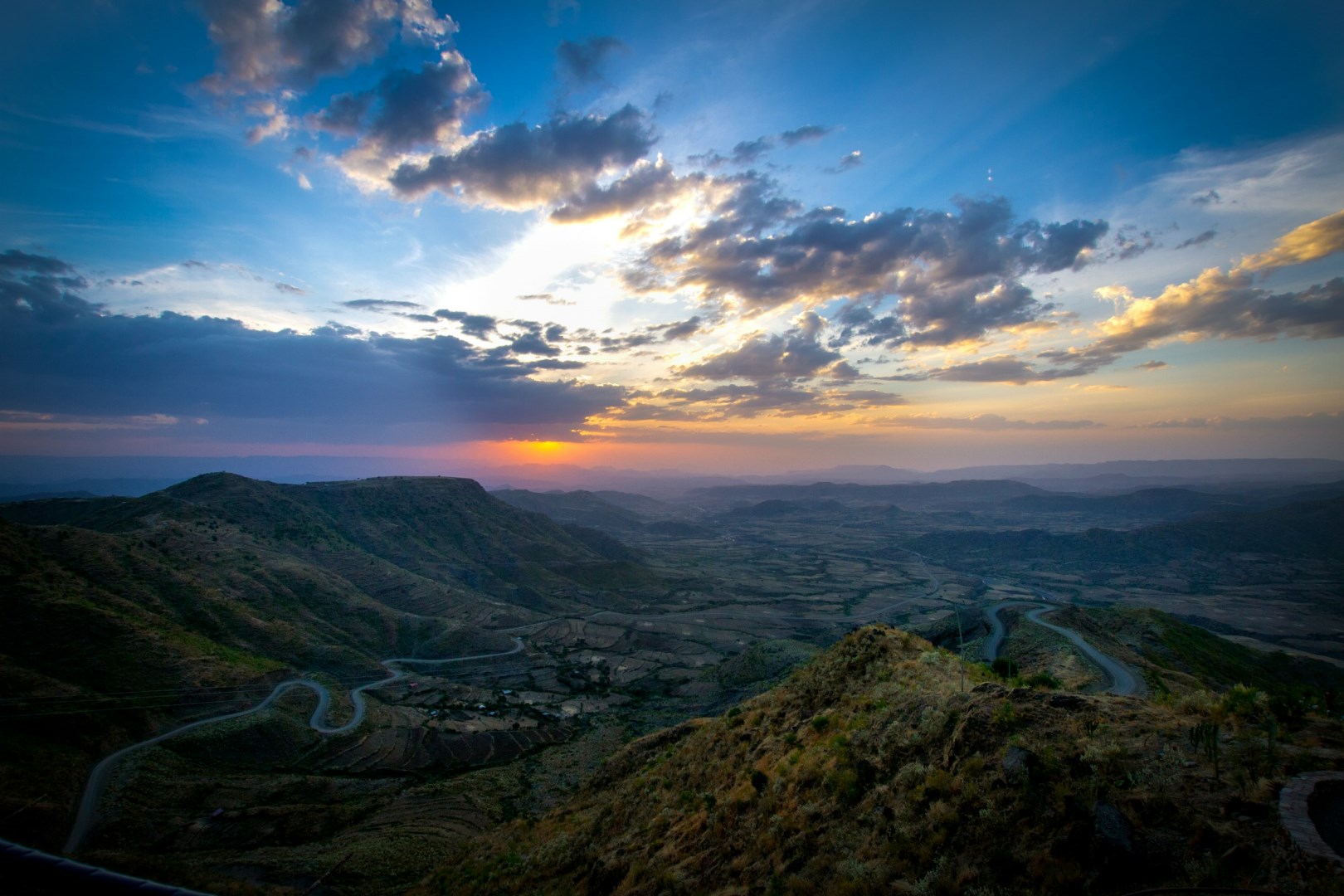
Lalibela
Lalibela is the name of the township which King Lalibela, later canonized, ruled in the 12th century. At his command, eleven monolithic churches were hewn out of living rock. The churches are unique because they are not carved into rock but were freed from it entirely
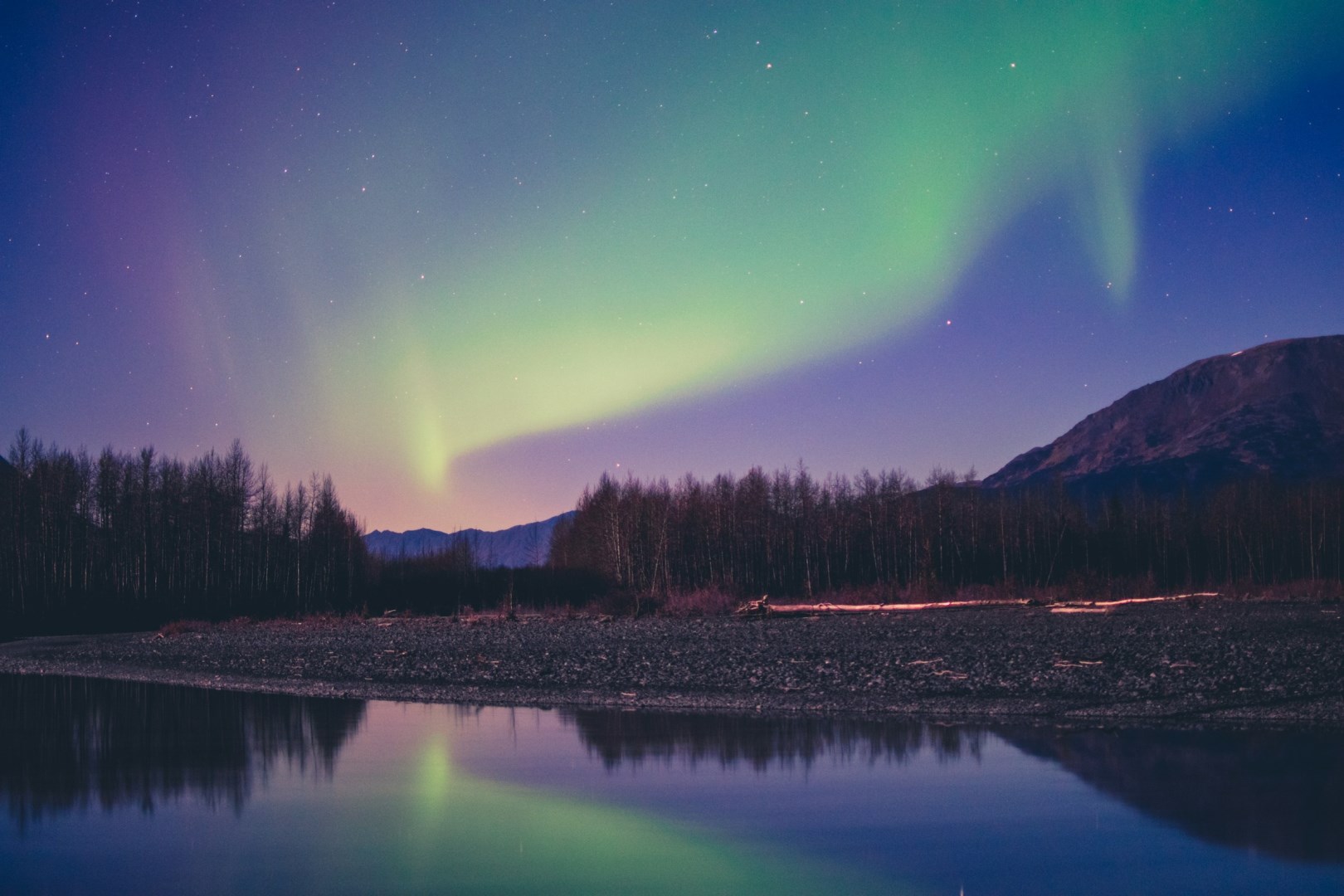
Portage Glacier
Portage Glacier, an hour's drive from Anchorage, is Alaska's most visited tourist attraction.
