

Bamberg
Bamberg, located in northern Bavaria, stands out for its remarkably preserved medieval layout, which earned it a spot on the UNESCO World Heritage list. Built on seven hills and often compared to Rome for that reason, the city’s architecture reflects over a thousand years of uninterrupted development. Bamberg is well known for its beer, and not just in the usual Bavarian sense. The city has more breweries per capita than any other town in Germany, and it’s the birthplace of rauchbier.
Konya
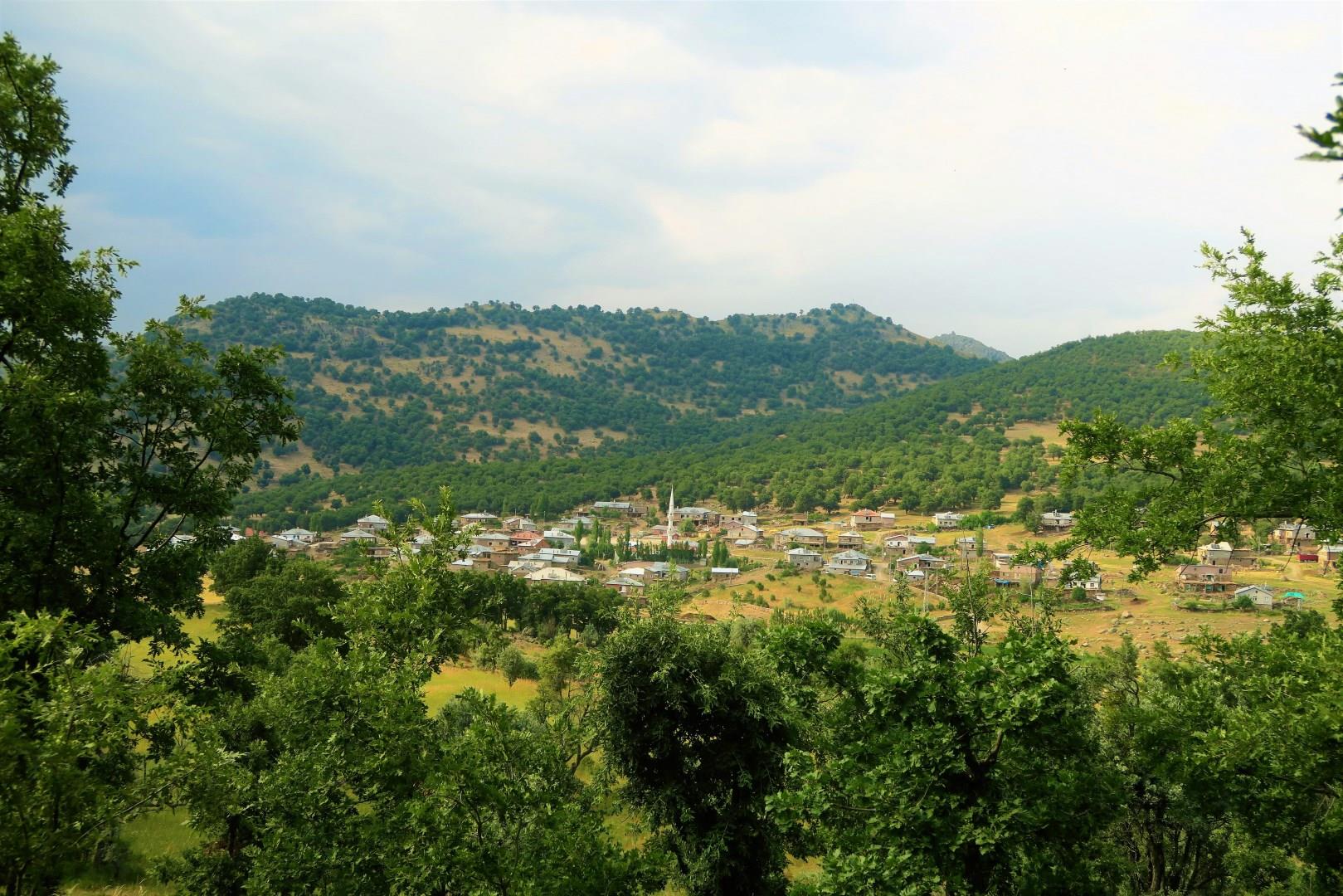
Konya has served as a spiritual center for centuries. Every December, the Şeb‑i Arûs festival marks the passing of Rumi, the Persian mystic, and draws Sufis and visitors from around the world to witness the Sema. Whirling dervish dance is performed to the sound of ney flutes and drums. In one of the country's most hushed and vivid traditions, performers spin in unison in flowing white skirts, a scene that blends meditation with graceful motion in a way found nowhere else.
Fatehpur Sikri
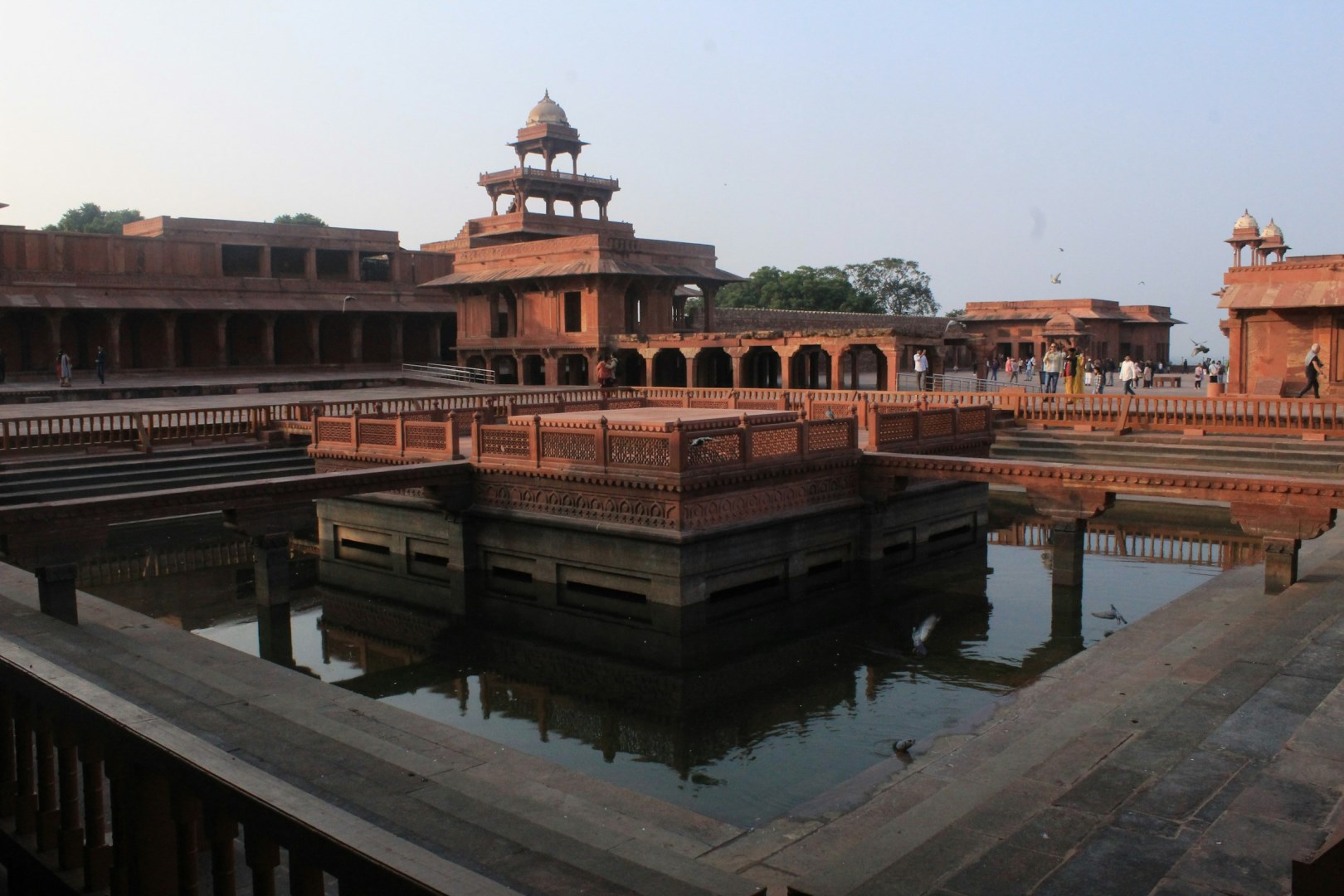
Fatehpur Sikri is a historic city in Uttar Pradesh, located near Agra and known for its grand red sandstone architecture and carefully planned urban layout. Built around a ridge, the former imperial city contains palaces, courtyards, audience halls, religious buildings, and gateways arranged within a fortified complex. Its architecture combines Islamic, Hindu, Jain, and regional design elements, reflecting the cultural setting of the Mughal court.
Michoacán de Ocampo
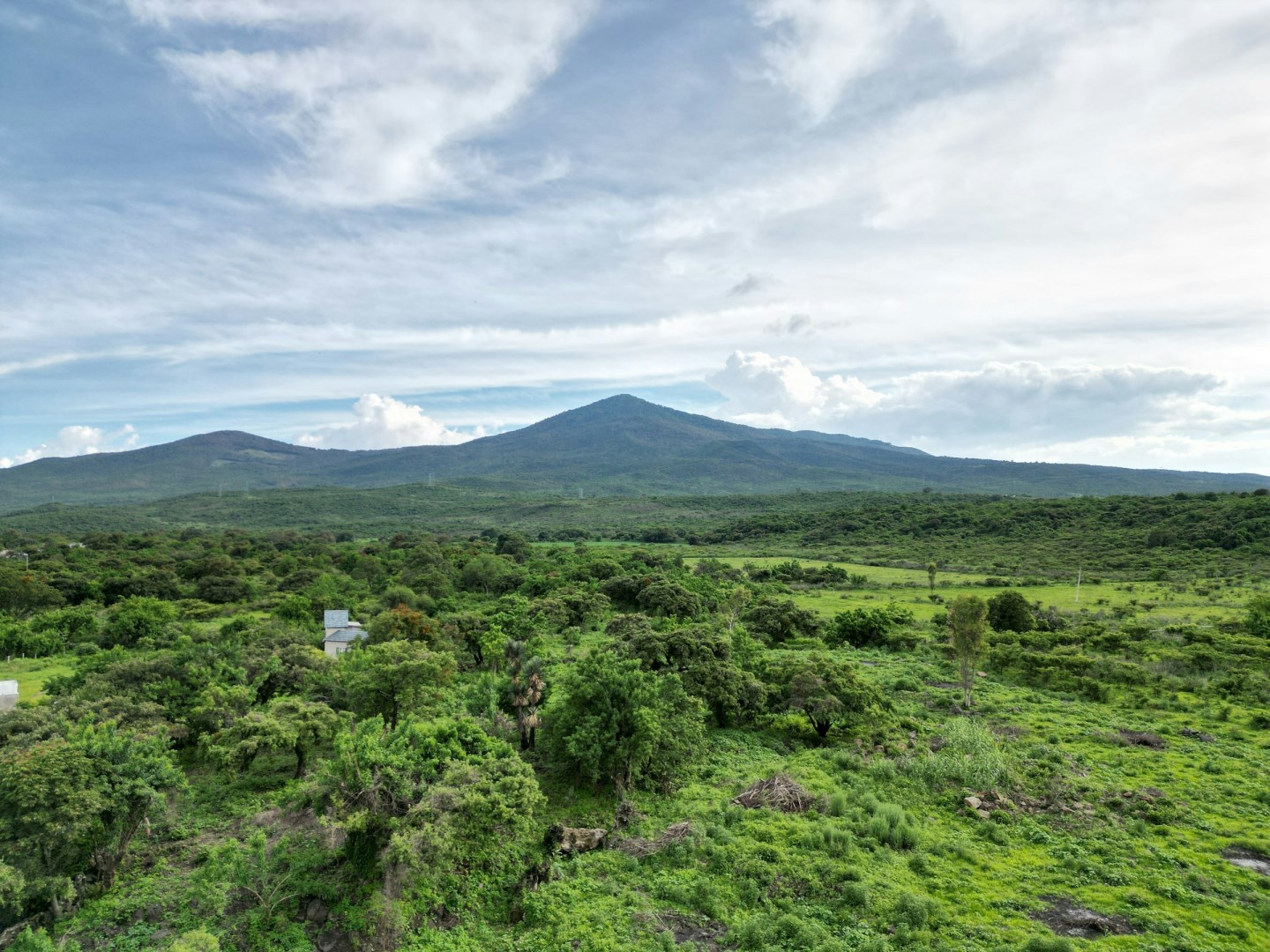
Western Mexico state on the Pacific coast that is a major producer of avocados. Morelia serves as its capital city.

Scoresby Sund
Scoresby Sund (Kangertittivaq in Greenlandic), on the eastern coast of Greenland, is the largest and longest fjord system in the world. On the northern side of the fjord's mouth sits Ittoqqortoormiit, the only permanent settlement in the region and home to less than 500 residents. The region is well-known for its Arctic flora and fauna.
