
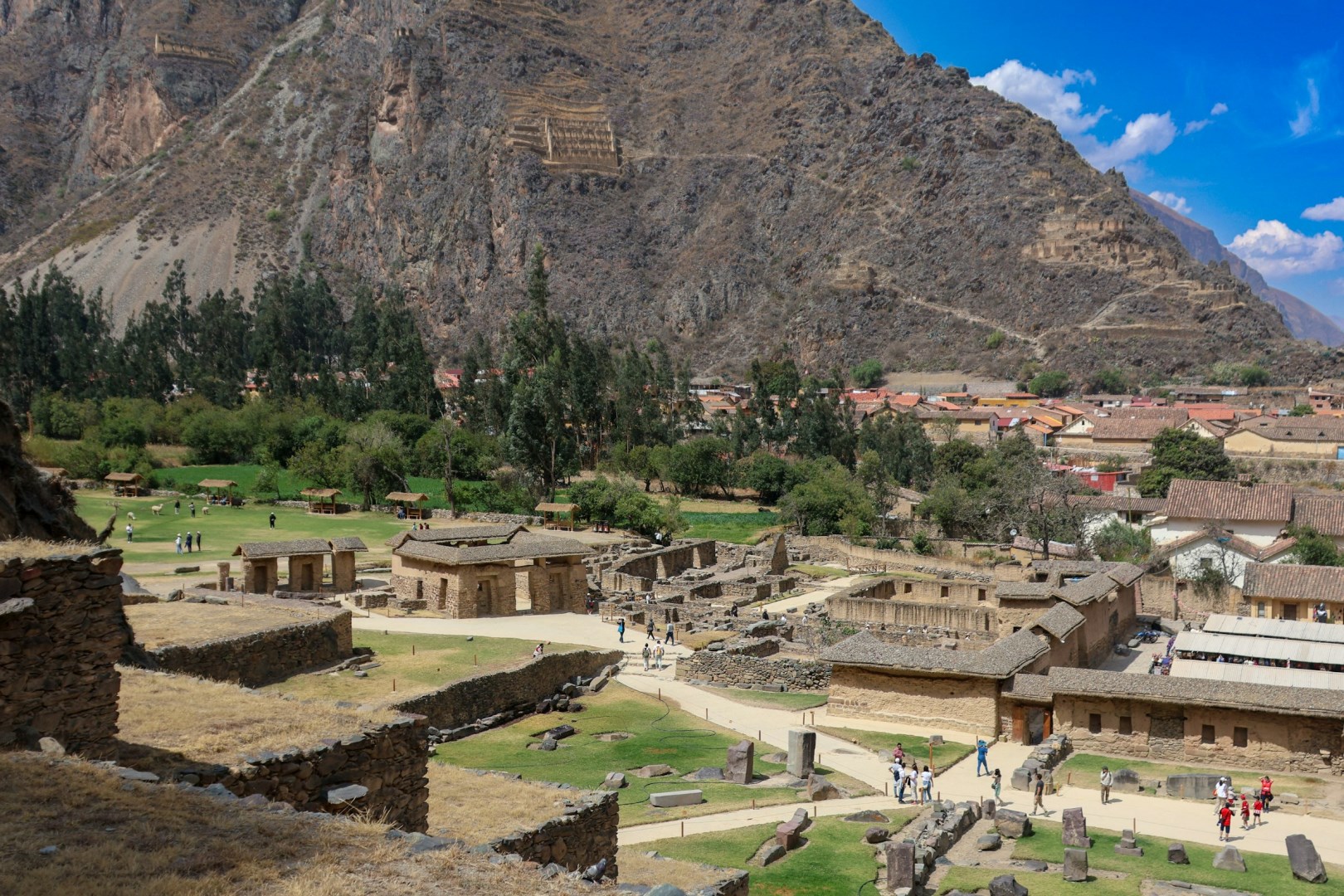
Ollantaytambo
Most commonly reached via travel from Cusco, Ollantaytambo is an Incan archaeological site in the Sacred Valley of southern Peru. The town dates from the late 15th century and is home to some of the oldest continuously-occupied dwellings in South America.
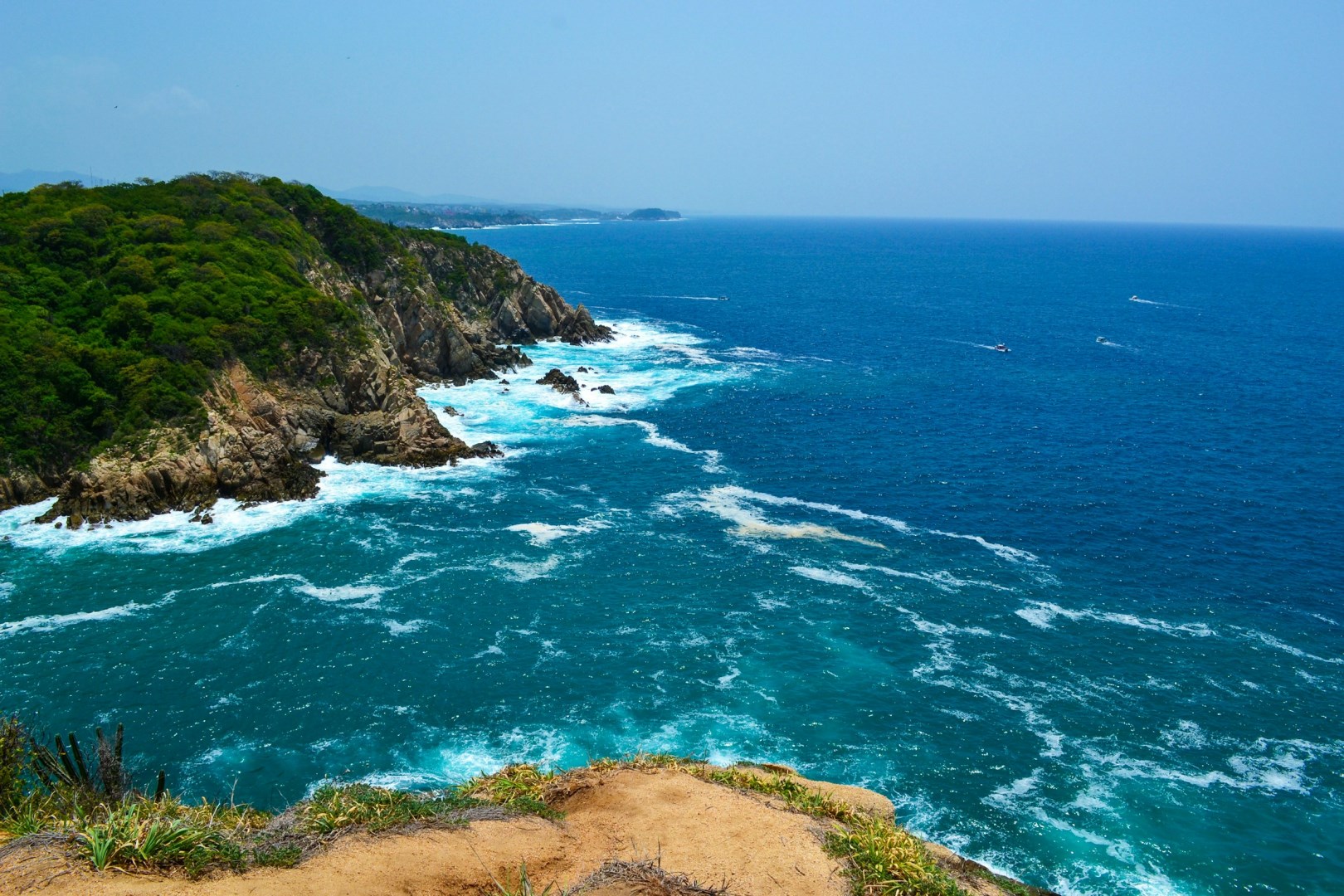
Puerto Escondido
Just a few years ago, Puerto Escondido was a fishing village. Now Puerto Escondido is still remote enough to avoid the crowds of the more established resort areas and a perfect "out of the way" spot for those looking for a great, romantic escape.
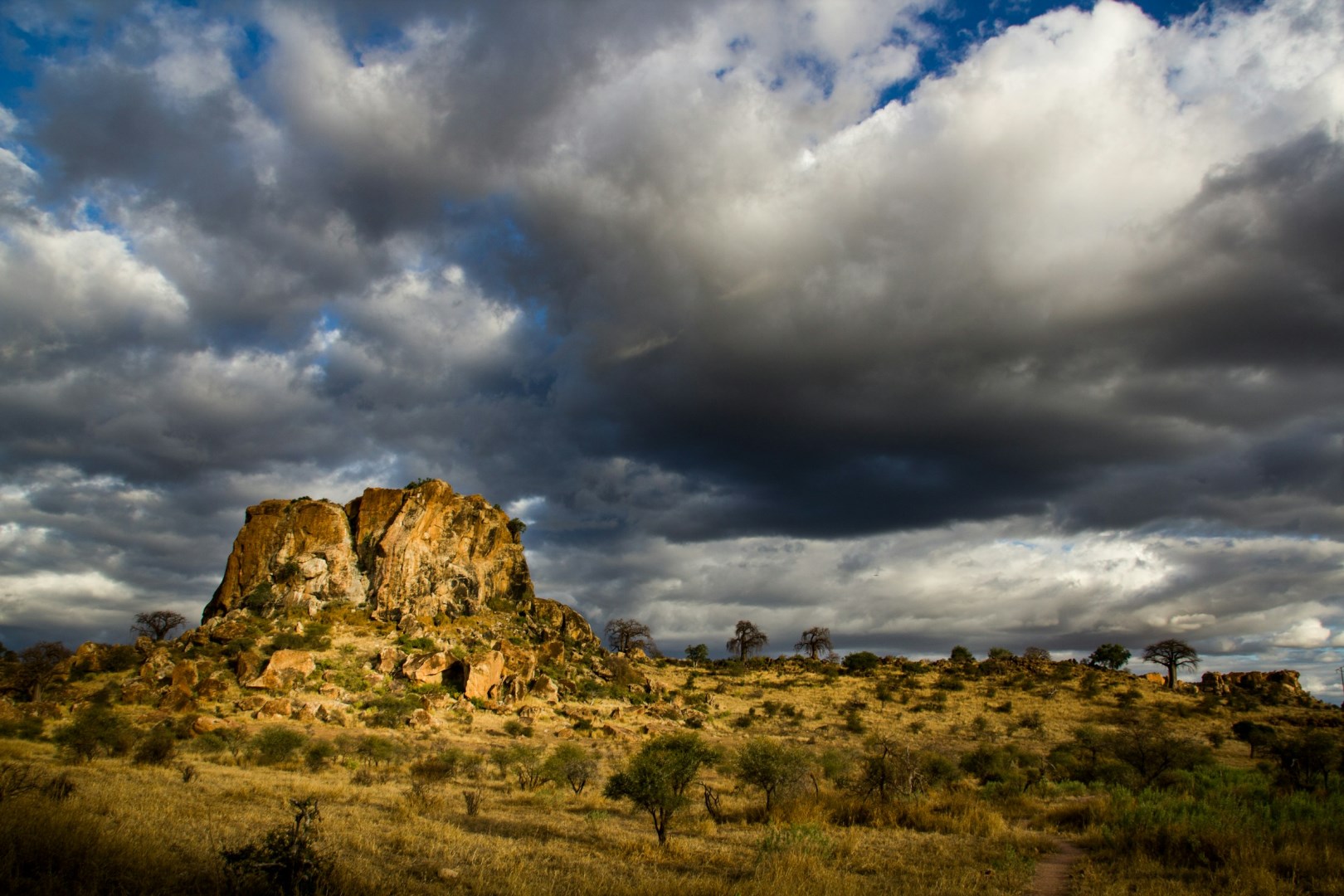
Mapungubwe National Park
Mapungubwe National Park lies in Limpopo province at the meeting point of the Limpopo and Shashe rivers, where South Africa borders Botswana and Zimbabwe. Its landscape combines open savanna, sandstone cliffs, baobab trees, riverine woodland, and rocky hills. The park forms part of the Mapungubwe Cultural Landscape, a UNESCO World Heritage Site recognized for its archaeological and cultural importance.
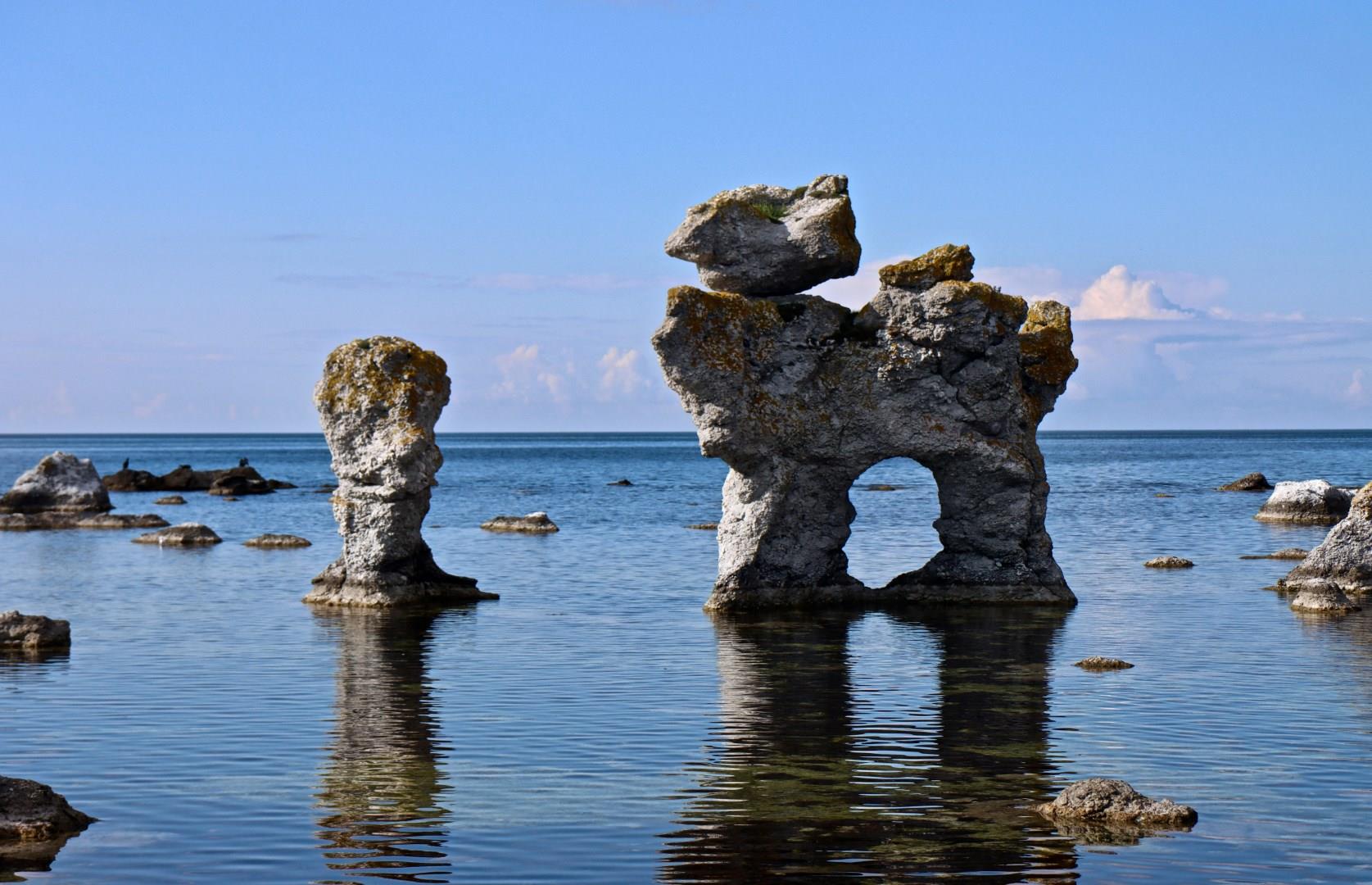
Gotland
Gotland, Sweden’s largest island, sits in the Baltic Sea and feels like a world of its own. Its main town, Visby, is a UNESCO World Heritage site and one of the best-preserved medieval towns in Northern Europe. Surrounded by a 3.5-kilometer stone wall with original towers still intact, Visby once served as a key Hanseatic trading hub. Visitors can walk along cobbled streets lined with rose-covered cottages, explore Gothic church ruins, and climb up the city wall for views over the harbor.
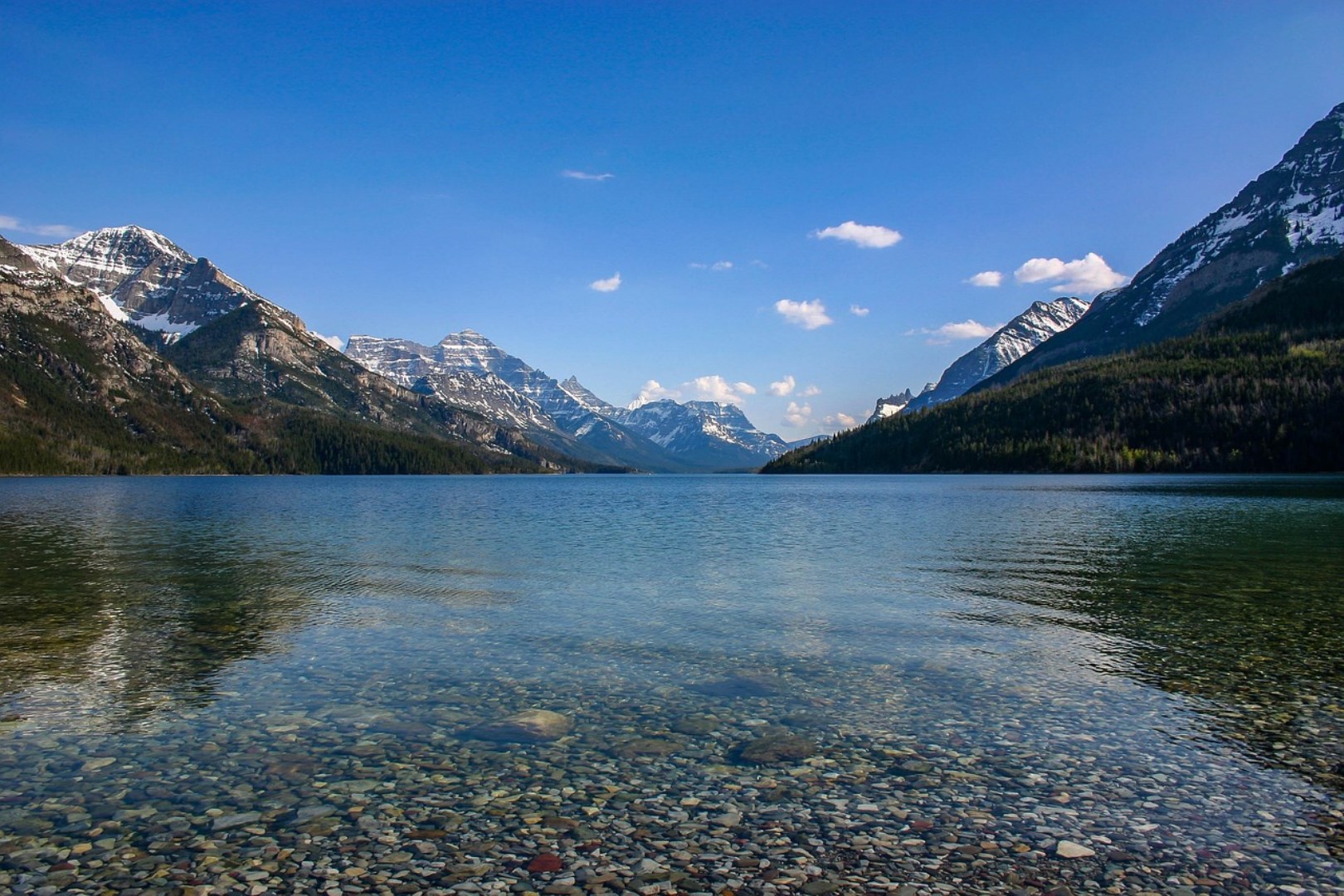
Waterton Lakes National Park
Together with neighboring Glacier National Park in the United States, Waterton Lakes National Park is part of the world's first international Peace Park, which was recognized as a UNESCO World Heritage Site in 1955. The Waterton-Glacier Peace Park protects an important biological crossroads where the Rocky Mountains reach their narrowest width. Waterton's bedrock is much older than that of the mountains to the north found in Jasper and Banff.
