

China
China, the world’s most populous country, stretches across vast landscapes ranging from the towering Himalayas and deserts of the north to fertile river valleys and bustling coastal cities. Its rich history spans thousands of years, marked by dynasties, inventions, and cultural developments that have left a lasting imprint on art, architecture, and philosophy.
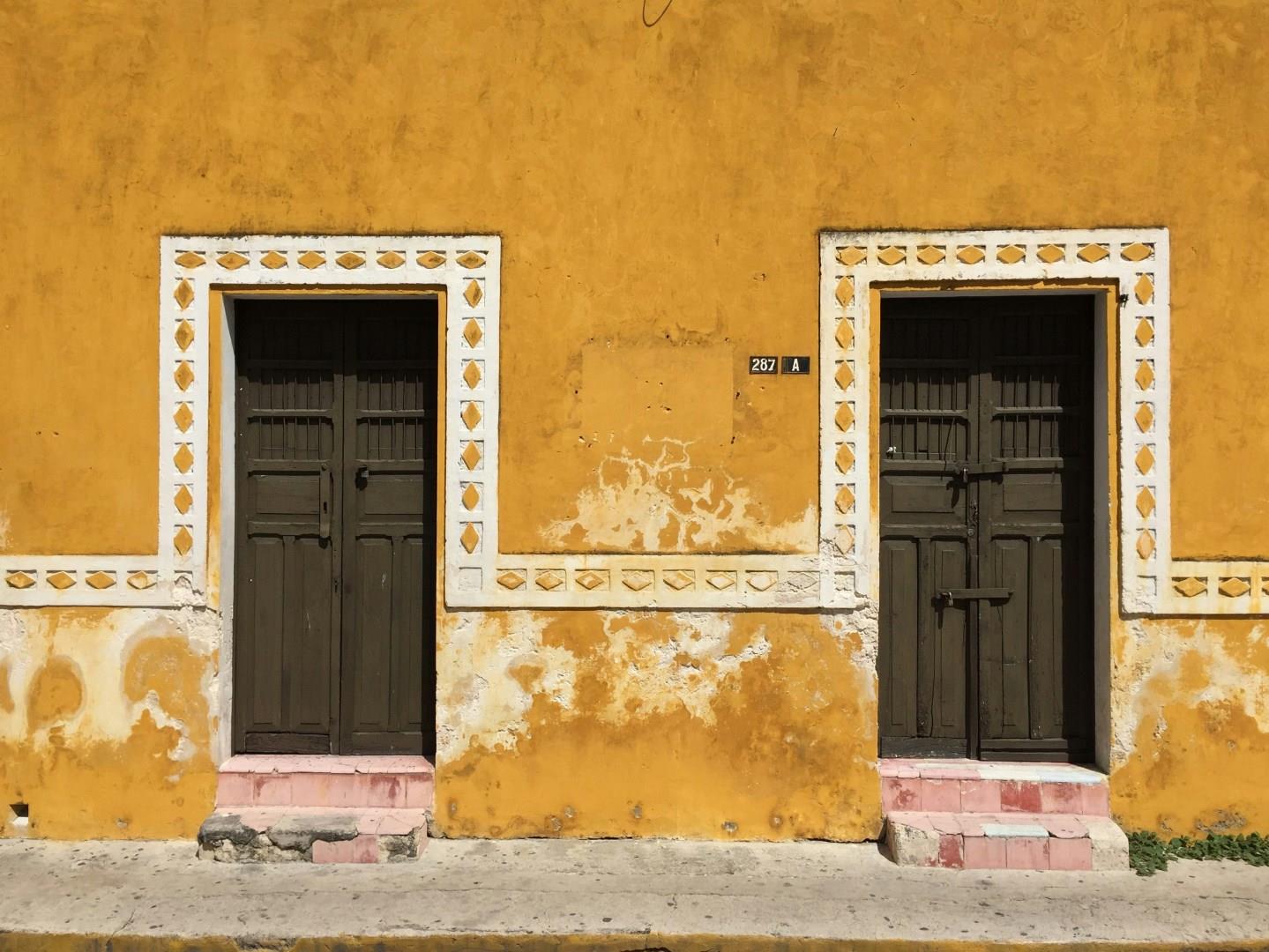
Izamal
Izamal, located in the heart of Yucatán, stands out as a city where centuries of history are layered in plain sight. Known as the “City of Three Cultures,” it combines ancient Maya ruins, Spanish colonial architecture, and modern-day Yucatecan life. One of the most striking features of Izamal is its golden-yellow buildings, painted this distinctive color in honor of Pope John Paul II’s visit in 1993.
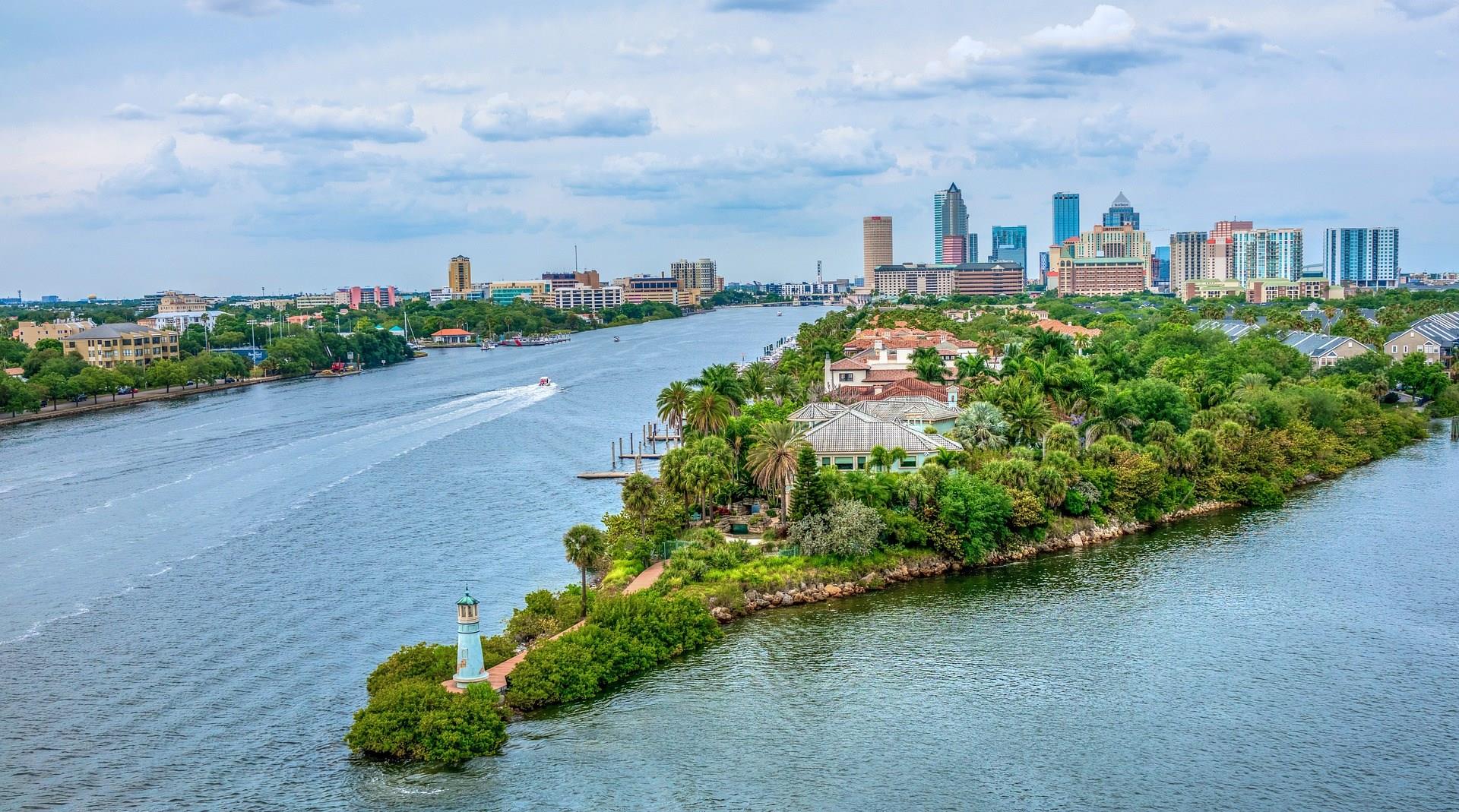
Tampa
Tampa, Florida, offers more than just sunshine and palm trees, it’s a city with character, history, and plenty of unexpected experiences. Founded as a military outpost in the 19th century, Tampa has grown into a vibrant waterfront city with strong Cuban, Spanish, and Italian influences. This cultural blend is especially noticeable in Ybor City, a historic district known for its red-brick buildings and deep cigar-making roots.

Taupo
Taupō, located in the heart of New Zealand’s North Island, is built along the shores of Lake Taupō, which is the largest freshwater lake in Australasia, formed nearly two thousand years ago by a massive volcanic eruption. That eruption was so powerful, it was recorded in ancient Chinese and Roman texts, even though it occurred halfway across the world. Today, the lake is calm, clear, and central to life in the region, offering everything from trout fishing to kayaking and lakeside cycling.

Tibet
Tibet, often referred to as the "Roof of the World," is a land of breathtaking beauty, spiritual depth, and rich cultural heritage. Set against the backdrop of the towering Himalayas, Tibet captivates travelers with its dramatic landscapes, from vast high-altitude deserts to verdant valleys and serene lakes.
