
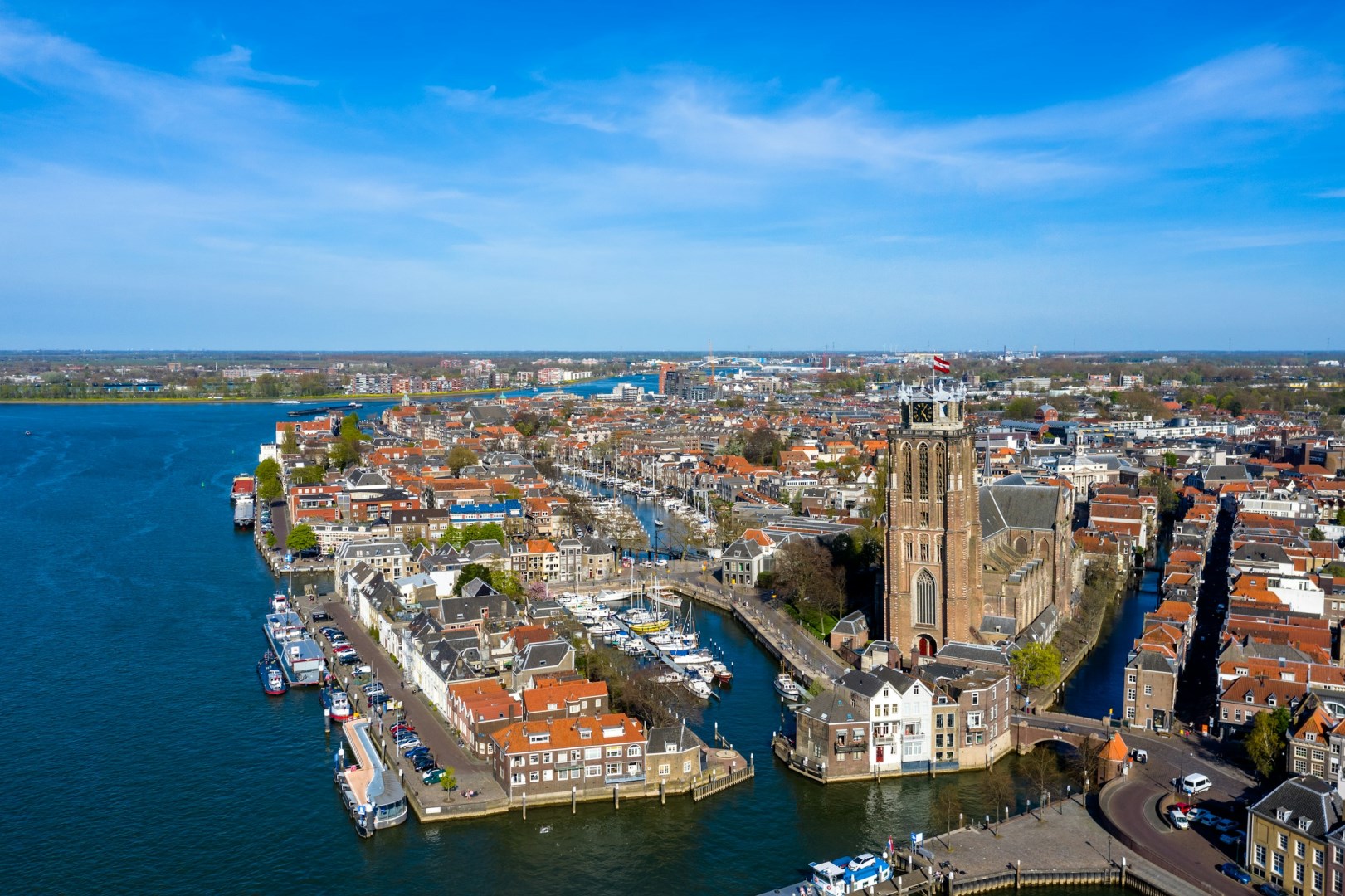
Dordrecht
Situated at the confluence of the rivers Merwede and Noord, Dordrecht is one of the Netherlands' oldest cities, rich in history and character from its charming medieval center and picturesque canals to its beautiful historic buildings. With its intricate network of canals and waterways, the city once played a key role in the Dutch Golden Age and is home to the Biesbosch National Park, one of the largest national parks in the Netherlands.
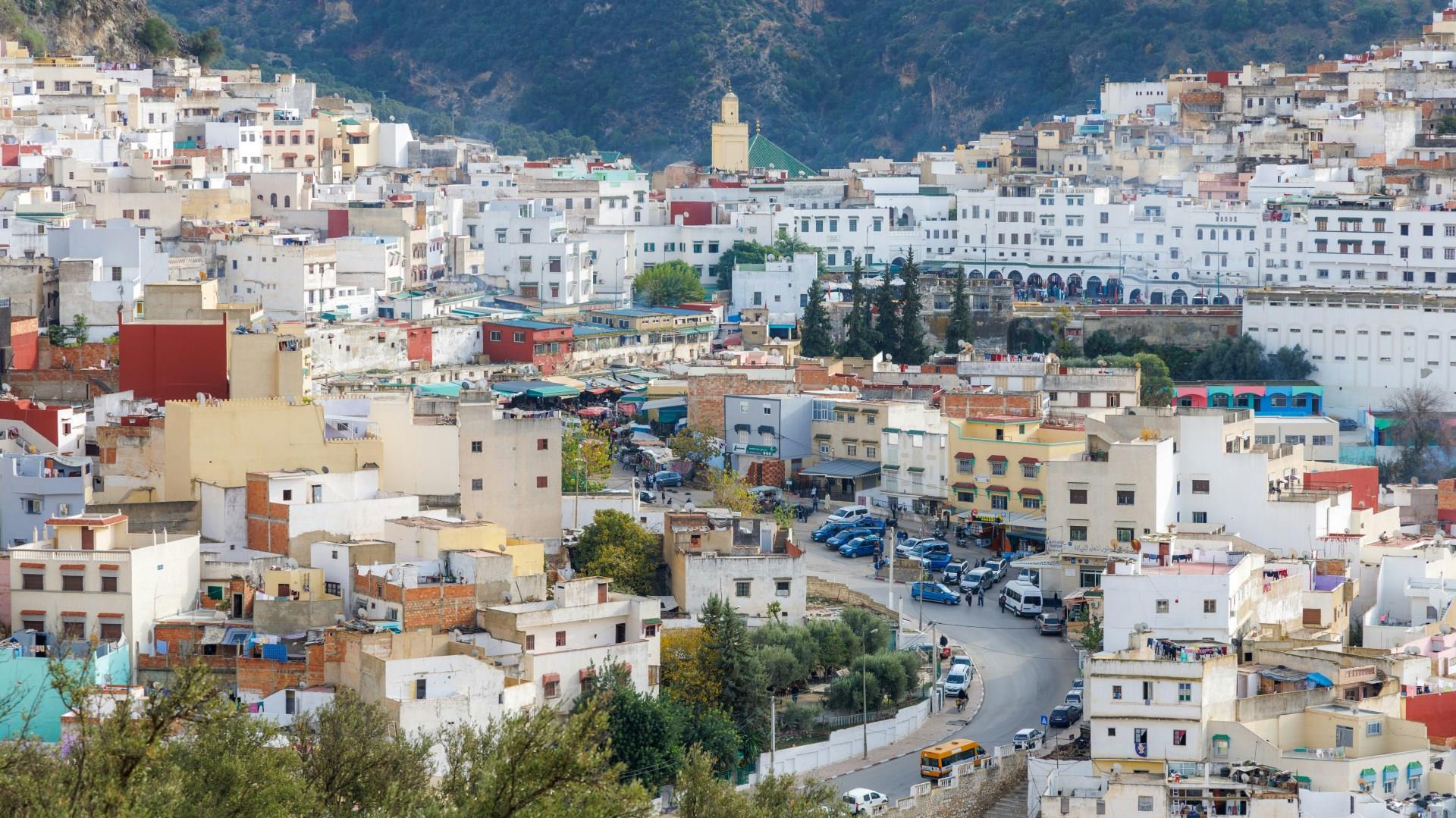
Moulay Idriss
Moulay Idriss sits on twin hills in northern Morocco, revered as one of the country’s most important spiritual centers.

Bayonne
Bayonne, nestled in the heart of France's Basque Country, offers a delightful blend of history, culture, and gastronomy. This charming city, with its half-timbered houses and narrow cobbled streets, sits at the confluence of the Nive and Adour rivers, creating a picturesque setting that invites leisurely exploration. The Gothic Bayonne Cathedral, a UNESCO World Heritage Site offers stunning views and an opportunity to admire its breathtaking 13th-century architecture.
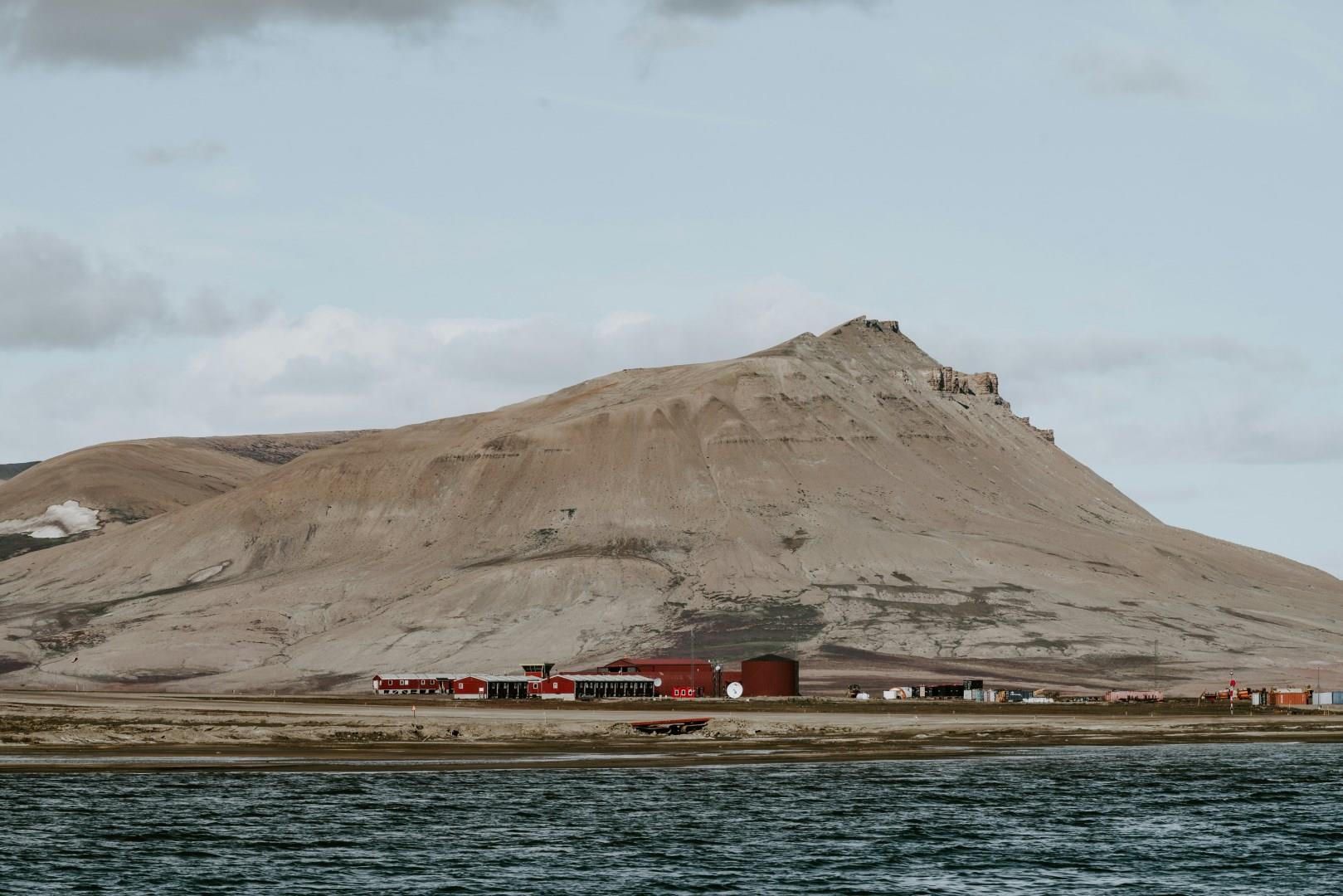
Constable Point
Constable Point, known locally as Nerlerit Inaat, is a small but fascinating gateway to Greenland’s remote east coast. Originally established in the 1980s to support mineral exploration and later functioning as a crucial supply base, Constable Point now serves as the main air access hub for visitors headed to the isolated communities of Ittoqqortoormiit and Scoresby Sound.

Ontario
Ontario is Canada's most densely populated province, harboring such cosmopolitan cities as Toronto and Ottawa. Millions of tourists come into Ontario every year, and industry and farming are the chief industries along the Great Lakes.
