
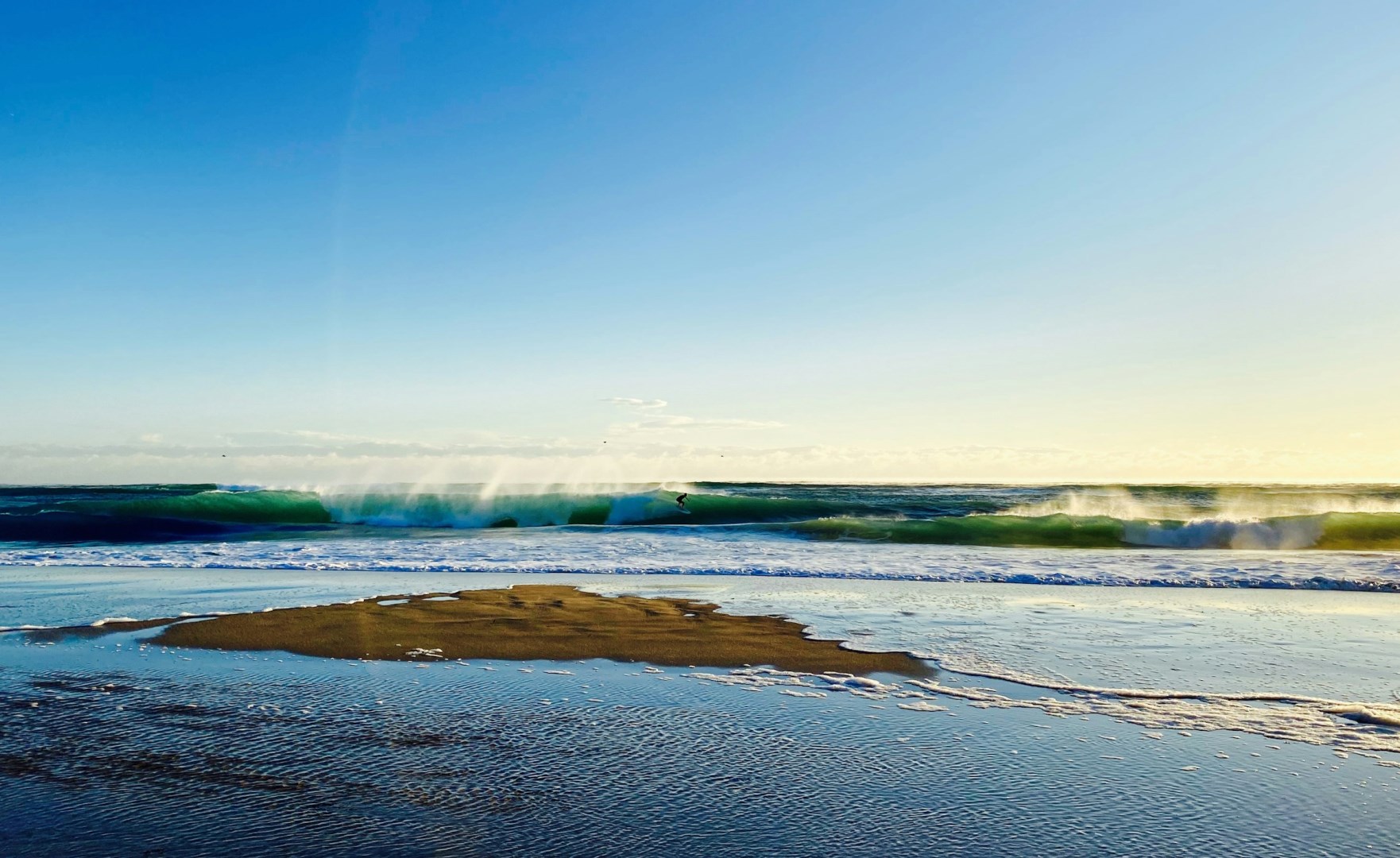
Palm Beach
Palm Beach, southeastern Florida, on the northern end of a barrier island situated between Lake Worth (a lagoon) and the Atlantic Ocean; incorporated 1911. It has a subtropical climate and is a fashionable and luxurious winter resort. The town is named for its palm-lined beach.

Germany
Germany offers a wide range of experiences, shaped by centuries of history, regional traditions, and striking landscapes. In Berlin, the past and present share the same streets. Visitors can walk along remnants of the Berlin Wall and then explore a thriving street art scene in neighborhoods like Kreuzberg and Friedrichshain. The city's Museum Island, a UNESCO World Heritage Site, houses ancient artifacts and 19th-century masterpieces just a short walk from modern coffee shops and rooftop bars.
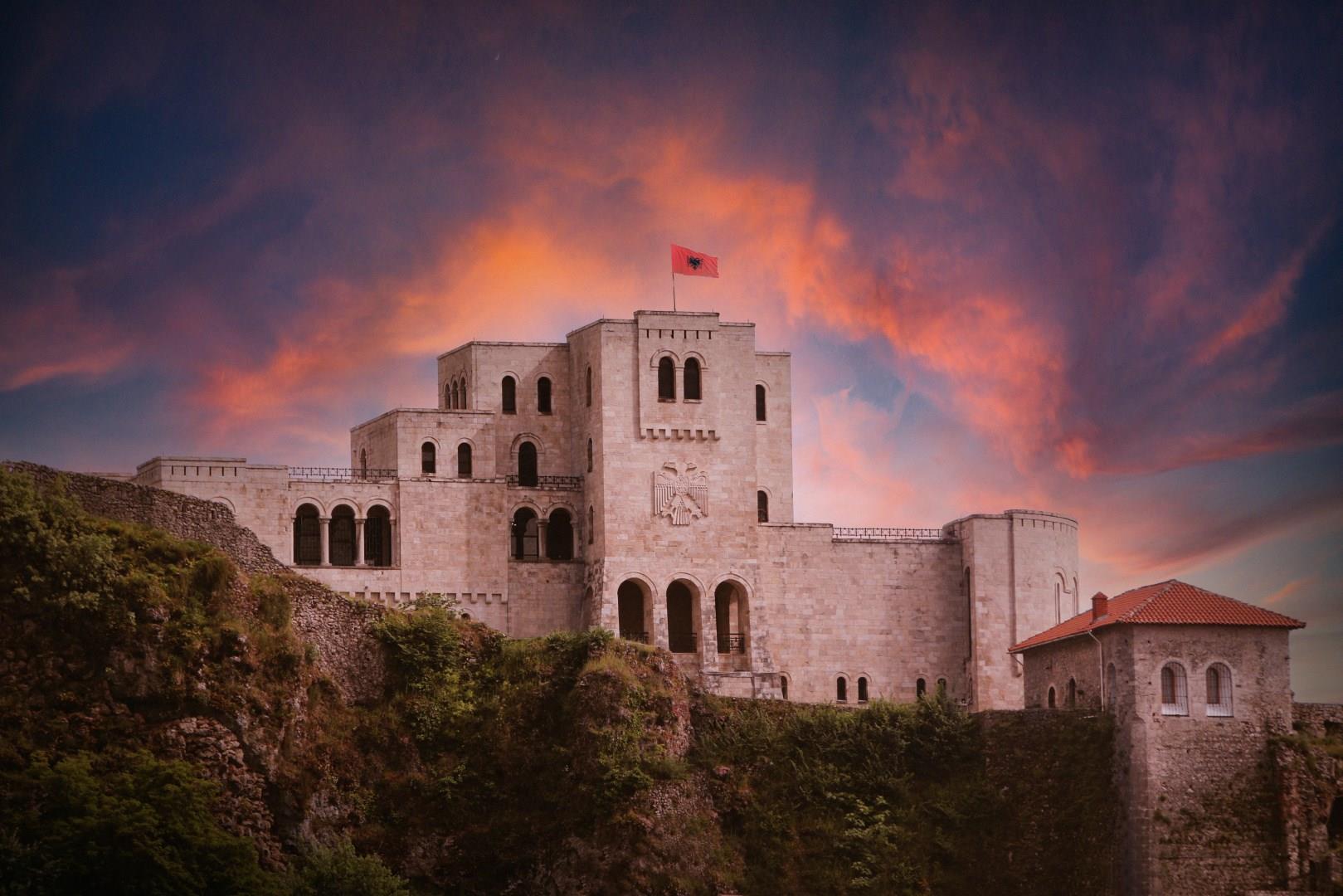
Krujë
Krujë sits on a rocky hilltop above central Albania and has long been a symbol of the country’s history and independence. At Krujë Castle ancient stone walls rise above the town and offer striking views of the surrounding hills and valleys, and inside the fortress visitors find the Skanderbeg Museum, where armor, documents and displays recount the life and battles of Albania’s national hero.
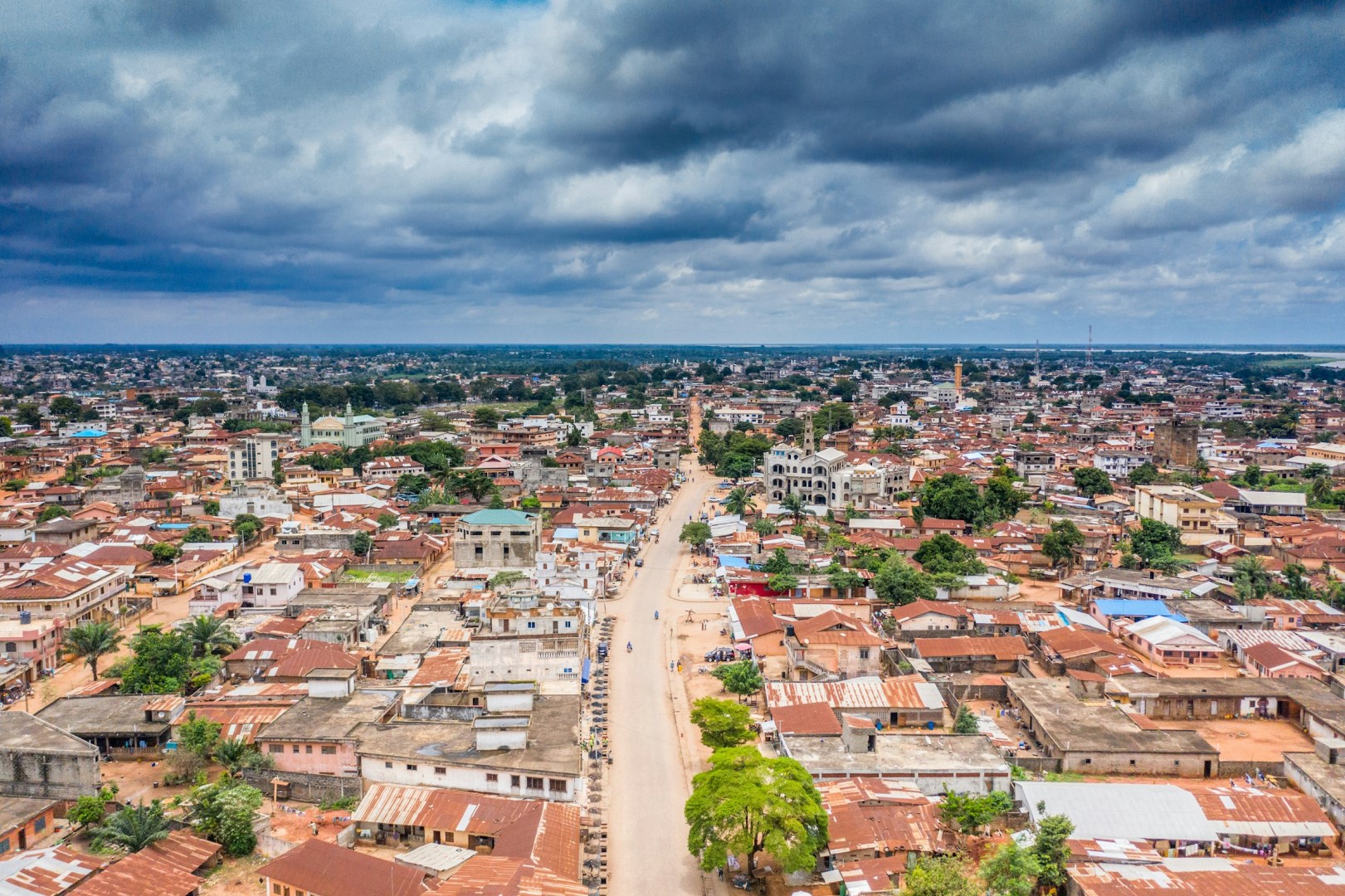
Porto-Novo
Porto-Novo is the political capital of Benin, located in the country's southeast near the Porto-Novo Lagoon and not far from the Nigerian border. The city is known for its combination of Yoruba heritage, royal traditions, and Afro-Brazilian architecture. Historic neighbourhoods contain distinctive buildings with decorated facades, while markets, workshops, museums, and religious sites remain part of everyday urban life.
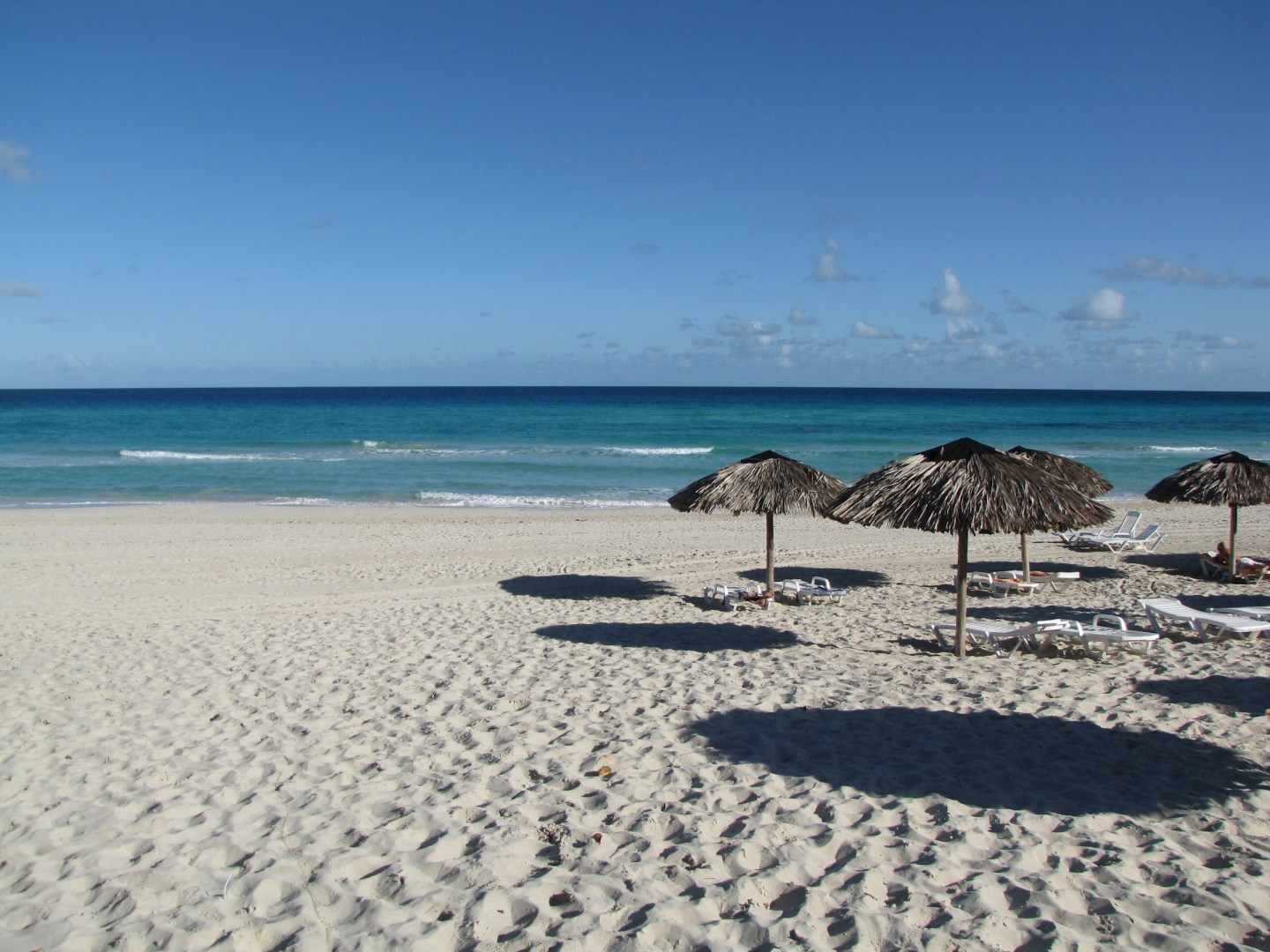
Varadero
Varadero, set along Cuba’s Hicacos Peninsula, is one of the Caribbean’s most renowned beach destinations. Its 20 kilometers of powdery white sand and clear turquoise waters have made it a favorite for relaxation, water sports, and resort stays.
