

Lyttelton
Lyttelton is the largest settlement on Lyttelton Harbour, an inlet on the northwestern side of Banks Peninsula, and provides a frequent landing spot to those who are Christchurch bound.

Tofino
Tofino is a small coastal community on the western edge of Vancouver Island, surrounded by Pacific Ocean waters, forested mountains, islands, and temperate rainforest. It sits within the traditional territory of the Tla-o-qui-aht First Nation and the Clayoquot Sound UNESCO Biosphere Region. Once known primarily for fishing and logging, Tofino has developed into a community closely associated with surfing, marine activities, outdoor recreation, and environmental stewardship.
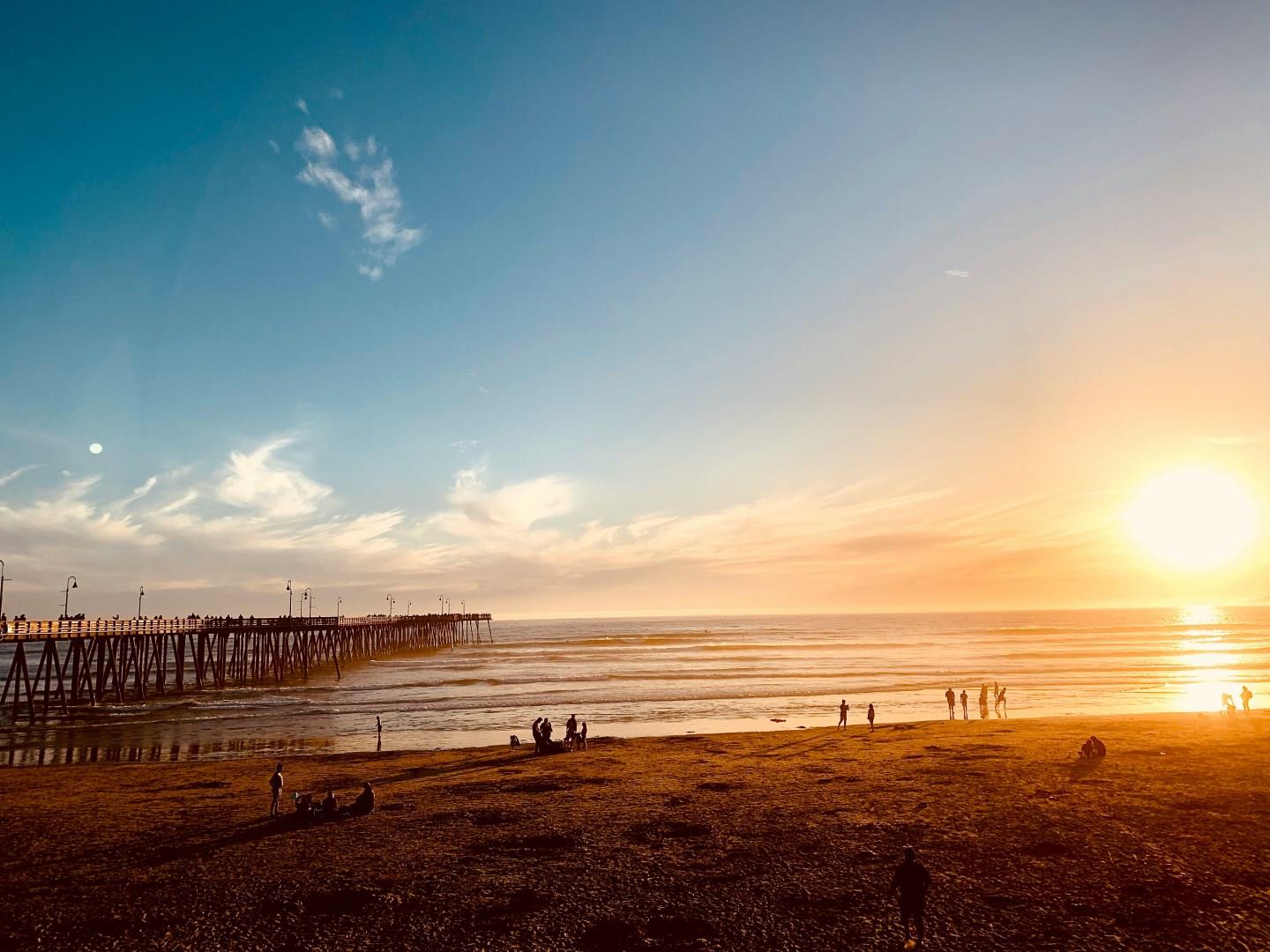
Pismo Beach
Abundant treasures for vacation enjoyment await visitors of all ages in the picturesque central California beachside community of Pismo Beach. Whether you enjoy a romantic walk along the beach, a challenging ride on a all-terrain vehicle through the sand dunes, sporting activities which suit enthusiasts of all levels or just plain fun, Pismo Beach has it all. Located midway between San Francisco and Los Angeles, Pismo Beach is in the center of some of the state's most beautiful coastline.

Naples
Situated between magnificent Mount Vesuvius and the glittering Tyrrhenian Sea, Naples is the perfect destination for history and archaeology aficionados and lovers of savory Italian eats. Marvel at the ruins of Pompeii and Herculaneum, explore the San Gennaro Catacombs, and end your day with authentic Neapolitan pizza.

Middle East
The Middle East offers an extraordinary mix of history, culture, and natural beauty. Whether uncovering its ancient mysteries, indulging in its delicious cuisine, or experiencing its warm hospitality, travelers are sure to create lasting memories in this remarkable part of the world.
