

Porvoo
Porvoo, Finland, is a charming and picturesque town that transports visitors back in time with its well-preserved medieval atmosphere. Located just 50 kilometers east of Helsinki, it is one of Finland’s oldest cities, founded in the 14th century. Its most iconic feature is the Old Town, with its cobblestone streets, wooden houses painted in vibrant reds and yellows, and the majestic Porvoo Cathedral, which dates back to the 15th century.

Kagoshima
Kagoshima, Japan offers a captivating blend of natural beauty, cultural heritage, and culinary delights. Nestled on the southwestern tip of Kyushu, this city is famously dominated by the imposing Sakurajima volcano, one of Japan’s most active volcanoes. Visitors can take a ferry to get up close to the volcano or view it from the Kagoshima City Viewpoint for breathtaking panoramic views.
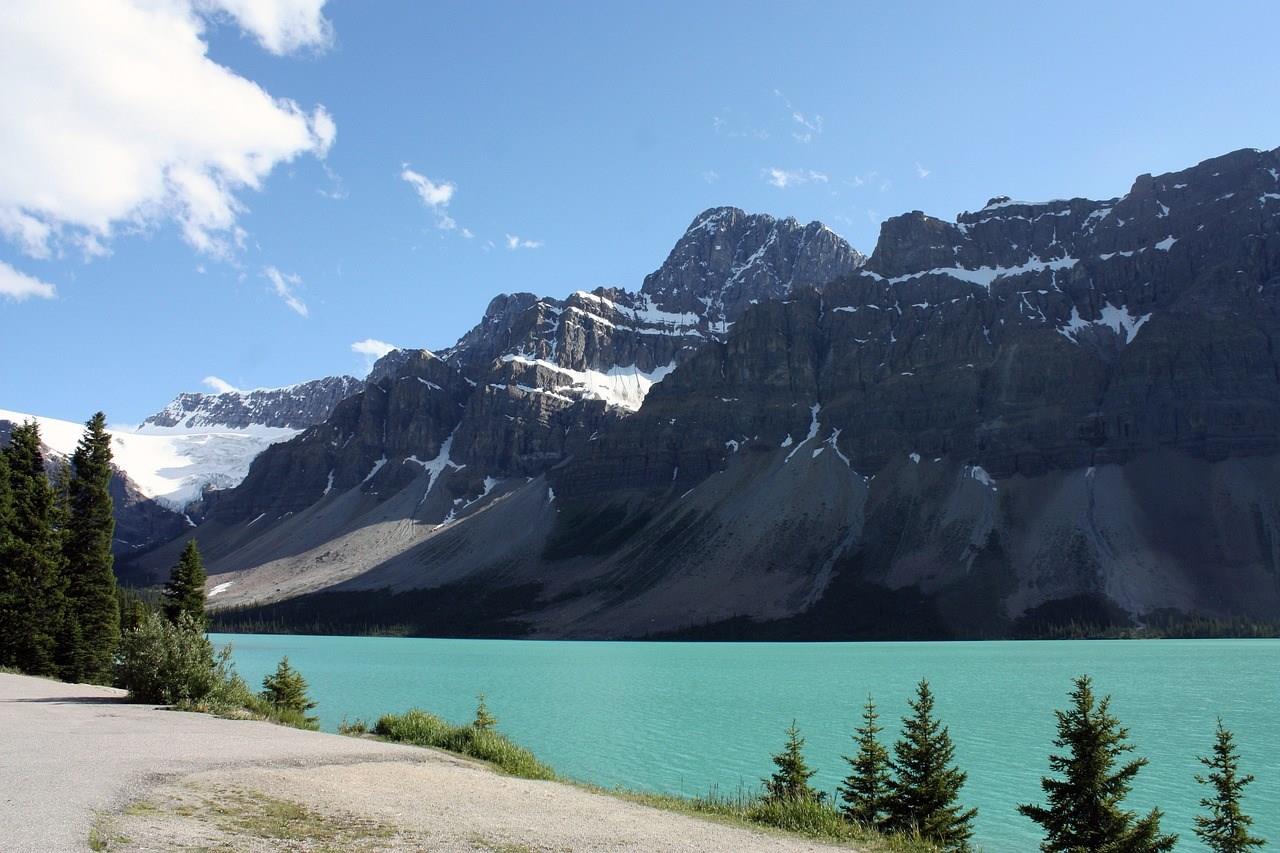
Jasper National Park
Jasper National Park, located in the heart of the Canadian Rockies in Alberta, is a breathtaking destination known for its stunning natural beauty and diverse wildlife. Spanning over 11,000 square kilometers, it is the largest national park in the Canadian Rockies and offers a wide range of outdoor activities such as hiking, camping, and wildlife viewing.
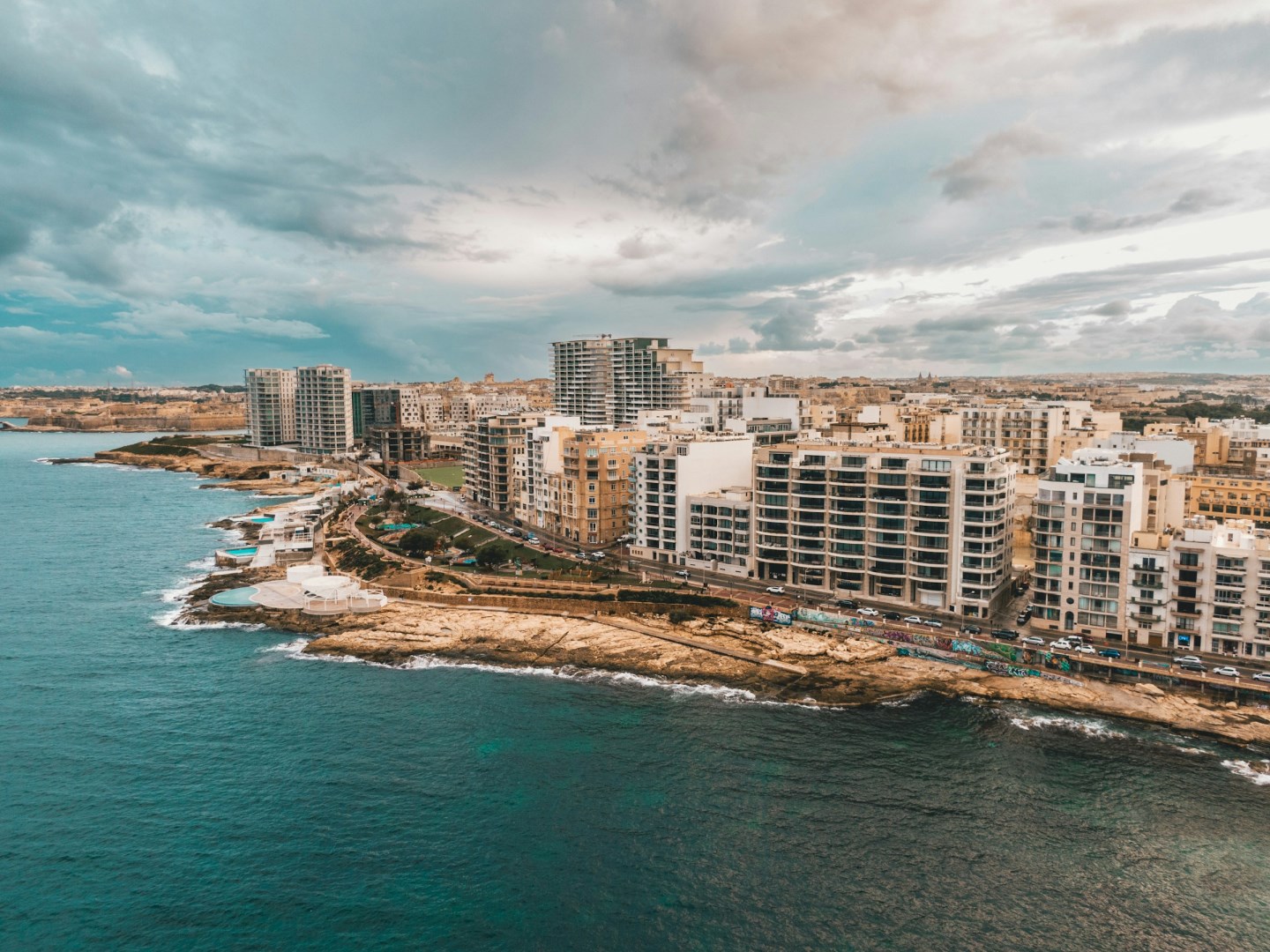
Sliema
Sliema is a coastal town on Malta’s northeastern shore, facing Valletta across Marsamxett Harbour. Once a small fishing community, it has developed into one of Malta’s main residential, commercial, and waterfront areas. The coastline is lined with apartment buildings, hotels, cafés, shops, and a long promenade that follows the rocky shore toward neighboring St Julian’s. Views across the water include Valletta’s fortified skyline, the domes and bastions of the historic capital, and the entrances
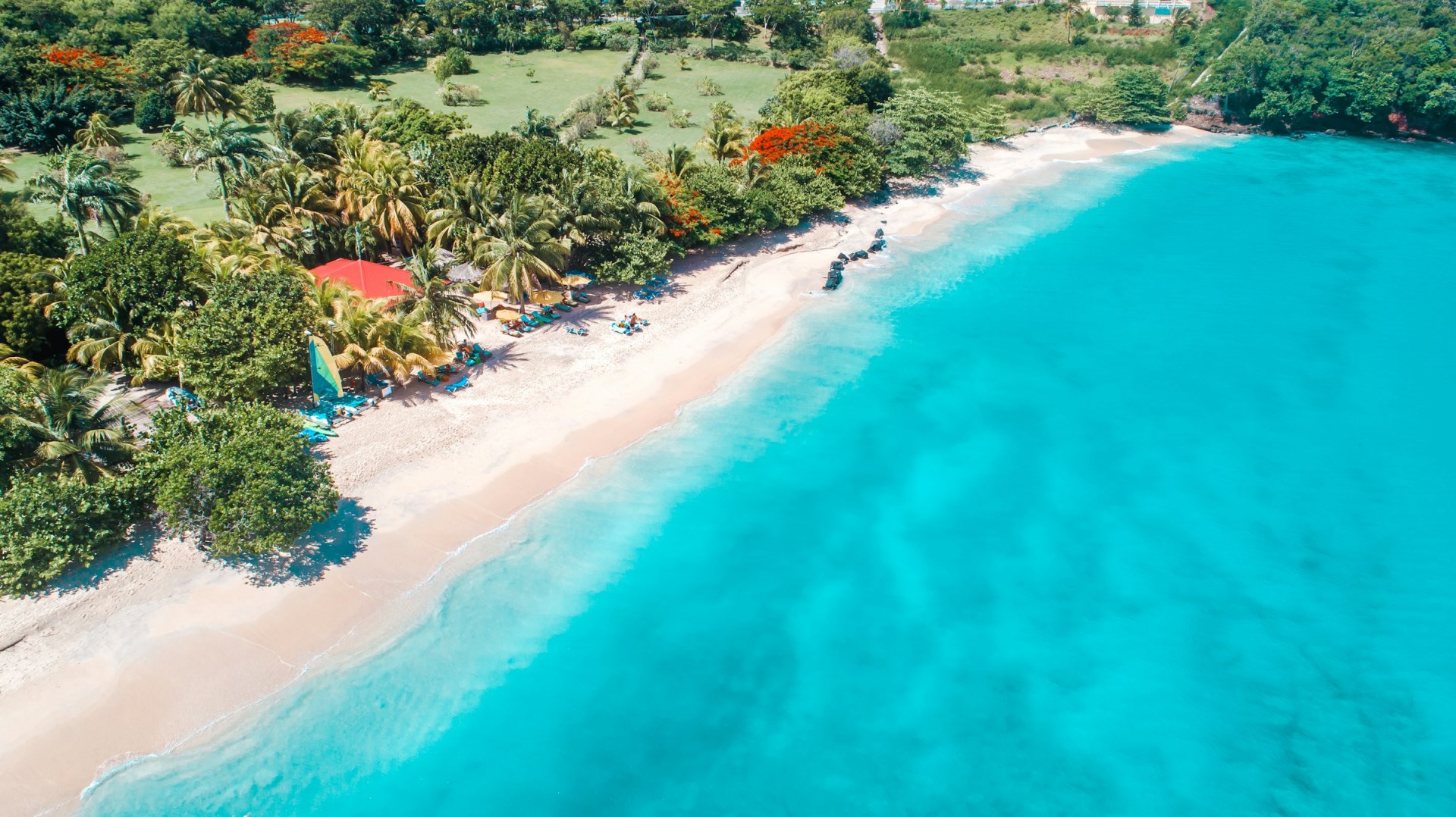
Morne Rouge Bay
Morne Rouge Bay is a sheltered beach on Grenada’s southwestern coast, just south of Grand Anse and near the community of Morne Rouge. The bay curves around a small, protected stretch of pale sand, with calm Caribbean water and green hills surrounding the shoreline. Its sheltered position generally produces gentler conditions than Grenada’s more exposed Atlantic coast, making the bay suitable for swimming and paddling.
