
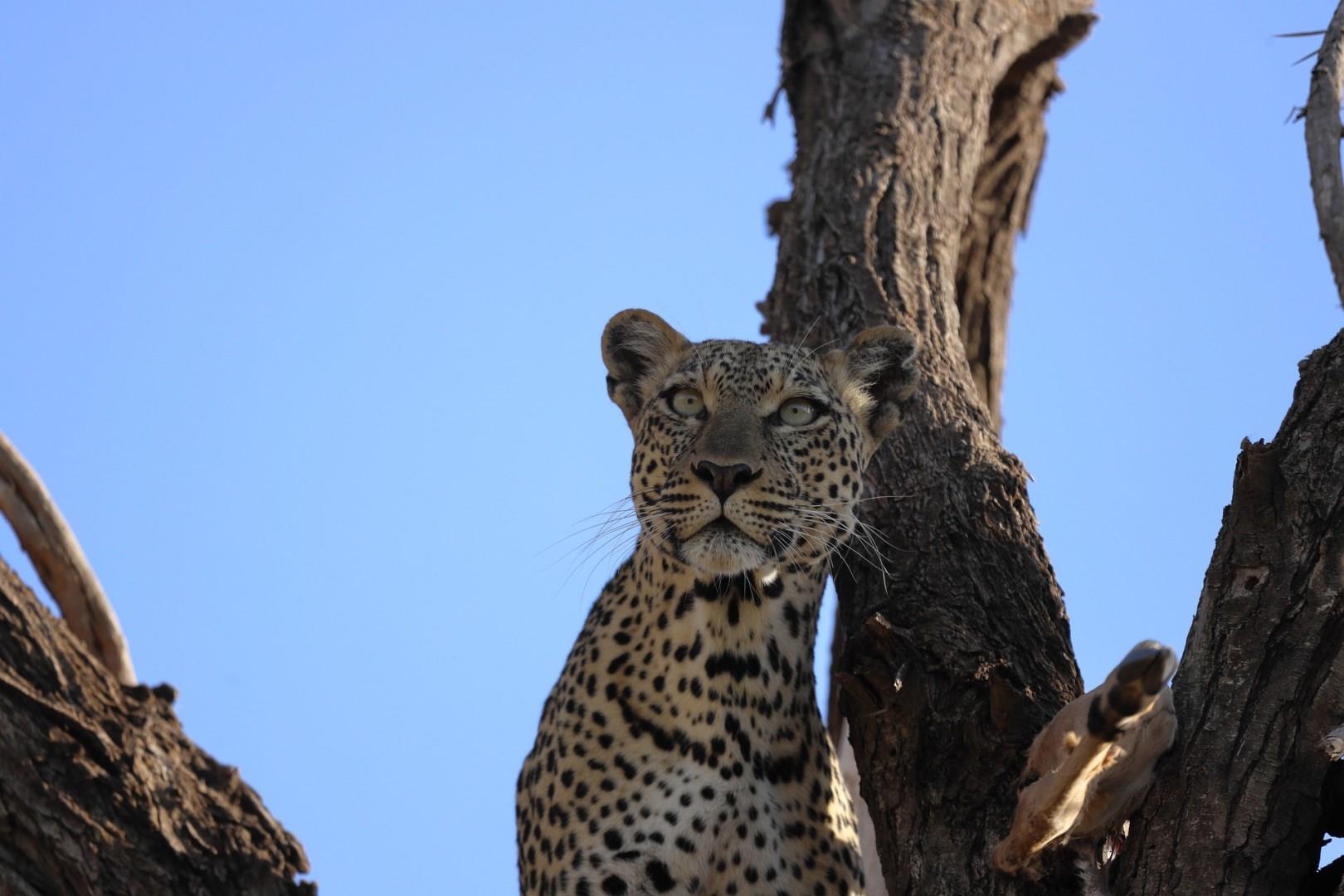
Samburu and Shaba Reserves
Samburu and Shaba Reserves are some of the most pristine reserves in Kenya, and protect a habitat surprisingly rich in wildlife. The Reserves provide the chance to see many species not found elsewhere in Kenya, such as Grey's zebra, the rare beisa oryx and the Somali ostrich.
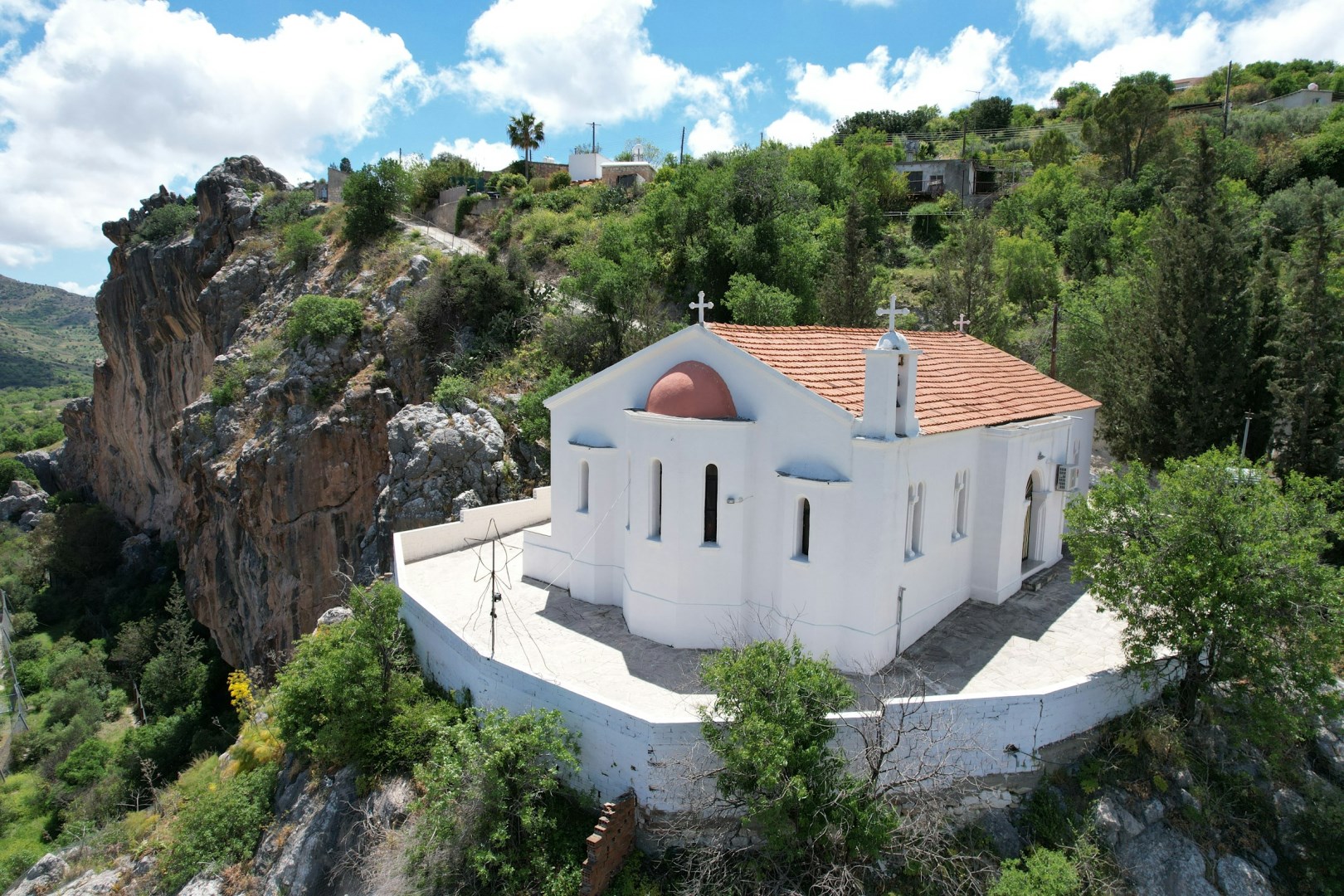
Episkopi
In southern Cyprus, this ancient area includes the Kolossi Castle, Kourion Basilica and Museum, and many other historical sites.
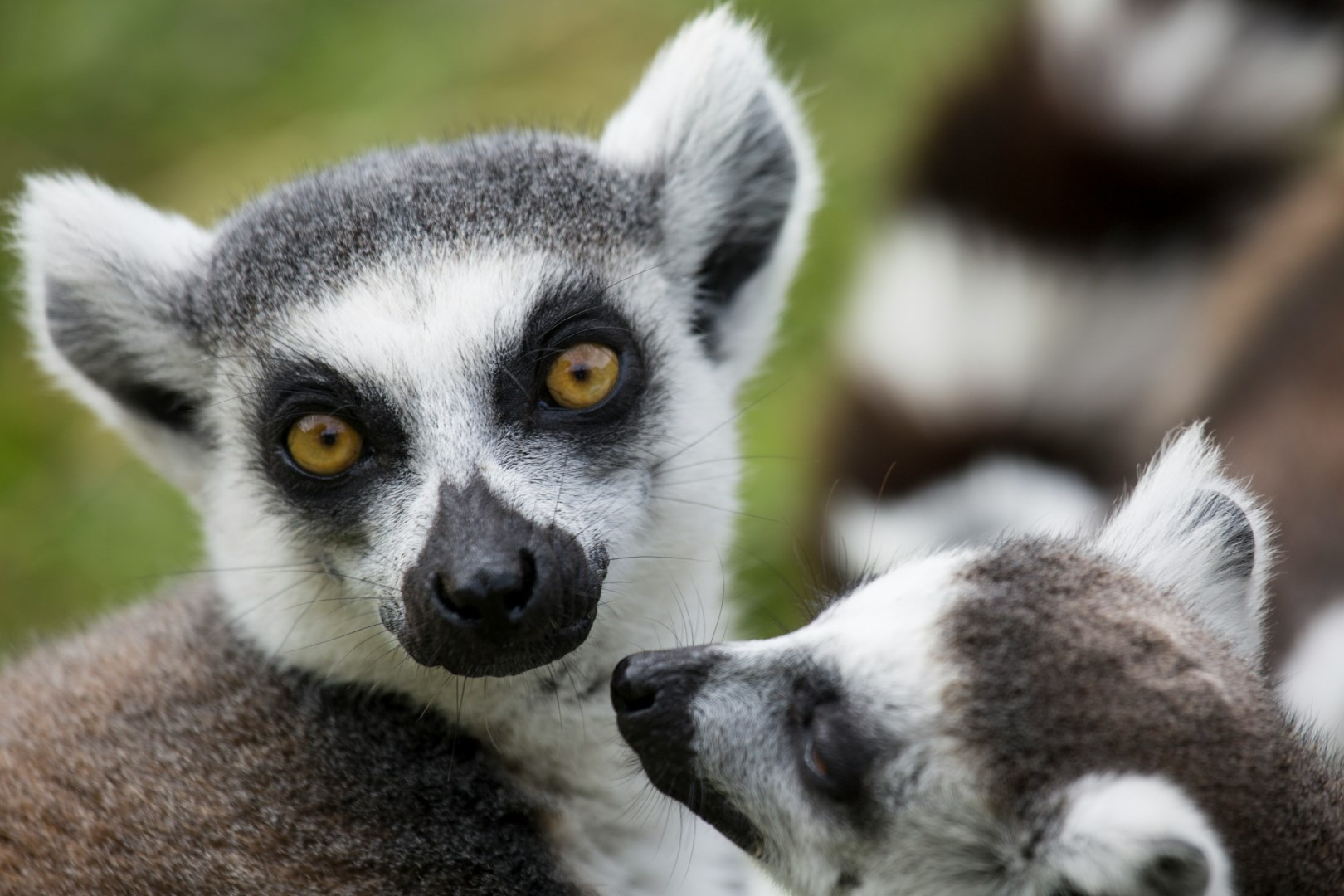
Masoala National Park
Immerse yourself in adventure in the untouched wilderness of Masoala National Park, Madagascar, where pristine rainforests, secluded beaches, and diverse wildlife converge. Varied animal sightings await, from whale watching to lemur spotting; it's like nowhere else on this planet!

Lyon
The metropolitan center of southeastern France, vibrant Lyon abounds with stunning architectural masterpieces, gastronomic delights, and immersive museums. This spectacular city, founded by the Romans centuries ago, rivals Paris as a cultural and social hub for exploring the best that France has to offer.
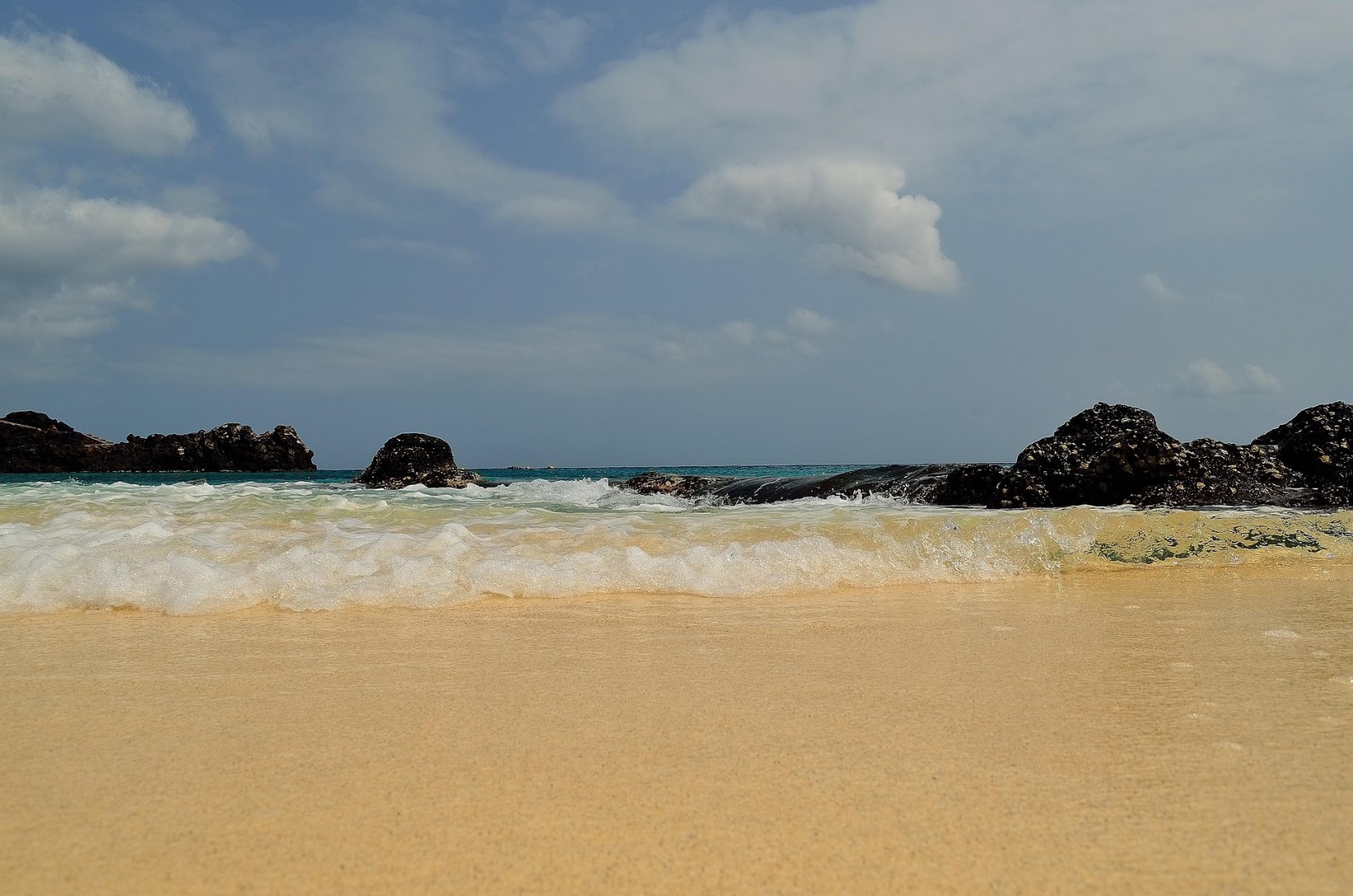
Ascension
Ascension island, British dependency of St. Helena, in the South Atlantic Ocean, about midway between Africa and South America and 700 miles northwest of St. Helena. The small, volcanic island was sighted by the Portuguese in 1501, but it was uninhabited until the exile of Napoleon to St. Helena in 1815.
