

Savona
There's more than meets the eye in Savona, a Northwest Italy port city many cruise ship passengers are lucky enough to find themselves in. The giant Fortezza del Priamàr looms over the water, providing a unique welcome. Be sure to stroll through the city's genteel, impressive medieval center, visit the beautiful Savona Cathedral and see marvelous artistic works from centuries past at the Ceramics Museum.
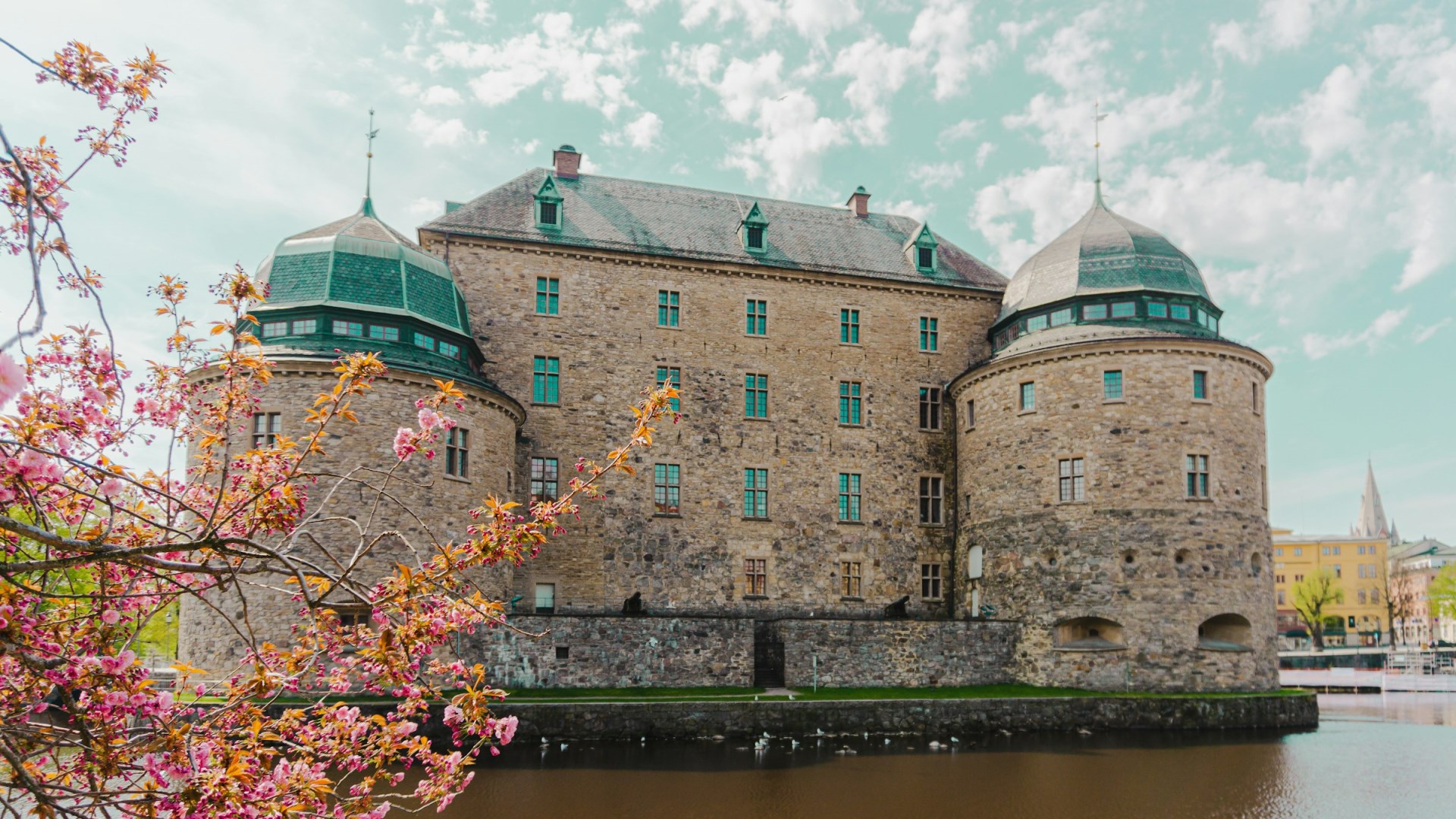
Örebro
Örebro today is the eighth largest city in Sweden, with about 119,000 inhabitants. The city is no longer dominated by any particular industry or trade, and now has a many-facetted economy. Industry is directed towards metal goods, machines, foods and graphic products. The former shoe town has become a prominent center for education.
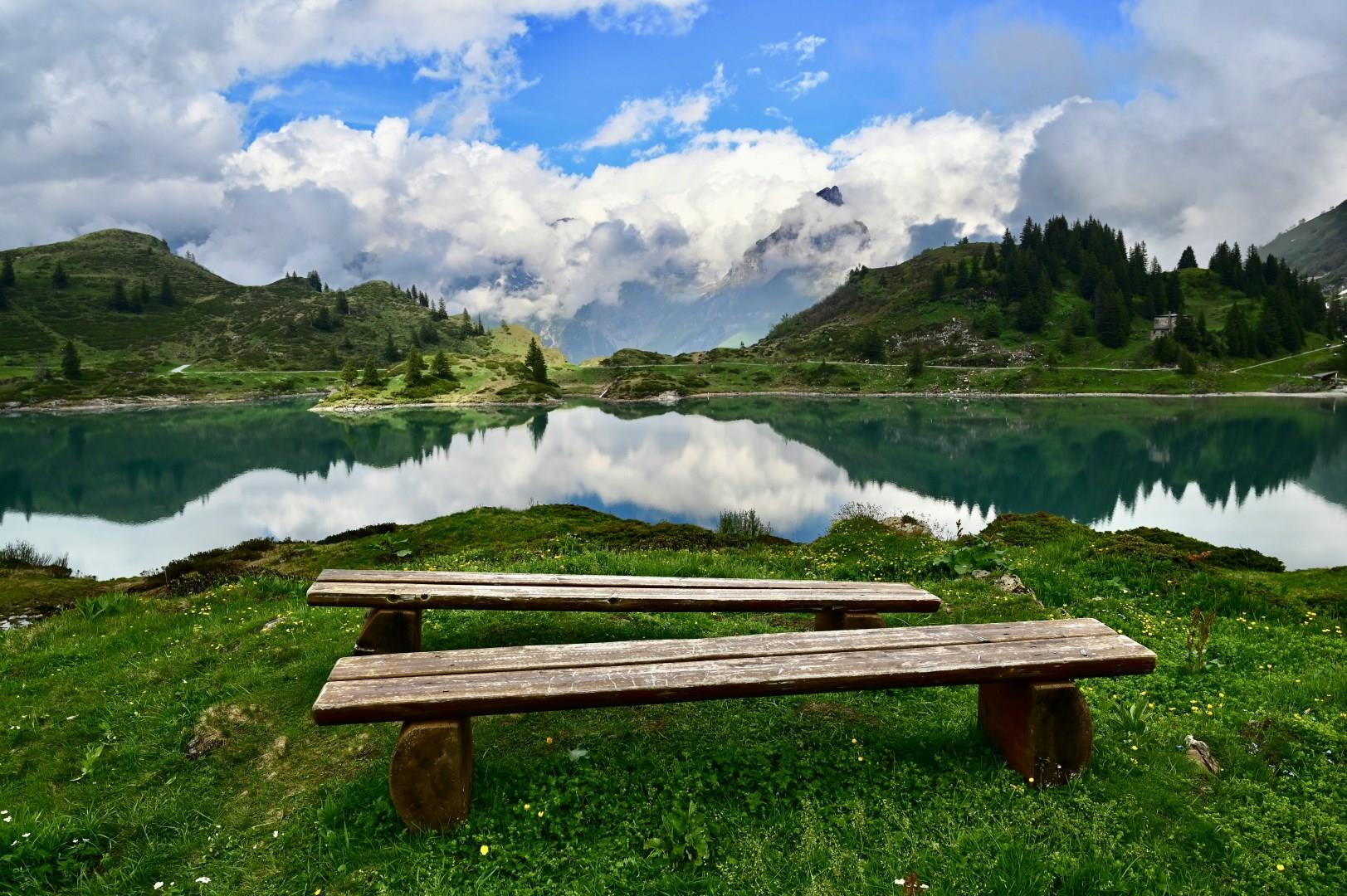
Engelberg
In Engelberg visitors can enjoy activities in all seasons. In winter, snow covers long ski runs, and slopes of all levels stretch down towards the valley. In warmer months, the same lifts take hikers to high meadows where paths lead past lakes and ridges with spectacular views. Down in the valley, the Brunni area has gentle slopes, a summer toboggan run, and even barefoot trails around quiet ponds, offering a different side of the Alps.
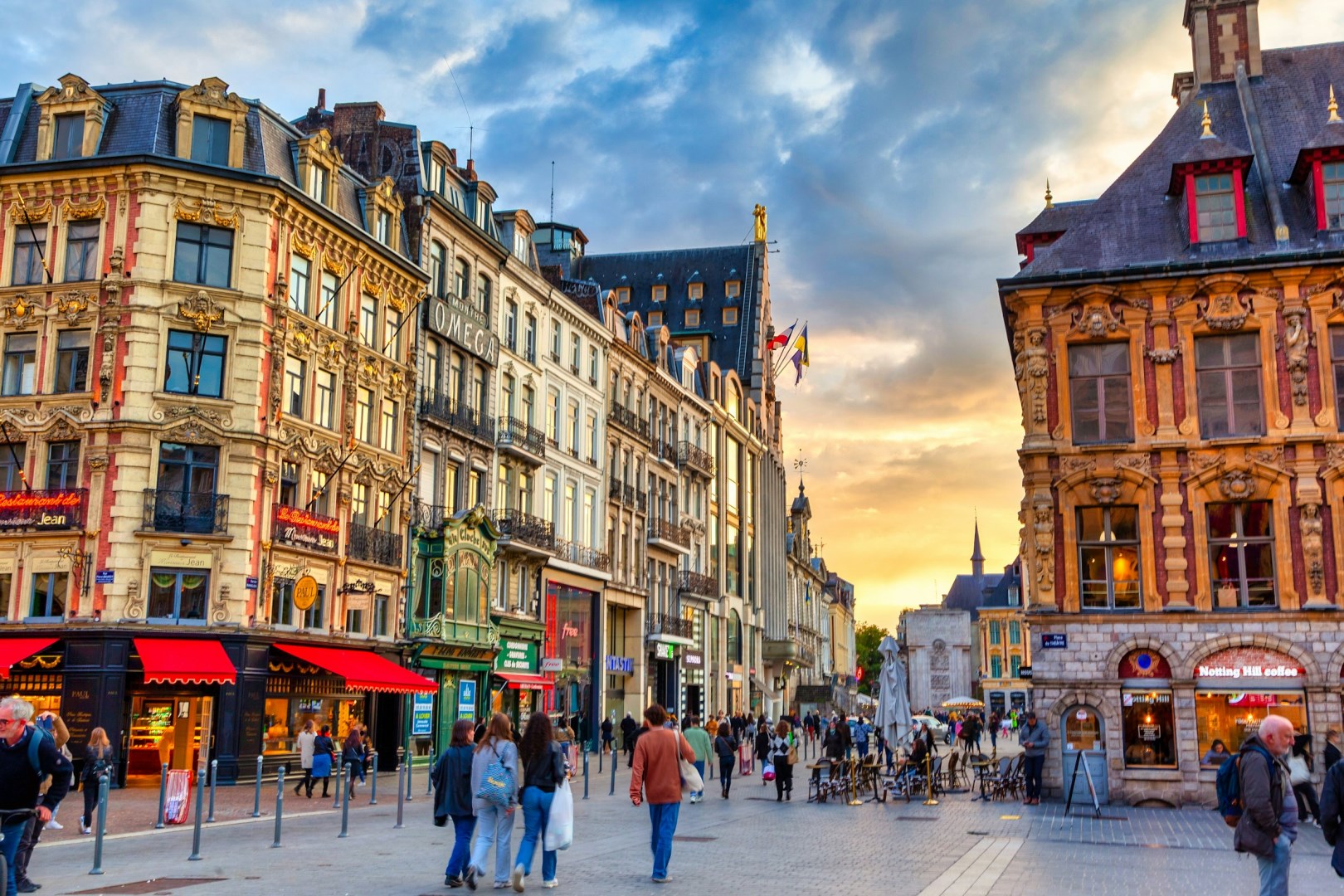
Lille
Lille, the lively capital of France’s Hauts-de-France region, is a city where Flemish charm meets French sophistication. Once an important industrial hub, Lille has reinvented itself as a cultural and artistic center without losing its historic character.
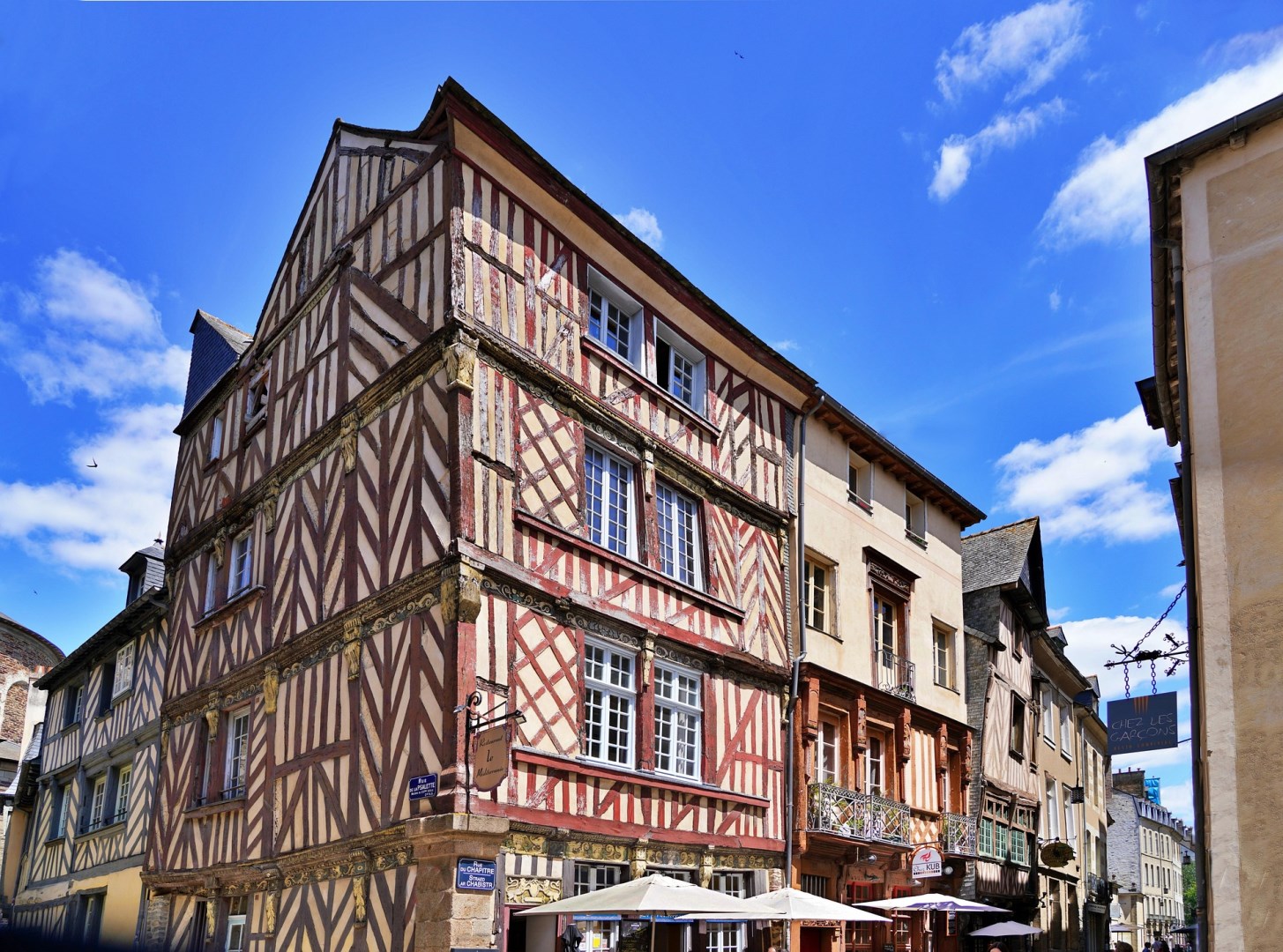
Rennes
Ancient capital of Brittany, it was nearly destroyed by fire in 1720. Today it is known as an intellectural center with its famous Rennes University.
