
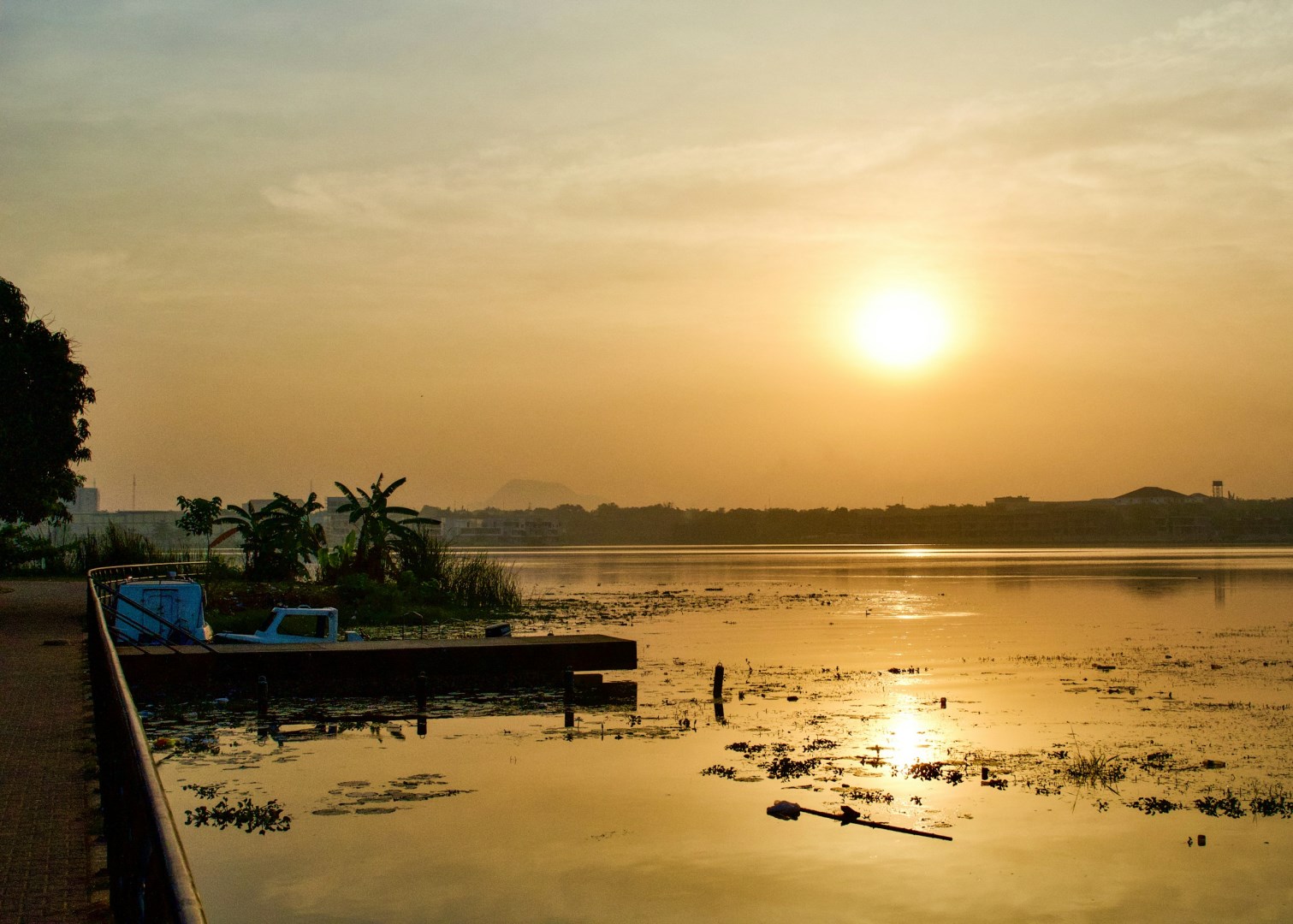
Abuja
Abuja is a planned, modern city and the proposed new federal capital of Nigeria. The site was chosen to replace the capital Lagos because of the central location, easy accessibility, good climate and land for further expansion.

Pompeii
Pompeii, Italy, is a mesmerizing time capsule that invites travelers to step back into the world of ancient Rome. Once a thriving city, Pompeii was abruptly buried under volcanic ash and pumice following the catastrophic eruption of Mount Vesuvius in 79 AD. This tragic event preserved the city in remarkable detail, allowing visitors today to walk the cobbled streets and witness a snapshot of Roman life, from grand villas and bathhouses to bakeries and amphitheaters.
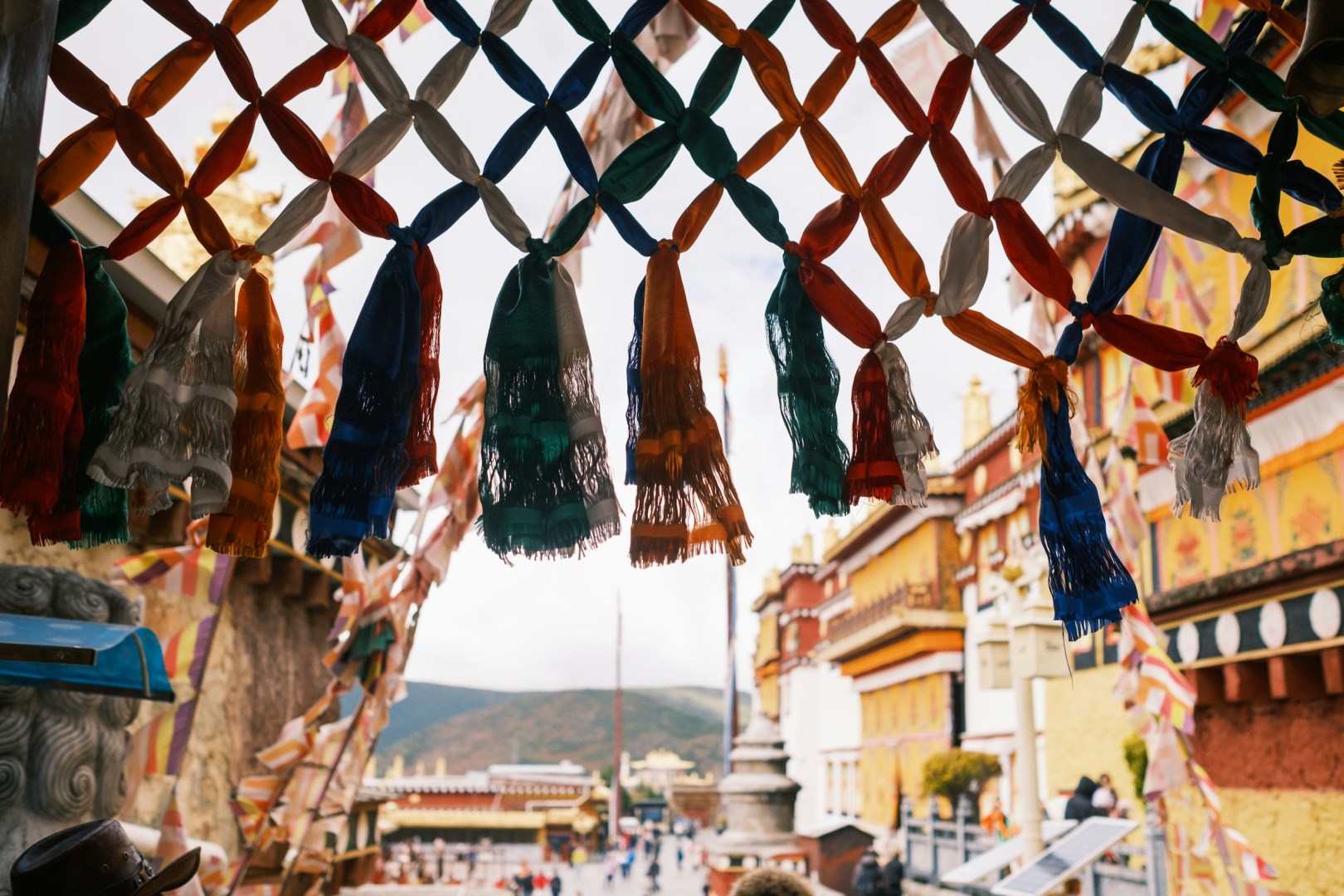
Shangri-La City
Shangri-La City, formerly known as Zhongdian, was renamed after the fictional paradise of James Hilton's "Lost Horizon" in an effort to promote tourism in 2001. Located in northwestern Yunnan province, Shangri-La is commonly used as a gateway into Tibet.
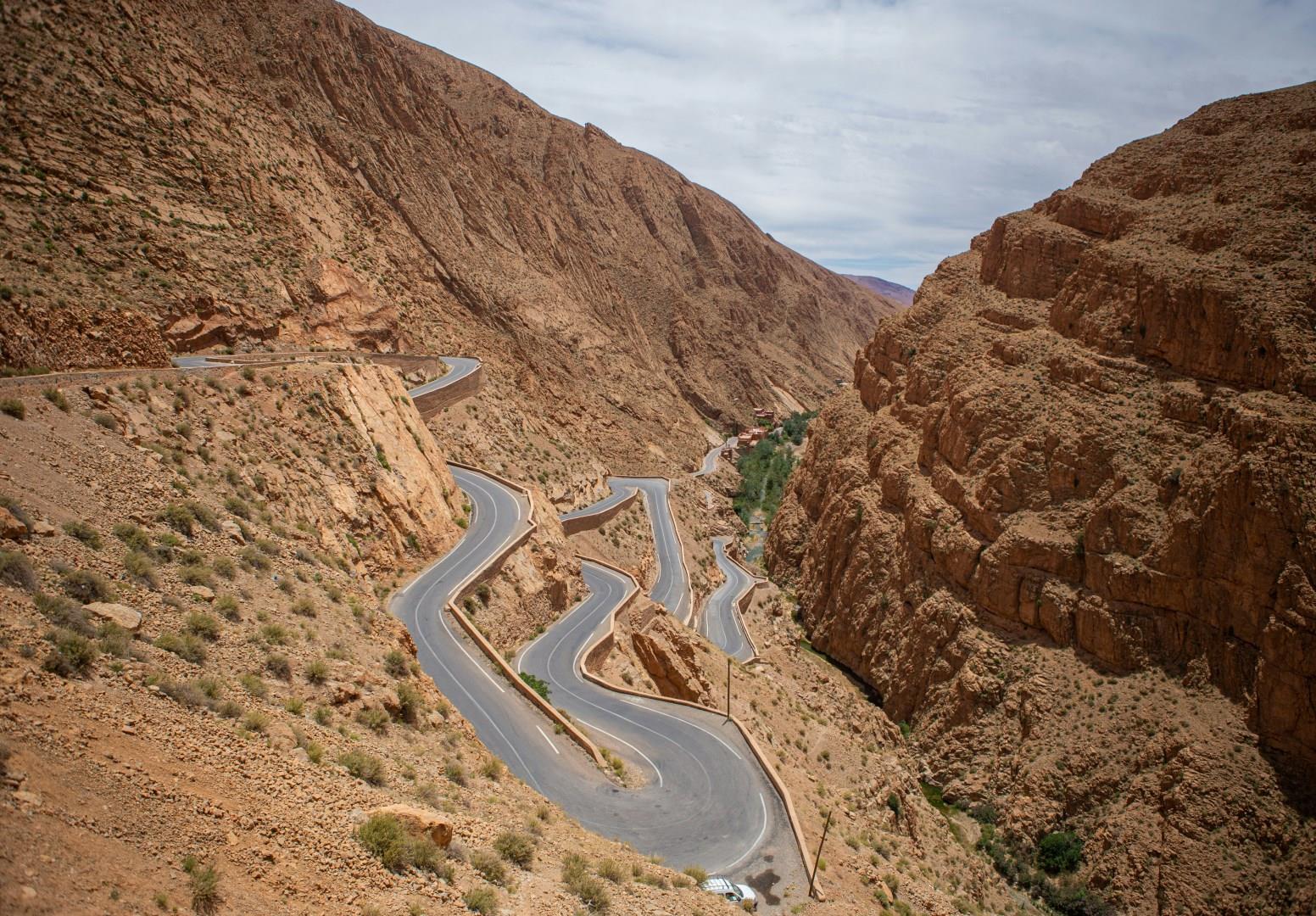
Dades Gorges
The Dades Gorges, carved by the Dades River in Morocco’s High Atlas Mountains, offer a winding stretch of road, towering rock walls, and centuries-old kasbahs perched on the cliffs. Located between the towns of Boumalne Dades and M’semrir, the gorge is especially known for its switchback road, often nicknamed “the snaking road of Tissadrine.” It’s a favorite among photographers and motorcyclists, with hairpin curves that reveal a new layer of landscape with every turn.

Huaraz
Huaraz is an Andean city in Peru’s Áncash Region, situated in the Callejón de Huaylas between the Cordillera Blanca and Cordillera Negra. At more than 3,000 meters above sea level, it is an important regional center and a principal base for exploring the mountains, lakes, and valleys of the surrounding highlands. The city combines a busy central area with traditional neighborhoods, markets, restaurants, and views toward the snow-covered peaks of the Cordillera Blanca.
