
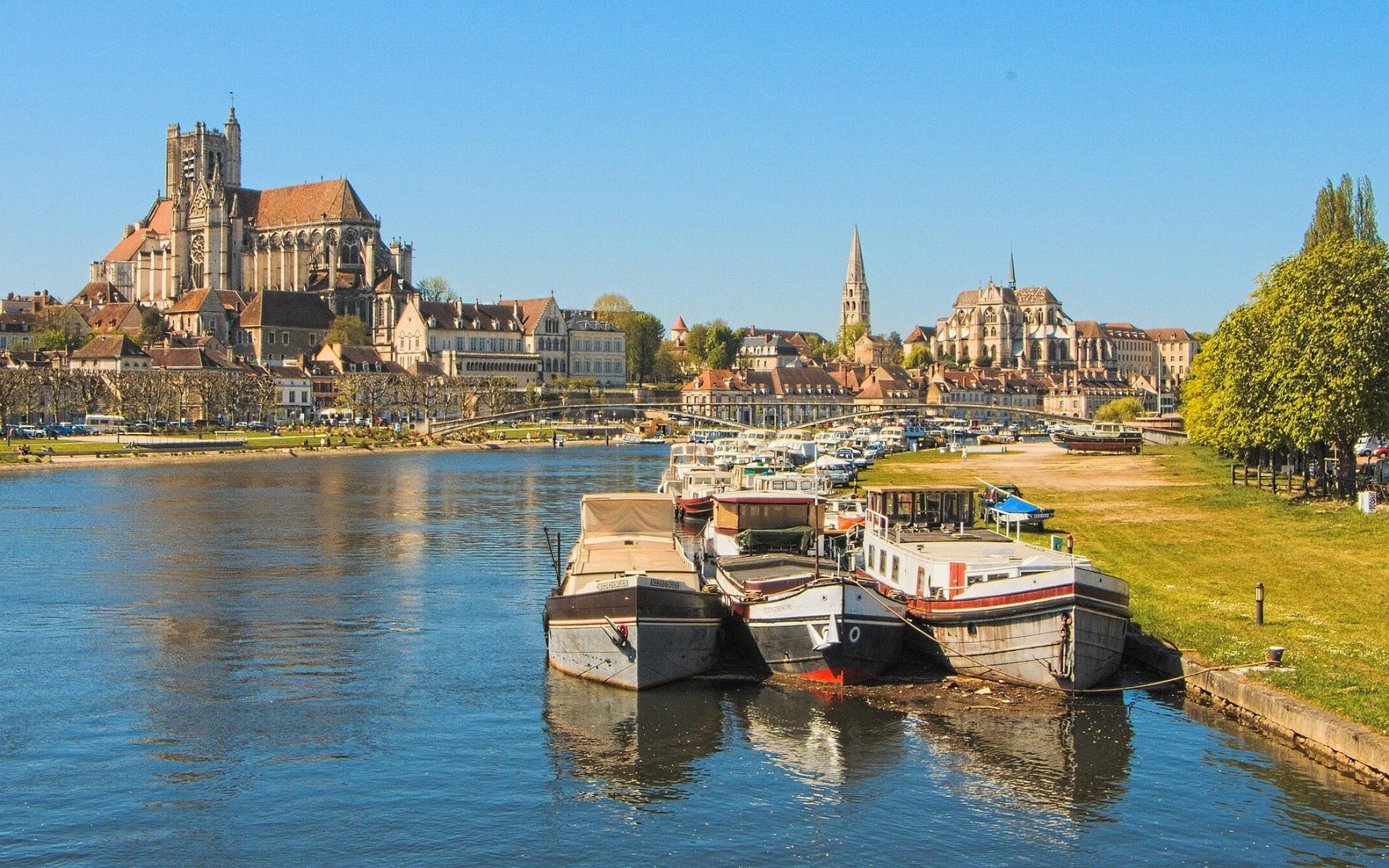
Auxerre
Auxerre is a picturesque city located southeast of Paris and is the capital of the Yonne department.

Okavango Delta
The Okavango Delta, located in Botswana, is one of Africa’s most extraordinary natural wonders. This vast inland delta, renowned for its rich biodiversity and stunning landscapes, offers a unique opportunity to experience a pristine wilderness. As the Okavango River meanders into the Kalahari Desert, it creates a sprawling floodplain that transforms into a lush oasis during the annual flood.
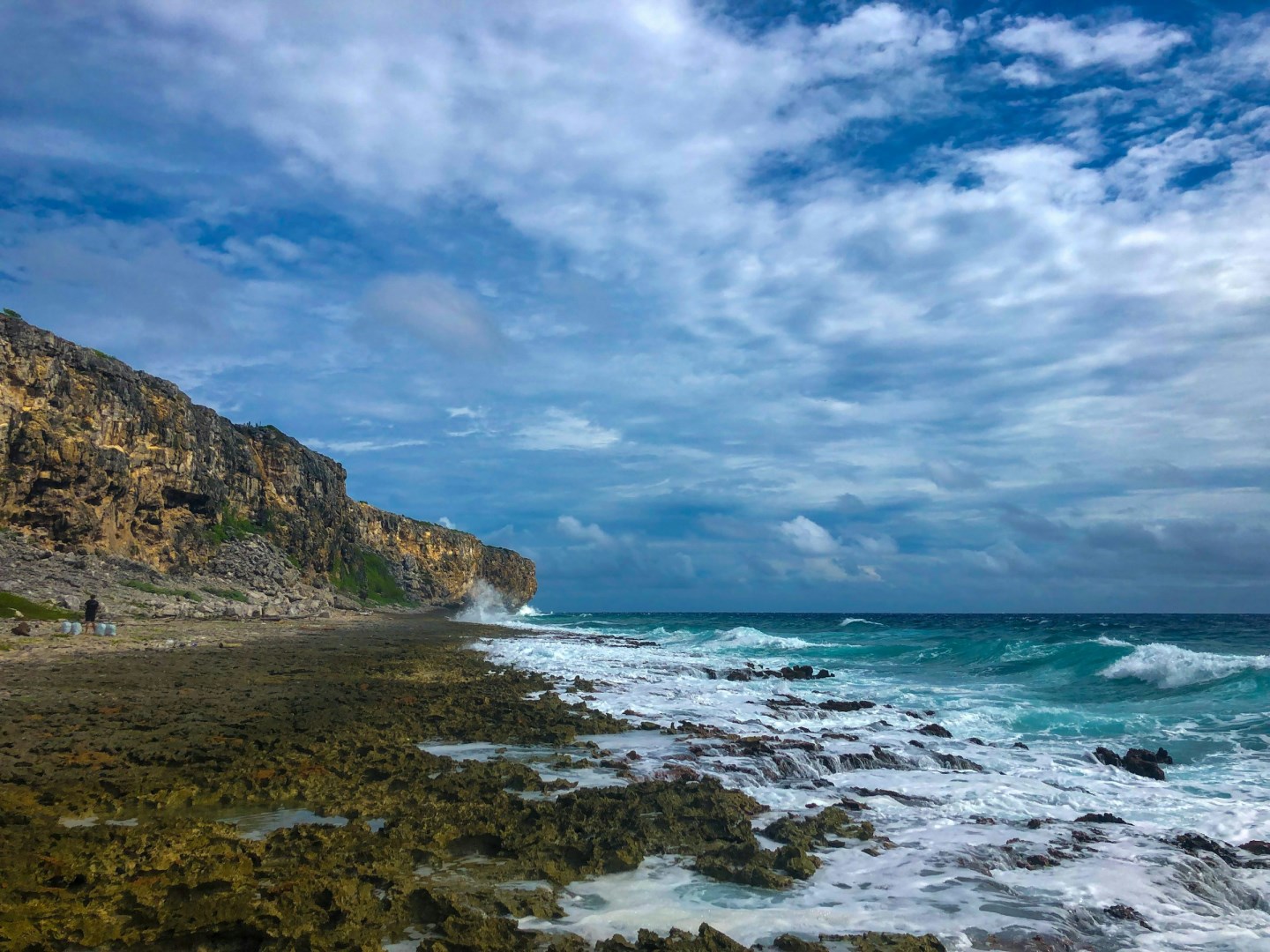
Cayman Brac
One of the Cayman Islands northwest of Jamaica. It is under British rule and is famous for its clear waters and excellent scuba diving.
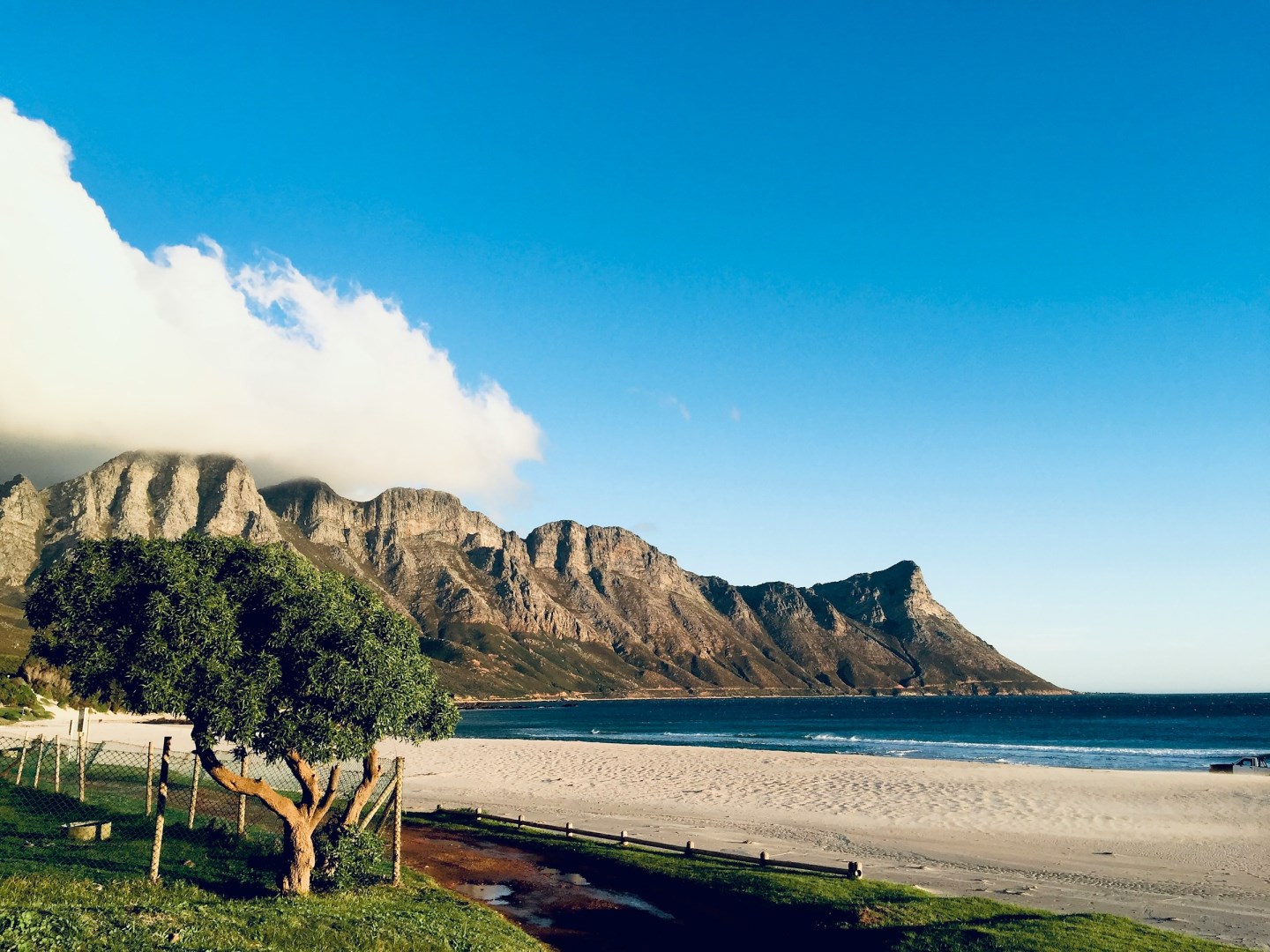
Western Cape
Western Cape is a province in southwestern South Africa, extending from the Atlantic coast across the Cape Fold Mountains, inland valleys, and dry Karoo landscapes. Cape Town is its provincial capital and largest city, while towns such as Stellenbosch, George, Hermanus, and Oudtshoorn represent different parts of the region.
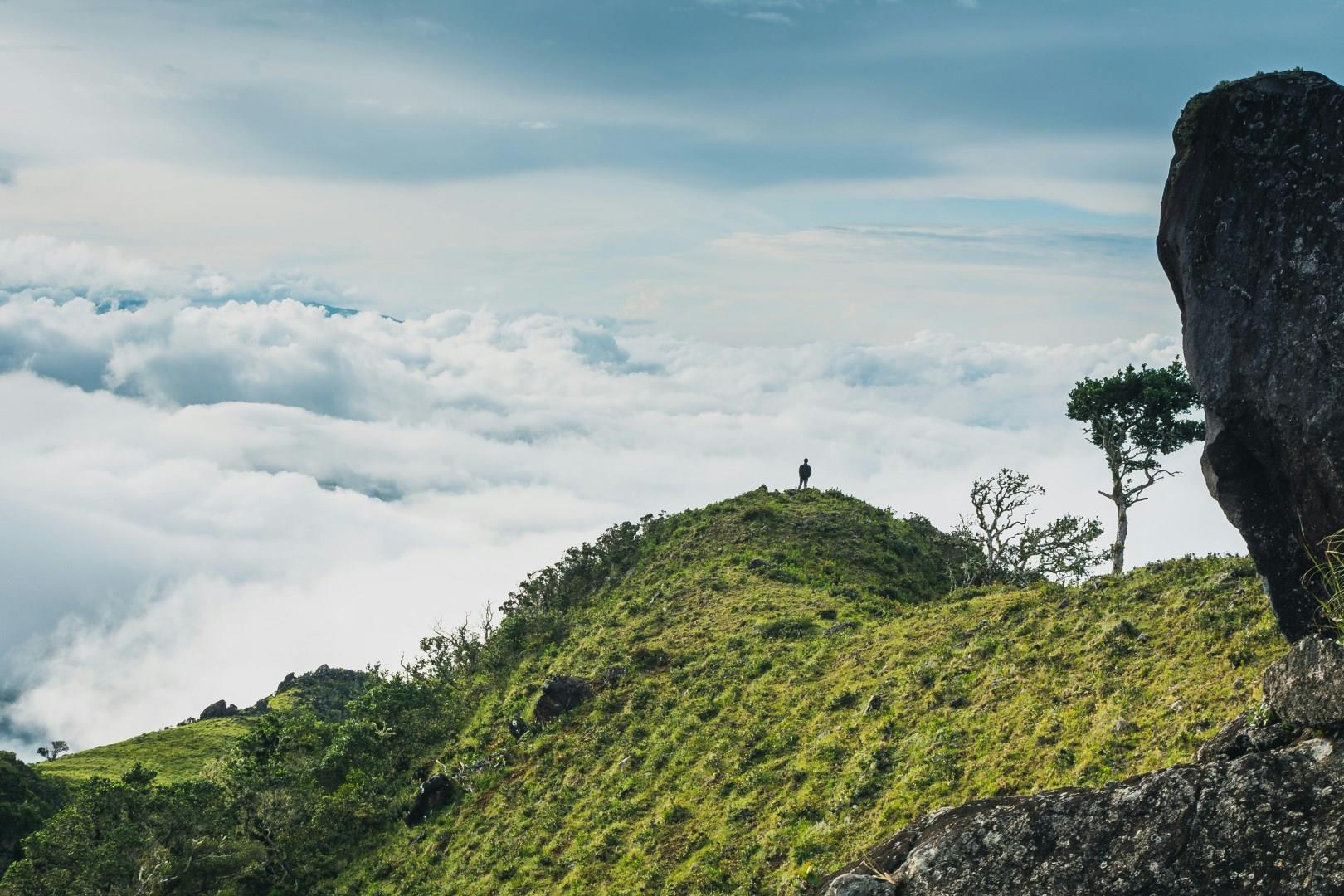
Boquete Valley
Boquete Valley, nestled in the highlands of Panama near the Baru Volcano, is a lush retreat known for its cool climate, verdant hills, and coffee plantations.
