
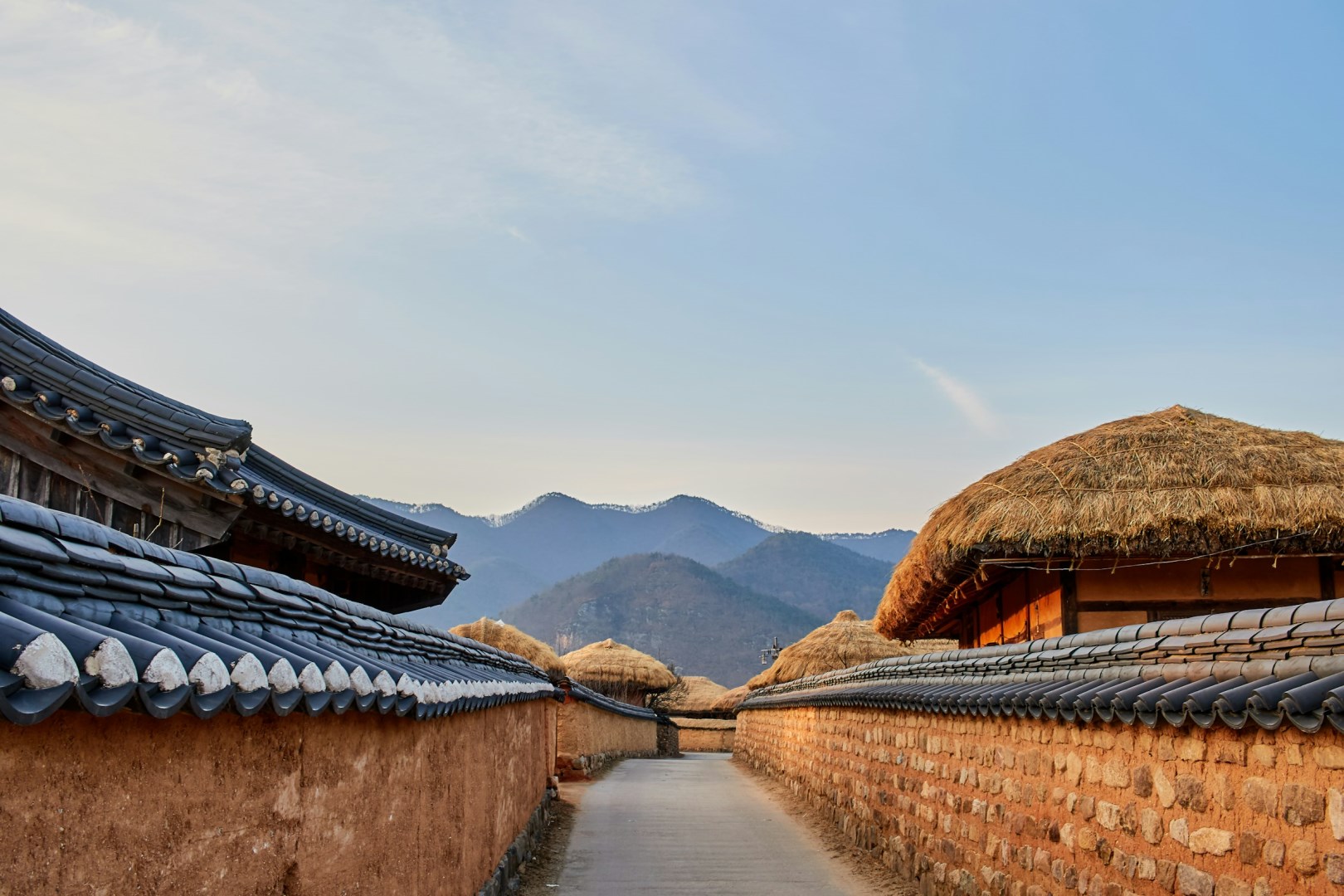
Andong-si
Andong-si is a city in North Gyeongsang Province known for its preserved traditions, Confucian heritage, and historic villages. The Nakdong River passes through the city, while surrounding hills and wooded areas shape its landscape. Andong is closely associated with Hahoe Folk Village, traditional mask dance, and Korean scholarly culture.

Tarragona
The Port of Tarragona is located in one of the most active economic areas of the Spanish Mediterranean, where the main petrochemical complex of the Spanish State is located.

Dakar
Dakar, the lively capital of Senegal, stands at the edge of the Atlantic Ocean on the Cape Verde Peninsula. As the westernmost city on the African mainland, it has long been a crossroads of cultures, trade, and ideas.
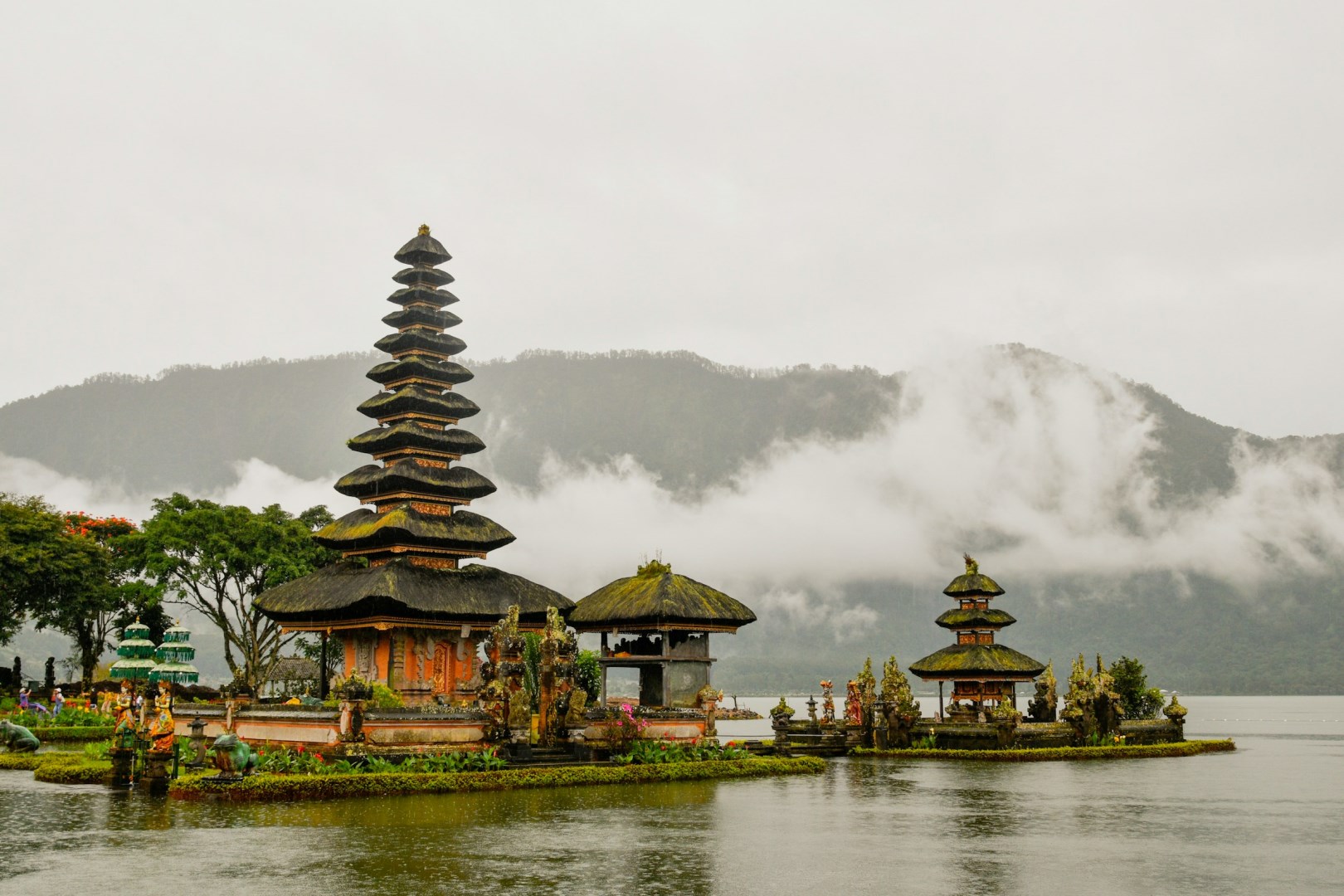
Indonesia
Indonesia, the world’s largest archipelago, stretches across more than 17,000 islands, each offering its own cultural traditions, landscapes, and experiences. From volcanic peaks to tropical beaches and ancient temples, the country is as diverse as it is expansive.
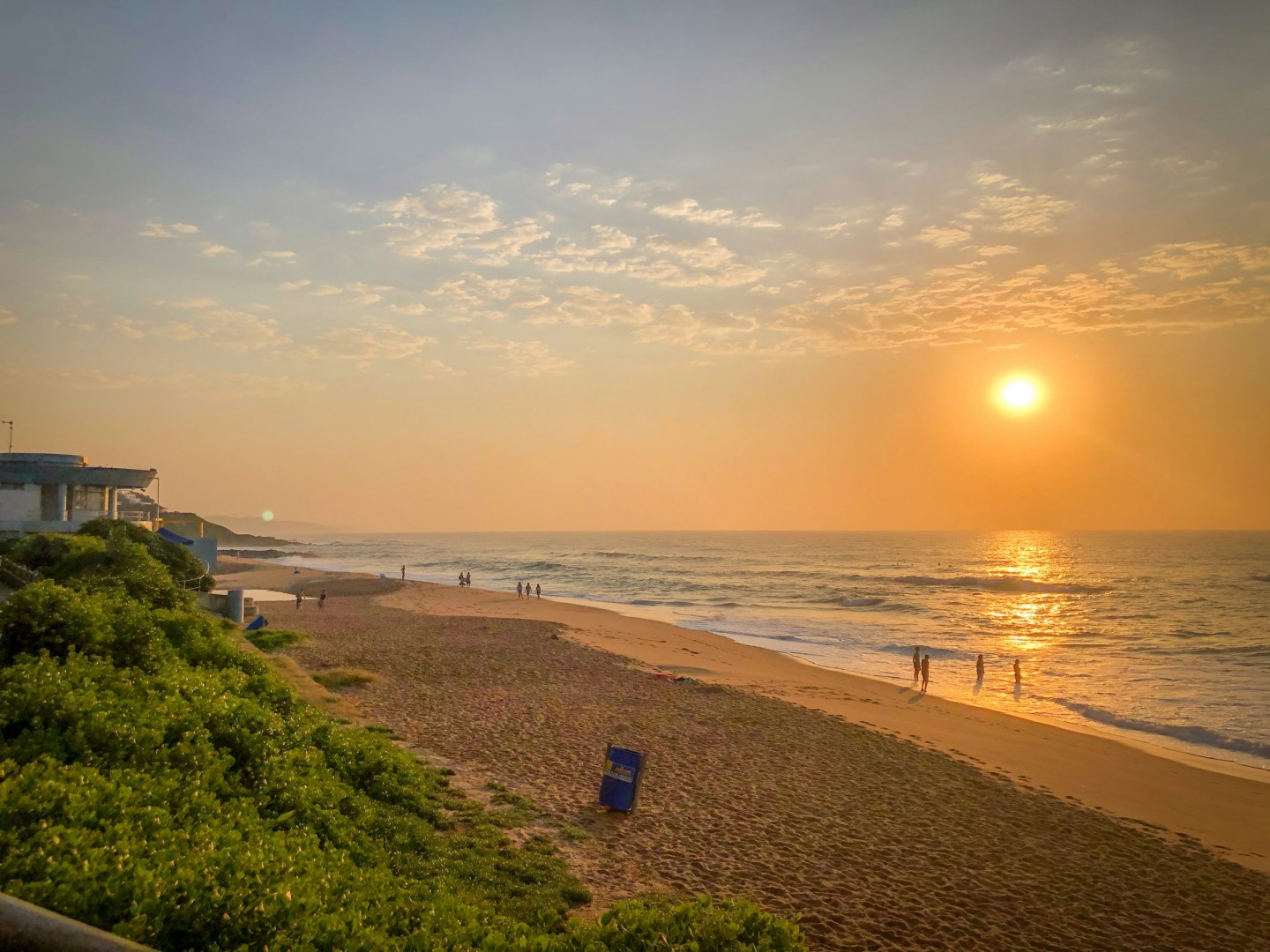
Ballito
Ballito is a coastal town on South Africa’s KwaZulu-Natal North Coast, forming part of the area commonly known as the Dolphin Coast. It lies north of Durban along a subtropical stretch of the Indian Ocean, with sandy beaches, rocky coves, and warm coastal waters defining much of its setting. The town has grown from a small holiday and farming community into a busy residential and visitor centre, with restaurants, cafés, shopping areas, and accommodation. Its position also makes it a useful base
