
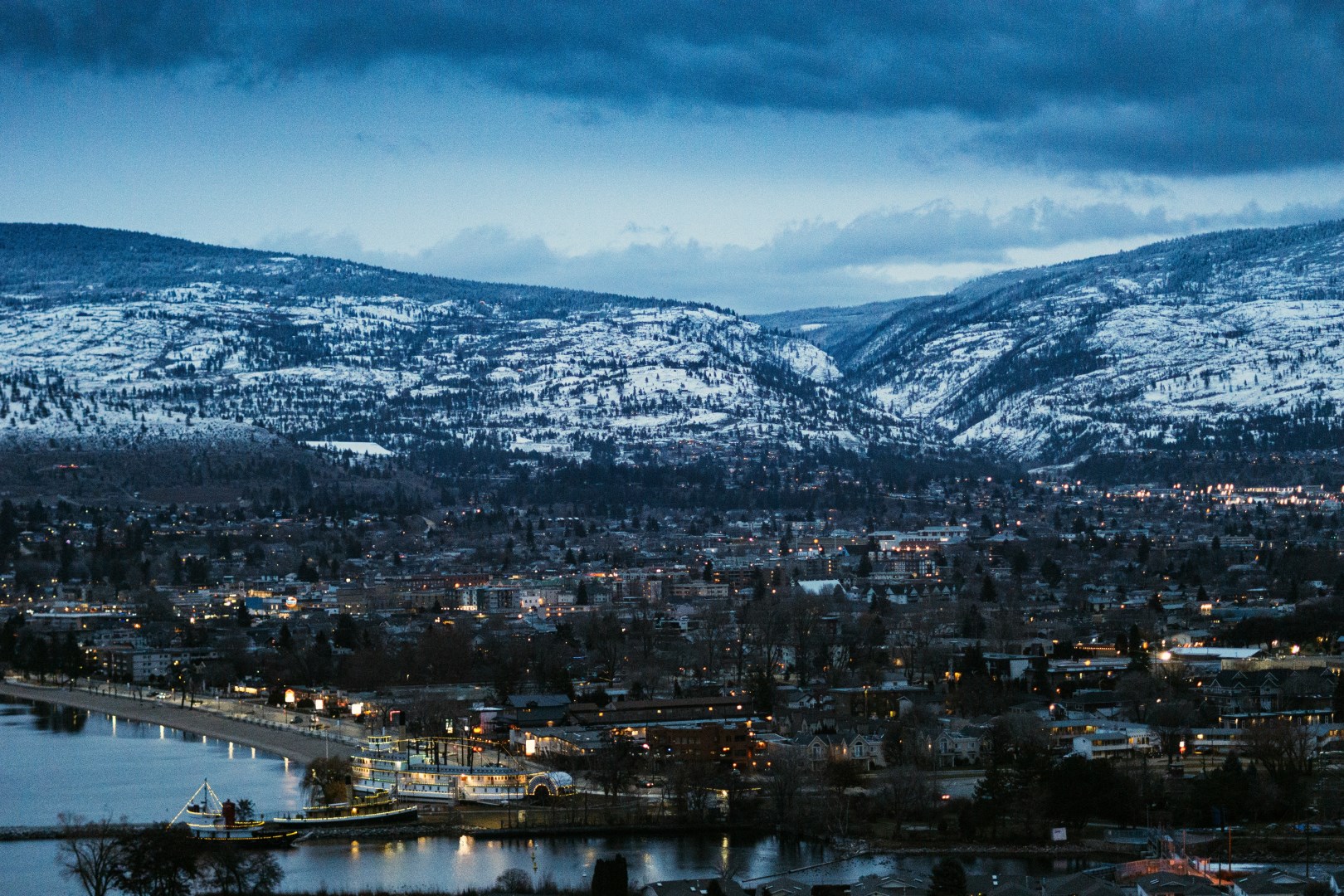
Penticton
Penticton is a city in British Columbia’s Okanagan Valley, located between Okanagan Lake and Skaha Lake. The city is known for its warm summers, long lakefronts, and strong connection to wine production and outdoor recreation.
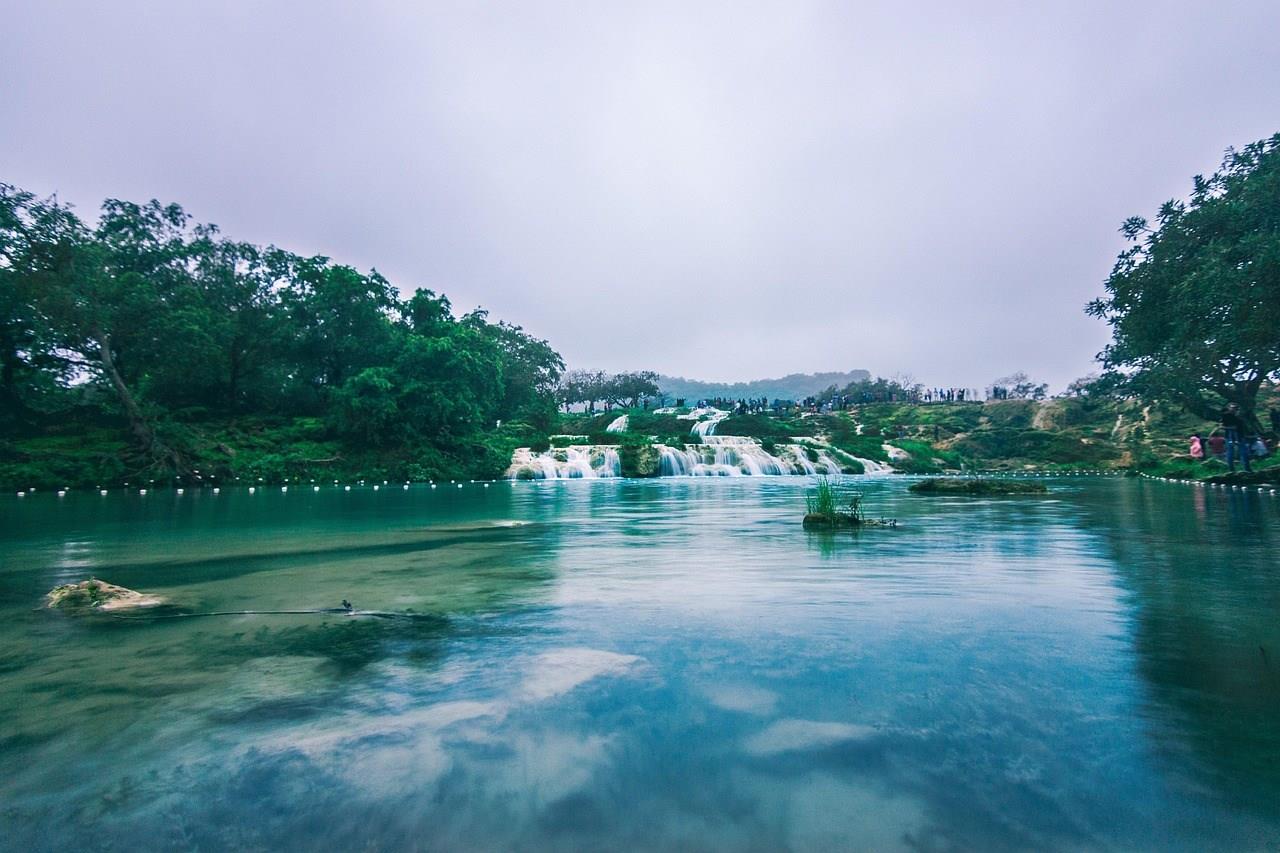
Salalah
Salalah stands out with its rare blend of desert and tropical appeal. Unlike much of the Arabian Peninsula, this coastal city is transformed by the seasonal Khareef (monsoon), turning the landscape lush and green between June and September.
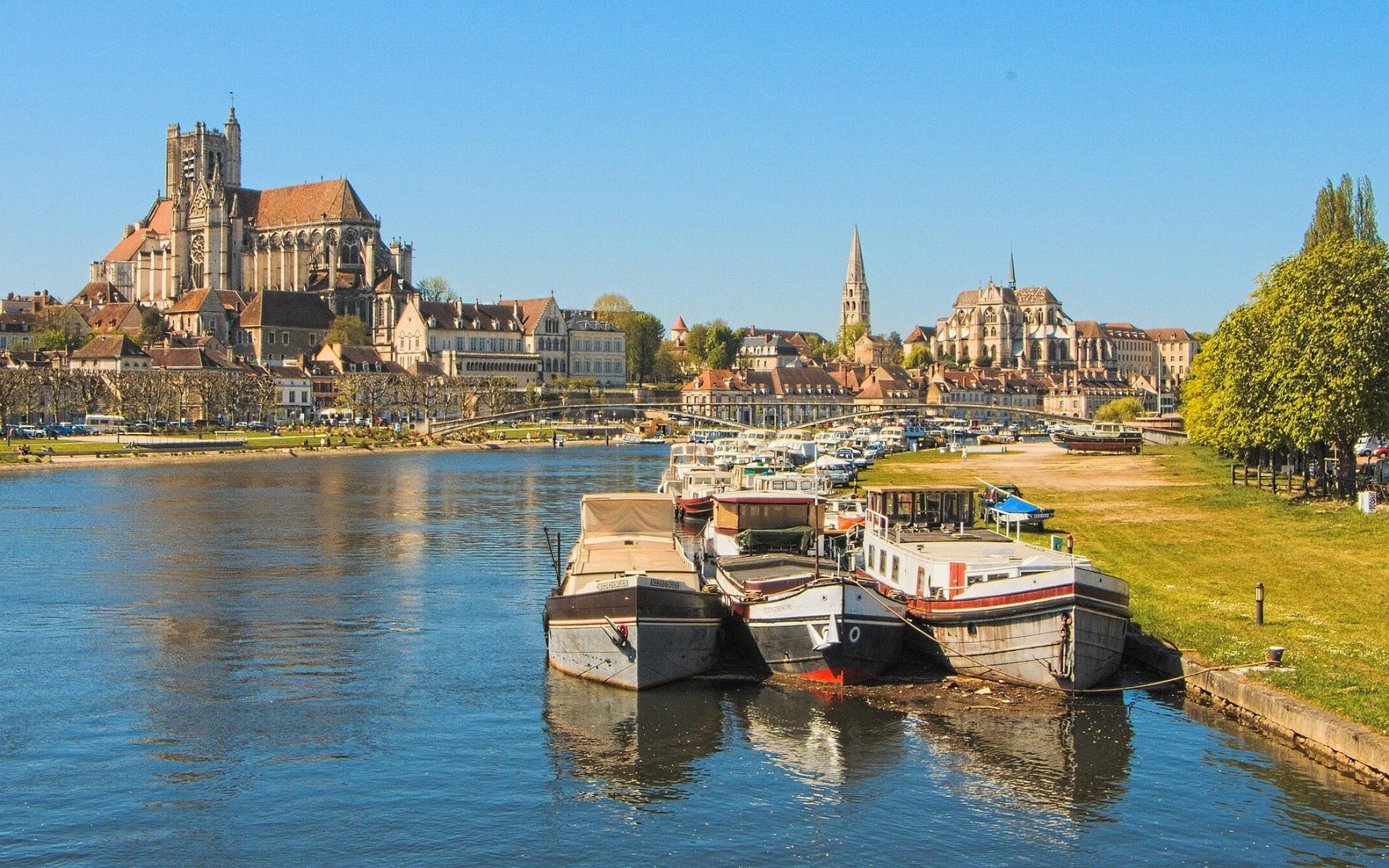
Auxerre
Auxerre is a picturesque city located southeast of Paris and is the capital of the Yonne department.

Bosnia & Herzegovina
Bosnia and Herzegovina is a republic in southeastern Europe. Bosnia & Herzegovina, a republic in southeastern Europe, is a captivating destination in the heart of the Balkans offering a rich blend of history, culture, and natural beauty that promises an unforgettable travel experience.

Santa Barbara
Santa Barbara, nestled along California’s picturesque coastline, offers a charming blend of Mediterranean allure and vibrant culture. Known for its stunning beaches, the city’s Santa Barbara Beach provides a perfect spot for sunbathing and water sports with its golden sands and inviting waters. The scenic beauty of Santa Barbara is further highlighted by its Santa Barbara Harbor, where visitors can enjoy a leisurely stroll along the waterfront or embark on a sailing adventure.
