
Sukhothai
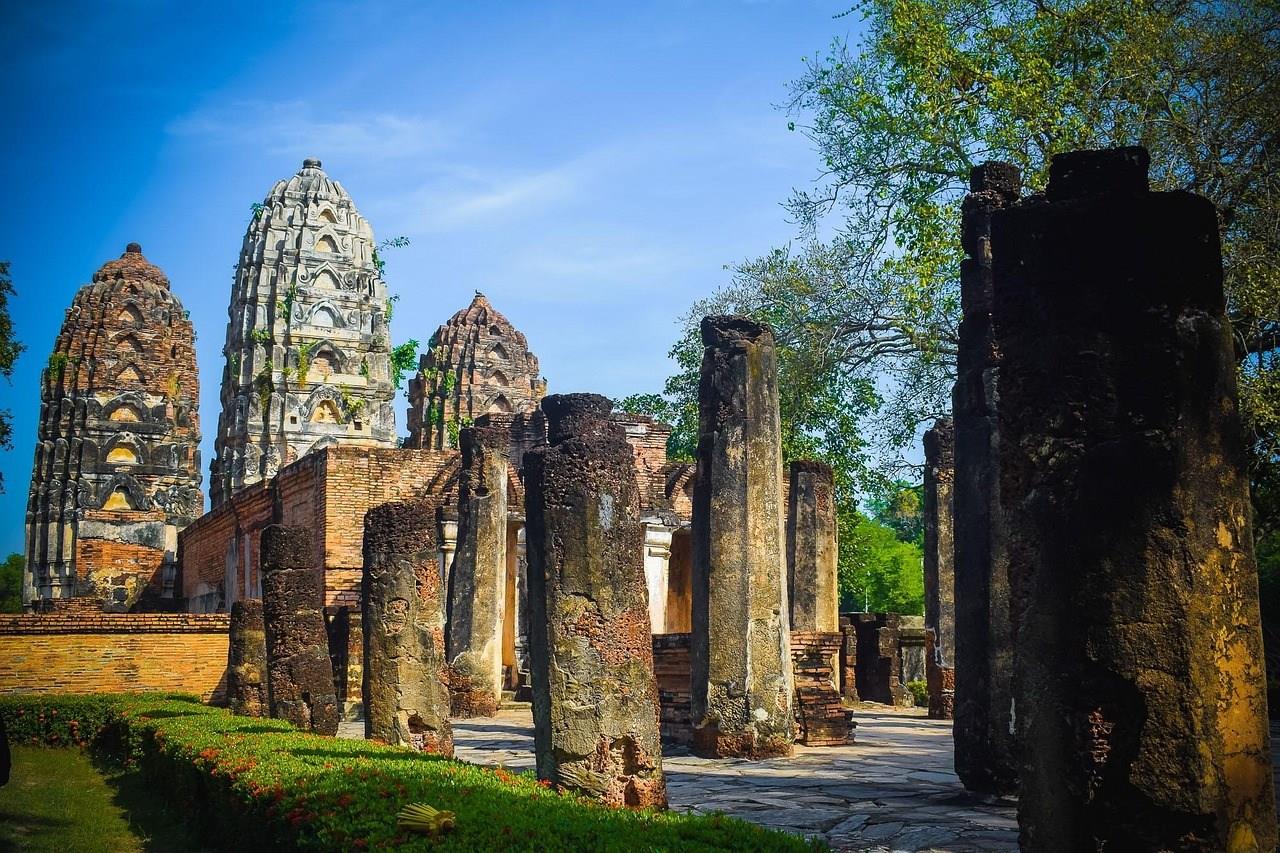
Sukhothai, located in north-central Thailand, was once the capital of the first independent Thai kingdom in the 13th century. Today, it’s best known for the Sukhothai Historical Park, a UNESCO World Heritage Site filled with stone temples, lotus-filled moats, and ancient Buddha statues. The park spans over 70 square kilometers and features more than 190 ruins.

South Dakota
South Dakota, known for its striking contrasts, from sacred Indigenous landmarks to dramatic prairie landscapes, offers travelers a rare chance to experience stories etched in both stone and living tradition. Mount Rushmore may be the most photographed site, but just 17 miles away, the Crazy Horse Memorial tells a deeper story. In the west, the Black Hills are full of geological surprises and sacred sites. Custer State Park offers scenic drives where herds of bison often stop traffic.
San Marino
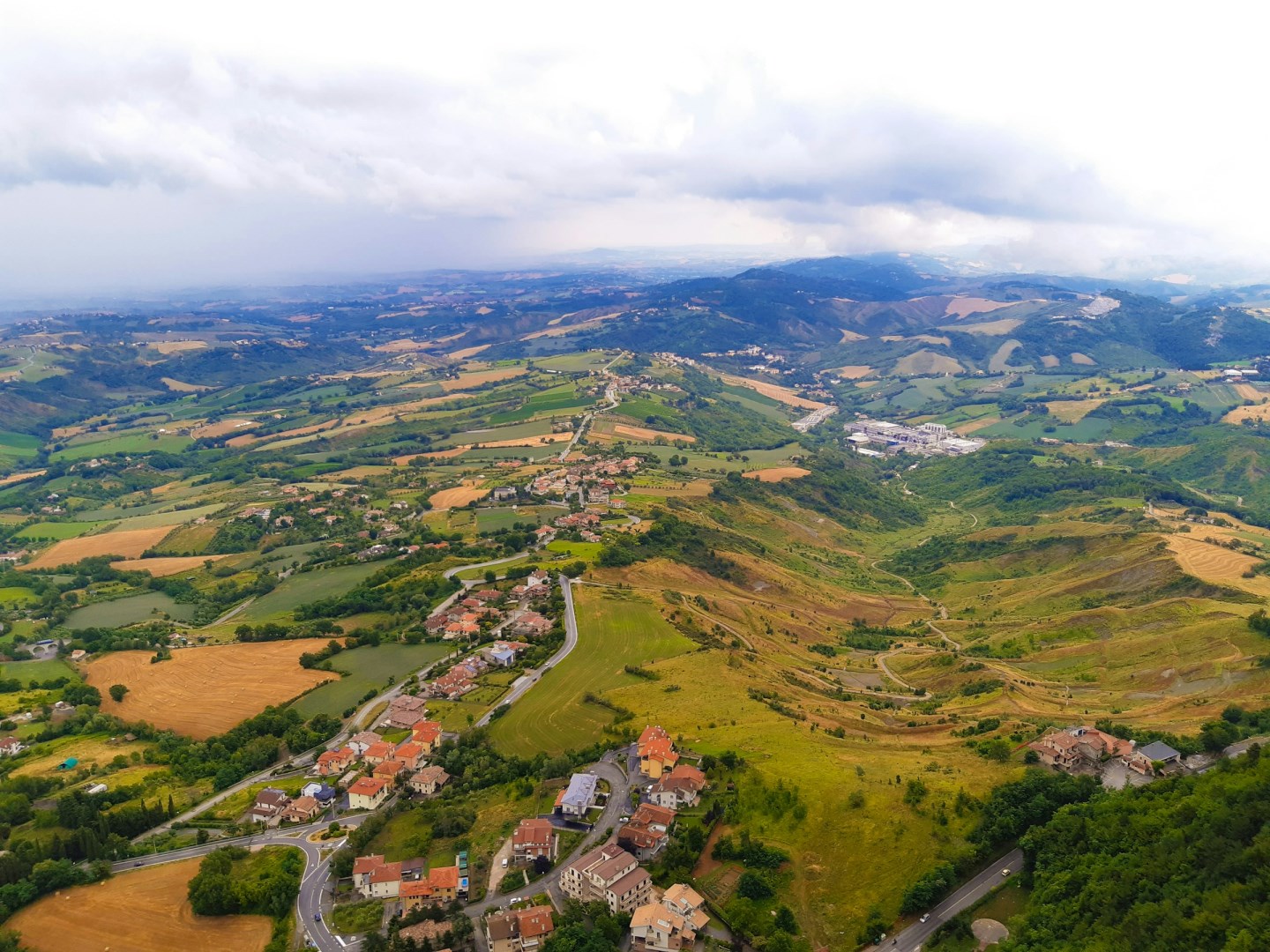
You will never forget this incredible "Camelot," from the towers of which, on a clear day, you can see forever across the placid Adriatic. It's also a mecca for philatelists.
Pulau Ubin
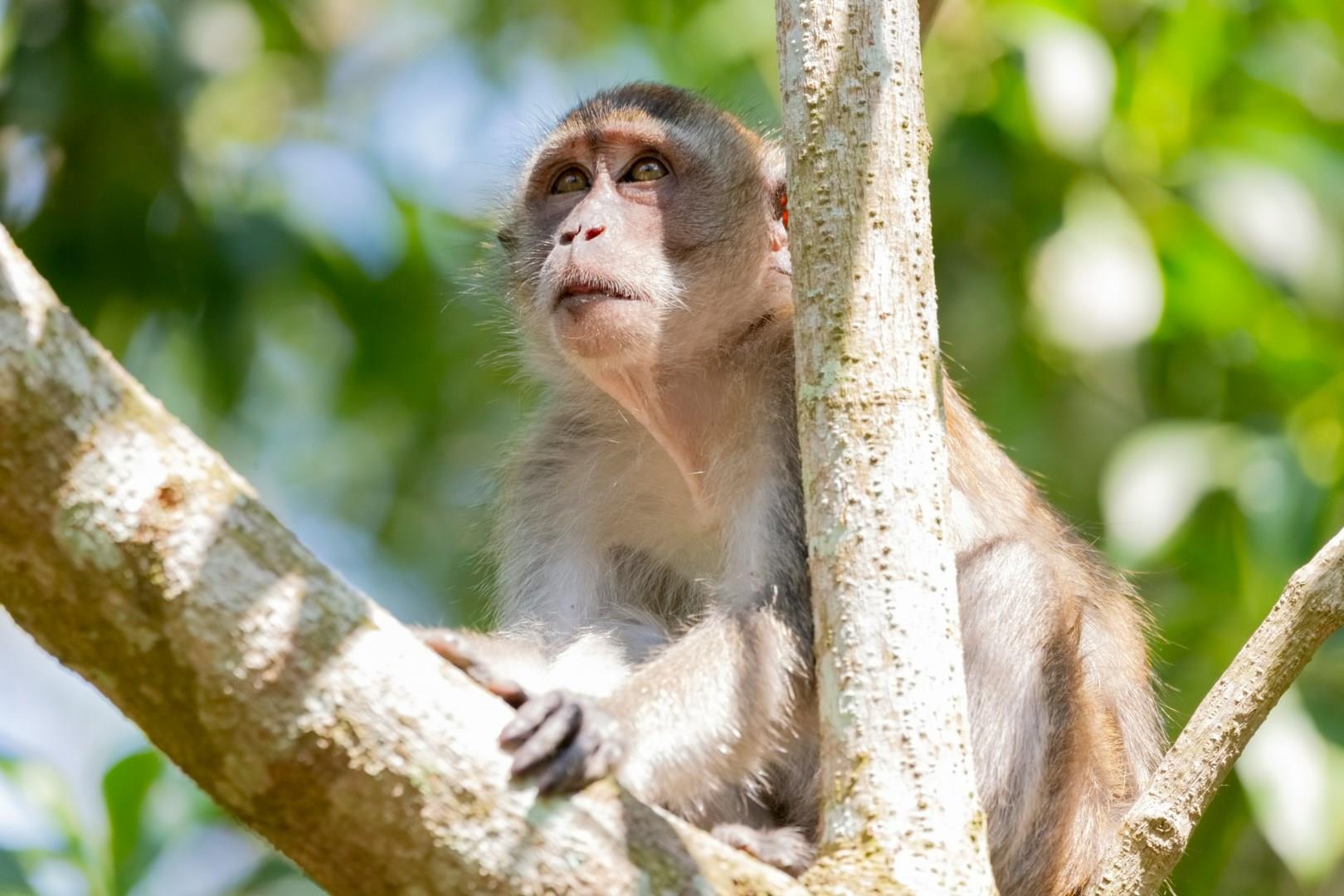
Pulau Ubin, an island northeast of mainland Singapore, offers a glimpse into the country’s past with its preserved kampong (village) atmosphere and rustic landscapes. Unlike the modern cityscape of Singapore, Pulau Ubin retains its traditional charm, with wooden houses, coconut palms, and unpaved roads where bicycles are the main mode of transport.

Addu City
Addu City is the southernmost urban area of the Maldives, spread across six inhabited islands at the southern end of Addu Atoll. Located close to the Equator, it differs from many Maldivian destinations through its larger islands, interconnected roads, local neighborhoods, wetlands, and established communities. Hithadhoo, the largest district, contains much of the city’s population and natural landscape, while Gan is home to Gan International Airport.
