
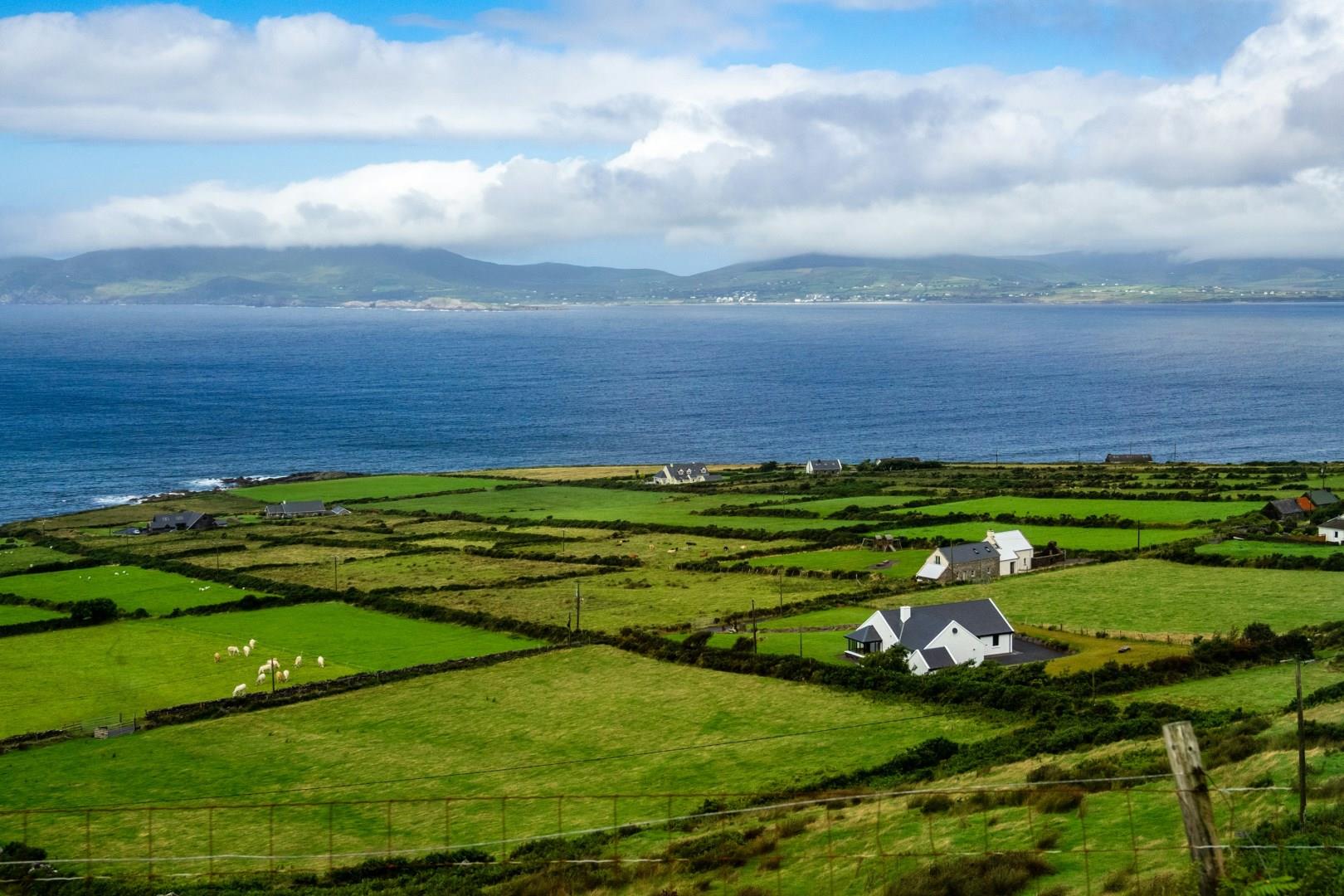
Ring of Kerry
The Ring of Kerry, a 179-kilometer circular route in County Kerry, Ireland, offers travelers a journey through rugged coastal cliffs, remote villages, and winding mountain roads. Starting from Killarney, the route moves clockwise through towns like Kenmare, Waterville, Cahersiveen, and Glenbeigh, each offering its own slice of Irish life. Though often explored by car or tour bus, cycling the route is growing in popularity, especially during spring and early autumn when traffic is lighter.

British Columbia
The capital of British Columbia is Victoria, and the total area equals 366,253 square miles. This province has a truly diverse climate: everything from majestic mountains to sparse deserts to rugged coastlines can be found here.
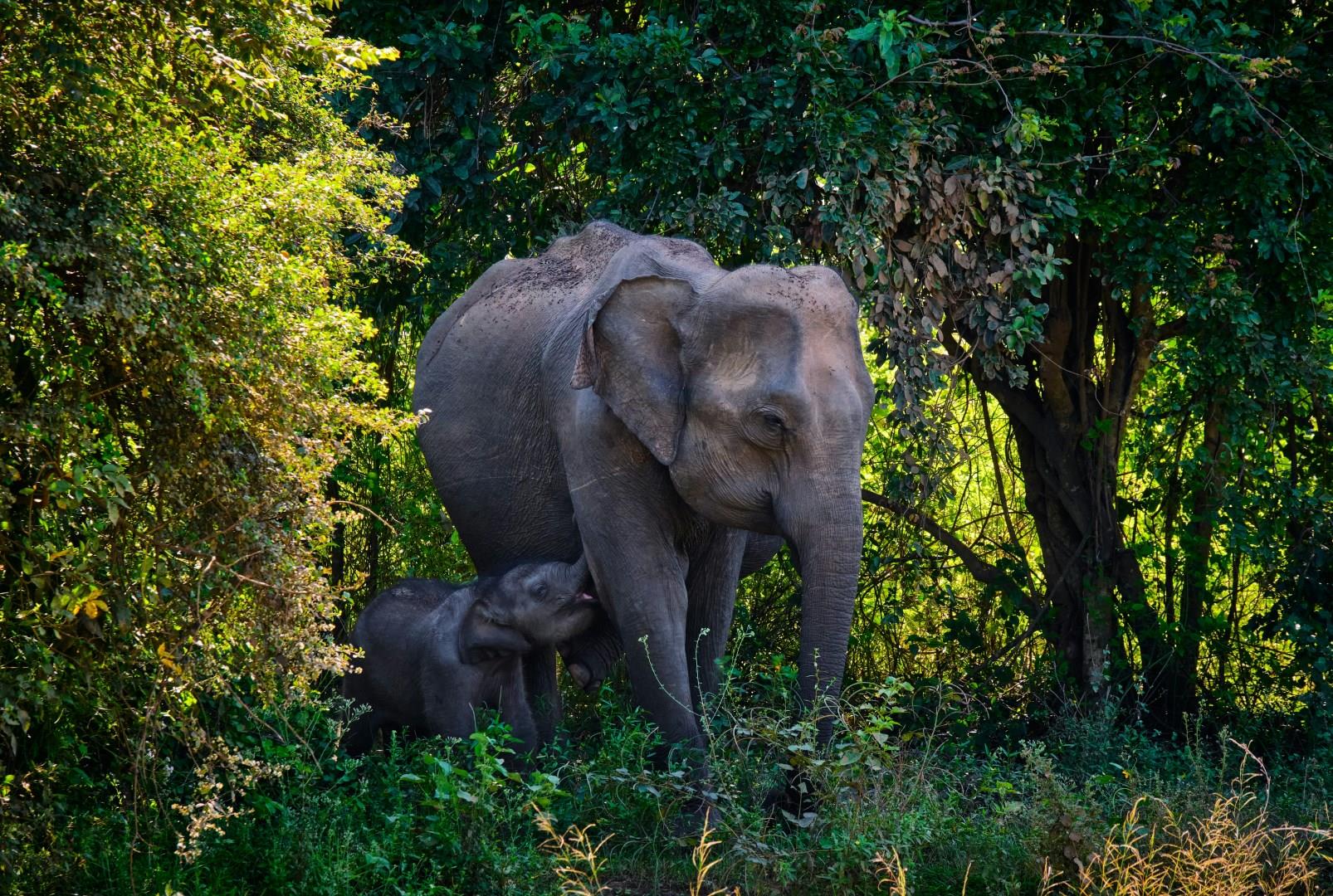
Udawalawe National Park
Udawalawe National Park, located in southern Sri Lanka, is one of the country’s best places to see wild elephants in their natural environment. Established in 1972, the park protects an important watershed area around the Udawalawe Reservoir and provides a sanctuary for hundreds of elephants, which can often be seen roaming in herds across the open grasslands.
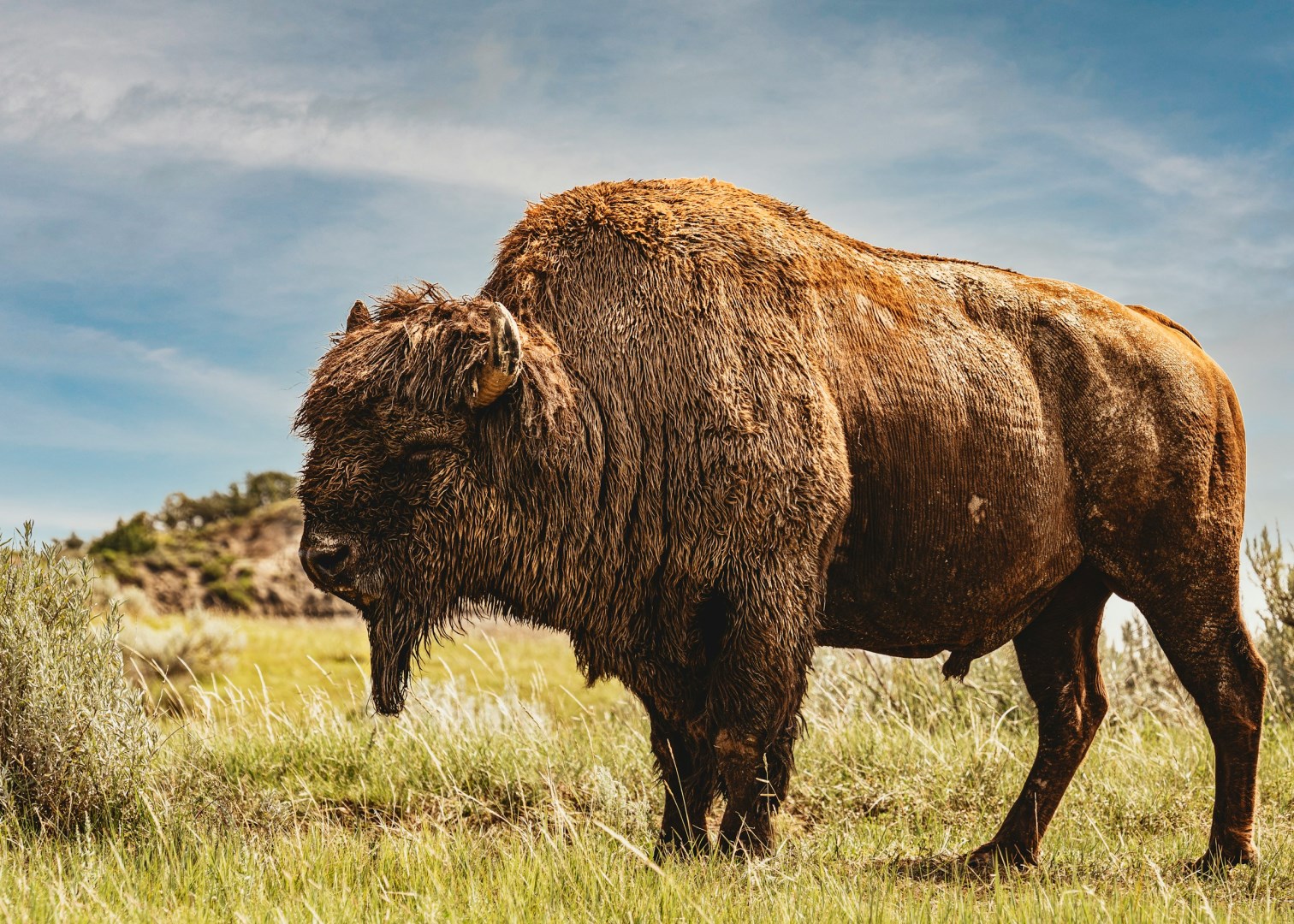
North Dakota
North Dakota invites travelers to explore a landscape where wide-open prairies meet dramatic badlands, and small towns preserve traditions that stretch back generations. At Theodore Roosevelt National Park, visitors can watch wild bison graze under the vast sky or drive along the scenic Loop Road to see wild horses, prairie dogs, and colorful rock formations that seem painted by time.
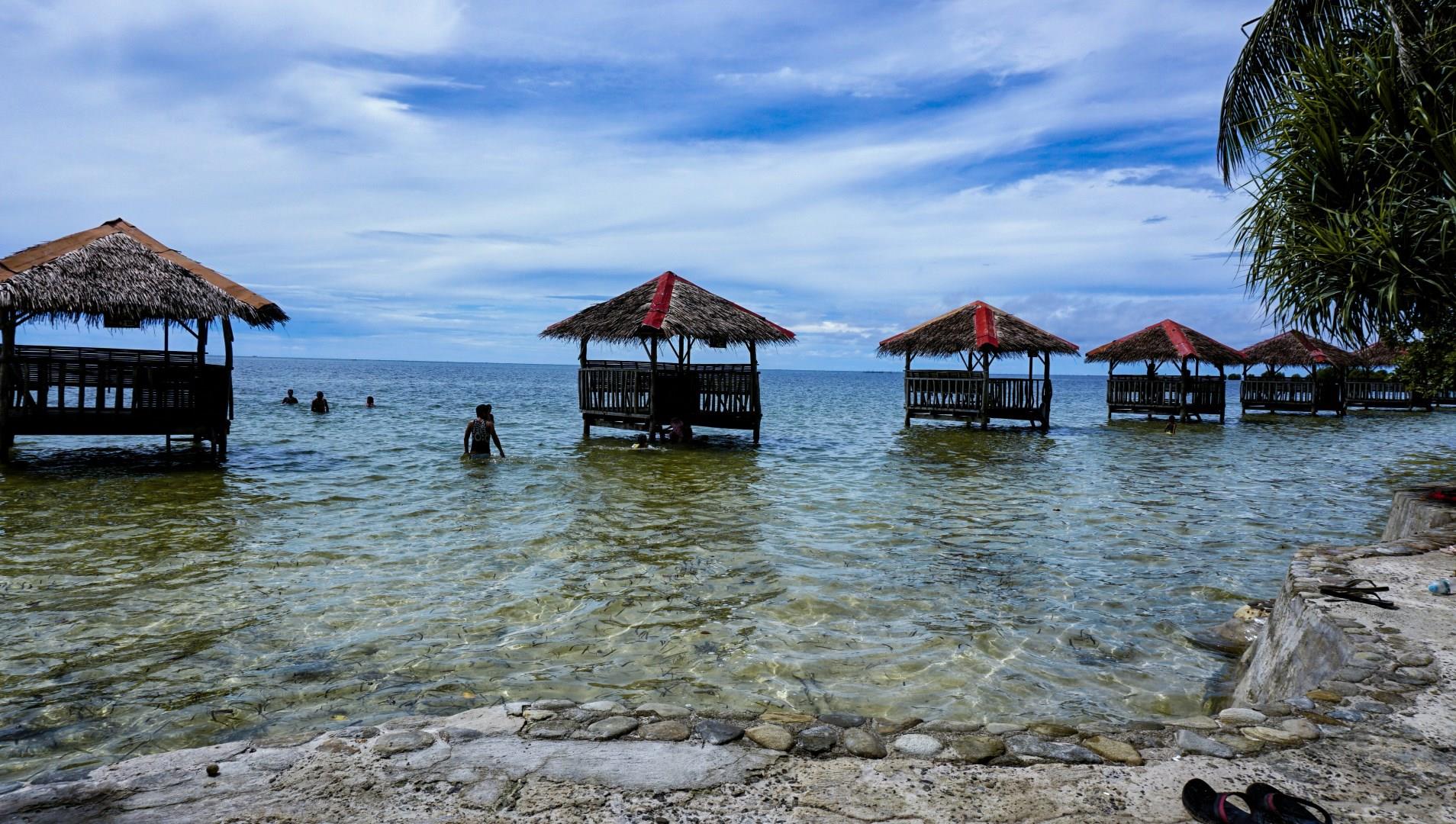
Puerto Princesa
Puerto Princesa, the capital of Palawan in the Philippines, is often seen as the gateway to some of the country’s most remarkable natural landscapes.
