
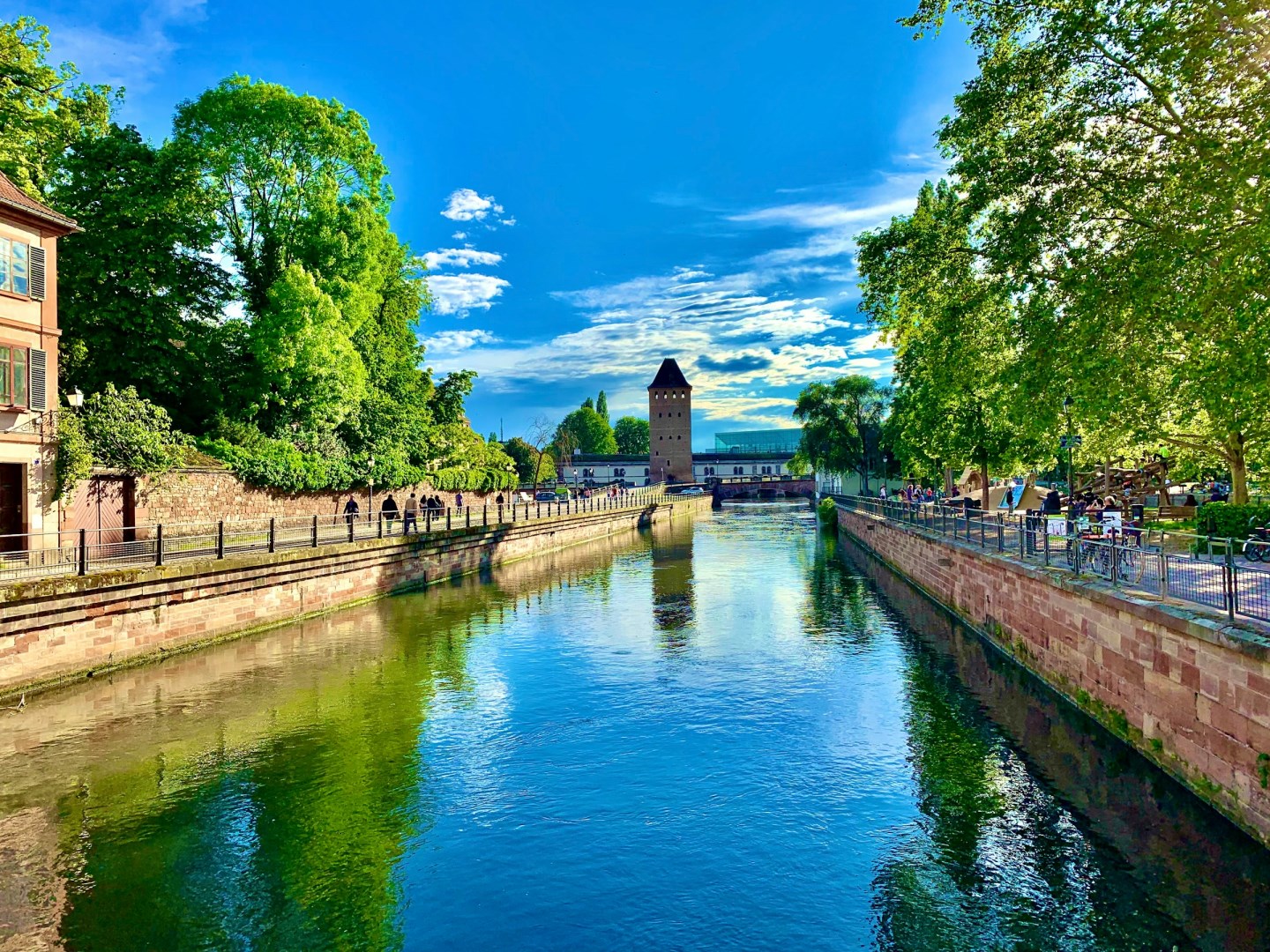
Strasbourg
This vibrant and picturesque city sits near the German border and is the 2nd most popular tourist city in France. Its historic city center is classified a World Heritage Site by UNESCO, and the Stasbourg Cathedral is one of the finest examples of Rayonnant Gothic architecture.

Bridgetown
Bridgetown, the lively capital of Barbados, is a city where history and Caribbean culture meet on the island’s southwestern coast. Founded in the 17th century, its historic core is recognized as a UNESCO World Heritage Site, with landmarks that reflect both British colonial influence and local heritage.
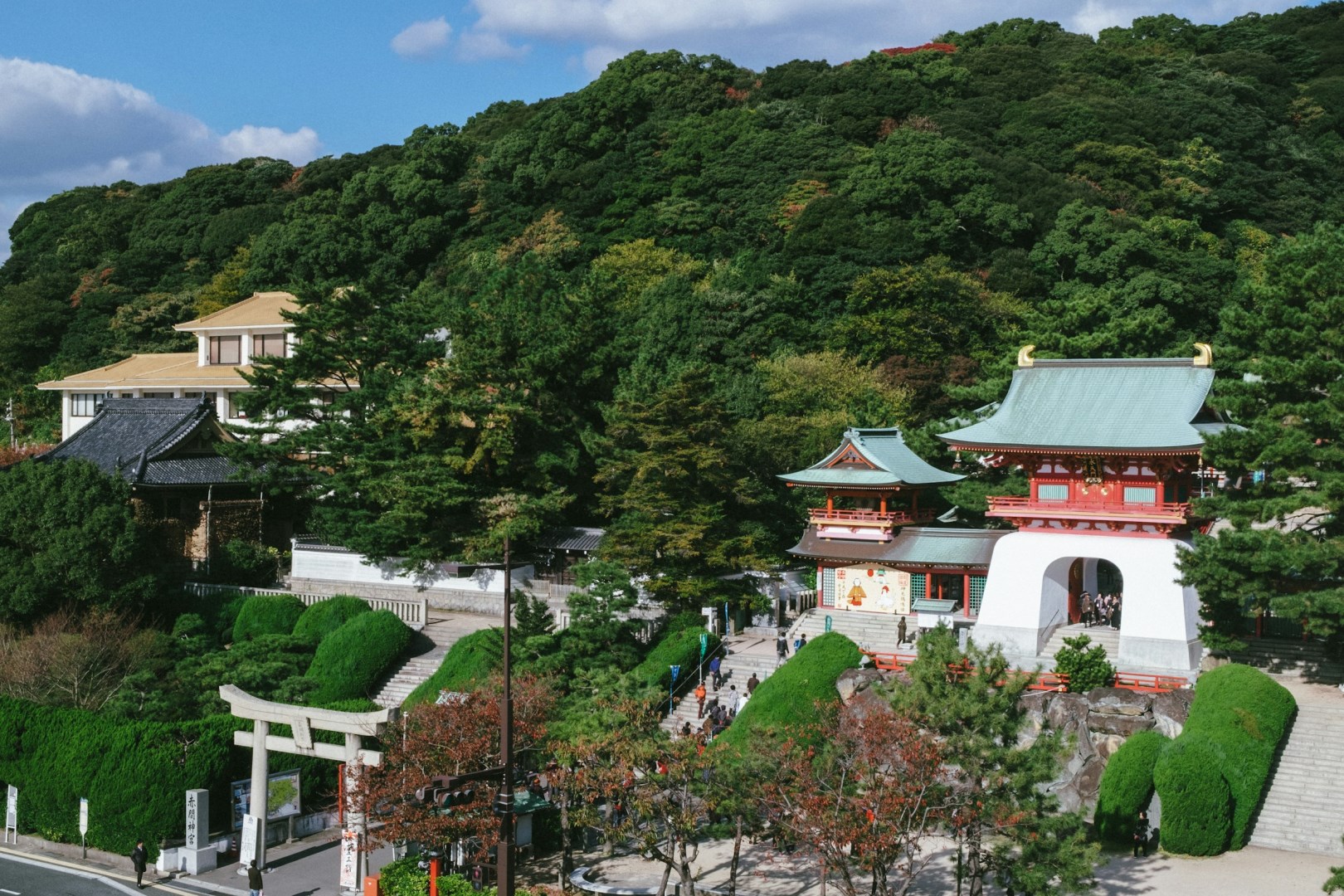
Kitakyūshū
Kitakyushu, located in northern Kyushu, Japan, is a city that seamlessly combines industrial prowess with cultural and natural attractions. Formed from the merger of five cities in 1963, Kitakyushu has a strong industrial history, particularly in steel production, while also investing heavily in environmental sustainability and urban revitalization.
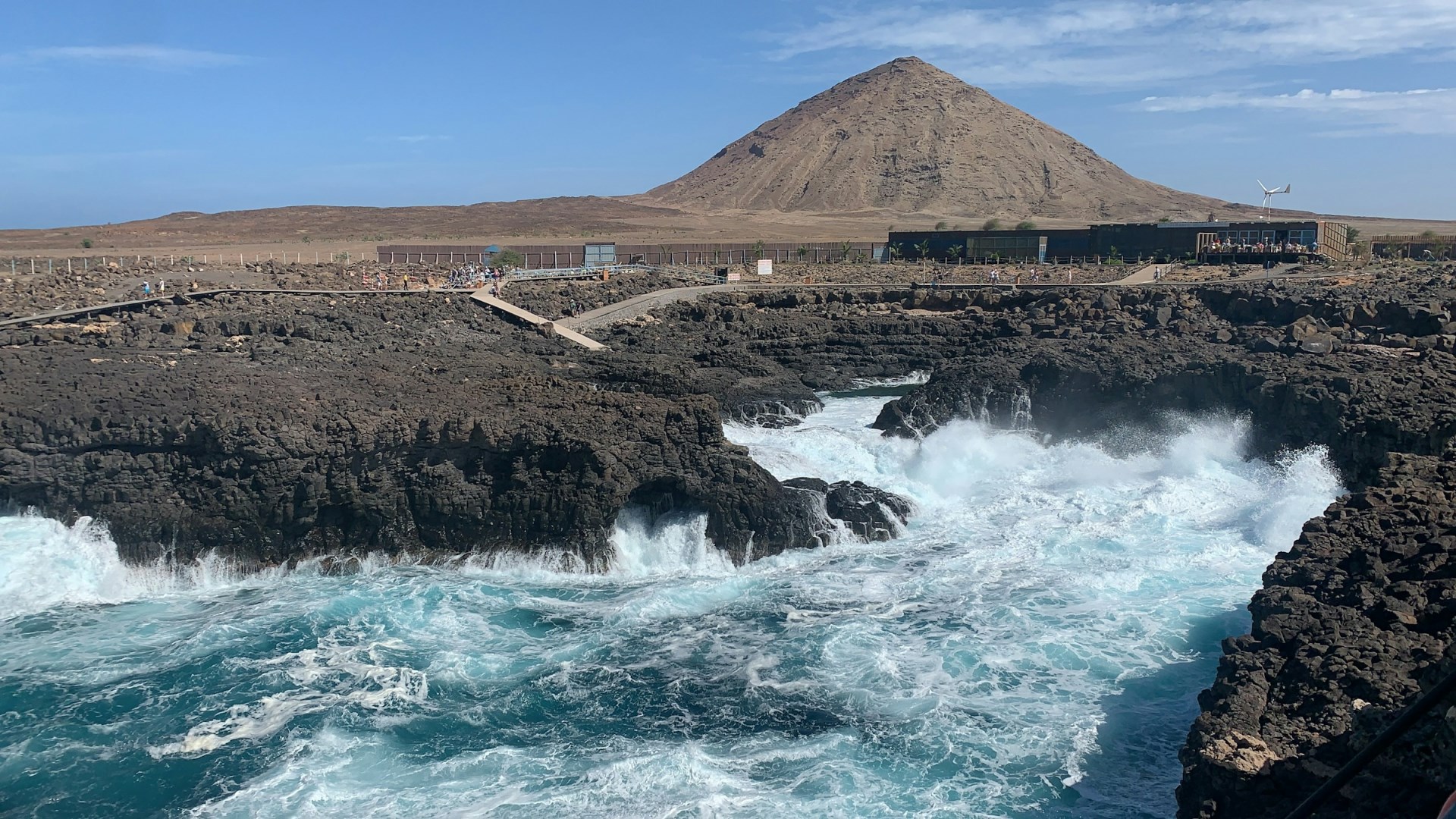
Sal
Sal is a relatively flat, dry island in Cabo Verde, known for its broad beaches, volcanic landscapes, and strong connection with the sea. Its main urban centers are Espargos, the island’s administrative capital, and Santa Maria, a coastal town that developed around fishing and salt production and is now the island’s principal tourism center.
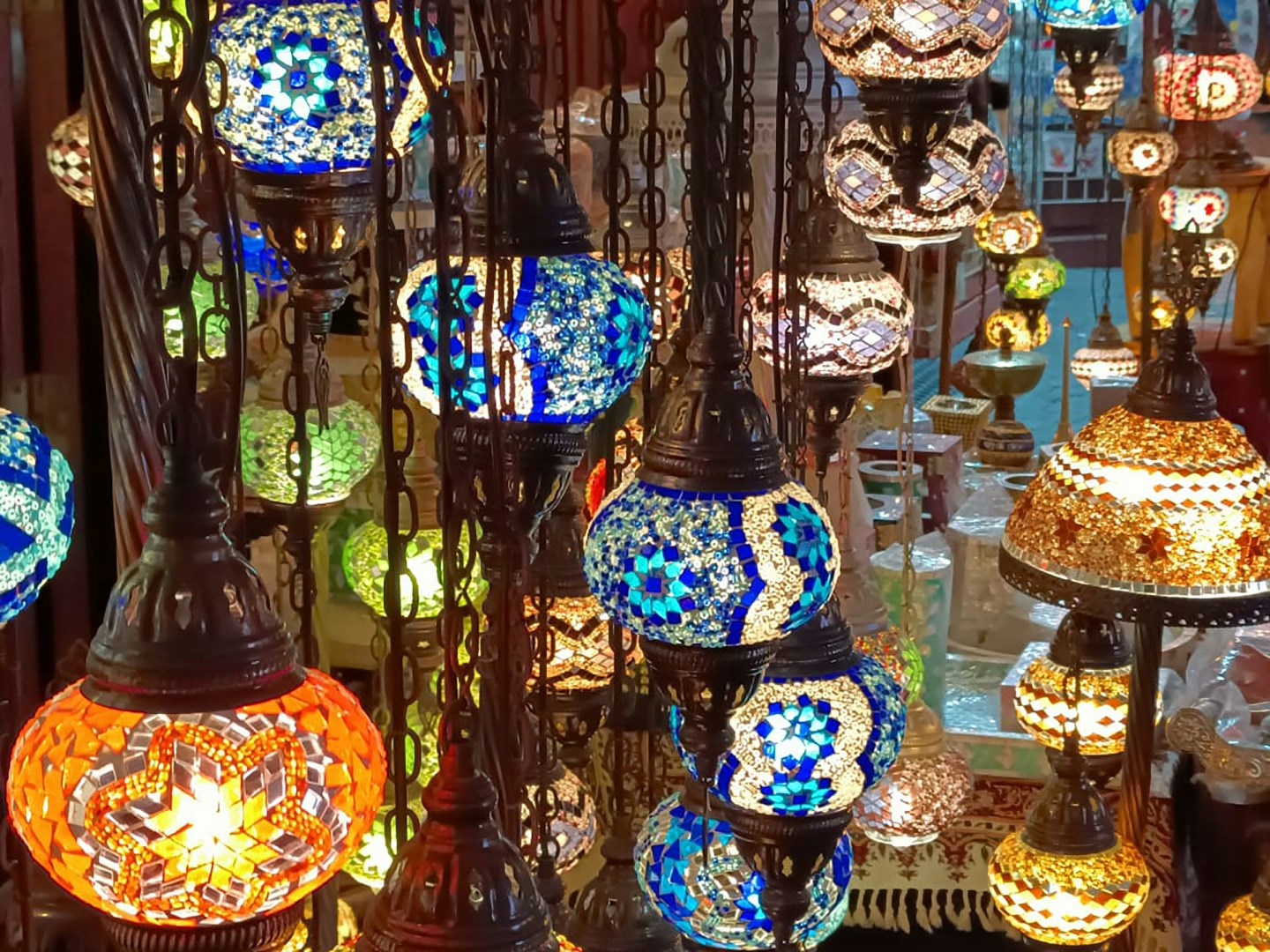
Bahrain
Bahrain, the only island nation in the Arabian Gulf, offers a unique blend of ancient heritage and modern flair. Away from the city, Bahrain’s landscape surprises many. The Tree of Life, a lone 400-year-old mesquite standing in the desert with no known water source, continues to puzzle scientists and inspire travelers.
