

Texas
Texas is a state where size meets story from high plains to coastal shores, every region brings something distinct to the table. In San Antonio, visitors can walk through centuries of layered history starting at the Alamo, a site of one of the most famous battles in the state’s fight for independence. The nearby San Antonio Missions, a UNESCO World Heritage Site, offers a deeper look into the Spanish colonial influence that shaped the region.
Pigeon Island
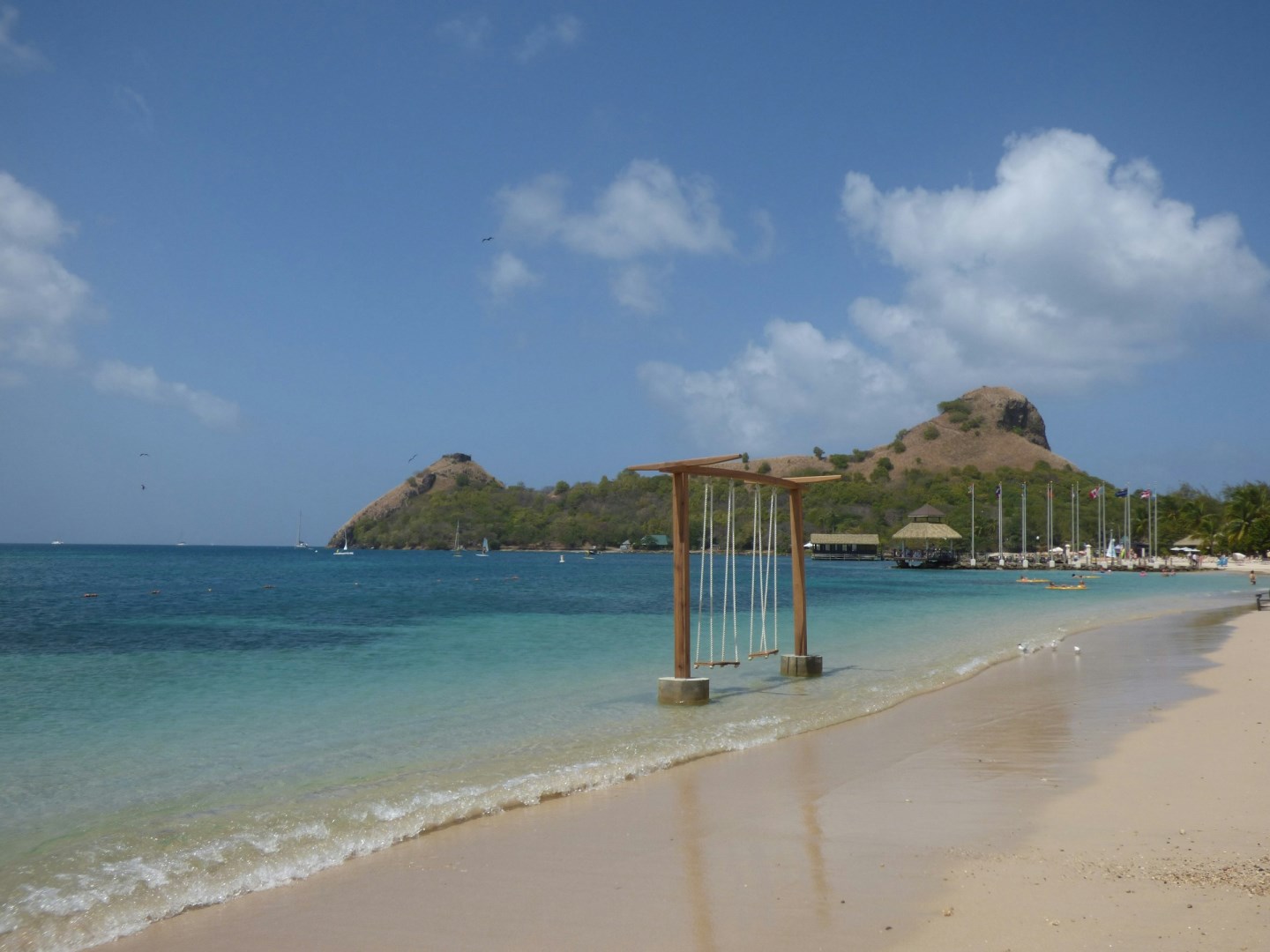
Pigeon Island National Landmark is a historic coastal site on the northwest tip of Saint Lucia, set beside Rodney Bay and connected to the mainland by a causeway. Once a separate island, it now forms part of the island’s northern landscape and combines low hills, dry coastal vegetation, rocky shoreline, and sandy beaches. The site is known for its walking trails and elevated viewpoints, including Signal Peak and Fort Rodney. From the higher ground, visitors can see across Rodney Bay, the Caribbe

Nuva Hiva
Nuku Hiva, the largest island in the Marquesas archipelago, offers an unparalleled escape into Polynesian paradise. This rugged island is renowned for its dramatic landscapes, characterized by lush valleys, towering cliffs, and volcanic peaks.
Barichara
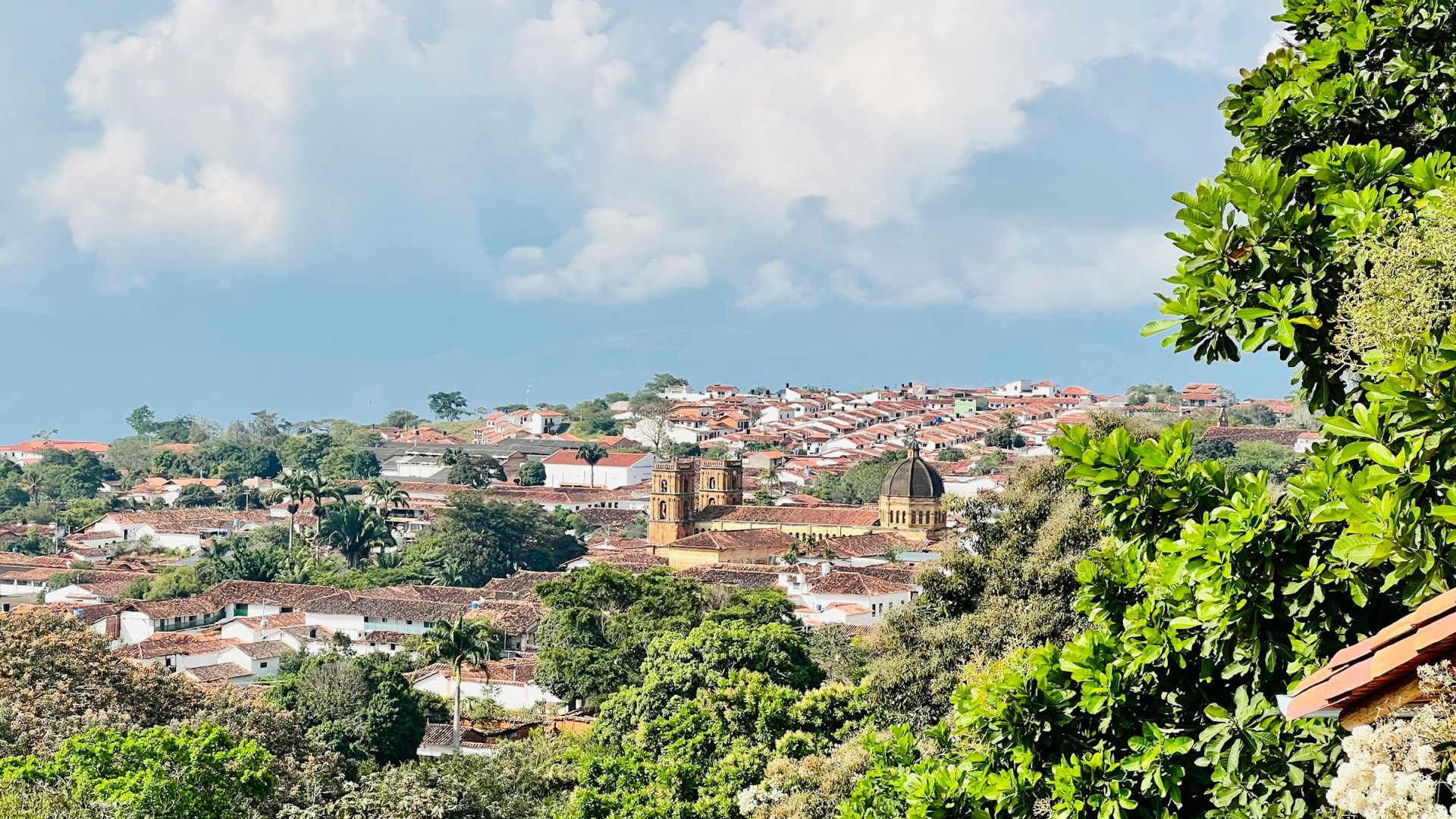
Barichara is a small town in Colombia’s Santander department, known for its carefully preserved colonial character and strong sense of place. Founded in the early 18th century, it is built almost entirely from local stone, giving its streets, churches, and homes a cohesive, grounded feel.
Marbella
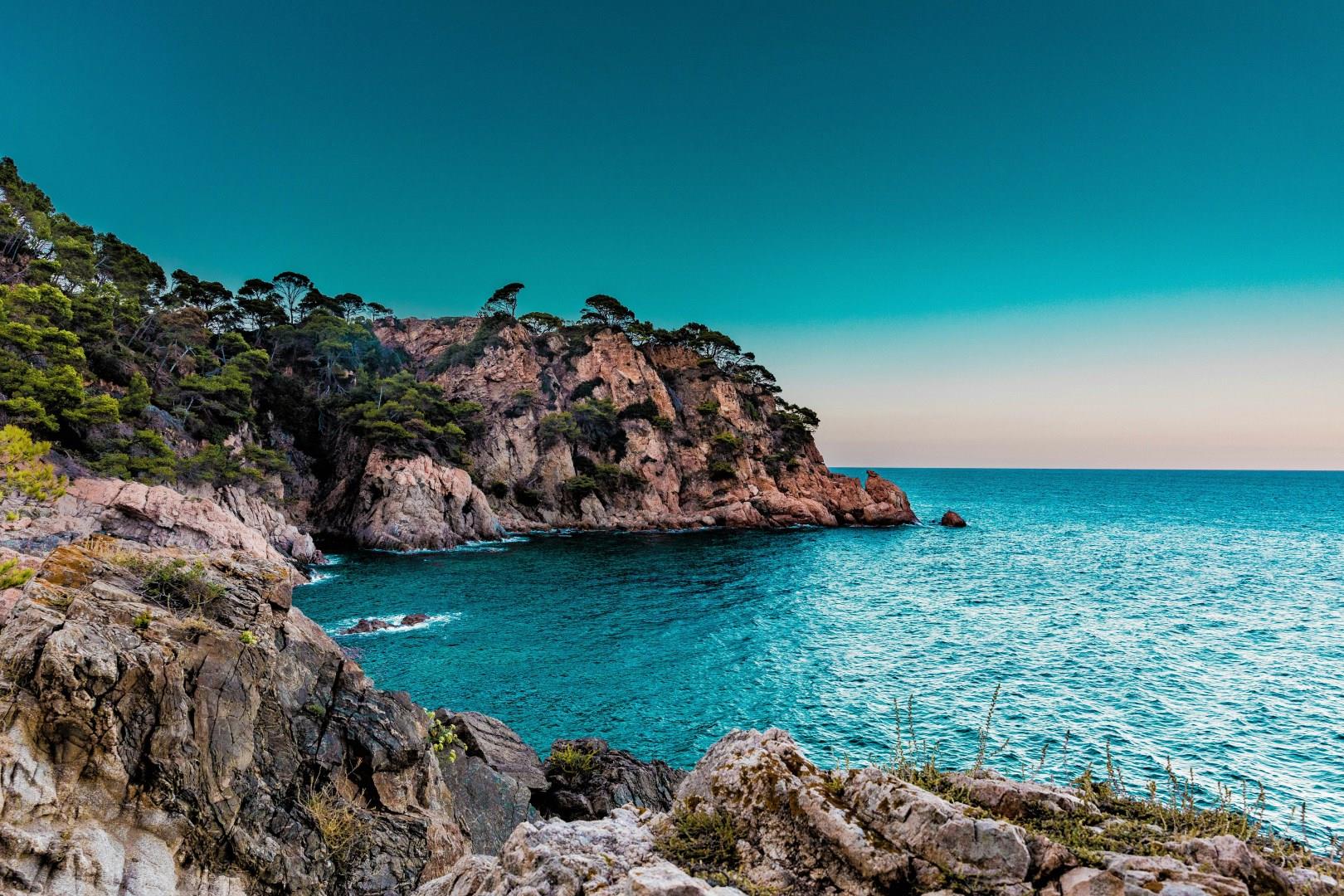
Marbella, located between the Mediterranean Sea and the Sierra Blanca mountains, is often associated with its luxury resorts and famous marina, Puerto Banús. But beyond the polished storefronts and designer yachts, the city has a layered past. Its old town, known as Casco Antiguo, is a well-preserved network of narrow streets built during Moorish rule, with whitewashed buildings, flower-filled balconies, and hidden plazas like Plaza de los Naranjos, which dates back to the 15th century.
